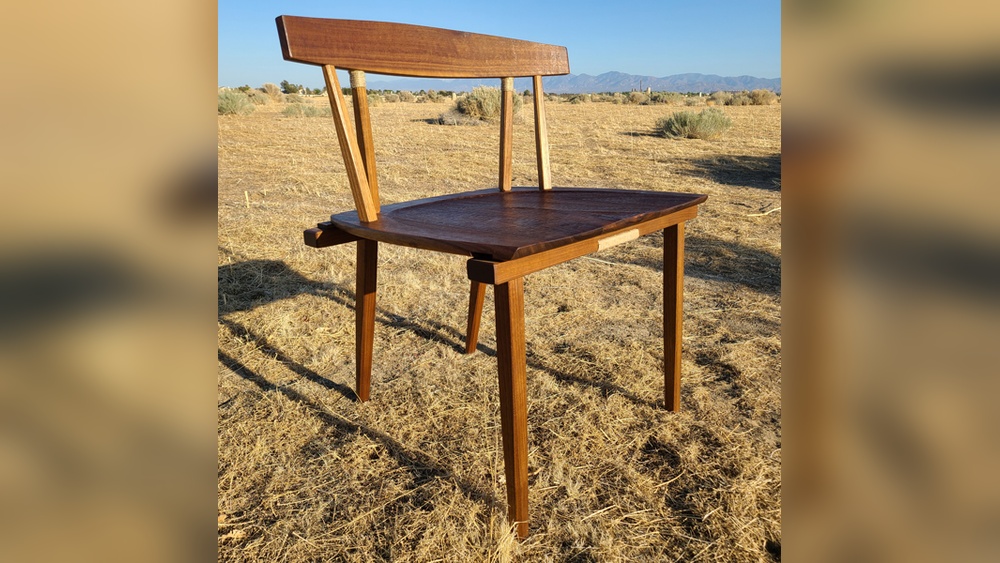
Your outdoor furniture deserves the best care to stay beautiful and strong through every season. Using tung oil is one of the easiest and most effective ways to protect and enhance your wood’s natural charm.
But how do you apply it correctly to get the best results? In this guide, you’ll discover simple steps to transform your outdoor pieces, making them water-resistant, rich in color, and long-lasting. Keep reading to learn how to bring out the true beauty of your furniture with tung oil—and enjoy your outdoor space like never before.
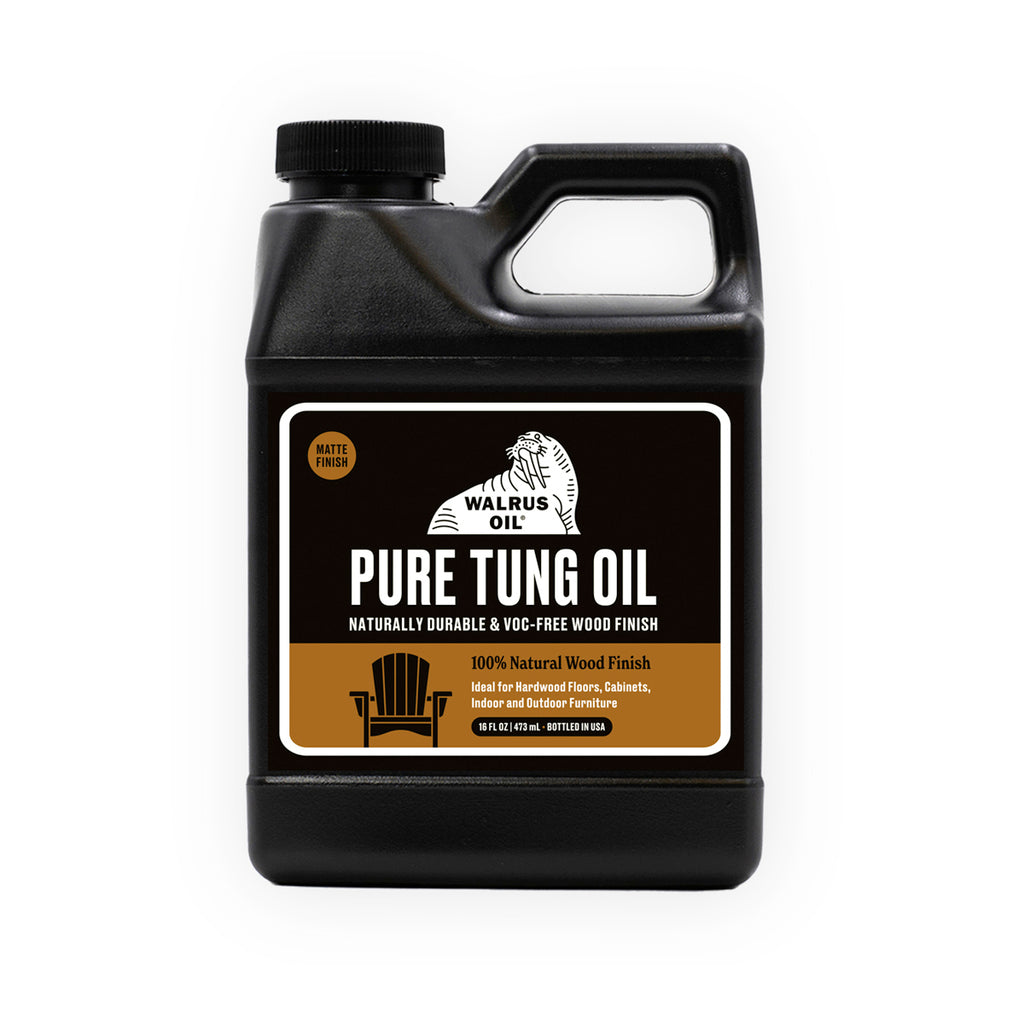
Credit: walrusoil.com
Choosing The Right Tung Oil
Choosing the right tung oil is key for protecting outdoor furniture. It affects the finish, durability, and ease of use. Different types of tung oil serve different needs. Select the one that matches your project requirements and preferences.
Pure Vs. Blended Tung Oil
Pure tung oil comes directly from the tung tree seeds. It offers the best natural protection and finish. Pure oil takes longer to dry but penetrates wood deeply. Blended tung oils mix pure oil with solvents or other oils. These dry faster and are easier to apply. Blended oils may not last as long as pure ones.
Considering Drying Times
Drying time is important for outdoor use. Pure tung oil can take 24 to 48 hours to dry. Multiple coats extend the total drying time. Blended oils dry in a few hours, allowing quicker recoating. Choose based on how soon you want to use the furniture again.
Selecting Food-safe Options
Food-safe tung oil is important for picnic tables or outdoor dining furniture. Pure tung oil is naturally food-safe when fully cured. Some blended oils contain chemicals that are not food-safe. Check labels if the furniture will contact food or skin often.

Credit: www.woodreview.com.au
Preparing Outdoor Furniture
Preparing outdoor furniture before applying tung oil is a key step. It helps the oil soak in better and last longer. Clean, smooth, and dry surfaces give the best results. Take time to prepare your furniture well. This makes the wood look richer and protects it from the weather.
Cleaning And Sanding Surfaces
Start by cleaning the furniture thoroughly. Remove dirt, dust, and old debris. Use a brush or cloth with mild soap and water. Let the wood dry completely before sanding. Sand the surface with fine-grit sandpaper. This removes rough spots and opens the wood pores. Wipe off the dust with a clean cloth. Smooth surfaces help tung oil penetrate deeply.
Removing Old Finishes
Check for any old paint, varnish, or sealant on the wood. These finishes block the tung oil from soaking in. Use a chemical stripper or sandpaper to remove them. Sanding is safer but takes more time. Make sure all old finishes are gone. The wood should look natural and raw. Only then apply tung oil for best absorption.
Ensuring Dry Wood
Wood must be dry before applying tung oil. Moisture prevents proper oil absorption and causes peeling. Leave the furniture in a dry, shady place for at least 24 hours. Avoid direct sunlight during drying. Test dryness by touching or using a moisture meter. Dry wood absorbs tung oil evenly and protects better against rain and sun.
Applying Tung Oil
Start by cleaning the furniture to remove dirt and dust. Apply tung oil with a cloth, rubbing it in small circles. Let the oil soak for a few hours, then wipe off any extra for a smooth finish.
Tools And Materials Needed
Gather all tools before starting. You need pure tung oil, clean rags, and a brush. Sandpaper with fine grit helps prepare the wood surface. Gloves protect your hands. A container for the oil keeps it handy. Have a well-ventilated space for working. Make sure the furniture is clean and dry.
Step-by-step Application
Start by sanding the furniture lightly to smooth rough spots. Wipe off dust with a dry cloth. Dip a clean rag or brush into the tung oil. Apply a thin, even coat following the wood grain. Let the oil soak for about 30 minutes. Wipe away any extra oil with a clean rag. Wait at least 24 hours before applying another coat. Repeat the process until the wood feels smooth and looks rich. Usually, two to three coats are enough for outdoor furniture.
Tips For Even Coverage
Work in small sections to avoid missing spots. Use long, smooth strokes along the grain. Avoid pooling oil in one area; spread it thinly. Change rags often to prevent dirt buildup. Apply coats in a warm, dry place for best absorption. Check the wood in daylight to spot uneven areas. Patience helps achieve a flawless finish. Let each coat dry fully before the next application.
Drying And Curing Process
The drying and curing process is vital for tung oil to protect outdoor furniture well. Proper drying ensures the oil hardens correctly. This creates a strong, water-resistant finish. Rushing this step can cause sticky or uneven surfaces. Patience helps achieve a smooth, durable coat.
Understanding the right conditions and timing improves results. It also prevents dust or dirt from ruining the finish. Follow these tips to make your outdoor furniture last longer.
Ideal Weather Conditions
Choose a day with warm, dry weather for drying tung oil. Temperature between 65°F and 85°F works best. Avoid high humidity; it slows drying. Direct sunlight helps but not too strong. Wind can help dry but may carry dust. A calm, warm day is ideal.
Avoiding Dust And Debris
Keep the furniture in a clean, dust-free place during drying. Dust sticks easily to wet tung oil. Cover the area with a light cloth if outside. Avoid windy conditions that blow dirt. Indoors, close windows and doors. Clean the workspace before starting.
Timing Between Coats
Wait 24 to 48 hours before applying the next coat. The first layer must feel dry but not hard. Press lightly with a finger to check. If tacky, wait longer. Multiple thin coats work better than one thick coat. Repeat until the wood looks smooth and even.
Maintenance And Reapplication
Maintaining outdoor furniture treated with tung oil is key to keeping it beautiful and protected. Over time, weather and use wear down the oil finish. Regular care and timely reapplication keep the wood strong and looking fresh.
Proper maintenance prevents damage from sun, rain, and dirt. It also helps the wood stay smooth and resistant to cracks. Knowing when and how to refresh the tung oil finish saves time and effort in the long run.
Signs Tung Oil Needs Refreshing
Watch for dull or dry spots on the furniture surface. These areas absorb water quickly, showing the oil is wearing off. Look for rough patches or small cracks in the wood. Fading color or a grayish tone means the finish is fading. If water no longer beads on the surface, it is time to reapply tung oil.
Cleaning Treated Furniture
Clean furniture gently before applying more tung oil. Use a soft brush or cloth to remove dirt and dust. Mild soap and water work well for light cleaning. Avoid harsh chemicals that strip the oil. Let the wood dry completely before the next step. Clean surfaces allow tung oil to soak in evenly.
Frequency Of Reapplication
Reapply tung oil once or twice a year for best protection. Check the finish each season to decide if you need to refresh it. In harsh climates, more frequent applications may be necessary. Applying oil every six months keeps the wood nourished. Less frequent reapplication can lead to damage and fading.
Credit: www.furnitureclinic.com
Common Mistakes To Avoid
Using tung oil on outdoor furniture can protect and beautify your wood. Avoiding common mistakes helps you get the best results. These errors can cause uneven finish, peeling, or damage. Understanding what to avoid makes your project easier and more successful.
Applying Too Thickly
Applying tung oil too thick slows drying time. Thick layers stay sticky for days. This attracts dirt and dust. It can also cause uneven color and texture. Always apply thin, even coats. Let each layer dry fully before adding more.
Skipping Surface Prep
Not preparing the wood surface leads to poor oil absorption. Dirt, dust, or old finish blocks tung oil. Sand the furniture smooth before applying. Clean the surface well with a cloth. This helps oil soak in and protect better.
Ignoring Weather Factors
Weather affects how tung oil dries and cures. High humidity or rain slows drying. Strong sun can dry oil too fast, causing cracks. Choose a dry, mild day for application. Avoid windy conditions that blow dust on wet oil.
Benefits Of Tung Oil For Outdoor Use
Tung oil is a popular choice for outdoor furniture. It protects wood while keeping its natural beauty. This oil offers many benefits that make it ideal for outdoor use. It helps wood resist water and weather damage. It also brings out the wood’s natural patterns. Plus, it is safe and free from harmful chemicals.
Water Resistance
Tung oil creates a strong barrier against water. It soaks deep into the wood, sealing it from moisture. This helps prevent swelling, cracking, and rotting. Outdoor furniture stays durable even after rain or spills. Water resistance extends the life of wood furniture.
Enhancing Wood Grain
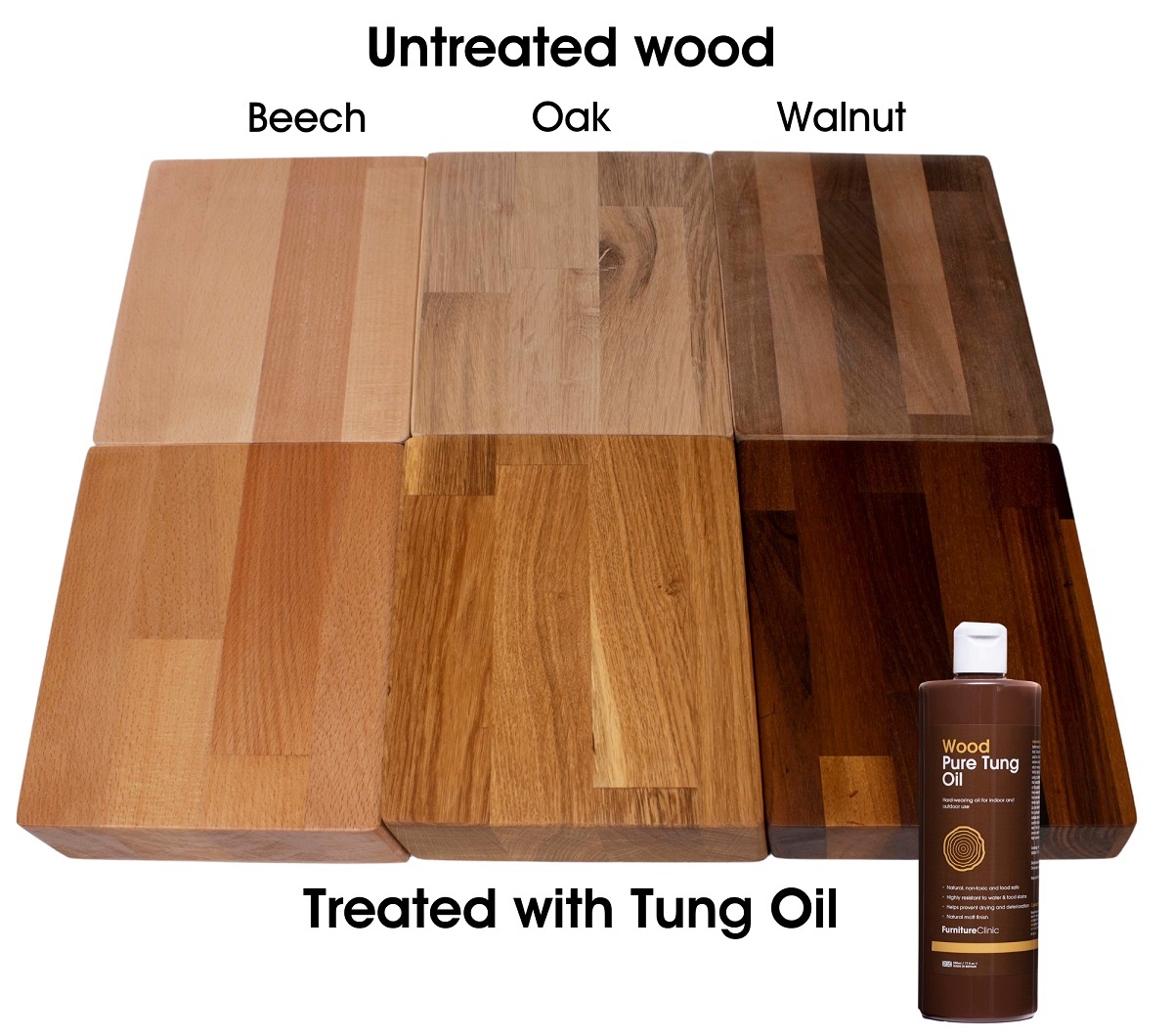
This oil highlights the wood’s natural grain and color. It adds a warm, rich glow that looks great outside. The finish is smooth and not shiny, which keeps the wood’s natural look. Tung oil makes every detail of the wood stand out beautifully.
Natural And Non-toxic
Tung oil is made from natural nuts and is safe to use. It does not release harmful fumes or chemicals. This makes it perfect for outdoor furniture around children and pets. The oil is eco-friendly and biodegradable, protecting both wood and nature.
Frequently Asked Questions
What Is The Best Way To Apply Tung Oil On Outdoor Furniture?
Use a clean cloth or brush to apply tung oil evenly. Apply thin coats and allow each to dry fully before reapplying. Lightly sand between coats for a smooth finish. Multiple coats enhance protection and durability against weather elements.
How Long Does Tung Oil Take To Dry On Wood?
Tung oil typically takes 24 hours to dry between coats. Complete curing can take up to 7 days. Drying time depends on temperature and humidity. Ensure good ventilation to speed up drying and achieve a hard, protective finish.
Can Tung Oil Protect Outdoor Furniture From Water Damage?
Yes, tung oil penetrates wood and creates a water-resistant barrier. It helps prevent water absorption and damage. Regular reapplication maintains protection. It also preserves the wood’s natural look and enhances durability outdoors.
How Often Should I Reapply Tung Oil On Outdoor Furniture?
Reapply tung oil every 1 to 2 years for best protection. Check for signs of wear or dullness. Lightly sand the surface before applying a fresh coat. Frequent maintenance extends the life and beauty of the furniture.
Conclusion
Tung oil protects outdoor furniture from weather damage. It keeps wood looking natural and fresh. Applying it is simple with clean, dry surfaces. Regular coats extend the furniture’s life and beauty. Let the oil dry fully between layers. This care helps your furniture stay strong for years.
Enjoy your outdoor space with well-maintained wood. A little effort goes a long way. Try it yourself and see the difference.