
You love spending time outdoors, but your furniture doesn’t always share the same enthusiasm. Rain, sun, and humidity can quickly wear down your favorite chairs, tables, or benches.
What if you could keep your outdoor furniture looking fresh and sturdy, no matter the weather? Waterproofing your furniture is the key to protecting your investment and enjoying your outdoor space year-round. In this guide, you’ll discover simple, effective ways to waterproof different types of furniture—wood, metal, and fabric—so you can relax outside without worrying about damage.
Ready to learn how to make your outdoor furniture last longer and look great? Let’s dive in!
Materials For Outdoor Furniture
Choosing the right materials for outdoor furniture is essential for durability and waterproofing success. Different materials react differently to moisture, sun, and temperature changes. Understanding these materials helps protect your investment and keeps furniture looking good longer.
Wood Types And Their Durability
Hardwoods like teak, cedar, and redwood resist rot and insects naturally. They handle moisture better than softwoods. Pine and fir need more protection because they absorb water easily. Applying sealants and oils improves wood resistance against rain and sun damage. Regular maintenance keeps wood furniture strong and beautiful.
Metal Furniture Considerations
Metals such as aluminum and stainless steel resist rust and corrosion well. Iron and steel need extra care with rust-proof paint or coatings. Avoid metal furniture that chips or scratches easily. Cover exposed metal parts with rust inhibitors to prevent damage. Metal furniture can last many years if properly protected.
Upholstery And Fabric Choices
Outdoor fabrics must resist water, mold, and fading from sunlight. Look for materials like solution-dyed acrylic or polyester that dry quickly. Waterproof sprays add extra protection to cushions and pillows. Using removable covers makes cleaning easier and extends fabric life. Choose fabrics designed specifically for outdoor use to maintain comfort and style.
Surface Preparation Steps
Proper surface preparation is essential to waterproof outdoor furniture effectively. It ensures the protective coating adheres well and lasts longer. Each material type requires a specific cleaning and prepping method before sealing.
Cleaning And Sanding Wood
Start by removing dirt and debris using a soft brush or cloth. Use mild soap and water to wash the wood surface gently. Let it dry completely to avoid trapping moisture.
Sand the wood lightly with fine-grit sandpaper. This step smooths rough spots and removes old finishes. Wipe away dust with a tack cloth before applying any sealant.
Rust Removal From Metal
Inspect metal furniture for rust spots. Use a wire brush or sandpaper to scrub off rust thoroughly. Clean the surface with a damp cloth to remove residue.
Dry the metal completely to prevent new rust from forming. Applying a rust-inhibiting primer after cleaning boosts protection and improves paint adhesion.
Preparing Upholstery Surfaces
Remove cushions and clean fabric with a suitable upholstery cleaner. Let the fabric dry fully before waterproofing.
For outdoor use, consider replacing indoor fabric with water-resistant materials. Alternatively, apply waterproof fabric spray evenly to protect against moisture and stains.
Sealants And Protective Coatings
Sealants and protective coatings are essential for safeguarding outdoor furniture. They create a barrier that keeps moisture, dirt, and UV rays away. This protection prolongs the furniture’s life and keeps it looking fresh. Different materials need different types of sealants. Choosing the right one depends on whether the furniture is wood, metal, or fabric.
Oils For Wood Protection
Oils like linseed and tung oil soak into wood deeply. They repel water and nourish the wood, preventing cracks. Applying oils is simple with a cloth or brush. Let the oil soak in fully before wiping off excess. Reapply every year to keep wood strong and water-resistant.
Polyurethane And Varnish Options
Polyurethane and varnish form a hard, protective shell on wood. They block water and shield from sun damage. Use exterior-grade products for better durability. Apply thin, even coats with a foam brush. Allow drying time between coats for a smooth finish. These coatings help prevent mold and fading.
Metal Primers And Paints
Metal furniture needs rust protection first. Use a rust-inhibiting primer before painting. Choose exterior paints designed for metal surfaces. These paints seal the metal and block moisture. Apply with a brush or spray for even coverage. Regular touch-ups help avoid rust spots and peeling.
Fabric Sealants And Treatments
Outdoor fabrics require special waterproof treatments. Fabric sealants add a water-repellent layer without changing texture. Spray or brush on sealants evenly and let dry fully. Some treatments also protect against stains and mildew. Using waterproof cushions or slipcovers adds extra defense against rain.
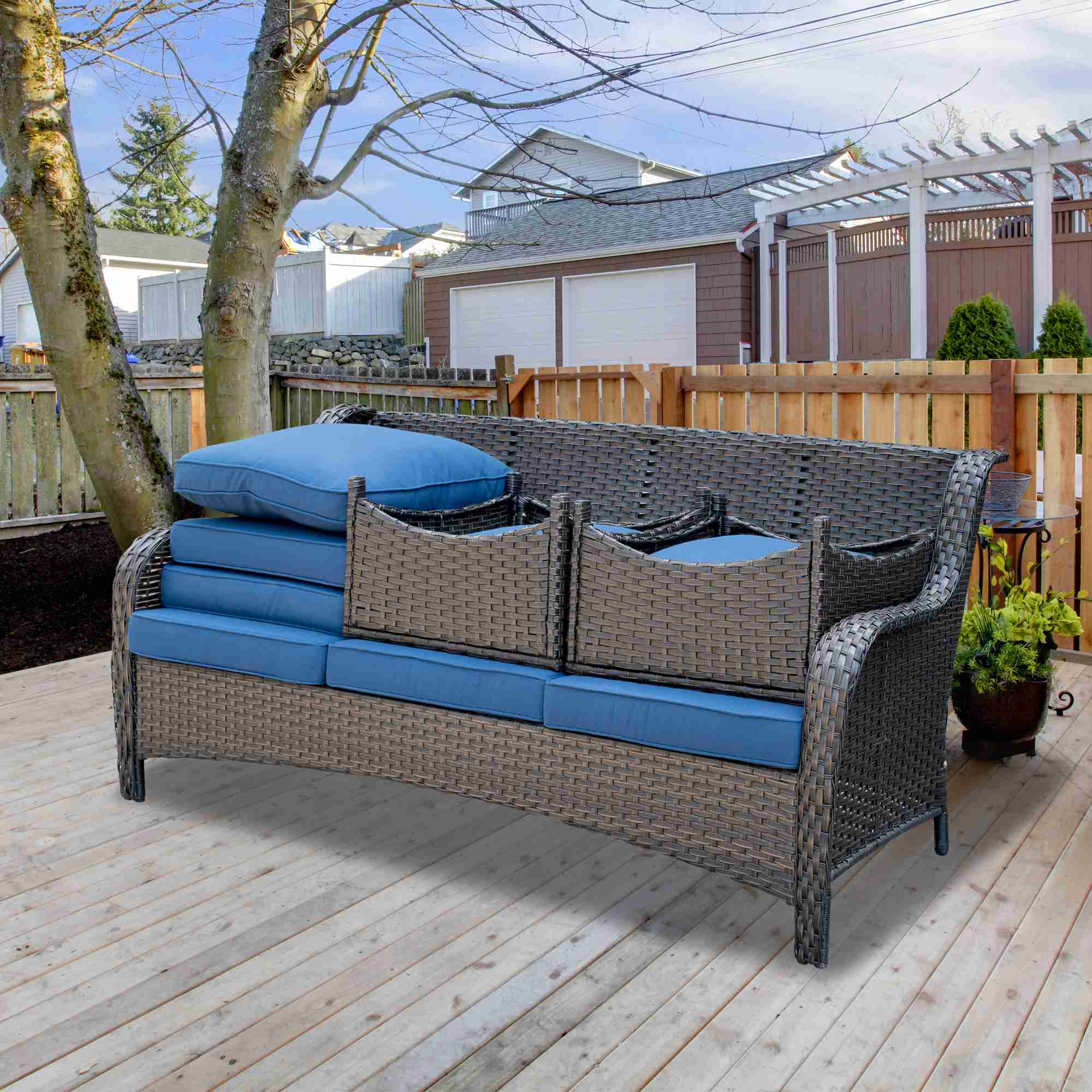
Credit: www.ovios-home.com
Application Techniques
Proper application techniques ensure your outdoor furniture stays protected against moisture and weather damage. Choosing the right method affects how well the waterproofing layer adheres and lasts. Applying the product carefully helps avoid uneven spots and weak coverage. Understanding brushing and spraying methods, ensuring full coverage, and respecting drying times leads to the best results.
Brushing And Spraying Methods
Brushing is a simple and effective way to apply waterproof coatings. Use a high-quality, soft-bristle brush for smooth, even strokes. Apply thin layers and avoid heavy coats that can drip or pool. Brushing works well for detailed surfaces and corners.
Spraying offers faster coverage, especially for large or intricate pieces. Use a spray bottle or aerosol can designed for waterproof sealants. Hold the sprayer about 6 to 12 inches from the surface for even application. Spray in a steady, sweeping motion to avoid buildup.
Ensuring Complete Coverage
Cover every part of the furniture, including undersides and joints. Turn or tilt the piece to reach hidden areas. Missing spots can let water seep in and cause damage. Apply multiple thin coats rather than one thick coat to build strong protection. Check surfaces carefully under good light to spot any missed areas.
Drying And Curing Times
Allow each coat to dry completely before adding another. Drying times vary by product but usually range from 2 to 4 hours. For best durability, let the furniture cure for 24 to 48 hours before use. Avoid exposing it to rain or heavy moisture during this time. Proper drying and curing ensure the waterproof layer bonds well and lasts longer.
Maintaining Waterproof Furniture
Maintaining waterproof furniture ensures it stays protected and lasts longer outdoors. Regular care keeps the protective layer strong and stops water damage. This section explains simple steps to keep your furniture waterproof all year.
Annual Reapplication Tips
Reapply waterproof sealant every year to maintain protection. Clean furniture well before applying new coats. Use a soft brush or cloth to remove dirt and dust. Choose a sealant designed for outdoor use and follow label instructions. Apply thin, even layers and let each coat dry fully. This refreshes the waterproof barrier and keeps moisture out.
Spot Repairs And Touch-ups
Check furniture often for cracks, chips, or worn spots. Fix small damaged areas quickly to stop water from seeping in. Sand the area lightly to smooth edges. Apply sealant only on damaged spots using a small brush. Allow it to dry completely before using the furniture again. Spot repairs prevent bigger problems and save time.
Handling Weather Damage
Storms, sun, and cold affect outdoor furniture over time. Inspect furniture after harsh weather for signs of wear or damage. Clean off mud, leaves, and debris to prevent mold growth. If paint or sealant peels, sand and reapply protective layers. Cover furniture during heavy rain or snow to reduce damage. Proper care helps furniture withstand all seasons.
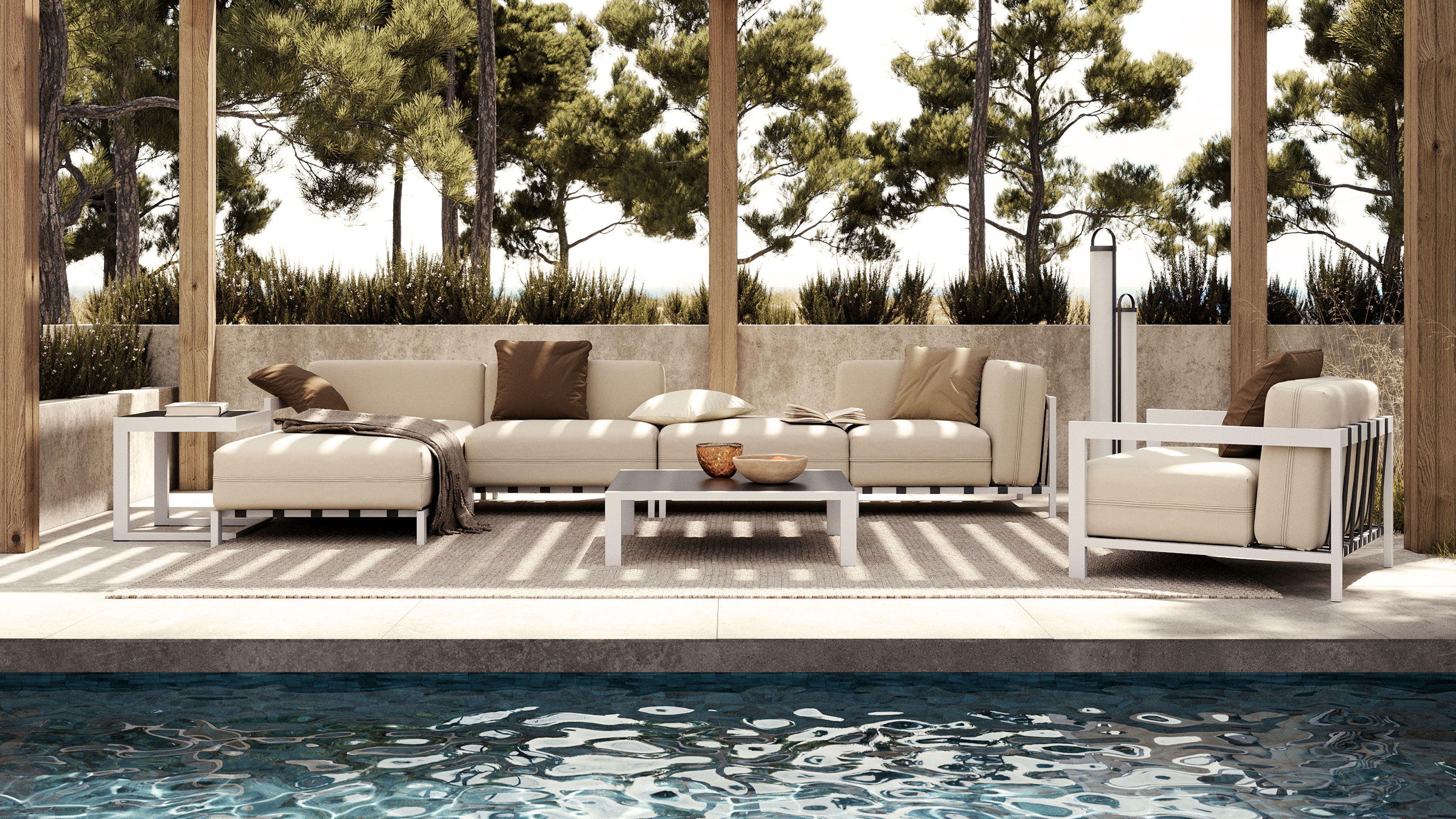
Credit: www.realhomes.com
Additional Protective Measures
Protecting outdoor furniture goes beyond waterproofing treatments. Extra steps can extend its life and keep it looking good. These additional protective measures guard against rain, sun, and dirt. Simple habits and smart accessories help furniture last longer outdoors.
Using Weather-resistant Covers
Weather-resistant covers shield furniture from rain and sun damage. Choose covers made of durable, waterproof material like polyester or vinyl. Ensure the covers fit snugly to prevent water from seeping in. Covers also protect against dust and bird droppings. Remove covers occasionally to let moisture escape and prevent mold.
Storing Cushions And Fabrics
Cushions and fabrics absorb water easily and can mildew if left outside. Store them in a dry, ventilated place when not in use. Use plastic bins or storage bags designed to keep moisture out. Clean cushions regularly before storage to avoid stains and odors. This simple step keeps your cushions fresh and prolongs their life.
Choosing Slipcovers For Extra Protection
Slipcovers add a protective layer to outdoor furniture. Pick slipcovers made from water-resistant fabrics like solution-dyed acrylic or polyester. Slipcovers protect against spills, dirt, and UV rays. They are easy to remove and wash, helping furniture stay clean. Using slipcovers helps keep your furniture in top condition year-round.
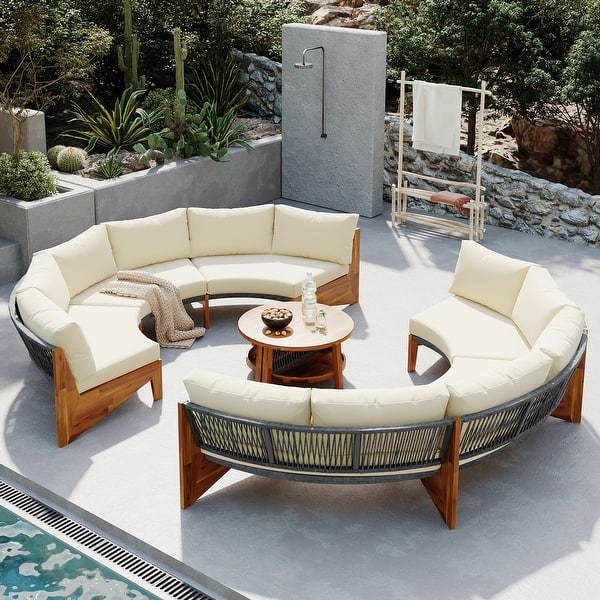
Credit: www.bedbathandbeyond.com
Frequently Asked Questions
How To Make Your Outdoor Furniture Waterproof?
Sand the furniture surface to remove old finishes and dust. Apply exterior polyurethane or spar urethane evenly. Let it dry fully between coats. For metal, remove rust, prime, and paint with exterior-grade products. For fabric, use waterproof sealants or replace with outdoor-grade fabrics.
Reapply sealant yearly.
How To Weatherproof Indoor Furniture For Outdoor Use?
Prepare furniture by cleaning and sanding surfaces. Apply exterior-grade sealants like spar urethane for wood or rust-inhibiting primer and paint for metal. For fabrics, use waterproof sealants or replace with outdoor-grade materials. Reapply coatings annually to maintain weatherproof protection.
How To Make Wood Waterproof For Outdoor Use?
Sand the wood surface to remove old finishes and dust. Apply exterior-grade polyurethane or spar urethane evenly. Let each coat dry fully. Repeat for better protection. Reapply annually to maintain waterproofing and UV resistance.
How To Weatherproof An Outdoor Wooden Table?
Sand the table surface to remove old finishes and dust. Apply exterior polyurethane or spar urethane evenly. Let it dry fully between coats. Cover all sides for full protection. Reapply sealant annually to maintain weatherproofing.
Conclusion
Waterproofing outdoor furniture keeps it safe from rain and sun. Start by cleaning and sanding surfaces well. Apply the right sealant for wood or metal carefully. Cover every part to block water and prevent damage. Let each coat dry fully before adding more.
Regular maintenance keeps your furniture looking fresh longer. A little effort now saves costly repairs later. Enjoy your outdoor space with furniture that lasts through seasons. Simple steps make a big difference in protection and style.


