
Are you ready to turn your pallet wood into beautiful outdoor furniture that lasts? If you’ve ever tried using pallet wood outside, you know how quickly moisture can damage it.
But don’t worry—waterproofing your pallet wood is easier than you think. With the right steps, you can protect your furniture from rain, sun, and wear, making sure it stays strong and looks great season after season. Keep reading, and you’ll discover simple, effective ways to waterproof your pallet wood so your outdoor space stays inviting and your DIY project stands the test of time.
Choosing The Right Pallet Wood
Choosing the right pallet wood is key to making durable outdoor furniture. The wood must resist weather and last long. Not all pallets suit outdoor use. Some carry harmful chemicals or rot quickly. Picking safe, strong wood prevents problems later. Careful checking ensures good quality wood for your project.
Identifying Safe Pallets
Start with pallets stamped with “HT.” It means heat-treated and safe to use. Avoid pallets marked “MB” for methyl bromide. This chemical harms health. Pallets without stamps might carry risks. Choose only those that show clear, safe markings. Clean pallets free of paint or odors are better.
Types Of Wood Suitable For Outdoors
Hardwoods like oak, maple, and cherry work well outdoors. They resist moisture and bugs. Softwoods such as pine or fir need extra treatment. Cedar and redwood naturally resist decay and insects. These woods last longer outside without much care. Pick wood types known for outdoor strength.
Inspecting For Damage And Contaminants
Check pallets for cracks, splits, or rot. Damaged wood weakens furniture structure. Look closely for stains or spills that may hide chemicals. Avoid pallets with mold or insect holes. Smell the wood; musty or chemical smells warn of problems. Only clean, solid pallets make good outdoor furniture.

Credit: www.etsy.com
Preparing Pallet Wood For Waterproofing
Preparing pallet wood for waterproofing is a key step to make outdoor furniture last longer. Proper preparation helps the wood absorb waterproof sealant evenly. It also prevents damage from moisture and weather.
Good preparation makes the wood smooth and clean. It also fixes any weak spots or rough edges. This process ensures the wood looks great and stays protected outside.
Cleaning And Removing Debris
Start by removing dirt, dust, and old paint from the pallet wood. Use a stiff brush or a pressure washer for deep cleaning. Make sure the wood is dry before moving to the next step. Clean wood absorbs waterproofing better.
Sanding For Smooth Surfaces
Sanding removes rough spots and splinters from the wood. Use medium-grit sandpaper to smooth the surface. Sand in the direction of the grain for best results. Smooth surfaces help sealant stick well and look neat.
Repairing Cracks And Splinters
Check the wood for cracks and splinters. Fill cracks with wood filler and let it dry completely. Sand the filled areas for a smooth finish. Remove loose splinters to avoid damage and injury. Repairing wood creates a strong base for waterproofing.
Selecting Waterproofing Materials
Selecting the right waterproofing materials is key to protecting pallet wood outdoor furniture. The correct sealant extends the life of your project. It prevents water damage, mold, and fading. Choosing the right product depends on the wood type and exposure to weather. Understanding different sealants helps you pick the best one for your needs.
Types Of Sealants And Their Benefits
Sealants come in many forms, such as varnishes, oils, and paints. Varnishes create a hard, clear layer that repels water. Oils soak into the wood, keeping it flexible and natural-looking. Paints cover the wood fully and add color but may hide the natural grain. Each type protects wood differently. The choice depends on the look and level of protection you want.
Choosing Between Oil-based And Water-based Products
Oil-based sealants soak deeply and last longer. They bring out the wood’s natural color and grain. Oil-based products can take longer to dry and have a stronger smell. Water-based sealants dry faster and have less odor. They clean up easily with soap and water. Water-based sealants may need reapplying more often. Both types protect well but suit different needs and preferences.
Eco-friendly Waterproofing Options
Eco-friendly sealants use natural ingredients and fewer chemicals. They are safer for you and the environment. Some options use plant oils, beeswax, or natural resins. These sealants protect wood while reducing pollution. Eco-friendly products often have lower odors and dry quickly. They work well for outdoor furniture that is close to children or pets. Choosing green sealants supports sustainable living.
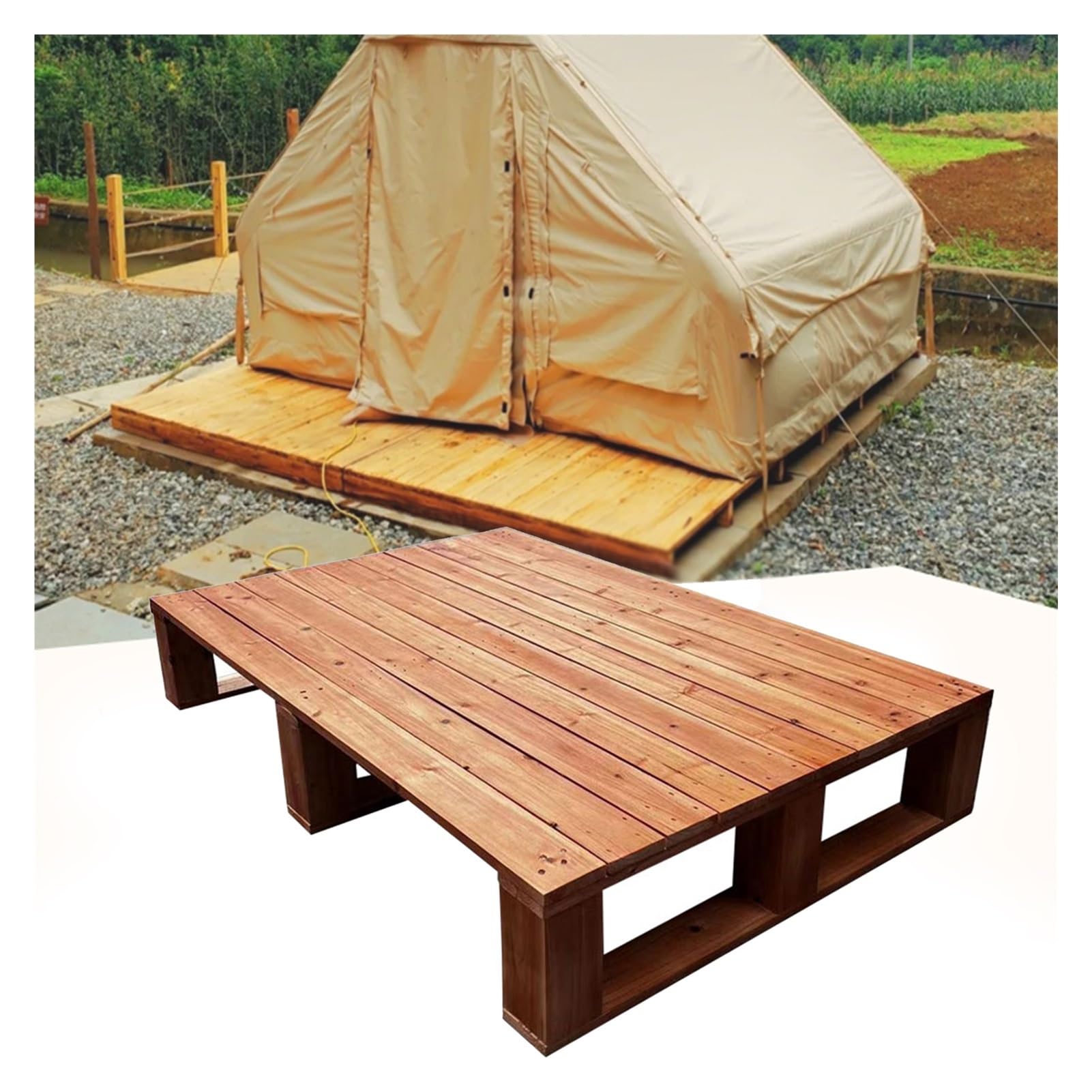
Credit: www.amazon.com
Applying Waterproofing Products
Applying waterproofing products protects pallet wood from rain, sun, and moisture. This step is key to making your outdoor furniture last longer. Proper application stops water from seeping into the wood. It also helps prevent cracks, warping, and rotting. Follow clear steps for the best results. Use the right tools and techniques to cover every part of the wood evenly.
Step-by-step Application Process
Start by cleaning the wood surface well. Remove dirt, dust, and old finishes. Use a brush or cloth to apply the waterproofing product. Work along the wood grain for better absorption. Cover all sides, including edges and corners. Apply thin layers to avoid drips and sticky spots. Let the first coat dry before adding a second one. Two or three coats usually give strong protection.
Tips For Even Coating
Use a good quality brush or foam applicator. Keep your strokes smooth and steady. Avoid overloading the brush with product. Spread the waterproofing evenly over the wood. Check for missed spots or thin areas. Wipe off any excess quickly to prevent streaks. Work in a shaded, dust-free area to avoid debris sticking. Rotate the piece to reach all angles easily.
Drying And Curing Times
Let each coat dry fully before applying the next. Drying times vary by product and weather. Usually, allow at least 4-6 hours between coats. After the last coat, let the wood cure for 24-48 hours. Avoid using or exposing the furniture to rain during this time. Proper curing ensures a tough, water-resistant finish. Check the product label for exact drying instructions.
Additional Protection Techniques
Protecting pallet wood outdoors requires more than just basic waterproofing. Extra layers of defense help wood resist weather damage longer. These additional steps improve both the wood’s look and durability. They keep moisture out and prevent fading or cracking. Here are some simple methods to add stronger protection to your pallet wood furniture.
Using Wood Stains For Color And Protection
Wood stains add color and shield wood from water and sun. They soak into the wood, sealing it from inside. Stains come in many shades to match your style. Choose a stain with waterproof features for outdoor use. Apply evenly with a brush or cloth. Let it dry fully before adding more coats. This step enhances wood’s natural beauty and strength.
Adding Varnish Or Polyurethane Layers
Varnish or polyurethane forms a hard, clear layer over the wood. This layer stops water from soaking in. It also protects against scratches and dirt. Use a brush to apply thin coats. Allow each coat to dry before adding the next. Two or three coats work best for strong protection. Glossy or matte finishes are available to suit your taste.
Installing Protective Covers
Protective covers shield furniture during heavy rain or snow. Use waterproof tarps or fitted covers made for outdoor furniture. Covers prevent direct contact with water and dirt. Remove covers on sunny days to avoid moisture buildup. This simple step prolongs the life of your pallet wood furniture. Covers are easy to use and provide excellent defense.
Maintaining Waterproofed Pallet Furniture
Maintaining waterproofed pallet furniture is key to its long life. Water protection slows damage and keeps wood strong. Regular care helps furniture stay safe from rain and dirt. It also keeps the wood looking fresh and new. Small actions can stop big problems later.
Regular Cleaning And Inspection
Clean pallet furniture often to remove dirt and dust. Use a soft brush or cloth and mild soap. Rinse with water and let it dry fully. Check for cracks, chips, or peeling sealant during cleaning. Early fixes stop water from seeping in. Keep an eye on joints and corners for weak spots.
Reapplying Sealants Over Time
Sealants wear off with sun and rain exposure. Reapply waterproof sealant every year or two. Lightly sand the surface before applying new layers. Choose a sealant made for outdoor wood. Follow product instructions for best results. This step keeps water from soaking into the wood.
Preventing Mold And Mildew
Mold and mildew grow in damp, shaded areas. Keep furniture in sunny spots or well-ventilated areas. Clean mold with a mix of water and vinegar or mild detergent. Dry the wood completely after cleaning. Use mold-resistant sealants for extra protection. Preventing mold keeps furniture safe and healthy.
Common Mistakes To Avoid
Waterproofing pallet wood is key to making outdoor furniture last longer. Many people make simple mistakes that reduce the wood’s protection. Avoiding these errors helps keep your furniture strong and beautiful.
Skipping Wood Preparation
Clean the wood before applying any waterproofing. Dirt, dust, and old paint stop the sealant from sticking well. Sand the wood smooth to remove rough spots and splinters. Without this step, water can still seep in and damage the wood.
Applying Too Few Waterproofing Layers
One coat of waterproofing is not enough. Thin layers do not cover all wood pores. Apply at least two or three coats for full protection. Let each layer dry completely before adding the next one. This builds a strong barrier against rain and moisture.
Ignoring Weather Conditions During Application
Choose a dry day to apply waterproofing. Rain or high humidity stops the finish from drying properly. Cold weather also slows down drying. The best time is warm and dry with little wind. This ensures the sealant sets well and lasts longer.
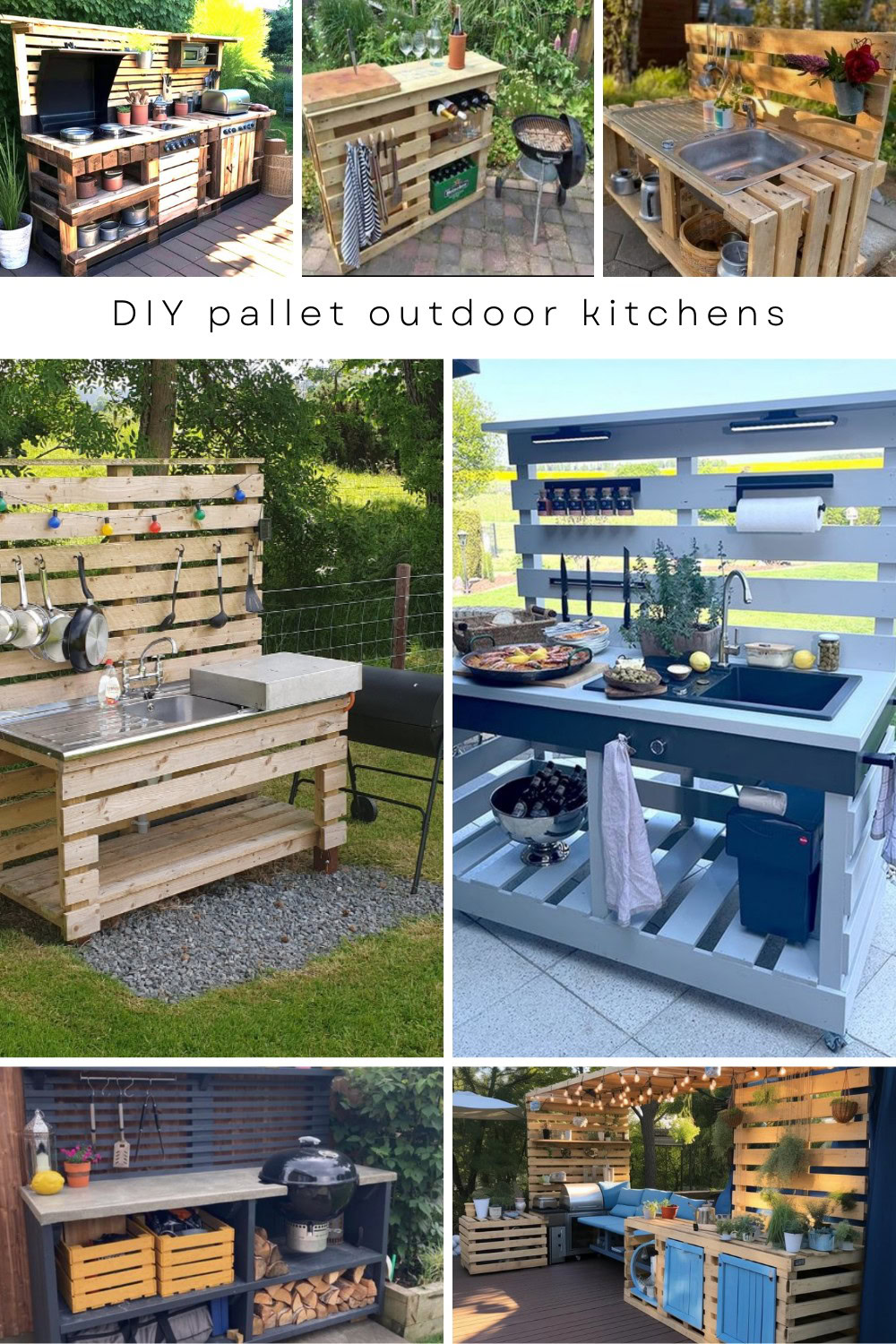
Credit: justbrightideas.com
Frequently Asked Questions
How Do You Prepare Pallet Wood For Waterproofing?
Clean the wood thoroughly by removing dirt and debris. Sand the surface to smooth rough spots. Allow the wood to dry completely before applying any waterproofing product. Proper preparation ensures better absorption and longer-lasting protection.
What Is The Best Waterproofing Method For Pallet Wood?
Using a high-quality outdoor wood sealer or marine varnish is best. These products penetrate deeply and form a protective barrier against moisture. Apply multiple coats for maximum durability. Always follow the manufacturer’s instructions for optimal results.
How Often Should Outdoor Pallet Furniture Be Re-waterproofed?
Reapply waterproofing every 1 to 2 years depending on exposure. Check for signs of wear, fading, or water absorption. Regular maintenance keeps the wood protected and extends the furniture’s lifespan significantly.
Can I Use Paint To Waterproof Pallet Wood?
Paint can provide some water resistance but is less effective than sealers. It may peel or crack outdoors over time. For better waterproofing, use a clear wood sealer or varnish designed for outdoor use.
Conclusion
Waterproofing pallet wood keeps your outdoor furniture strong. It protects wood from rain, sun, and dirt. Regular sealing stops cracks and rotting. Use easy-to-find sealants and follow simple steps. Your furniture will last many seasons. Enjoy your outdoor space without worry.
A little care goes a long way. Try it yourself and see the difference.

