
If you want your wood furniture to stay beautiful and strong outside, you need to protect it from water damage. Rain, spills, and humidity can ruin your favorite pieces quickly.
But don’t worry—waterproofing your wood furniture is easier than you think. In this guide, you’ll learn simple, effective steps to keep your furniture safe and looking great season after season. Ready to make your outdoor furniture last longer and shine brighter?
Let’s dive in!

Credit: www.reddit.com
Choosing The Right Wood
Choosing the right wood is key for making outdoor furniture last longer. Not all wood types resist water and weather well. Picking a strong, durable wood helps protect your furniture from rain, sun, and changes in temperature. This section explains the best woods for outside use and what makes wood durable.
Best Wood Types For Outdoors
Teak is popular for outdoor furniture. It has natural oils that fight water and bugs. Cedar is lightweight and smells good. It resists rot and insects without chemicals. Redwood also works well. It stays strong in wet weather. White oak is tough and blocks water well. These woods need less maintenance and last longer outside.
Wood Durability Factors
Wood durability depends on density and natural oils. Dense wood absorbs less water, so it resists swelling and cracking. Natural oils in wood act as a shield against moisture and bugs. The grain pattern matters too. Tight, straight grains keep water out better than loose, open grains. Proper drying and treatment improve strength. Choosing wood with these features helps your outdoor furniture survive harsh weather.
Credit: www.charlestoncrafted.com
Preparing Wood Surface
Preparing the wood surface is the first step to waterproof outdoor furniture. A clean, smooth surface helps the waterproofing product stick better. It also protects the wood from damage caused by water and weather. Taking time to prepare wood properly increases the lifespan of your furniture.
Cleaning And Sanding
Start by cleaning the wood to remove dirt and dust. Use a soft brush or cloth with mild soap and water. Rinse well and let the wood dry completely. Dry wood soaks up waterproofing materials better.
Next, sand the surface to smooth rough spots and remove old finishes. Use medium-grit sandpaper for best results. Sand in the direction of the wood grain. Wipe off dust with a clean cloth after sanding.
Repairing Imperfections
Inspect the wood for cracks, holes, or dents. Fill small gaps with wood filler or putty. Press the filler into cracks and smooth it out. Allow it to dry fully before sanding the patch smooth.
Fixing imperfections prevents water from seeping into the wood. It also creates a flat surface for waterproofing. Take time with repairs to ensure lasting protection.
Selecting Waterproofing Products
Selecting the right waterproofing product is key to protecting wood furniture outdoors. The product must block water while keeping the wood’s natural look. Different products suit different wood types and uses. Choose based on durability, ease of use, and finish. Understanding the options helps you make the best choice for lasting protection.
Types Of Sealants
Sealants create a barrier that stops water from soaking in. Some sealants soak deep into the wood, while others form a hard layer on top. Penetrating sealants protect from inside, keeping wood flexible. Film-forming sealants offer a stronger surface shield but may crack over time. Pick a sealant that matches the furniture’s exposure to weather.
Oil Vs. Varnish Vs. Paint
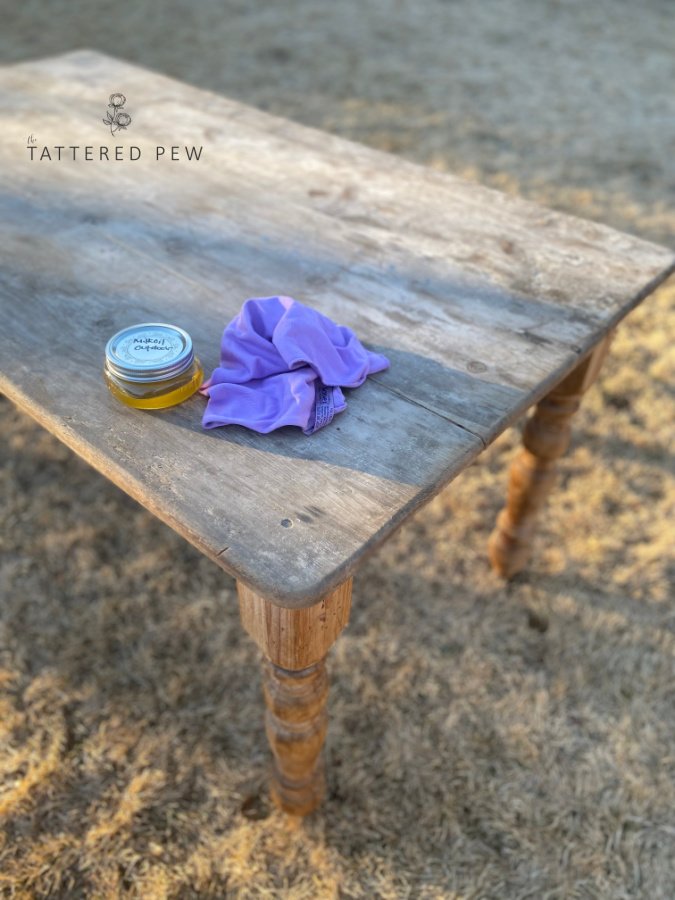
Oils soak into wood and keep it moist. They bring out the wood’s color and grain. Oils need reapplying every year or so.
Varnish forms a tough, clear coating on top. It shines and blocks water well. Varnish lasts longer but may peel if not applied right.
Paint covers the wood fully, sealing it completely. It hides the wood grain but gives strong protection. Paint may chip with time and needs touch-ups.
Applying Waterproofing Coatings
Applying waterproofing coatings is a key step in protecting wood furniture outdoors. These coatings create a barrier that stops water from soaking into the wood. This helps prevent damage like swelling, cracking, and rotting. The right application ensures the wood stays durable and looks good for years.
Choosing the proper waterproofing product is important, but applying it correctly is just as crucial. Follow simple steps to get the best protection for your outdoor wood furniture.
Step-by-step Application
Start by cleaning the wood surface. Remove dirt, dust, and old finishes with a brush or sandpaper. Let the wood dry completely.
Use a brush, roller, or spray to apply the waterproofing coating evenly. Work in the direction of the wood grain for a smooth finish. Avoid thick layers to prevent peeling.
Cover all sides and edges carefully. Pay close attention to joints and corners, as water can seep in there.
After the first coat dries, lightly sand the surface for better adhesion. Wipe away dust before the next coat.
Number Of Coats Needed
Apply at least two coats of waterproofing for solid protection. Some products may need three coats for extra durability.
Check the product label for specific recommendations. More coats usually mean better water resistance, but avoid over-applying.
Drying And Curing Times
Allow each coat to dry fully before adding the next. Drying times vary from one to several hours.
Curing time is longer and lets the coating harden completely. It can take up to 24 to 48 hours.
Keep furniture in a dry, well-ventilated area during drying and curing. This ensures the best waterproof seal.
Maintaining Waterproofed Furniture
Keeping wood furniture waterproofed outdoors needs regular care. Proper maintenance extends protection and keeps wood looking great. Follow simple steps to maintain your waterproofed furniture. These tips help prevent damage from water and weather.
Regular Cleaning Tips
Clean your furniture often to remove dirt and grime. Use a soft brush or cloth with mild soap and water. Avoid harsh chemicals that can strip the sealant. Rinse well and let the wood dry completely. Regular cleaning stops mold and mildew from growing.
Reapplying Sealants
Sealants wear out over time and need reapplication. Check your furniture every year for signs of wear. Look for dull spots or water soaking into the wood. Sand lightly before applying a new coat of sealant. Follow product instructions for the best results. Reapplying sealants keeps water from soaking in.
Protecting Against Extreme Weather
Shield your furniture from strong sun, rain, and snow. Use covers when not in use to block harsh weather. Move furniture to a sheltered spot during storms or winter. Avoid letting water pool on the surface. Proper protection reduces damage and keeps wood strong.
Common Mistakes To Avoid
Waterproofing wood furniture for outdoor use can extend its life and keep it looking great. Avoiding common mistakes helps protect your investment. Small errors can lead to damage and extra work later. Pay attention to key details for the best results.
Skipping Surface Preparation
Surface preparation is the first step. Dirt, dust, and old finishes block waterproof coatings. Sanding the wood smooth removes rough spots and opens pores. Clean the surface well to ensure proper adhesion. Without preparation, waterproof layers peel or fail quickly.
Using Incompatible Products
Choose products made for outdoor wood. Not all sealants or paints work well together. Some finishes repel waterproof coatings. Check labels and product instructions carefully. Mixing wrong products can cause cracking or discoloration. Always test a small area first.
Ignoring Maintenance
Waterproofing is not a one-time job. Sun, rain, and temperature changes wear coatings down. Inspect your furniture regularly. Clean and reapply sealant as needed. Skipping maintenance lets water seep in and damage the wood. Regular care keeps protection strong and furniture safe.
Enhancing Longevity
Protecting your wood furniture from the outdoors is just the start. Enhancing its longevity means taking extra steps to keep it strong and beautiful. Small efforts can make your furniture last for many years. This section covers smart ways to keep your wood safe and looking great.
Using Covers And Placement
Use waterproof covers to shield furniture from rain and sun. Covers block moisture and stop sun damage. Choose covers that fit tightly and allow air flow. Avoid plastic covers that trap moisture and cause mold.
Place furniture in shaded areas to reduce sun exposure. Avoid spots that collect water or stay wet for long. Elevate furniture slightly to prevent contact with wet ground. These steps help keep wood dry and prevent warping or cracking.
Seasonal Care Advice
Clean furniture before storing for winter or wet seasons. Remove dirt and dust with a soft brush or cloth. Apply a fresh coat of waterproof sealant once a year. This keeps the wood protected and strong.
Check for cracks or damage after harsh weather. Fix small problems quickly to avoid bigger issues. Store furniture indoors during extreme cold or heavy rain if possible. Proper care each season extends your wood furniture’s life.
Credit: www.mmsmilkpaint.com
Frequently Asked Questions
How Long Does Waterproofing Wood Furniture Last?
Waterproofing typically lasts 1-3 years depending on product quality and weather exposure. Regular maintenance extends protection. Reapply waterproof sealant annually for best results. Proper surface preparation also improves durability. Keep furniture clean and dry to maximize lifespan.
Can I Waterproof Painted Wood Furniture Outdoors?
Yes, you can waterproof painted wood furniture. Use a clear, water-based waterproof sealant compatible with paint. Ensure paint is fully dry before application. This protects paint and prevents moisture damage. Reapply sealant yearly for continued protection.
What Is The Best Waterproofing Method For Wood Furniture?
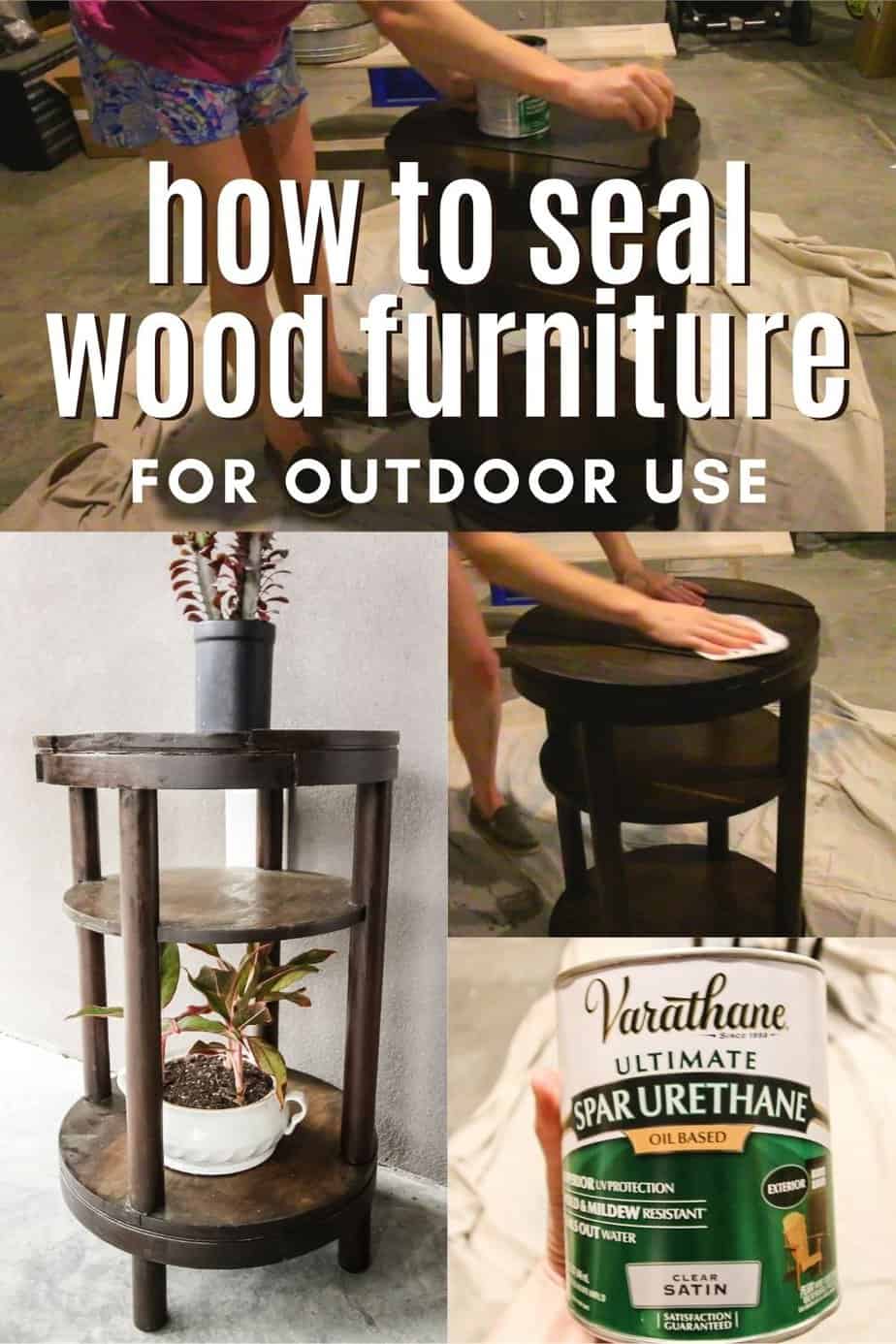
Applying a clear waterproof sealant or outdoor varnish is best. These products create a moisture barrier while preserving wood’s natural look. Polyurethane and spar varnish are popular choices. Always sand and clean wood before applying. Multiple coats improve durability.
Should I Sand Wood Before Waterproofing Outdoor Furniture?
Yes, sanding is essential before waterproofing. It removes rough spots and old finishes for better sealant adhesion. Use medium-grit sandpaper for smooth, clean surfaces. Proper sanding ensures even waterproofing and longer-lasting protection. Always clean dust before sealing.
Conclusion
Protecting wood furniture outdoors keeps it strong and beautiful. Regular care stops water damage and warping. Choose the right sealant and apply it well. Let the wood dry fully before use. Check your furniture often for signs of wear. Small repairs today save bigger problems later.
Enjoy your outdoor space with lasting, waterproof furniture. Simple steps make a big difference in durability. Keep your wood safe from rain and sun. Your efforts will extend your furniture’s life.


