Your wicker furniture adds charm and comfort to your outdoor space. But have you noticed it fading, cracking, or wearing down after just one season outside?
You don’t have to replace it every year. With the right weatherizing steps, you can keep your wicker looking fresh and strong through sun, rain, and wind. You’ll discover simple and effective ways to protect your wicker furniture so it lasts longer and stays beautiful.
Ready to save time and money while enjoying your outdoor oasis? Let’s get started.

Credit: modernwicker.com
Choosing Weather-resistant Wicker
Choosing weather-resistant wicker is key for outdoor furniture that lasts. It keeps your furniture looking good through sun, rain, and wind. Picking the right material helps avoid damage and saves money on repairs. Understanding the differences in wicker types helps you make a smart choice.
Natural Vs Synthetic Wicker
Natural wicker is made from plant fibers like rattan or bamboo. It looks beautiful and feels warm. But natural wicker is sensitive to moisture and sunlight. It can crack, fade, or grow mold if left outside. Synthetic wicker is made from plastic materials. It mimics the look of natural wicker but handles weather much better. It resists water, fading, and temperature changes. Synthetic wicker requires less care and stays strong longer outdoors.
Benefits Of Resin Wicker
Resin wicker is a popular type of synthetic wicker. It is lightweight and flexible. Resin resists water, so it won’t rot or swell. It also stands up well to UV rays and heat. This stops the color from fading or cracking. Resin wicker cleans easily with soap and water. It keeps your furniture looking fresh with little effort. Many outdoor pieces use resin wicker for these reasons.
Selecting Durable Frames
The frame supports the wicker and must be sturdy. Aluminum frames are rust-resistant and lightweight. Steel frames are strong but need a rustproof coating. Wood frames add beauty but require regular sealing. Choose frames that match your climate and care habits. A strong frame extends the life of your wicker furniture outdoors. Check for solid joints and quality finishes before buying.
Cleaning Wicker Before Weatherizing
Cleaning wicker before weatherizing is very important. Dirt and dust can damage the material over time. Proper cleaning helps protect your furniture and keeps it looking great outside. This step prepares the wicker to better absorb weatherproofing products. It also stops mold and mildew from growing under the finish.
Removing Dirt And Debris
Start by brushing off loose dirt with a soft brush. Use a vacuum with a brush attachment to reach tight spots. Remove leaves, spider webs, and other debris from all sides. A clean surface helps the weatherproof coating stick better. Avoid using hard brushes that can damage the wicker.
Using Mild Cleaners
Mix warm water with mild soap or dish detergent. Dip a soft cloth or sponge into the solution and gently clean the wicker. Focus on stained or grimy areas, but do not soak the furniture. Avoid harsh chemicals that can weaken the fibers. Rinse lightly with clean water to remove soap residue.
Drying Techniques
Let the wicker dry completely before applying any weatherproofing. Place the furniture in a shaded, well-ventilated area. Avoid direct sunlight to prevent color fading. Use a dry towel to remove excess moisture from tight spots. Proper drying stops mold growth and improves finish adhesion.
Applying Protective Coatings
Applying protective coatings helps keep wicker furniture strong and looking good outside. These coatings stop water, sun, and dirt from hurting the wicker. A good seal keeps the furniture dry and stops fading from sun rays. Coatings also make cleaning easier.
Types Of Sealants And Varnishes
Choose a sealant or varnish made for outdoor use. Clear polyurethane is a popular choice. It protects against water and sun damage. Another option is spar varnish, designed to stay flexible and resist cracking. Some sealants add a shiny finish, while others keep a natural look. Pick one that fits your style and needs.
Step-by-step Application
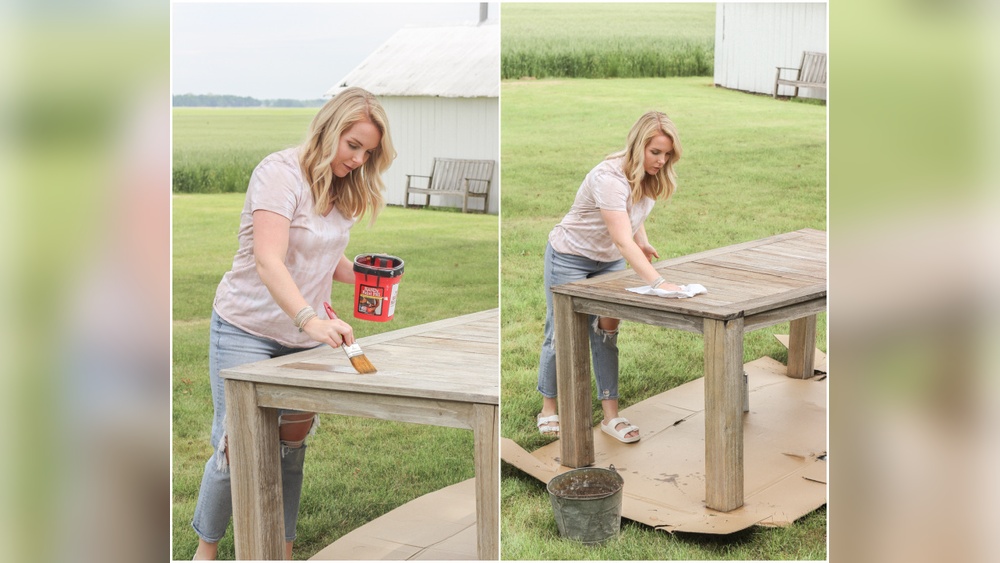
Start by cleaning the furniture with a soft brush and mild soap. Let it dry completely. Use a paintbrush or spray to apply the sealant evenly. Cover all surfaces, including hard-to-reach spots. Apply thin coats to avoid drips and bubbles. Wait for the first coat to dry fully, usually 24 hours. Apply a second coat for better protection.
Reapplying For Maintenance
Check your wicker furniture every six months. Look for signs of wear or fading. Clean the furniture before adding a new coat of sealant. Remove old peeling layers with fine sandpaper. Apply the sealant as before. Reapplying keeps the furniture protected and extends its life outdoors.

Credit: www.amazon.com
Preventing Moisture Damage
Moisture can harm wicker furniture quickly. It causes the wicker to swell, crack, or grow mold. Protecting your furniture from water keeps it strong and looking good. Simple steps can stop water damage.
Using Waterproof Covers
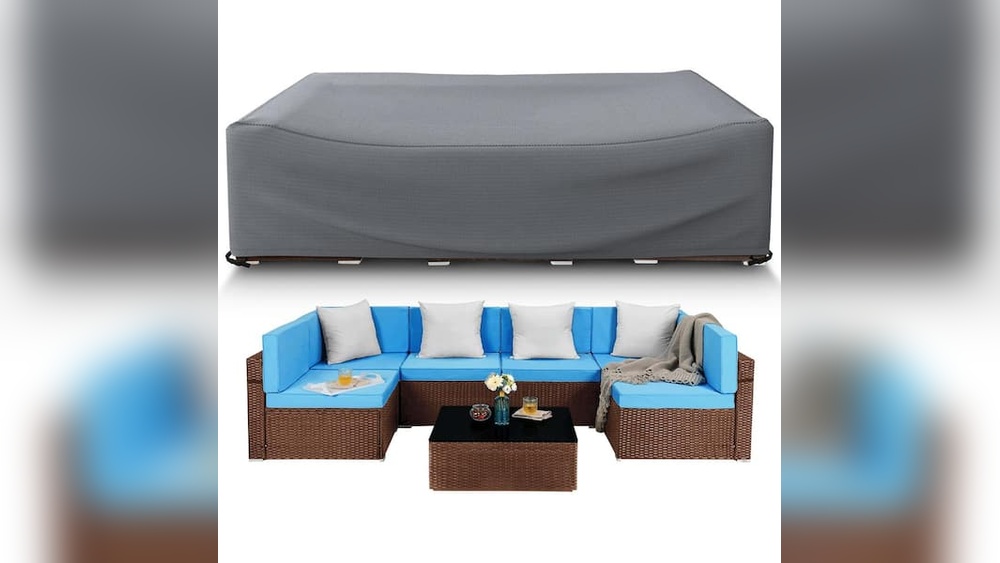
Waterproof covers block rain and dew. Choose covers that fit tightly over your furniture. Covers made from durable materials work best. Always cover your wicker after use. This stops water from soaking in.
Elevating Furniture Off Ground
Keep furniture off the wet ground. Use small blocks or outdoor furniture feet. This stops water from sitting under the legs. Elevation helps air flow around the wicker. It dries faster and stays dry longer.
Storing During Rainy Seasons
Store wicker furniture indoors during heavy rains. A dry shed or garage works well. Cover furniture with cloths that allow air flow. Avoid plastic wraps that trap moisture. Proper storage prevents long-term water damage.
Shielding From Sun Exposure
Sun exposure can quickly damage wicker furniture. The heat and UV rays break down the fibers. This causes fading, cracking, and brittleness. Shielding your furniture from the sun keeps it looking new longer. It also extends its life outdoors. Simple steps help protect your wicker effectively.
Uv-resistant Sprays
Use a UV-resistant spray to protect wicker surfaces. These sprays block harmful sun rays. They stop colors from fading and fibers from drying out. Apply the spray evenly on clean, dry furniture. Reapply every few months for best results. This method is easy and affordable.
Placing Furniture In Shaded Areas
Put wicker furniture in shaded spots around your yard. Trees, awnings, or walls can provide good shade. Avoid placing furniture under direct sunlight for long hours. Shade lowers the risk of sun damage and keeps furniture cool. It also creates a more comfortable seating area.
Using Outdoor Umbrellas
Outdoor umbrellas offer flexible sun protection. Move them as the sun changes position. They block intense sunlight and reduce heat on furniture. Choose umbrellas with UV-blocking fabric for extra defense. This option combines sun protection with style and comfort.

Credit: www.amazon.com
Repairing And Maintaining Wicker
Repairing and maintaining wicker furniture keeps it strong and beautiful for years. Outdoor use can cause wear and tear from weather and daily use. Small fixes prevent bigger damage and extend your furniture’s life. Regular care helps your wicker look fresh and sturdy.
Fixing Loose Strands
Loose strands weaken wicker and can catch on clothes. Use a small brush to clean dirt around the loose area. Apply wood glue carefully to the base of the strand. Press the strand back into place and hold it for a minute. Let the glue dry fully before using the furniture again.
Replacing Broken Weaves
Broken weaves create gaps and reduce support. Cut a piece of matching wicker or synthetic reed. Soak it in water to make it flexible. Weave the new piece into the damaged area, following the original pattern. Secure the ends with glue and trim any excess. Allow the glue to dry before use.
Routine Inspections
Check wicker furniture monthly for damage or wear. Look closely at joints and weaving for loose or broken parts. Clean dust and debris that can cause damage over time. Early detection stops small problems from growing. Regular checks keep your furniture safe and attractive.
Seasonal Storage Tips
Storing wicker furniture properly during the off-season protects it from damage. Seasonal storage helps keep your pieces strong and fresh for next year. Follow simple steps to prepare and store your wicker safely.
Cleaning Before Storage
Clean your wicker furniture gently before storing it. Use a soft brush to remove dirt and dust. Wipe with a damp cloth and mild soap. Avoid soaking the wicker to prevent damage. Let the furniture dry fully to stop mold growth.
Choosing Storage Locations
Select a dry, cool place for your wicker storage. Avoid areas with high humidity or direct sunlight. A garage, shed, or basement can work well. Make sure air can flow around the furniture. Keep it off the ground using pallets or shelves.
Preparing Furniture For Off-season
Cover your wicker with breathable fabric or furniture covers. Avoid plastic covers that trap moisture. Remove cushions and store them separately in a dry spot. Check for any damage and fix it before storage. This keeps your furniture ready for outdoor use next season.
Frequently Asked Questions
How Do I Prepare Wicker Furniture For Weatherizing?
Start by cleaning the wicker with a mild soap solution. Remove dirt and debris using a soft brush. Let it dry completely before applying any weatherproofing products.
What Materials Protect Wicker Furniture Outdoors?
Use a clear outdoor sealant or varnish made for wicker. UV-resistant sprays and waterproof covers also provide excellent protection from sun and rain.
How Often Should I Weatherize My Wicker Furniture?
Reapply protective coatings every 1-2 years. Regular maintenance ensures durability and keeps the furniture looking fresh and weather-resistant.
Can I Use Plastic Covers For Wicker Furniture?
Yes, plastic covers protect against rain and dust. Ensure covers allow airflow to prevent mold and mildew buildup on the wicker.
Conclusion
Weatherizing wicker furniture protects it from sun, rain, and wind. Clean the furniture regularly to keep dirt and mold away. Apply a good sealant to prevent water damage. Cover or store the furniture during harsh weather for extra care. Small steps now save money on repairs later.
Enjoy your outdoor space longer with well-protected wicker pieces. Simple care makes your furniture last through many seasons. Keep your outdoor area looking fresh and inviting every day.