Is your outdoor wood furniture looking tired and worn out? You don’t have to replace it just yet.
With a little effort, you can bring back its natural beauty and make it last for years to come. Imagine enjoying your favorite chair or table, looking as good as new, while saving money and time. In this guide, you’ll discover simple, effective steps to renew your outdoor wood furniture—no special skills needed.
Ready to transform your backyard? Let’s get started!
Credit: lovegrowswild.com
Assessing Furniture Condition
Assessing the condition of your outdoor wood furniture is the first step to renew it properly. This helps you understand the repairs and treatments needed. A thorough check saves time and effort later. Take your time to inspect every part carefully. This way, you avoid surprises during the restoration process.
Checking For Damage
Look closely for cracks, splits, or loose joints. Check for signs of rot or insect damage. Soft spots in the wood show decay. Scratches and dents affect the appearance but are easier to fix. Note any missing or broken parts that need replacement.
Identifying Wood Type
Different woods need different care. Teak, cedar, and pine are common outdoor woods. Teak is oily and resists water well. Cedar has a natural smell and resists insects. Pine is softer and absorbs finishes quickly. Knowing your wood type helps you choose the right products.
Evaluating Finish Wear
Check if the wood surface looks dull or faded. Peeling or flaking finishes need removal. Some furniture may have old paint or varnish. Smooth finishes mean less sanding work. Uneven color means the finish is wearing off in spots. This step guides how much sanding and refinishing you need.
Credit: acookandherbooks.com
Gathering Necessary Tools
Before renewing outdoor wood furniture, gather all necessary tools. Having the right supplies makes the work easier. It helps to get good results and saves time. Prepare everything before starting the project.
Essential Cleaning Supplies
Clean wood furniture is the first step to renewal. Use a soft brush to remove dirt and dust. Mild soap mixed with water works well for washing. Avoid harsh chemicals that can damage the wood. A sponge or cloth helps to scrub gently. Rinse with clean water and let it dry fully.
Sanding Materials
Sanding smooths the wood surface and removes old finishes. Use medium-grit sandpaper for rough patches. Fine-grit sandpaper finishes the surface softly. A sanding block or electric sander makes the job faster. Always sand along the wood grain to avoid scratches. Wear a mask to protect from dust.
Finishing Products
Choose the right finish to protect and beautify the wood. Outdoor wood sealers guard against water and sun damage. Wood stains add color and enhance grain patterns. Use a brush or cloth for even application. Let each coat dry fully before applying the next. Proper finishing extends furniture life outdoors.
Cleaning The Furniture
Cleaning outdoor wood furniture is the first step in renewing its look. Dirt and grime build up over time, dulling the wood’s natural beauty. Proper cleaning removes these layers and prepares the surface for further care. Fresh, clean wood lasts longer and looks better in any outdoor space.
Removing Dirt And Grime
Start by brushing off loose dirt with a soft broom or brush. Use a mixture of mild soap and warm water to scrub the furniture gently. Avoid harsh chemicals that can damage the wood. Rinse the soap off with clean water and let the furniture dry completely under the sun.
Dealing With Mold And Mildew
Mold and mildew appear as dark or greenish patches on wood. Mix one part white vinegar with three parts water for an effective cleaner. Apply the solution with a spray bottle or cloth and scrub the spots gently. Rinse well and dry the furniture in a sunny spot to prevent mold from returning.
Sanding Techniques
Sanding is a key step in renewing outdoor wood furniture. It removes old paint, smooths rough spots, and prepares the surface for new finishes. Proper sanding makes your furniture look fresh and helps protect it from weather damage.
Using the right sanding tools and methods keeps the wood safe and improves the final look. Let’s explore the best ways to sand your outdoor wood furniture.
Choosing The Right Sandpaper
Select sandpaper based on the wood’s condition. Coarse grit (40-60) removes old paint and rough spots fast. Medium grit (80-120) smooths the surface after coarse sanding. Fine grit (150-220) finishes the wood for painting or sealing.
Start with coarse grit for rough areas. Switch to finer grits for a smooth finish. Avoid very coarse sandpaper on soft wood to prevent damage.
Sanding Tips For Smooth Surfaces
Sand along the grain of the wood. This prevents scratches and keeps the surface even. Use light, even pressure to avoid gouges.
Use a sanding block or electric sander for better control. Check your progress often and remove dust between sanding steps. Clean surfaces help paint and sealant stick better.
Repairing Damages
Outdoor wood furniture faces many challenges. Sun, rain, and cold can cause damage. Repairing these damages helps your furniture last longer. It also keeps your furniture looking nice and fresh.
Small cracks and splits can get worse over time. Fixing them early stops more damage. Broken parts can make furniture unsafe to use. Replacing these parts restores strength and comfort.
Fixing Cracks And Splits
Start by cleaning the cracked area well. Remove dirt and loose wood pieces. Use wood glue to fill the crack. Press the edges together and wipe off extra glue. Let it dry for several hours.
After drying, sand the area smooth. Use fine-grit sandpaper for best results. This prepares the surface for paint or stain. Fill larger splits with wood filler. Apply it in layers and let each dry.
Replacing Broken Parts
Identify the broken parts carefully. Measure and note their size and shape. Buy replacement wood that matches the original. Cut the new piece to fit exactly.
Remove the damaged part gently. Use screws or nails to attach the new piece. Make sure it is secure and level. Sand edges to blend with the rest of the furniture.
Finish by applying paint or sealant. This protects the new wood from weather. Proper repair keeps your furniture strong and safe.
Applying Wood Treatments
Applying wood treatments is a key step in renewing outdoor wood furniture. It protects the wood from weather damage. It also brings out the natural beauty of the wood. Proper treatment can make your furniture last longer and look fresh.
Wood treatments include sealants, oils, and stains. Each type serves a different purpose. Choosing the right one depends on your wood and the look you want. Let’s explore how to select and apply these treatments effectively.
Selecting Sealants And Oils
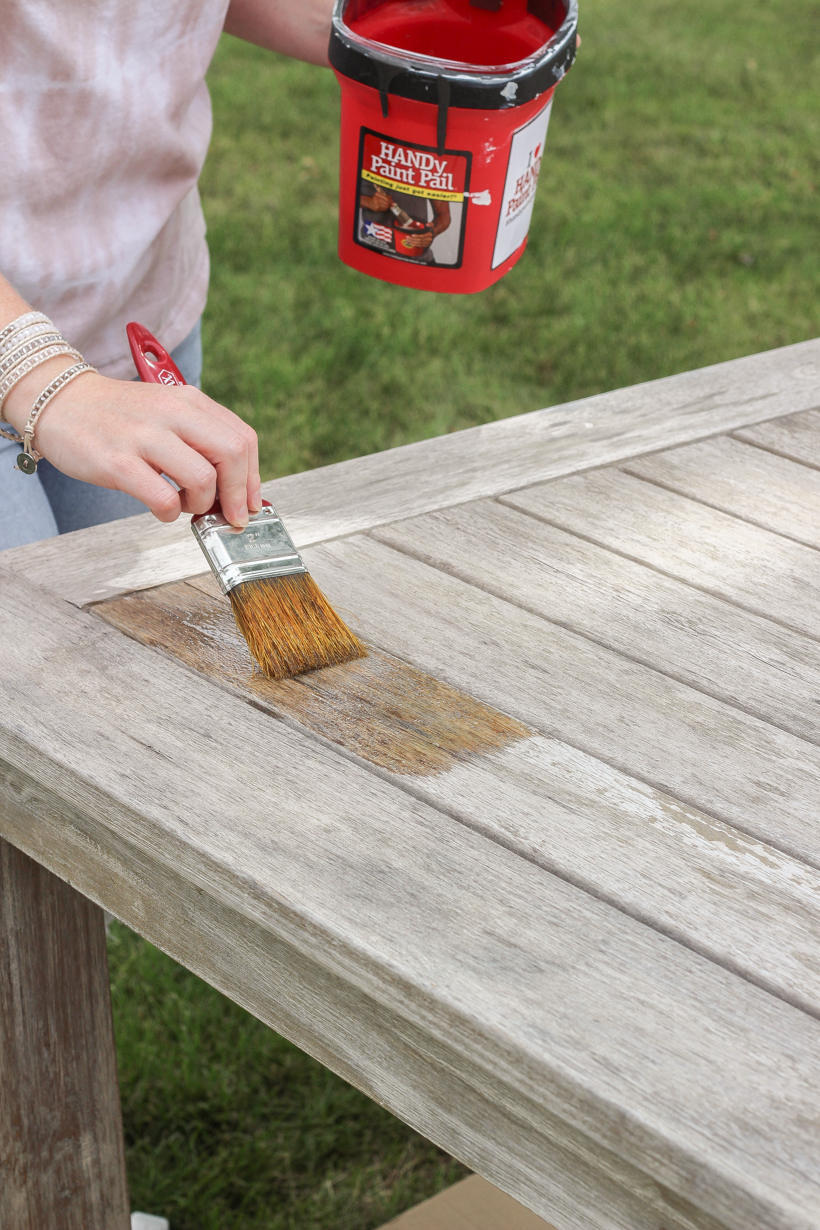
Sealants form a protective layer on the wood surface. They prevent water, dirt, and sun damage. Choose a sealant designed for outdoor use. Clear sealants keep the natural wood look.
Oils soak into the wood to nourish and protect it. They help prevent cracking and drying. Popular oils include teak oil, linseed oil, and tung oil. Apply oils with a clean cloth or brush. Let the oil soak in, then wipe off excess.
Staining For Enhanced Color
Staining changes the wood color while protecting it. It adds depth and richness to faded wood. Choose stains made for outdoor furniture. Test the stain on a small area first.
Apply stain evenly using a brush or cloth. Allow it to dry fully before using the furniture. Staining also helps hide minor scratches and stains. It refreshes the look of old wood beautifully.
Finishing Touches
The finishing touches are key to renewing outdoor wood furniture. They protect the wood and enhance its beauty. This step ensures your furniture lasts longer and looks great.
Applying Protective Coats
Choose a protective coat designed for outdoor wood. Options include varnish, sealant, or outdoor paint. Use a brush or cloth to apply evenly. Cover all surfaces, especially edges and corners. Apply two or three thin coats for best results. Let each coat dry before adding the next. Protective coats guard against water, sun, and insects.
Drying And Curing Times
Allow enough time for drying and curing. Drying means the surface feels dry to touch. Curing means the finish hardens fully inside and out. Follow product instructions for exact times. Usually, drying takes a few hours. Curing can take several days. Avoid using or moving furniture too soon. Proper curing ensures strong, lasting protection.
Maintenance Tips
Maintaining outdoor wood furniture keeps it strong and beautiful. Good care stops damage from sun, rain, and dirt. Simple steps help your furniture last many years. Follow these maintenance tips to keep your wood looking fresh and new.
Regular Cleaning Routines
Clean wood furniture often to remove dirt and dust. Use a soft brush or cloth with mild soap and water. Avoid harsh chemicals that can harm the wood surface. Rinse with clean water and dry with a towel. Regular cleaning prevents mold and stains from forming.
Seasonal Care Advice
Check your furniture before each season changes. In spring, remove old finishes and sand rough spots. Apply a fresh coat of sealant to protect from moisture. Store furniture indoors or cover it during winter months. Keep it away from direct snow and ice to avoid cracks.

Credit: www.youtube.com
Frequently Asked Questions
How Often Should I Renew Outdoor Wood Furniture?
Renew outdoor wood furniture every 1-2 years to maintain its durability and appearance. Regular renewal prevents weather damage and wood decay. This keeps the furniture looking fresh and extends its lifespan effectively.
What Materials Are Needed To Renew Wood Furniture Outdoors?
You need sandpaper, wood cleaner, wood stain or sealant, paintbrush, and a cloth. These materials help clean, smooth, and protect the wood surface, ensuring a professional finish and long-lasting protection against outdoor elements.
Can I Renew Outdoor Wood Furniture Without Sanding?
Sanding is recommended but not always necessary. Light cleaning and applying a new coat of sealant can refresh some wood finishes. However, sanding ensures better adhesion and a smoother surface for longer-lasting results.
How Do I Protect Renewed Wood Furniture From Weather Damage?
Apply a high-quality water-resistant sealant or outdoor wood finish. Regularly clean and cover furniture during harsh weather. Proper maintenance prevents moisture absorption and UV damage, preserving the wood’s appearance and strength.
Conclusion
Renewing outdoor wood furniture takes some effort but pays off well. Clean the wood, sand it lightly, and apply a fresh coat of finish. This protects the furniture and brings back its beauty. Regular care helps wood last longer and look great.
Small steps can make your outdoor space inviting again. Enjoy your refreshed furniture through many seasons to come.