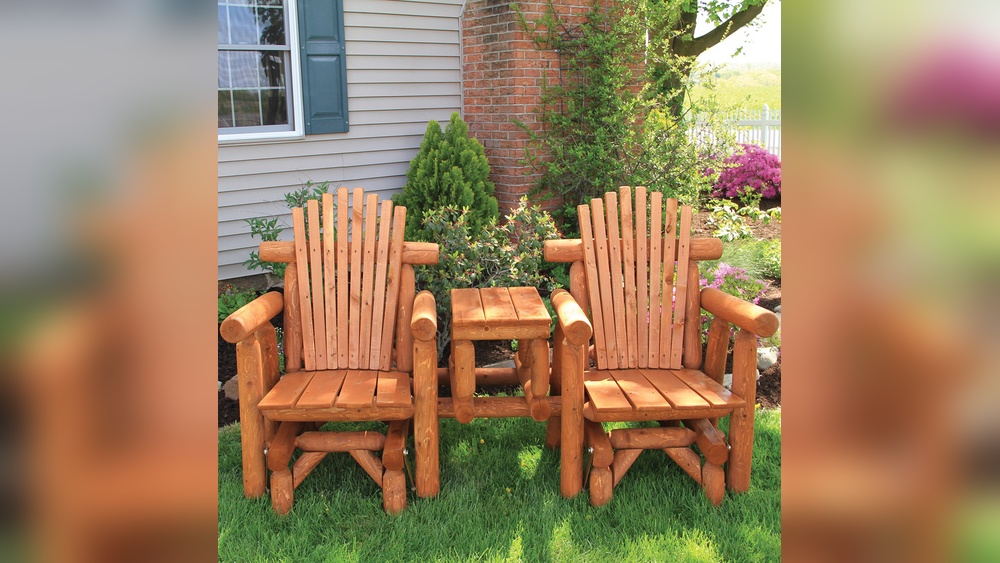
Are you looking to protect and enhance your wooden outdoor furniture? Choosing the right oil can make all the difference.
But with so many types of outdoor oils available, how do you know which one is best for your furniture? This guide will help you understand the different options so you can keep your wood looking beautiful and lasting longer.
Keep reading to discover which outdoor oil suits your needs perfectly.
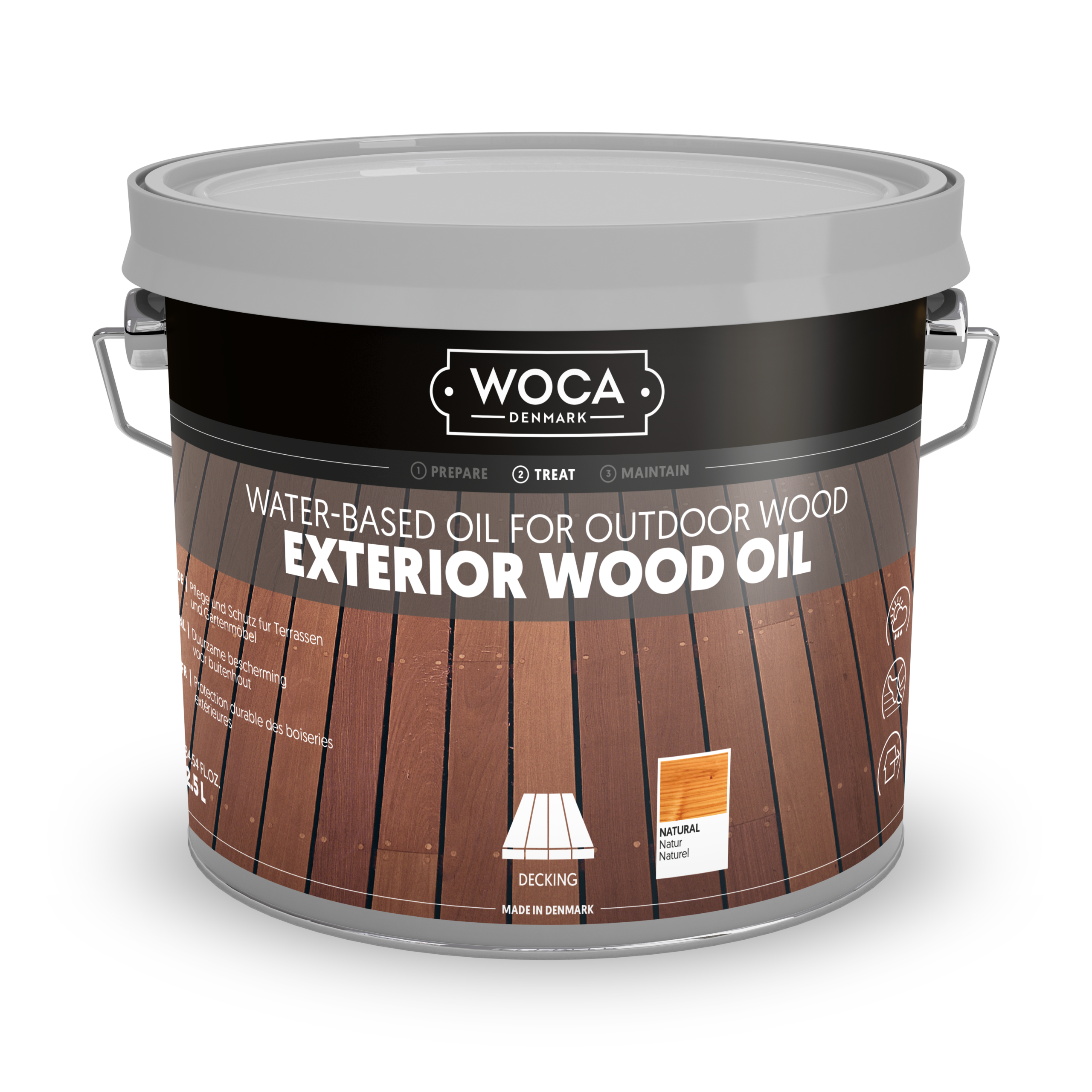
Credit: wocadenmark.com
Benefits Of Outdoor Oil
Outdoor oil is essential for wooden furniture. It helps keep the wood strong and beautiful. Applying oil protects the furniture from damage caused by sun, rain, and wind. It also brings out the natural look of the wood. Using outdoor oil regularly can make your furniture last longer and look better.
Protection Against Weather
Outdoor oil forms a shield on the wood surface. This shield stops water from soaking into the wood. Water can cause wood to swell and crack. Oil also blocks harmful UV rays from the sun. These rays can fade and dry out the wood. A good oil keeps the wood safe from these weather effects.
Enhancing Wood Grain
Applying oil deepens the color of the wood. It makes the wood grain more visible and rich. The oil brings out natural patterns and textures. This makes wooden furniture more attractive. The wood looks warm and fresh after oiling.
Extending Furniture Lifespan
Outdoor oil prevents the wood from drying out and splitting. It stops mold and mildew growth by repelling moisture. Regular oiling repairs small cracks and keeps the wood flexible. Well-maintained wood lasts many years without major damage. This saves money on repairs and replacement.
Credit: www.furnitureclinic.com
Types Of Outdoor Oil
Outdoor oils protect wooden furniture from weather and wear. They soak deep into the wood. This keeps the wood strong and stops it from drying out. Different oils work best for different types of wood and outdoor conditions. Choosing the right oil helps your furniture last longer and look great.
Linseed Oil
Linseed oil is made from flax seeds. It soaks into wood well and gives a warm finish. It helps protect wood from water damage. Raw linseed oil takes a long time to dry. Boiled linseed oil dries faster and is better for outdoor use.
Tung Oil
Tung oil comes from the tung tree seeds. It creates a hard, water-resistant surface. It is good for outdoor furniture because it resists cracking. Tung oil dries clear and does not yellow over time. It needs several coats for best protection.
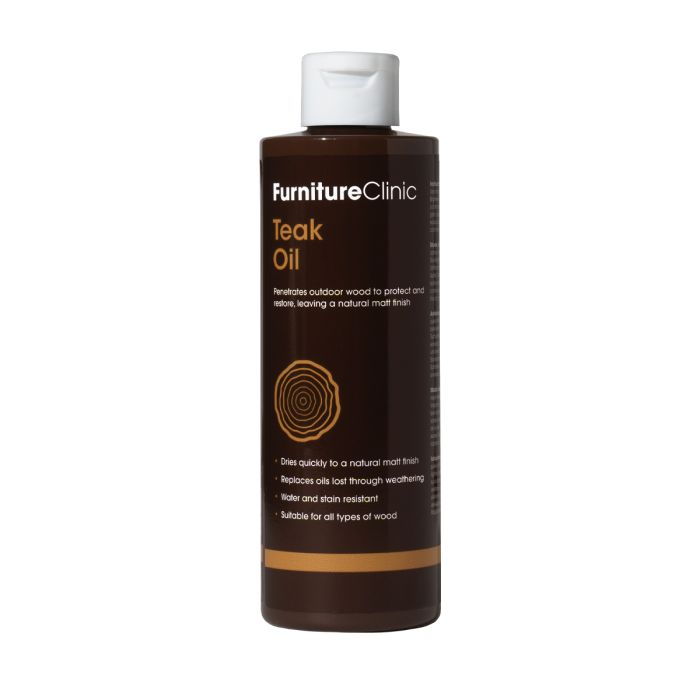
Teak Oil
Teak oil is made for dense hardwoods like teak. It penetrates deep and enhances natural wood color. It protects against moisture and sun damage. Teak oil keeps wood looking fresh and smooth. It is popular for garden furniture and decks.
Danish Oil
Danish oil is a blend of oil and varnish. It soaks into wood and forms a thin protective layer. It dries faster than pure oils. Danish oil gives wood a soft sheen. It offers good protection against water and sunlight.
Mineral Oil
Mineral oil is a clear, odorless oil. It is easy to apply and safe to use. Mineral oil does not harden or dry fully. It needs frequent reapplication to protect wood. It is often used for cutting boards but works on outdoor furniture too.
Choosing The Right Oil
Choosing the right oil for your outdoor wooden furniture is important. The right oil protects the wood and makes it last longer. Different oils work better with different woods and climates. Think about how often you want to maintain your furniture too. This helps you pick the best oil for your needs.
Wood Type Compatibility
Not all oils suit every type of wood. Some woods absorb oil quickly. Others need thicker oils for protection. Softwoods like pine need light oils. Hardwoods like teak need heavier oils. Check the wood type before buying oil. This ensures good absorption and protection.
Climate Considerations
Climate affects how wood reacts to oil. In humid areas, oils that resist moisture work best. Dry climates need oils that prevent cracking. Oils with UV protection help in sunny places. Choose oil based on your local weather. This keeps the wood safe all year.
Maintenance Frequency
Some oils last longer than others. If you want low maintenance, pick long-lasting oils. Oils that dry fast need more frequent application. Regular oiling keeps wood healthy and shiny. Decide how often you can oil your furniture. This guides your oil choice well.
Application Tips
Applying outdoor oil to wooden furniture needs care and attention. Proper application helps protect wood and keeps it looking fresh. Follow these tips for the best results.
Surface Preparation
Clean the wood surface before applying oil. Remove dirt, dust, and old finishes. Use sandpaper to smooth rough areas. Wipe away sanding dust with a dry cloth. Dry the wood completely to avoid trapping moisture.
Applying Oil Correctly
Use a clean, soft cloth or brush for oil application. Apply oil evenly in thin layers. Work along the wood grain to ensure good absorption. Avoid pouring oil directly on the surface. Let each coat soak in before adding another.
Drying And Curing Time
Allow oil to dry fully between coats. This usually takes 6 to 24 hours, depending on weather. Avoid touching or using the furniture during drying. After the last coat, let the oil cure for several days. Proper curing strengthens protection and finish.
Common Mistakes To Avoid
Applying outdoor oil to wooden furniture seems easy but many make simple mistakes. These errors reduce the wood’s protection and beauty. Avoiding them helps your furniture last longer and look better.
Over-application
Putting too much oil on wood causes sticky surfaces. The oil may not dry properly. Excess oil attracts dirt and dust quickly. It can also create uneven color spots. Apply thin, even coats for best results.
Ignoring Surface Cleaning
Oiling dirty furniture traps grime under the finish. Dirt and old finishes prevent oil from soaking in. Always clean wood with a soft brush or cloth first. Let the surface dry before applying oil.
Using Indoor Oils Outdoors
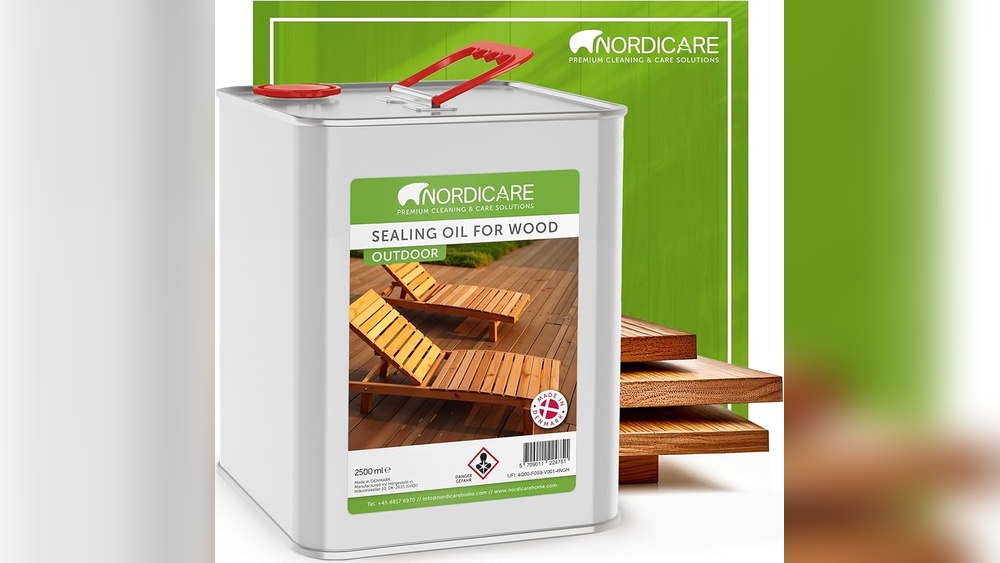
Oils made for indoor wood do not protect well outside. They lack resistance to rain, sun, and temperature changes. Outdoor oils contain special ingredients for weather protection. Use only oils labeled for outdoor use on garden furniture.
Credit: www.amazon.com
Maintenance And Reapplication
Maintaining outdoor wooden furniture is key to keeping it beautiful and strong. Regular oiling protects wood from weather damage. It also helps the wood stay smooth and rich in color. Knowing when and how to reapply oil ensures long-lasting results.
Signs It’s Time To Reapply
Look for dry or faded spots on the wood surface. If water no longer beads on the wood, it needs oil. Cracks or rough patches also show the finish is wearing off. These signs mean the wood is losing protection and needs more oil.
Cleaning Before Oiling
Always clean the furniture before applying oil. Remove dirt, dust, and old oil with a soft brush or cloth. Use mild soap and water for stubborn grime, then let it dry completely. Clean wood absorbs oil better and gives a smooth finish.
Seasonal Care Tips
Apply oil at least twice a year for best results. Early spring and late autumn work well. These seasons help protect wood from sun and cold damage. Store furniture in a dry place during winter, if possible. Cover it when not in use to keep it clean.
Frequently Asked Questions
What Types Of Outdoor Oil Are Best For Wooden Furniture?
The best outdoor oils for wooden furniture include teak oil, linseed oil, tung oil, and Danish oil. These oils protect wood from moisture, UV rays, and weather damage while enhancing natural grain and color.
How Does Teak Oil Protect Outdoor Wooden Furniture?
Teak oil penetrates deeply into the wood, providing water resistance and UV protection. It prevents cracking and fading, maintaining the wood’s natural appearance and durability in outdoor conditions.
Can Linseed Oil Be Used For Outdoor Wooden Furniture?
Yes, boiled linseed oil is suitable for outdoor furniture. It seals the wood, repels water, and prevents drying and cracking. However, it may need frequent reapplication compared to other oils.
What Is The Difference Between Tung Oil And Danish Oil?
Tung oil is 100% natural and offers excellent water and UV resistance. Danish oil is a blend of oils and varnishes, providing a durable, glossy finish with easier application. Both enhance wood’s appearance outdoors.
Conclusion
Choosing the right outdoor oil keeps wooden furniture strong and beautiful. Each oil type offers unique protection and finish. Regular oiling prevents cracking and fading from sun and rain. Natural oils soak deep, while synthetic ones add extra protection. Remember to clean furniture before applying oil.
Proper care extends your furniture’s life and charm. Try different oils to find what works best for your wood. Enjoy your outdoor space with well-maintained wooden pieces. Simple steps make a big difference in furniture care.