
Have you noticed your outdoor cat suddenly pooping on your furniture? It’s frustrating, confusing, and honestly, a bit gross.
You might be wondering why your usually well-behaved cat is acting out this way. Understanding the reasons behind this behavior can help you fix the problem quickly and keep your home clean and comfortable. You’ll discover the common causes and simple solutions to stop your cat from turning your furniture into their bathroom.
Keep reading – your peace of mind and your furniture will thank you.
Changes In Territory
Cats are very sensitive to changes in their space. Outdoor cats mark their area to feel safe. When their territory changes, they may act out. Pooping on furniture can be a sign of stress. This behavior often starts after something new happens outside. Understanding these changes can help solve the problem.
New Animals Nearby
New animals near your cat’s area can cause stress. Cats feel threatened by unfamiliar creatures. They may try to mark their territory more clearly. Pooping on furniture is one way to do this. This behavior sends a message to other animals. Your cat wants to show the space is taken. This reaction is natural but can be frustrating.
Altered Outdoor Environment
Changes like construction or new plants affect your cat’s comfort. Loud noises and unfamiliar smells create anxiety. Your cat may feel unsafe outside. They look for safe spots indoors instead. Furniture becomes a substitute for their usual outdoor area. This change often triggers unwanted bathroom habits. Helping your cat adjust is important for peace.

Credit: uyirvanihospital.com
Health Issues To Consider
Health issues often cause changes in a cat’s bathroom habits. Your outdoor cat may poop on furniture due to discomfort or pain. Understanding these health problems helps you respond with care. Watch for signs like straining, blood, or changes in appetite. Acting early can prevent bigger problems.
Digestive Problems
Digestive issues can make it hard for cats to control bowel movements. Conditions like constipation or diarrhea cause accidents outside the litter box. Your cat might avoid the usual spots due to pain. Poor digestion can also lead to urgency and confusion. A vet check can find the exact cause and suggest treatment.
Urinary Tract Infections
Urinary tract infections cause pain and discomfort in cats. This pain can make your cat avoid the litter box. Sometimes, the cat will urinate or poop on furniture instead. Look for signs like frequent attempts to use the box or blood in urine. Quick veterinary care can clear the infection and stop accidents.
Stress And Anxiety
Stress and anxiety can cause big changes in your outdoor cat’s behavior. One common sign is pooping on the furniture. Cats feel safe in their routines and spaces. When something disturbs them, they might act out. This behavior often shows that your cat feels scared or uneasy.
Loud Noises
Sudden loud noises can scare cats deeply. Thunderstorms, fireworks, or construction sounds may frighten your pet. These noises make cats feel unsafe. Your cat might start pooping on furniture as a way to cope. It is their way of marking a safe place.
Separation Anxiety
Cats can get anxious if left alone for long times. They miss their owners and feel lonely. This stress can lead to unusual behaviors like pooping indoors. Your cat uses this behavior to express distress. Spending more time with your cat can help reduce anxiety.
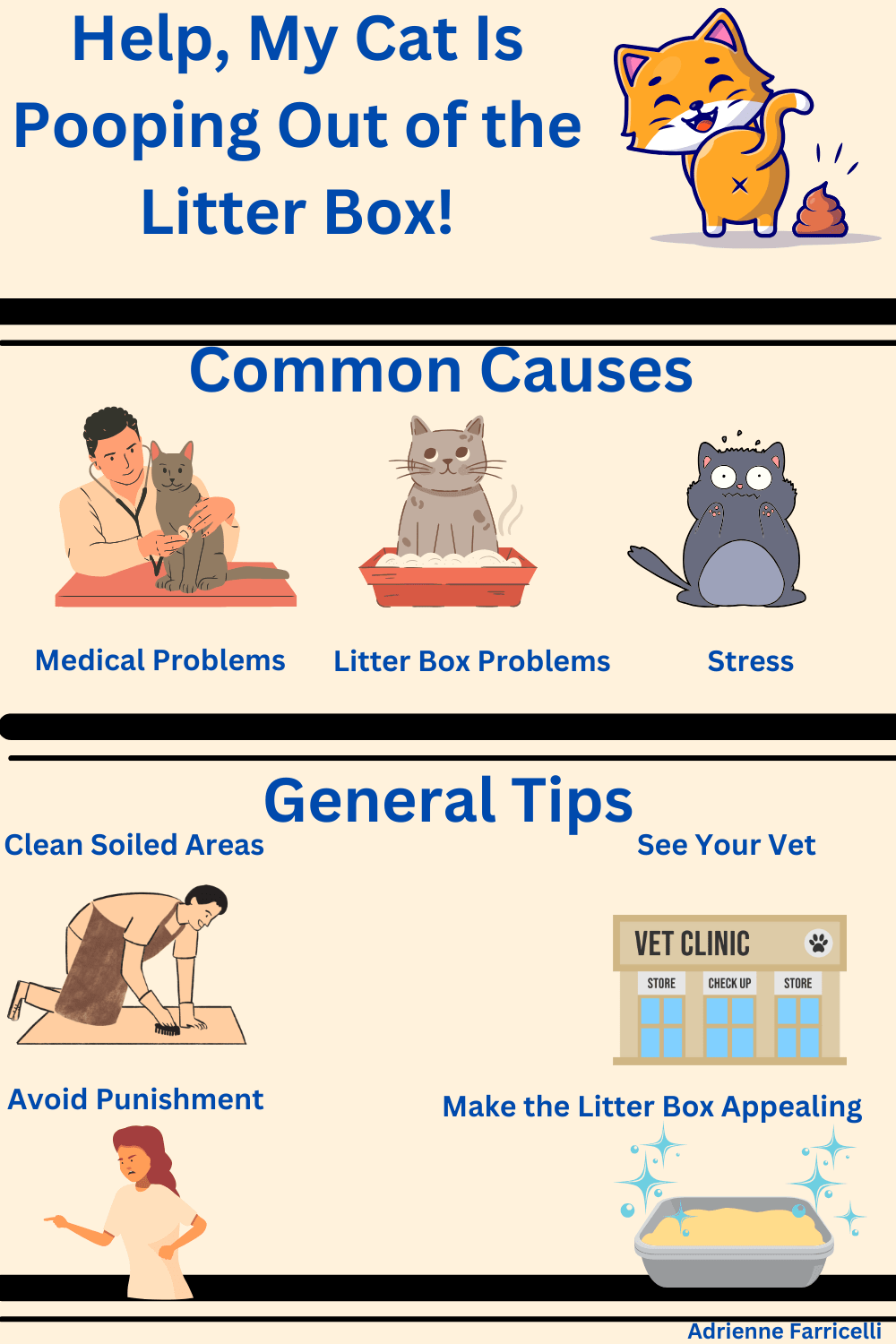
Litter Box Problems
Outdoor cats sometimes avoid their litter boxes and choose furniture instead. One main cause is litter box problems. These issues can make a cat uncomfortable or confused, leading to unwanted bathroom habits. Understanding these problems helps fix the behavior quickly.
Dirty Or Inaccessible Box
Cats dislike using a dirty litter box. They need a clean place to do their business. If the box is not cleaned often, cats find it unpleasant. Also, if the box is hard to reach, cats may avoid it. Outdoor cats may find the box blocked by objects or far from their favorite spots. Making the litter box clean and easy to reach can stop furniture accidents.
Preference For Soft Surfaces
Furniture offers soft, warm surfaces. Cats may prefer these over rough or hard litter. Some cats dislike the texture of certain litters. They choose sofas or chairs to feel more comfortable. Changing the litter type or adding soft mats near the box can help. This makes the litter area more inviting and reduces furniture pooping.
Marking Behavior
Marking behavior is a common reason why outdoor cats poop on furniture inside the home. Cats use their waste to send messages to other animals. This behavior is natural and helps them feel safe. Understanding marking behavior can help solve this problem.
Scent Marking
Cats have strong scents in their waste. When they poop, they leave a smell that other cats notice. This scent tells other cats who is around. It also shows that the area belongs to them. Outdoor cats may bring this habit indoors to mark new spaces.
Territorial Claims Indoors
Furniture can become a new territory for your cat. Pooping there sends a clear signal to other pets. Your cat is saying, “This spot is mine.” Stress or changes in the home can increase this behavior. The cat feels the need to protect its space inside.
Credit: uyirvanihospital.com
Solutions To Try
Finding your outdoor cat pooping on the furniture can be frustrating. Several solutions can help stop this behavior. Try these steps to protect your home and care for your cat.
Cleaning And Deterring
Clean the soiled furniture well. Use an enzyme cleaner to remove smells. Cats return to spots with strong odors. Avoid ammonia-based cleaners as they can attract cats.
Place deterrents on the furniture. Use double-sided tape or aluminum foil. Cats dislike the texture and avoid those areas. Try a pet-safe spray deterrent too. It helps keep cats off furniture.
Veterinary Checkup
Visit the vet to check your cat’s health. Medical problems can cause changes in toileting habits. Issues like urinary tract infections or digestive problems are common causes.
The vet can also check for stress or anxiety. These may make your cat avoid the litter box. Treating health issues can stop unwanted pooping.
Creating A Safe Outdoor Space
Make a safe and clean outdoor area for your cat. Provide a designated spot with soft soil or litter. Cats prefer private, quiet places to go.
Fence the area to keep other animals out. Offer shelter from bad weather. A safe space helps your cat feel secure and relaxed.

Credit: www.amazon.com
Frequently Asked Questions
Why Is My Outdoor Cat Pooping On Furniture Indoors?
Outdoor cats may feel stressed or territorial, causing them to poop on furniture. Medical issues or dirty litter boxes can also contribute. Check your cat’s health, clean the litter box regularly, and provide a calm environment to reduce this behavior.
Can Stress Cause Outdoor Cats To Poop On Furniture?
Yes, stress from new pets, changes, or outdoor dangers can lead cats to poop on furniture. Cats use elimination to mark territory or express discomfort. Identifying and reducing stressors can help stop this behavior.
How To Stop My Outdoor Cat From Pooping On Furniture?
Clean soiled areas with enzyme cleaners to remove smells. Provide a clean litter box and reduce stress. Create a comfortable space indoors and use deterrents to keep cats off furniture.
Is My Cat’s Health Affecting Its Furniture Pooping?
Health issues like urinary infections or digestive problems can cause inappropriate pooping. If your cat suddenly changes behavior, consult a vet to rule out medical causes before addressing behavioral solutions.
Conclusion
Outdoor cats may change their habits for many reasons. Stress, illness, or changes in their environment can cause this behavior. Cleaning the furniture well helps stop smells that attract cats. Providing a clean litter box outside encourages good habits. Watching your cat closely can reveal what causes the problem.
Patience and gentle care go a long way. Small changes can bring big improvements. Your cat will feel safe and comfortable again. Understanding their needs helps keep your home clean and peaceful.


