When winter arrives, your outdoor wicker furniture faces harsh weather that can cause damage. If you want to keep your favorite pieces looking great year after year, it’s important to prepare them properly for the cold months ahead.
In this guide, you’ll discover simple, effective steps to protect your wicker furniture from snow, moisture, and freezing temperatures. By following these tips, you’ll save time, money, and frustration when spring comes around. Ready to learn how to winterize your outdoor wicker furniture the right way?
Let’s get started!
:strip_icc()/outdoor-sofa-coffee-table-93UGi6zz4bT8OHF5yZ5-MP-6c51040cf7ed4480a5704c571073ef4e.jpg)
Credit: www.bhg.com
Preparing Wicker Furniture
Preparing your outdoor wicker furniture for winter protects it from cold and moisture. Proper preparation extends the life of your furniture. It also keeps the wicker looking fresh and strong for the next season.
Cleaning Techniques
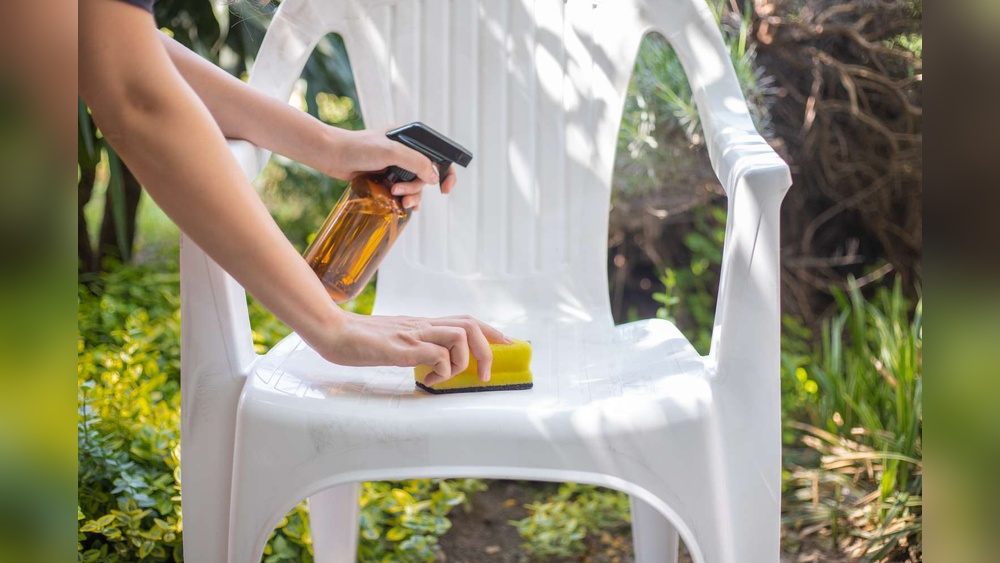
Start by removing loose dirt with a soft brush or vacuum. Use a mild soap mixed with water to clean the wicker gently. Avoid harsh chemicals that can damage the fibers. A soft cloth or sponge works well to wipe down the furniture. Pay special attention to crevices where dirt can hide. Rinse with clean water to remove soap residue.
Drying Methods
Dry wicker furniture thoroughly before storing it for winter. Use a dry towel to soak up excess water. Leave the furniture in a sunny, well-ventilated spot to air dry completely. Avoid placing wicker in damp or shaded areas. Moisture left on the furniture can cause mold and weaken the fibers.

Credit: www.hogandesignandconstruction.com
Protective Treatments
Protective treatments help keep your outdoor wicker furniture safe during winter. These treatments stop water, dirt, and cold from damaging the material. They also extend the life of your furniture. Taking time to apply these treatments can save money on repairs or replacements later.
Applying Sealants
Sealants create a strong barrier on wicker surfaces. They prevent moisture from soaking in and causing rot. Use a water-based sealant made for outdoor wicker. Apply it with a clean brush, covering all areas evenly.
Let the sealant dry fully before moving the furniture. Two coats give the best protection. Sealants also help keep colors bright and reduce fading from sun exposure.
Using Furniture Covers
Furniture covers shield wicker from rain, snow, and dust. Choose covers made of breathable fabric to avoid trapping moisture. Covers keep cold air and dirt away from the furniture.
Secure covers tightly to prevent wind from blowing them off. Remove covers during dry days to let air circulate. This simple step protects your wicker and keeps it looking new.
Storage Solutions
Proper storage is key to protect outdoor wicker furniture during winter. Choosing the right storage method keeps furniture safe from moisture and cold. It also helps maintain the look and strength of the wicker. Careful storage reduces the risk of damage and extends the furniture’s life.
There are different ways to store wicker furniture. Each option depends on space and weather conditions. Below are useful tips for indoor and outdoor storage choices.
Indoor Storage Options
Storing wicker furniture indoors offers the best protection. A dry, temperature-controlled space stops moisture and mold. Garages, basements, or spare rooms work well if they stay dry.
Before moving furniture inside, clean it thoroughly. Remove dirt and dust to prevent stains and damage. Cover the furniture with breathable cloth or old sheets to block dust but allow air flow.
Stack pieces carefully to avoid bending or breaking. Use soft padding between items for extra safety. Avoid heavy items on top of delicate wicker surfaces.
Outdoor Storage Tips
If indoor space is limited, outdoor storage can work. Use waterproof furniture covers designed for wicker. These covers shield against rain, snow, and dirt.
Place furniture on raised platforms or pallets. This keeps it off cold, wet ground and helps air circulate. Avoid storing furniture directly on grass or soil.
Secure covers tightly to prevent wind from blowing them away. Check covers periodically for tears or water buildup. Remove snow gently from furniture to avoid pressure damage.
Credit: www.skh.com
Maintenance During Winter
Winter can be harsh on outdoor wicker furniture. Proper care during this season keeps your furniture safe and lasting longer. Maintenance helps prevent damage from cold, moisture, and snow. It also keeps the furniture looking nice and ready for spring use.
Regular Inspections
Check your wicker furniture often during winter. Look for cracks, broken weaves, or loose parts. Early detection stops small problems from growing. Pay close attention to joints and corners. These areas get weak from cold and moisture. Fix any damage quickly to avoid big repairs later.
Handling Snow And Moisture
Snow and moisture can ruin wicker if left too long. Remove snow gently using a soft brush. Do not use sharp tools that can scratch or break the wicker. Wipe off any water with a dry cloth. Keep furniture covered with waterproof covers. Make sure covers fit well and allow air to flow. This prevents mold and mildew growth during damp weather.
Preparing For Spring
Preparing your outdoor wicker furniture for spring is a key step after winter storage. This helps restore its look and ensures it lasts longer. Start by removing dust and dirt that settled during the cold months. Check every piece carefully for any signs of damage. Early fixes prevent bigger problems later. Taking these actions will bring your furniture back to life and ready for outdoor use.
Cleaning After Storage
Begin by wiping the furniture with a soft cloth. Use a mild soap mixed with warm water. Gently scrub the wicker to remove dirt and mildew. Avoid harsh chemicals that can damage the fibers. Rinse with clean water and let the furniture dry completely. This cleaning refreshes the look and prevents mold growth.
Checking For Damage
Inspect the wicker closely for cracks or broken strands. Look at joints and corners where damage often occurs. Tighten loose screws or bolts to stabilize the furniture. Replace or repair any damaged parts promptly. Doing this keeps the furniture safe and comfortable to use all season.
Frequently Asked Questions
How Do I Clean Wicker Furniture Before Winterizing?
Remove dust with a soft brush or vacuum. Use mild soap and water to gently clean the wicker. Rinse and dry completely to prevent mold and mildew growth during winter.
What Materials Protect Wicker Furniture In Winter?
Use breathable furniture covers or tarp to shield from moisture. Avoid plastic covers that trap condensation. Adding cushions indoors helps prevent damage from cold and damp conditions.
Should Wicker Furniture Be Stored Indoors For Winter?
Yes, storing indoors extends furniture life. Keep it in a dry, cool place away from direct sunlight and moisture. This prevents cracking and fading caused by harsh winter weather.
Can I Use Spray Sealant On Wicker Furniture?
Yes, applying a water-repellent spray protects wicker from moisture. Use a sealant designed for outdoor furniture. Reapply annually for best protection against winter elements.
Conclusion
Protecting your outdoor wicker furniture keeps it strong through winter. Clean it well before storing. Cover or move furniture to a dry, sheltered spot. Avoid moisture and cold damage by proper care. Regular winterizing extends your furniture’s life. Enjoy your cozy outdoor space longer.
Simple steps make a big difference. Start early to avoid last-minute problems. Your wicker furniture will thank you next season.