Are you thinking about adding a bunk bed to your room but unsure if it will fit comfortably? Knowing how wide a typical bunk bed is can save you from costly mistakes and help you plan your space perfectly.
Whether you’re setting up a kids’ room, a guest area, or a cozy corner for yourself, getting the dimensions right is key. Keep reading to discover the exact width of most bunk beds and learn tips to choose the perfect size for your space.
This way, you’ll make a smart decision that keeps your room spacious and stylish.
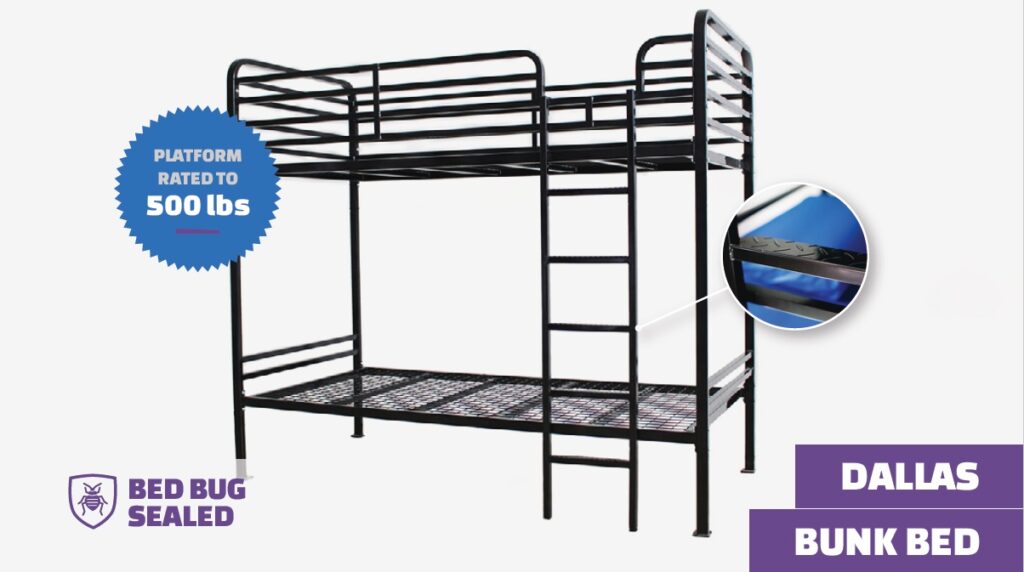
Credit: heavydutybunkbeds.com
Standard Bunk Bed Widths
Bunk beds save space and add fun to any room. Knowing their standard widths helps you pick the right one. Width affects comfort and room fit. Most bunk beds fall into common size categories. These sizes work well for most people and rooms.
Twin Size Dimensions
Twin size bunk beds are the most common. They usually measure about 39 inches wide. This width fits one person comfortably. Twin bunk beds suit kids’ rooms or small spaces. They offer enough room for sleeping without taking too much space.
Full Size Options
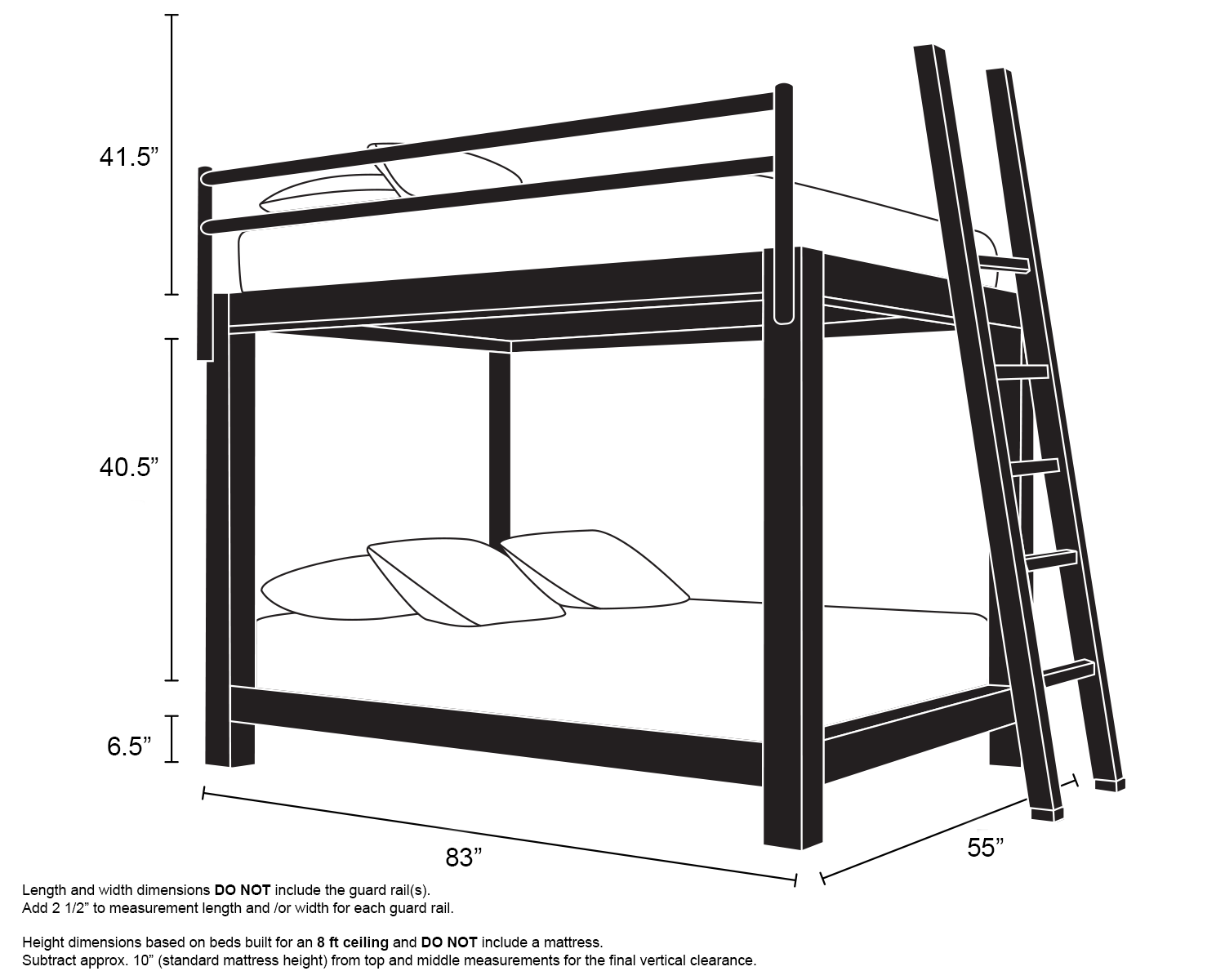
Full size bunk beds are wider than twins. They measure about 54 inches wide. This size fits one adult or two kids. Full bunk beds give more sleeping space. They work well for bigger rooms and older children.
Variations In Width By Design
Bunk bed width can change based on design. Some models add storage or desks under the beds. These features can make the bed wider. Loft beds may also have different widths. Always check the exact width before buying. This ensures the bed fits your room perfectly.
Factors Influencing Bunk Bed Width
Bunk bed width depends on several important factors. These factors affect comfort, safety, and space use. Understanding them helps choose the right bunk bed size. Each part of the bunk bed adds to its total width.
Mattress Thickness And Fit
The mattress size directly affects bunk bed width. Thicker mattresses may need wider frames. Mattresses must fit snugly to avoid gaps. Too small mattresses cause discomfort and safety risks. Standard twin mattresses are common, but some beds fit full or XL sizes.
Frame Material And Structure
Metal and wood frames differ in width. Metal frames can be thinner but strong. Wood frames often require more space for joints. The frame style also matters. Some frames have decorative sides, adding width. Simple designs keep the bed narrower.
Safety Rails And Guard Sizes
Safety rails add extra width to the bed. Rails prevent falls but take up space. Larger guard rails are common for top bunks. Rail height and thickness vary by model. Proper guard size ensures safety without wasting space.
Space Planning For Bunk Beds
Space planning is key when adding a bunk bed to any room. It helps use space well and keeps the room safe and comfortable. Understanding the size of a typical bunk bed helps in making smart choices. This section guides you through important space planning tips for bunk beds.
Room Size Considerations
Measure the room before placing a bunk bed. Know the bed’s width, usually between 39 to 42 inches. Think about other furniture and walking space. Leave enough room so the bed does not crowd the area. Small rooms need beds that fit well without blocking doors or windows.
Clearance And Access Needs
Clearance means the space around the bunk bed. Ensure enough headroom for the top bunk, typically 33 to 36 inches. Check space for ladders and guardrails. Enough room for climbing up and down is important. Also, keep some space around the bed for safety and ease of movement.
Optimal Placement Tips
Place the bunk bed against a wall to save space. Avoid blocking windows or vents. Keep the bed far from ceiling fans or light fixtures. Put the ladder in a spot that is easy to reach. Consider the room’s natural light and air flow when choosing the bed’s location.

Credit: www.laborkreis.de
Specialty Bunk Bed Widths
Specialty bunk bed widths offer more choices beyond the typical sizes. These beds fit unique spaces and needs. Whether tight corners or spacious rooms, there is a bunk bed width to match. Understanding these options helps pick the right fit.
Compact And Narrow Models
Compact bunk beds are perfect for small rooms. They usually measure less than 30 inches wide. These beds save floor space and fit narrow areas well. Ideal for kids’ rooms or apartments with limited space. Despite their size, they remain sturdy and safe.
Wide And Extra-wide Bunks
Wide bunk beds give extra sleeping room. These beds often start at 40 inches wide or more. They provide more comfort for older kids or adults. Extra-wide options can be up to 60 inches. Great for shared rooms or guest spaces needing bigger beds.
Custom Size Solutions
Custom bunk beds adjust to specific space needs. Builders create beds based on exact room measurements. This option suits unusual layouts or special requirements. Custom widths help maximize room use without waste. Perfect for unique homes or tailored designs.
Choosing The Right Width
Choosing the right width for a bunk bed is important. The width affects comfort, safety, and how well the bed fits in the room. Different users need different widths. Think about who will use the bed and how the room is set up. This helps pick the best size for your needs.
Age And User Needs
Young children often need narrower beds. It keeps the bed cozy and safe. Teens or adults need wider beds for more comfort. Consider the height and weight of the user. A wider bunk bed gives more space to move. Think about future users too. Kids grow fast and may need a bigger bed soon.
Intended Room Usage
Measure the room before choosing the bed width. Small rooms may only fit narrower beds. Wider beds work best in large rooms. Think about other furniture in the room. Leave enough space to walk around the bed. Consider if the bunk bed will be used often or just sometimes. This affects the best width choice.
Balancing Comfort And Space
Comfort is key, but space matters too. A wide bunk bed feels nice but takes more room. A narrow bed saves space but can feel tight. Choose a width that fits the room and the user well. Balance comfort with how much free space remains. This makes the room both useful and cozy.
Measuring For A New Bunk Bed
Measuring for a new bunk bed is an important first step. Knowing the correct width helps you pick the right size. It also ensures the bed fits well in your room. Taking accurate measurements saves time and avoids mistakes.
Tools And Techniques
Use a tape measure for the best results. Measure the wall space where the bunk bed will go. Write down both length and width. Measure twice to be sure. A level helps check if the floor is even. This keeps the bed stable and safe.
Common Measurement Mistakes
Not measuring the room carefully is a common error. Forgetting to include space for ladders or rails can cause problems. Skipping the height measurement may lead to low clearance. Not checking doorways or ceiling height limits the bed size. Always double-check your numbers before buying.
Verifying Mattress Compatibility
Check the mattress size that fits the bunk bed frame. Most beds fit twin or full mattresses. Make sure the mattress thickness matches the bed’s guardrails. A mattress that is too thick can be unsafe. Buy mattresses that follow standard dimensions for bunk beds.
Credit: adultbunkbeds.com
Frequently Asked Questions
How Wide Is A Standard Bunk Bed?
A standard bunk bed is typically 39 inches wide. This width fits a twin mattress perfectly. It provides enough space for a child or adult to sleep comfortably.
Are There Wider Bunk Beds Available?
Yes, wider bunk beds exist, such as full-size or double bunk beds. These can be around 54 inches wide. They offer more sleeping space but require more room.
How Much Space Is Needed Around A Bunk Bed?
You should allow at least 2 feet of clearance on each side. This space ensures easy access and safety. It also helps with room ventilation.
Do Bunk Bed Widths Vary By Country?
Yes, bunk bed sizes can vary internationally. For example, European bunk beds may be slightly wider. Always check local mattress sizes before purchasing.
Conclusion
A typical bunk bed width ranges from 39 to 42 inches. This size fits most mattresses and rooms well. Knowing the width helps you plan space better. It also ensures comfort and safety for users. Choose the size that suits your needs best.
Small rooms can still fit bunk beds easily. Keep these measurements in mind when shopping. Simple and clear measurements make decisions easier. Bunk beds provide smart use of space anywhere.