Are you thinking about adding a bunk bed to your room but unsure if it will fit comfortably? Knowing the typical width of a bunk bed can save you from costly mistakes and space headaches.
Whether you’re planning for kids’ rooms, guest spaces, or even a cozy dorm setup, understanding the size details helps you make the best choice. Keep reading to discover exactly how wide a typical bunk bed is and what you need to know before making your decision.
This simple info can transform your space planning and bring you peace of mind.
Standard Bunk Bed Widths
Bunk beds save space and add fun to bedrooms. Knowing their standard widths helps choose the right fit. Width affects comfort and room layout. Here is a clear guide on typical bunk bed widths.
Twin Size Dimensions
Twin bunk beds are the most common. Their width usually measures 39 inches. This size fits most children’s rooms well. It offers enough space for one person. Twin bunks are ideal for small rooms.
Full Size Dimensions
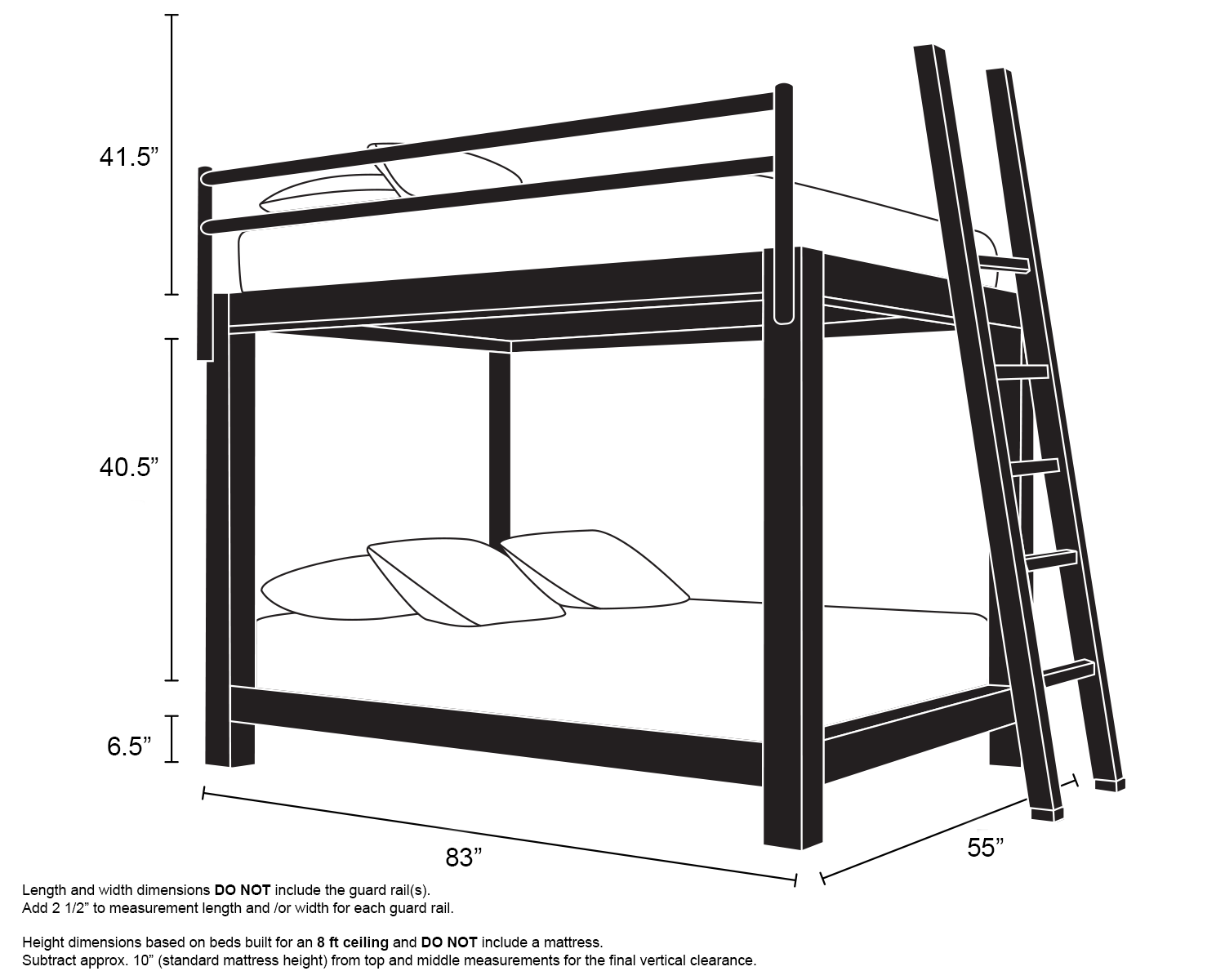
Full bunk beds are wider than twin size. The width is about 54 inches. This size suits older children or adults. Full bunks provide more sleeping space. They need a larger room to fit comfortably.
Queen Size Options
Queen size bunk beds are less common. They measure around 60 inches wide. These beds offer extra room for sleeping. Perfect for shared adult bedrooms. Queen bunks require spacious rooms and strong frames.
Credit: adultbunkbeds.com
Factors Influencing Bunk Bed Width
Bunk bed width varies due to several key factors. These influence how wide the bed frame will be and how comfortable it feels. Understanding these factors helps in choosing the right bunk bed for your space and needs.
Frame Material And Design
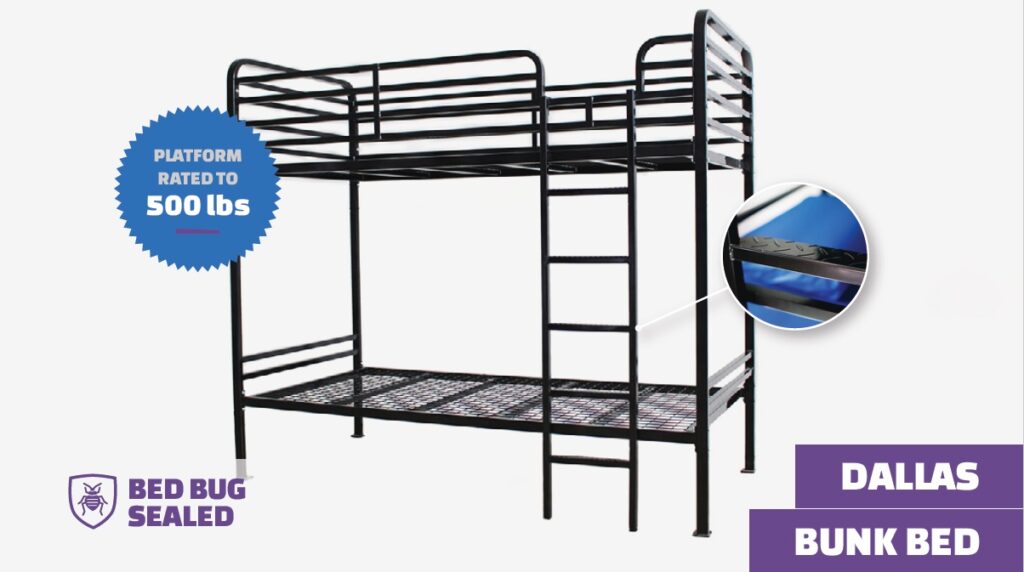
Different materials affect bunk bed width. Metal frames often use thinner parts, making beds narrower. Wood frames are usually thicker, adding width. The design style also plays a role. Simple designs keep beds narrow. More complex styles with extra details can increase width.
Safety Regulations
Safety rules set limits on bunk bed size. Rails and guardrails must be wide enough to protect sleepers. These safety parts add to the total bed width. Manufacturers follow strict guidelines to keep beds safe. This can make some bunk beds wider than others.
Additional Features Impact
Extra features affect bunk bed width too. Built-in drawers or shelves add space on the sides. Ladders attached to the bed frame increase overall width. Some beds have desks or trundle beds underneath. These features make the bed wider to fit all parts.
Comparing Bunk Bed Widths To Regular Beds
Bunk beds and regular beds differ in size, especially in width. Understanding these differences helps in choosing the right bed for your space and needs. Bunk beds are designed to save space, so they tend to be narrower than many regular beds.
Space Efficiency
Bunk beds usually have a width of about 38 to 42 inches. This size is close to a twin bed. Regular beds, like full or queen sizes, often measure 54 to 60 inches wide or more. The smaller width of bunk beds makes them ideal for tight rooms. They fit well where space is limited. This compact size allows two beds to stack vertically without taking much floor space. Families with small bedrooms or shared rooms often prefer bunk beds for this reason.
Comfort Considerations
Width affects comfort levels. Narrow bunk beds may feel tight for some sleepers. Regular beds offer more room to move around. Wider beds allow better sleep quality, especially for adults. Kids usually find bunk beds comfortable enough. Choosing the right width depends on who will use the bed. For growing children, a slightly wider bunk bed might be better. Always balance space savings with comfort needs.
Credit: heavydutybunkbeds.com
Custom And Specialty Bunk Bed Sizes
Custom and specialty bunk bed sizes offer more options than standard models. These beds fit unique spaces and personal needs. They come in different widths, lengths, and designs. Some focus on saving space, while others provide extra comfort. Choosing the right size helps maximize bedroom space and usability.
Loft Beds And Wide Bunks
Loft beds lift the sleeping area high off the floor. This design frees space underneath for desks or play areas. Loft beds often have a wider frame for comfort. Wide bunks are built broader than usual bunk beds. They allow more room for sleepers and can fit larger mattresses. These beds suit kids who need more space or adults sharing rooms.
Convertible Bunk Beds
Convertible bunk beds change form to fit different needs. They can separate into two single beds. Some convert into a loft bed plus a single bed underneath. These beds come in various widths to match room sizes. They offer flexibility for growing children or guest rooms. Convertible options save money and space over time.
Choosing The Right Width For Your Space
Choosing the right width for your bunk bed is key to making the most of your space. It affects comfort and safety. The right size helps the bed fit well in the room and meets the needs of the people using it. Let’s look at what to consider for the perfect width.
Room Size And Layout
Measure the room carefully before picking a bunk bed. Small rooms need narrower beds to avoid crowding. Leave space for moving around and other furniture. Check the layout for doors and windows. Make sure the bed does not block any exits or light sources. A well-placed bunk bed fits the room without feeling tight.
User Age And Needs
Think about who will use the bed. Kids need different widths than adults. Toddlers and young children usually do fine with narrower beds. Older kids and adults need wider beds for comfort. Consider extra space if the bed is for two people. Safety features like guardrails also depend on user age. Choose the width that suits the users best.

Credit: www.dimensions.com
Frequently Asked Questions
How Wide Is A Standard Bunk Bed?
A standard bunk bed is typically 39 inches wide. This width matches a twin mattress size. It provides enough space for comfort while saving room. Variations exist, but 39 inches is most common for typical bunk beds.
Are Wider Bunk Beds Available On The Market?
Yes, wider bunk beds are available. Full-size bunk beds can be 54 inches wide. They offer more sleeping space but require more room. Choose wider beds for comfort or larger bedrooms.
What Affects The Width Of A Bunk Bed?
The mattress size mainly determines bunk bed width. Frame design and safety rails also add to overall width. Manufacturer styles may vary slightly. Always check exact dimensions before purchasing.
How Much Space Is Needed For A Bunk Bed Width?
Allow at least 42 inches width for installation. This includes mattress and frame clearance. Extra space ensures safety and ease of movement. Measure your room carefully before buying a bunk bed.
Conclusion
A typical bunk bed usually measures about 39 to 42 inches wide. This size fits most mattresses and saves space in rooms. Knowing the width helps you plan your room better. It also ensures comfort and safety for sleepers. Choose a bunk bed size that matches your needs well.
Small rooms benefit from narrower beds, while bigger spaces allow wider ones. Keep these points in mind when buying a bunk bed. This way, you get a bed that fits perfectly and feels cozy.