When you’re choosing a linen cabinet, one question probably stands out: how wide should it be? Picking the right width isn’t just about fitting it into your space—it’s about making sure your towels, sheets, and essentials fit neatly and stay organized.
If your cabinet is too narrow, you’ll struggle to store everything; too wide, and it might overwhelm the room or waste valuable space. You’ll discover the perfect linen cabinet width tailored to your needs and room size. Keep reading, and you’ll find simple tips to make your storage both practical and stylish.
Credit: www.homedepot.com
Ideal Linen Cabinet Widths
Choosing the right width for a linen cabinet is important. It affects storage space and room fit. The ideal width depends on your needs and space available.
Many people choose standard sizes for simplicity and ease. Others prefer custom widths to match unique spaces perfectly.
Standard Width Measurements
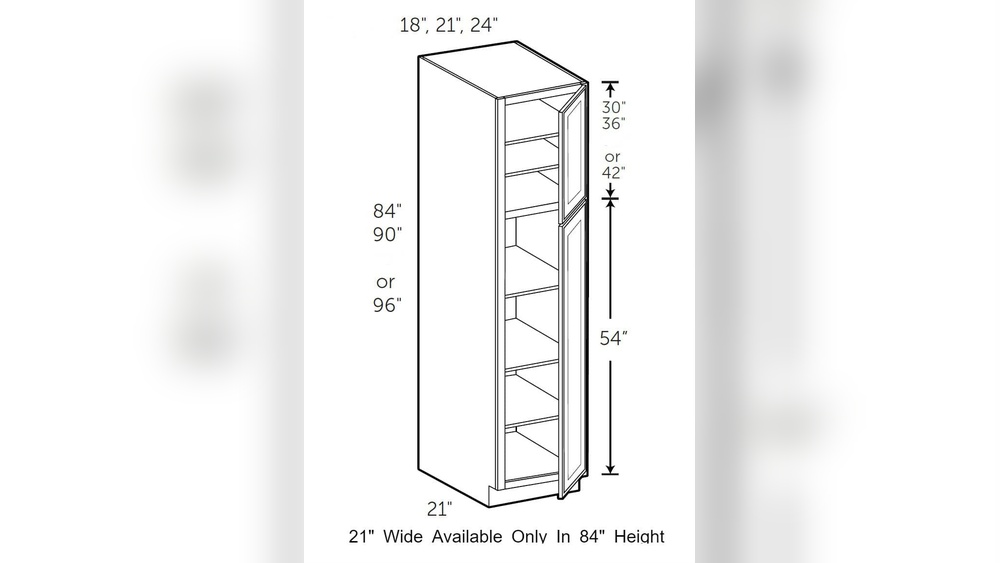
Standard linen cabinets usually range from 18 to 36 inches wide. The most common width is 24 inches. This size fits well in most bathrooms and closets.
Smaller widths, like 18 or 20 inches, work well for tight spaces. Larger widths, like 30 or 36 inches, offer more storage but need more room.
Custom Width Options
Custom cabinets can be any width you need. They are perfect for odd spaces or special storage needs.
Custom widths let you maximize space without waste. You can design the cabinet to fit exactly in your home.
Custom options may cost more but offer better use of space. They also allow unique styles and configurations.
Factors Influencing Width Choice
Choosing the right width for a linen cabinet depends on several key factors. These factors help you find a balance between space, storage, and ease of use. Each room and household need varies. Understanding these can guide you to pick a size that fits perfectly.
Available Space In The Room
Measure the area where the linen cabinet will go. Leave enough room to move around comfortably. Avoid cabinets that block doors or walkways. Consider other furniture and fixtures nearby. A narrow cabinet suits small spaces better. Larger rooms can handle wider cabinets easily.
Storage Needs And Capacity
Think about how much linen you want to store. More towels and sheets need bigger storage. A wider cabinet usually offers more shelves and compartments. Organize items by size and use for better space. Choose a width that fits your daily needs without clutter.
Accessibility And Ease Of Use
Make sure you can reach everything inside the cabinet. Wide cabinets may require extra steps to access shelves at the sides. Narrow cabinets keep items within easy reach. Doors and drawers should open smoothly without blocking paths. Choose a width that helps you find and grab items quickly.
Comparing Single Vs Double Door Cabinets
Choosing the right linen cabinet depends on your space and storage needs. Single and double door cabinets offer different benefits. Understanding their differences helps you pick the best fit for your home.
Width Differences
Single door cabinets are usually narrower. They fit well in small spaces or tight corners. These cabinets often measure between 12 to 18 inches wide.
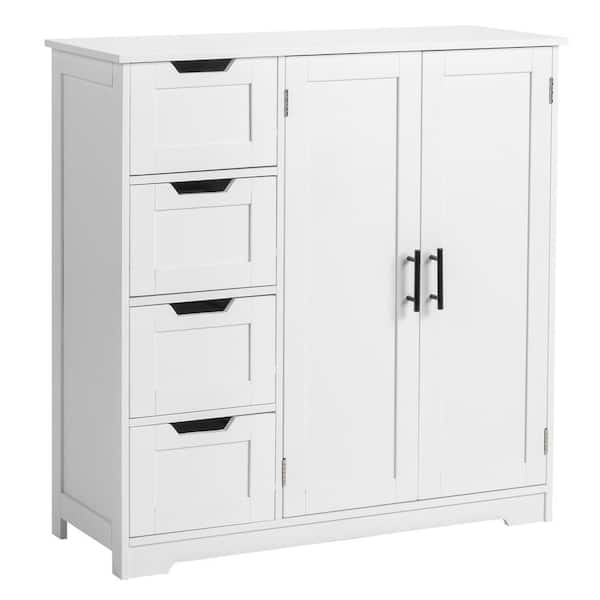
Double door cabinets are wider, ranging from 24 to 36 inches. They need more wall space but provide a larger opening. This makes it easier to access stored items.
Storage Efficiency
Single door cabinets use vertical space efficiently. Shelves inside can hold folded towels and small linens. They work well for minimal storage needs.
Double door cabinets offer more shelf space overall. They can store larger items like blankets or extra pillows. The wider doors allow better organization and quick access to your linens.

Credit: www.cabinplace.com
Width Recommendations For Different Rooms
Choosing the right width for a linen cabinet depends on the room it will be placed in. Each room has unique needs and space limits. Picking the right size helps keep your items neat and easy to find.
Think about how much storage you need and the space available. This helps decide the best width for your cabinet. Below are some tips for different rooms.
Bathroom Linen Cabinets
Bathroom linen cabinets are usually narrow. A width of 18 to 24 inches fits well in most bathrooms. This size holds towels, toiletries, and extra supplies. It saves space and keeps the bathroom tidy.
If your bathroom is small, choose a cabinet closer to 18 inches wide. For larger bathrooms, 24 inches gives more storage without crowding the room.
Bedroom Linen Cabinets
Bedroom linen cabinets need more space. A width between 24 and 36 inches works well. This size stores sheets, blankets, and pillowcases easily.
Measure the wall space before buying. Make sure the cabinet does not block doors or windows. A wider cabinet suits bigger rooms and more storage needs.
Laundry Room Cabinets
Laundry rooms benefit from wider cabinets. Choose widths from 30 to 36 inches. These cabinets hold detergents, cleaning supplies, and linens.
Wide cabinets help keep the laundry room organized. They also provide space for folding clothes or storing baskets on top.
Material And Design Impact On Width
The material and design of a linen cabinet play a big role in deciding its width. Different materials have different strengths and weights. This affects how wide the cabinet can be without losing stability. Design styles also change the width needs. Some designs need more space for shelves or doors. Others might be slimmer to fit tight spots. Understanding these factors helps choose the right size for your space.
Solid Wood Vs Composite
Solid wood cabinets are strong and durable. They can support wider designs without bending or breaking. This means a solid wood linen cabinet can be wider and still last long. Composite materials like MDF or particleboard are lighter and less strong. These materials often need to be narrower or have extra support. Wide composite cabinets risk sagging or damage over time. Solid wood offers a natural look but may cost more. Composite can be cheaper but less sturdy.
Built-in Vs Freestanding
Built-in linen cabinets attach to walls or other furniture. They can be wider because the structure supports extra weight. Built-ins fit exactly in a space and use every inch well. Freestanding cabinets stand alone. They need a stable base to avoid tipping. This limits how wide they can be safely. Freestanding designs often stay narrower to keep balance. Both types offer different style and size options for any room.

Credit: www.arielbath.com
Maximizing Storage Without Expanding Width
Maximizing storage without expanding the width of a linen cabinet is key in small spaces. Smart design choices help store more without taking extra room. Focus on vertical space and flexible shelving to fit all your linens neatly.
Adjustable Shelves
Adjustable shelves let you change shelf height easily. This flexibility helps fit towels, sheets, or blankets of different sizes. You can create tall spaces for bulky items or small spaces for folded cloths. Adjustable shelves make the best use of every inch inside the cabinet.
Vertical Storage Solutions
Use vertical storage options like tall bins or hanging organizers. These keep linens upright and easy to grab. Vertical storage avoids stacking items too high, which can cause clutter. It also makes the cabinet look neat and organized.
Measuring Tips Before Buying
Measuring your space before buying a linen cabinet is very important. It helps you find the right size and avoid problems later. Taking careful measurements saves time and money. It also makes sure the cabinet fits well in your room. Follow these tips to measure correctly and choose the best cabinet width.
Using A Tape Measure Accurately
Use a tape measure that is long enough for your space. Measure the width of the wall or area where the cabinet will go. Keep the tape straight and tight for an exact number. Measure twice to be sure your numbers are right. Write down your measurements clearly. This helps avoid mistakes when shopping for a cabinet.
Considering Door Swing And Clearance
Think about how the cabinet doors will open. Make sure there is enough space for the doors to swing fully open. Leave extra room around the cabinet for walking and other furniture. Check if nearby walls or objects block the doors. Proper clearance makes using the cabinet easier and safer. Plan the space carefully to avoid tight spots.
Frequently Asked Questions
How Wide Should A Linen Cabinet Be?
A linen cabinet should be between 24 to 36 inches wide. This size allows enough space for folded towels and bedding. It fits most bathroom or hallway spaces while offering practical storage without overwhelming the room.
What Factors Determine Linen Cabinet Width?
Consider available wall space, storage needs, and room layout. Measure your area carefully. Also, think about the types and amounts of linens you plan to store. This ensures the cabinet width suits your practical and aesthetic needs.
Can Linen Cabinets Be Custom-sized?
Yes, linen cabinets can be custom-sized. Custom options allow you to match your exact space and storage requirements. This flexibility is ideal for unique or small areas needing tailored solutions.
Is 24 Inches Wide Enough For A Linen Cabinet?
Yes, 24 inches wide can be enough for a small linen cabinet. It suits compact spaces and stores basic linens. However, larger households may need wider cabinets for more storage capacity.
Conclusion
Choosing the right width for a linen cabinet depends on your space and needs. A cabinet too wide may crowd your room. Too narrow, and you might not fit all your linens. Measure your available space carefully before deciding. Think about how many towels, sheets, and blankets you want to store.
A well-sized cabinet keeps things tidy and easy to find. Balance size with functionality for the best use of your room. Your perfect linen cabinet fits your home and daily routine.
