Choosing the right material for your outdoor furniture can feel overwhelming. You want something that lasts, looks great, and stands up to the weather.
But is iron or steel better for your outdoor space? This question matters because your choice affects durability, style, and maintenance. Keep reading, and you’ll discover which option fits your needs perfectly—so you can enjoy your outdoor area without worries or extra work.
Material Properties
Choosing the right material is key for outdoor furniture. Iron and steel are popular choices. Both have unique properties that affect their performance outdoors. Understanding these properties helps in picking the best option.
Strength And Durability
Iron is strong but can be brittle. Steel offers greater strength and flexibility. Steel bends without breaking, making it ideal for heavy use. Both materials last long if cared for properly. Steel often withstands outdoor wear better over time.
Weight Considerations
Iron furniture is usually heavier than steel. This weight adds stability in windy conditions. Steel furniture tends to be lighter and easier to move. Lighter pieces suit patios where rearranging is common. Choose based on how often you move your furniture.
Corrosion Resistance
Iron rusts quickly when exposed to moisture. Steel can resist rust better, especially if it is stainless or coated. Outdoor furniture made from steel often lasts longer without rust. Regular maintenance helps protect both materials from corrosion.

Credit: www.walmart.com
Aesthetic Appeal
The look of outdoor furniture matters a lot. It sets the mood of your garden or patio. Both iron and steel offer strong, stylish options. Each metal brings a unique charm and feel. Choosing the right one can change your outdoor space.
Understanding their aesthetic appeal helps you pick the best fit. Let’s explore how design, finish, and aging affect their beauty.
Design Versatility
Steel is easy to shape into many designs. It suits modern and sleek furniture styles. Iron is heavier and best for classic, ornate looks. It often features detailed patterns and curves. Both metals offer strong, lasting designs.
Finish Options
Steel can be painted or powder-coated in many colors. These finishes protect against rust and fading. Iron usually has a dark, rustic finish. It can also be painted but needs more care. Finishes change the feel from rough to smooth or shiny.
Aging And Patina
Iron develops a natural rust patina over time. This adds an antique, vintage charm. Some people love this weathered look. Steel resists rust better and stays newer longer. It looks clean but may lack the aged character.
Maintenance Needs
Maintenance plays a big role in choosing between iron and steel for outdoor furniture. Both materials need care to stay strong and look good. Understanding their maintenance needs helps you decide which fits your lifestyle better.
Cleaning Requirements
Iron furniture needs regular cleaning to remove dirt and dust. Use a soft cloth and mild soap with water. Avoid harsh chemicals that can damage the surface. Steel furniture also requires cleaning but is easier to maintain. Its smooth surface resists stains and grime better than iron.
Rust Prevention
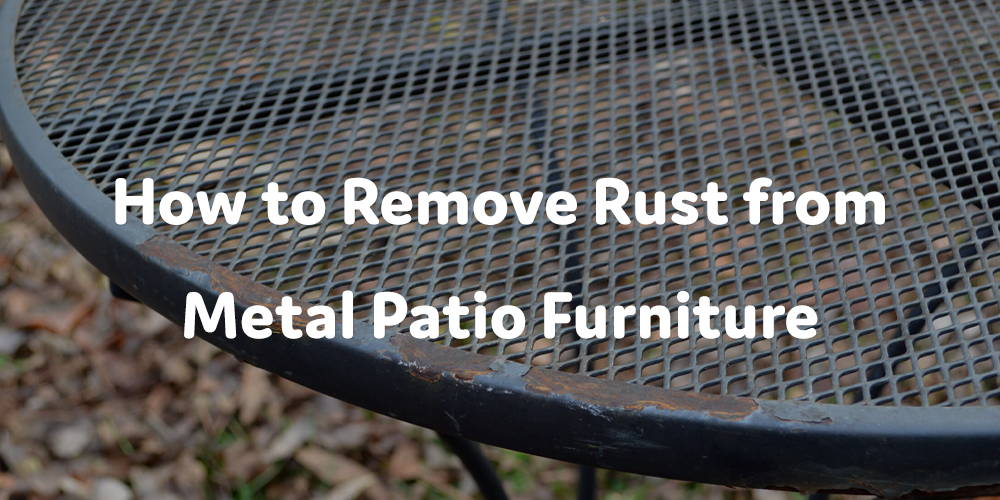
Iron is prone to rust if not protected well. Applying a protective coating or paint helps prevent rust. Keep furniture dry and cover it during rain. Steel is more resistant to rust, especially stainless steel. Still, steel benefits from occasional checks and touch-ups to avoid rust spots.
Repair And Touch-ups
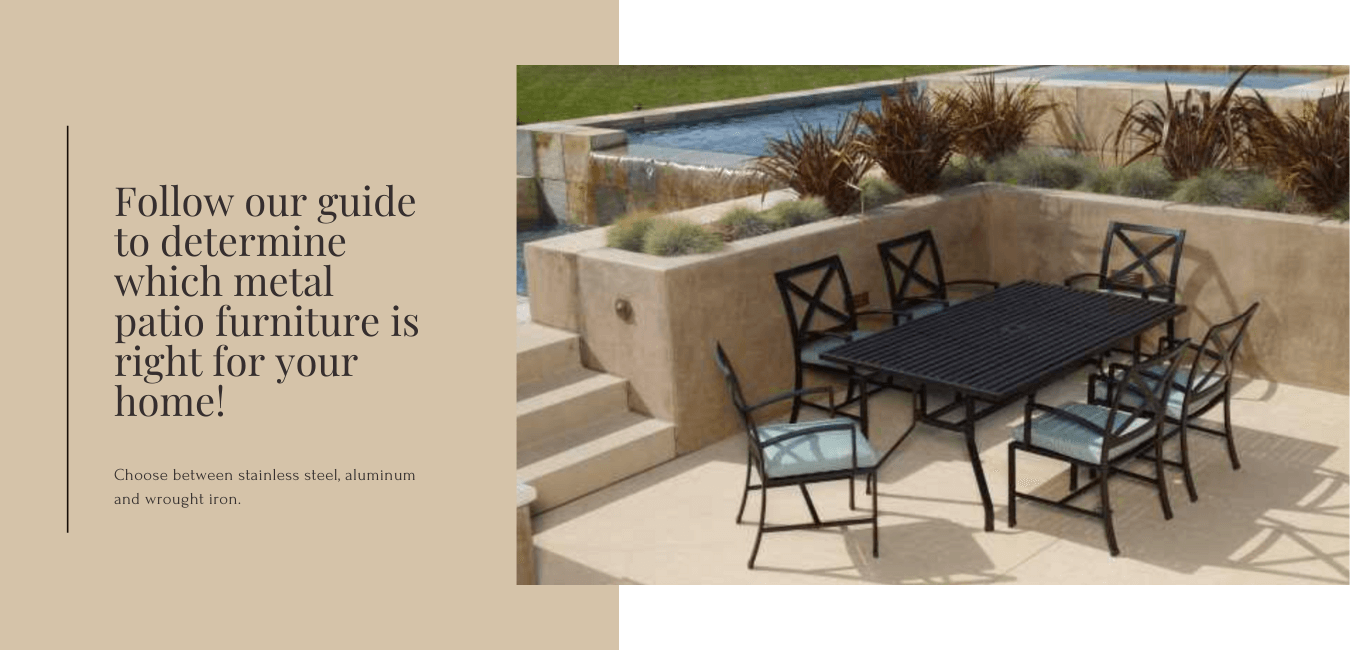
Iron furniture may need sanding and repainting over time. Rust spots should be removed quickly to stop spreading. Steel repairs are simpler and less frequent. Small scratches can be buffed out or repainted easily. Both materials allow you to restore looks with some effort.
Credit: www.patioliving.com
Cost Factors
Cost plays a big role when choosing between iron and steel for outdoor furniture. Understanding the cost factors helps to make a smart buy. Consider both upfront expenses and future value. Think about how easy it is to find the materials too.
Initial Investment
Iron furniture usually costs more at the start. It needs special treatment to stop rust. Steel is often cheaper to buy. It can be made quickly and in large amounts. But prices vary based on design and quality.
Long-term Value
Iron lasts long with proper care. It can resist wear and tear better. Steel may need more maintenance to avoid rust. This can add to the cost over time. Choose what fits your budget and patience for upkeep.
Availability And Sourcing
Steel is easier to find in many places. It comes in many forms and styles. Iron is less common and can be harder to get. This affects the price and delivery time. Check local stores for what is available nearby.
Environmental Impact
Choosing outdoor furniture involves more than style and cost. Its environmental impact matters a lot. Iron and steel differ in how they affect our planet. Understanding these differences helps make better choices for a greener future.
Sustainability
Iron is a natural resource, but mining it can harm the land. Steel often includes recycled materials, reducing the need for new mining. Using recycled steel saves energy and lowers pollution. Steel’s ability to be reused many times makes it a sustainable option.
Recyclability
Both iron and steel are recyclable metals. Steel is easier to recycle without losing quality. Recycled steel can become new furniture or other products. This reduces waste and saves natural resources. Iron recycling is possible but less common and less efficient.
Manufacturing Footprint
Making iron furniture uses a lot of energy and releases more carbon. Steel production has improved, using less energy now. Some steel factories use cleaner methods and renewable energy. Choosing steel can mean a smaller carbon footprint overall. Lower emissions help protect the environment and fight climate change.
Best Uses And Applications
Choosing the right material for outdoor furniture depends on many factors. Iron and steel both offer unique benefits and challenges. Understanding their best uses helps pick the right fit for your space. This section explores where iron or steel works best.
Each metal suits different climates, styles, and space needs. Knowing these details ensures durable and attractive outdoor furniture. Let’s break down the key points for each application.
Climate Considerations
Iron rusts easily in wet or humid climates. It needs regular painting or sealing to protect it. Steel, especially stainless steel, resists rust better. It suits rainy or coastal areas well. In dry climates, iron holds up fine with minimal care.
Steel handles temperature changes better. It expands and contracts less than iron. This makes steel a smart choice in places with hot summers and cold winters.
Style Preferences
Iron gives a classic, vintage look. Its heavy, ornate designs fit traditional gardens or patios. Steel offers a modern, sleek style. It works well in contemporary or minimalist spaces. Steel’s smooth finish fits clean lines and bold shapes.
Iron’s rustic charm suits cozy, old-fashioned settings. Steel’s industrial feel matches urban and modern environments.
Space And Weight Limits
Iron furniture is heavy and sturdy. It stays put in windy areas but can be hard to move. Steel is lighter and easier to handle. It suits smaller spaces where furniture moves often.
For balconies or rooftops, steel is practical. Iron suits large gardens or yards where weight is less a concern.
Credit: www.furnituremaxi.com
Frequently Asked Questions
Is Iron Furniture More Durable Outdoors Than Steel?
Iron furniture is strong but prone to rust without coating. Steel, especially stainless, offers better rust resistance and durability outdoors.
Which Material Resists Rust Better: Iron Or Steel?
Steel, particularly stainless steel, resists rust better than iron. Iron needs protective paint or sealant to prevent corrosion outdoors.
Is Steel Furniture Heavier Than Iron Furniture?
Steel furniture is generally lighter than solid iron but can vary by design. Weight differences affect portability and stability outdoors.
Which Is More Cost-effective For Outdoor Furniture?
Iron furniture is usually cheaper but requires maintenance. Steel, though pricier, lasts longer with less upkeep, offering better value over time.
Conclusion
Choosing iron or steel for outdoor furniture depends on your needs. Iron offers classic style but needs regular care to avoid rust. Steel provides strong durability and resists weather well with less maintenance. Both materials can last long with proper treatment.
Think about your climate, budget, and how much upkeep you want. This will help you pick the best option for your outdoor space. Either way, sturdy furniture will enhance your garden or patio for years. The choice is yours to make.