Are you thinking about choosing the perfect wood for your outdoor furniture? You want something that looks great, lasts long, and can handle the weather.
Mahogany often comes up as a popular choice, but is it really good for outdoor use? You’ll discover the truth about mahogany’s durability, beauty, and care needs. By the end, you’ll know if mahogany is the right fit for your garden or patio setup.
Keep reading to make a smart and confident decision for your outdoor space!
Credit: davidfrancisfurniture.com
Mahogany Types For Outdoor Use
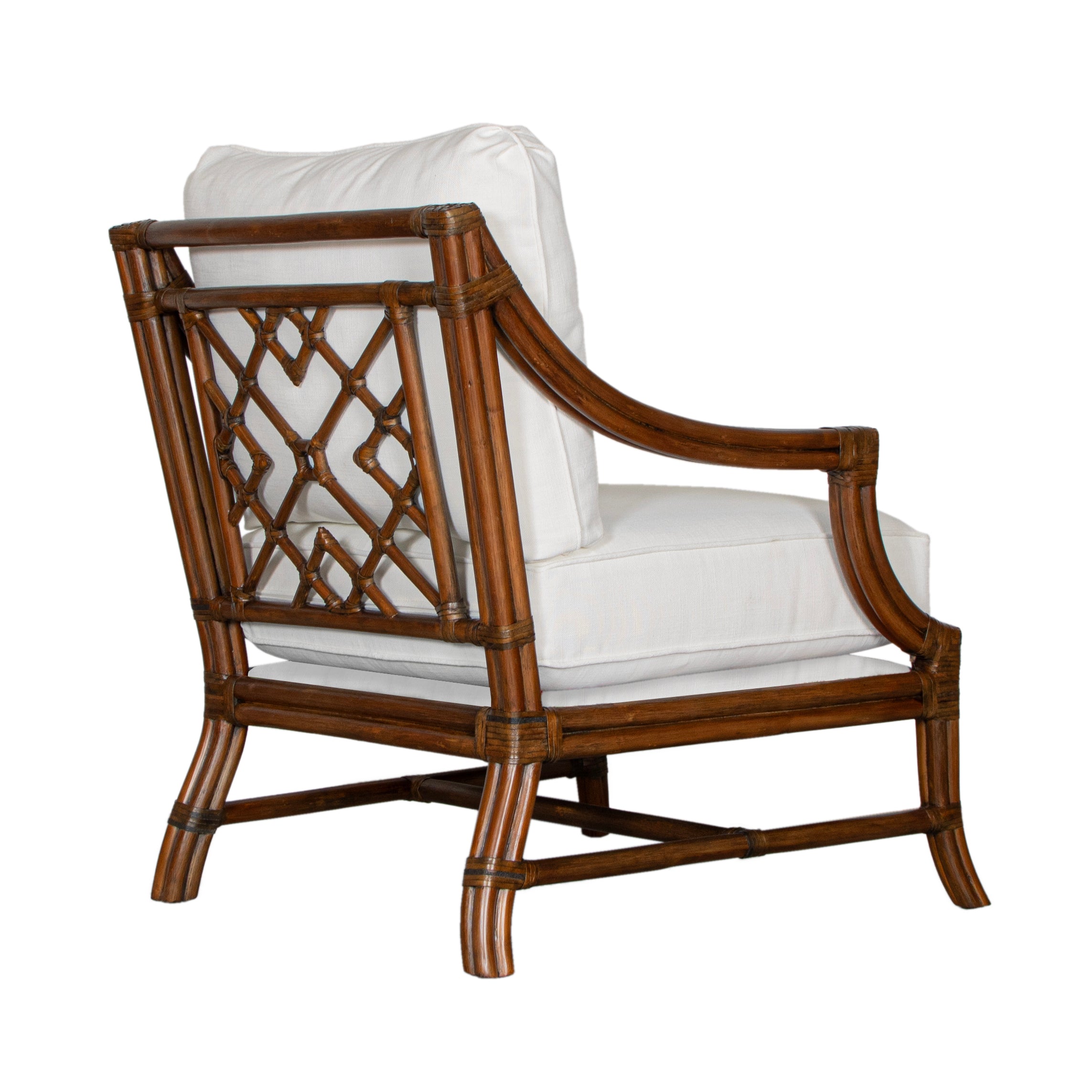
Mahogany is a popular choice for outdoor furniture due to its durability and beauty. Different types of mahogany offer unique qualities for outdoor use. Choosing the right type helps ensure long-lasting furniture that resists weather and wear.
Below are three common mahogany types suited for outdoor settings. Each has features that make it strong and attractive.
Honduran Mahogany
Honduran mahogany is known for its fine grain and rich color. It resists rot and insects well. This wood is stable and less likely to warp. It handles outdoor elements better than many other hardwoods. The smooth finish makes furniture look elegant.
African Mahogany
African mahogany offers a warm reddish-brown tone. It is dense and strong, ideal for outdoor furniture. This wood can handle moisture and sun exposure with care. It ages gracefully, developing a nice patina over time. African mahogany is also widely available and affordable.
Philippine Mahogany
Philippine mahogany is a term for several hardwoods from the Philippines. It has a coarse texture and medium durability. This wood works well for covered outdoor areas. It requires regular maintenance to keep its look. Philippine mahogany is a budget-friendly option for outdoor pieces.

Credit: timberactually.com
Durability Factors Of Mahogany
Mahogany stands out as a strong choice for outdoor furniture. Its durability plays a major role in this. Several factors affect how well mahogany holds up outside. These include its resistance to rot and decay, ability to resist insects, and how it tolerates different weather conditions. Each of these factors helps make mahogany a reliable wood for outdoor use.
Resistance To Rot And Decay
Mahogany has natural oils that protect it from rot. These oils slow down the growth of fungi and mold. This means mahogany furniture can last longer outside without falling apart. The wood does not easily absorb water, which helps prevent decay. This quality keeps outdoor furniture strong and attractive over time.
Insect Resistance
Many insects avoid mahogany because of its natural oils. Termites and wood-boring insects find it hard to damage this wood. This resistance lowers the risk of costly repairs or replacements. Using mahogany for outdoor furniture means less worry about insect damage.
Weather Tolerance
Mahogany handles changing weather well. It can survive sun, rain, and wind without warping or cracking. The wood’s tight grain helps keep moisture out. It also resists fading from sunlight. This weather tolerance keeps mahogany furniture looking good and functioning well for years.
Comparing Mahogany To Other Woods
Mahogany is a popular choice for outdoor furniture. Comparing it to other woods helps you understand its value. Different woods have unique features. This section looks at teak, cedar, and ipe versus mahogany. Learn their strengths and weaknesses for outdoor use.
Teak Vs Mahogany
Teak is famous for its natural oils. These oils protect teak from water and pests. Mahogany has good resistance but less oil than teak. Teak ages beautifully, turning a silver-grey color over time. Mahogany keeps a rich, warm tone longer. Both woods are strong and durable. Teak usually costs more than mahogany. Teak’s high oil content means less maintenance.
Cedar Vs Mahogany
Cedar is lightweight and has a fresh smell. It resists decay and insect damage well. Mahogany is heavier and harder than cedar. Cedar can warp or crack in harsh weather. Mahogany holds its shape better in outdoor conditions. Cedar is easier to work with for DIY projects. Mahogany offers a more polished, elegant look. Both woods need sealing to last longer.
Ipe Vs Mahogany
Ipe is one of the hardest woods available. It resists rot, insects, and wear exceptionally well. Mahogany is durable but softer than ipe. Ipe can last decades without much care. Mahogany requires regular sealing to maintain its beauty. Ipe is very dense and heavy, making it tough to handle. Mahogany is easier to cut and shape. Both woods provide excellent outdoor furniture options.
Maintenance Tips For Outdoor Mahogany
Mahogany is a popular choice for outdoor furniture due to its strength and beauty. Proper maintenance keeps it looking great and extends its life. Follow simple care steps to protect your outdoor mahogany furniture from weather damage and wear.
Cleaning Methods
Clean mahogany furniture regularly to prevent dirt build-up. Use a soft brush or cloth to remove dust and debris. Mix mild soap with water for gentle washing. Avoid harsh chemicals that can damage the wood. Rinse well and dry with a clean cloth to avoid water spots.
Sealing And Finishing
Apply a quality sealant to protect mahogany from moisture and sun damage. Use a clear, outdoor-grade wood finish for best results. Reapply sealant every year or as needed. Lightly sand the surface before sealing to help the finish stick. This step keeps the wood looking fresh and prevents cracks.
Repairing Damages
Check furniture for scratches, cracks, or loose joints often. Small scratches can be fixed with fine sandpaper and wood polish. Use wood filler for deeper cracks, then sand smooth. Tighten loose screws or joints to keep furniture sturdy. Early repairs stop small problems from growing worse.
Environmental Impact
Choosing wood for outdoor furniture affects the planet in many ways. The environmental impact of mahogany depends on how it is grown and harvested. Understanding this helps buyers make better choices.
Mahogany is a popular wood for its beauty and strength. Yet, its impact on forests and ecosystems must be clear. Responsible use of mahogany supports healthy forests and reduces harm.
Sustainability Of Mahogany
Mahogany trees grow slowly and need specific climates. Unsustainable cutting can lead to forest loss and habitat damage. Some mahogany species face risks from overharvesting.
Plantations offer a more sustainable source. They grow mahogany faster and reduce pressure on wild forests. Choosing plantation-grown mahogany helps protect natural habitats.
Certification And Sourcing
Certified mahogany means it meets environmental and social standards. Look for labels like FSC or PEFC. These ensure the wood comes from well-managed forests.
Buying certified mahogany supports legal and ethical trade. It helps stop illegal logging and forest destruction. Always check the source before buying mahogany furniture.
Cost And Availability
Mahogany is a popular choice for outdoor furniture because of its beauty and strength. Knowing the cost and availability helps you decide if it fits your budget and needs. Prices can vary depending on the quality and source of the wood. Finding the right place to buy is key to getting good mahogany furniture without overspending.
Price Range
Mahogany furniture usually costs more than other woods. Expect to pay between $500 and $2,000 for a set of outdoor chairs and a table. Higher prices mean better wood quality and craftsmanship. Lower prices may indicate lower-grade wood or less durability. Think about how long you want the furniture to last before choosing.
Where To Buy
Buy mahogany furniture from local stores or online shops. Local furniture stores often let you see the wood and feel its quality. Online stores offer more options and sometimes better prices. Check for reviews to ensure the seller is trustworthy. Some sellers specialize in sustainable or certified mahogany, which is better for the environment.
Credit: www.woodworkersjournal.com
Frequently Asked Questions
Is Mahogany Durable For Outdoor Furniture Use?
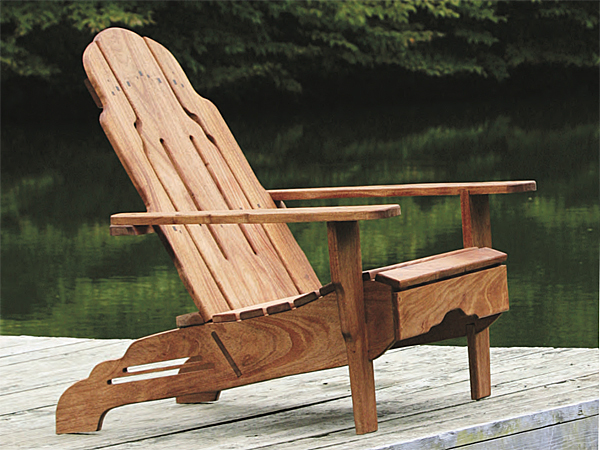
Mahogany is highly durable for outdoor furniture. Its dense grain resists rot, decay, and insect damage. Proper sealing enhances its lifespan, making it ideal for various weather conditions.
How Does Mahogany Compare To Teak For Outdoors?
Mahogany is less oily than teak but still weather-resistant. It requires regular maintenance to keep its appearance. Teak lasts longer with minimal care, but mahogany offers excellent strength and beauty.
Does Mahogany Need Sealing For Outdoor Furniture?
Yes, sealing mahogany protects it from moisture and UV damage. A quality outdoor sealant preserves its rich color and prevents cracking or warping over time.
What Maintenance Does Mahogany Outdoor Furniture Require?
Mahogany furniture needs periodic cleaning and resealing every 1-2 years. Use mild soap and water for cleaning. Regular maintenance keeps the wood protected and looking vibrant outdoors.
Conclusion
Mahogany stands out as a strong choice for outdoor furniture. Its natural resistance to weather and insects keeps it durable. The wood’s rich color and smooth texture add beauty to any space. Regular care helps maintain its look for years.
Choosing mahogany means investing in long-lasting, attractive furniture. It blends well with many outdoor styles. This wood offers both strength and elegance. A smart pick for those who want quality and charm.