Are you wondering how to protect your outdoor furniture from the harsh effects of weather? You’ve probably heard about using varnish, but is it really the best choice?
Choosing the right finish can make all the difference in keeping your furniture looking great for years. You’ll discover how varnish works, its pros and cons, and whether it’s the right option for your outdoor pieces. Keep reading to make sure your furniture stays strong and beautiful no matter the season.
Benefits Of Varnish For Outdoor Furniture
Applying varnish to outdoor furniture offers many benefits. It helps protect and improve the wood. Varnish creates a strong, clear coat that shields the surface. This makes furniture last longer and look better. Here are some key benefits of varnish for outdoor furniture.
Enhancing Durability
Varnish adds a tough layer that protects furniture from wear and tear. It guards against scratches and dents. This makes the wood more resistant to damage. Furniture stays in good shape for many years. Varnish also stops the wood from cracking or splitting.
Water Resistance
Outdoor furniture faces rain and moisture daily. Varnish forms a waterproof barrier on the wood surface. This prevents water from soaking in and causing damage. It stops the wood from swelling or rotting. Water resistance keeps furniture strong and safe.
Uv Protection
Sunlight can fade and weaken wood over time. Varnish blocks harmful UV rays from reaching the wood. This helps maintain the wood’s natural color and texture. UV protection prevents the wood from drying out. It keeps furniture looking fresh and vibrant longer.
Aesthetic Appeal
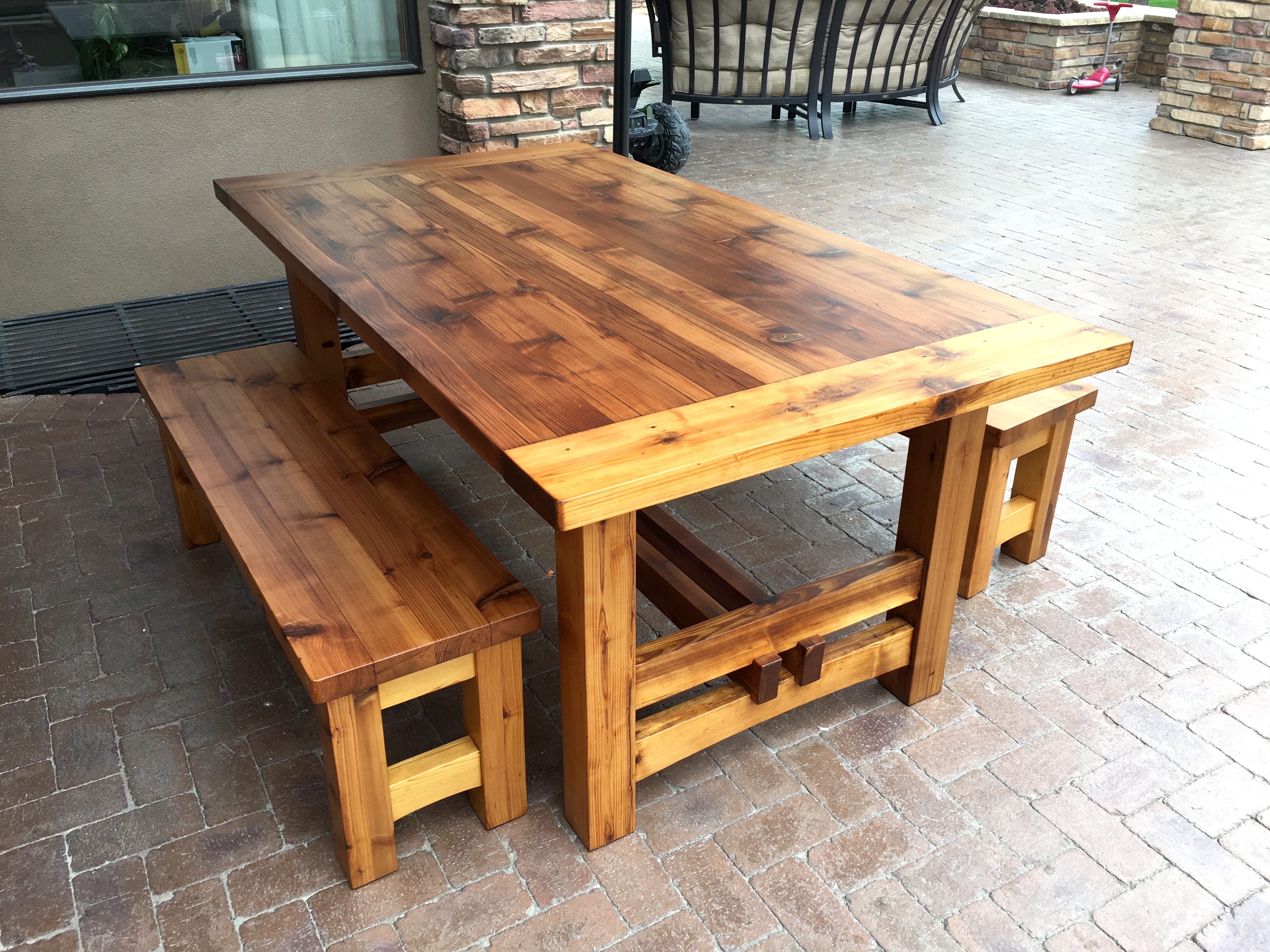
Varnish gives wood a smooth, shiny finish. It highlights the grain and natural beauty of the wood. This makes furniture look more attractive and polished. Varnish can be clear or tinted to match your style. It adds a professional, finished look to outdoor pieces.
Credit: thewoodwhisperer.com
Types Of Varnish Suitable For Outdoors
Choosing the right varnish protects outdoor furniture from sun, rain, and wear. Different varnishes offer varying levels of durability and finish. Understanding the types helps you pick the best option for your needs.
Spar Varnish
Spar varnish is made for outdoor use. It stays flexible to handle wood movement. It resists cracking in sunlight and moisture. This varnish gives a glossy, natural look. It is easy to apply on wooden furniture.
Polyurethane Varnish
Polyurethane varnish creates a hard, protective layer. It resists scratches and water damage well. This varnish can be oil-based or water-based. The oil-based type lasts longer outdoors. Polyurethane works well on wood and other surfaces.
Marine Varnish
Marine varnish offers the highest protection level. It is designed for boats and harsh environments. This varnish protects wood from saltwater and UV rays. It is tough, flexible, and long-lasting. Ideal for outdoor furniture exposed to extreme weather.
Preparing Furniture For Varnish Application
Preparing outdoor furniture for varnish is an important step. It helps the varnish stick well and last longer. Proper preparation also protects the furniture from weather damage. Follow these steps to get the best results.
Cleaning And Sanding
Start by cleaning the furniture thoroughly. Remove dirt, dust, and any grime with a mild soap and water. Let it dry completely before moving on. Sand the surface lightly with fine-grit sandpaper. This smooths out rough spots and opens the wood pores. Sanding helps the varnish adhere better and look smooth.
Removing Old Finishes
Old varnish or paint must be removed before applying new varnish. Use a chemical stripper or sand it off carefully. Removing old finishes prevents peeling and uneven layers. Make sure the surface is clean and dry after removal. This step is key for a fresh and lasting finish.
Choosing The Right Environment
Pick a dry, dust-free area for varnishing. Avoid places with high humidity or direct sunlight. These conditions can cause the varnish to dry poorly or bubble. Work in a well-ventilated space for safety and better drying. Ideal temperature and airflow help the varnish cure perfectly.

Credit: www.reddit.com
Step-by-step Varnishing Process
Varnishing outdoor furniture protects it from weather damage. This process helps keep the wood strong and looking nice. Follow these steps carefully for the best results. Each step prepares the wood for the next one. This way, your furniture stays beautiful longer.
Applying The First Coat
Start by cleaning the furniture well. Use a brush or cloth to remove dust. Stir the varnish gently before use. Apply the first coat with a soft brush. Move the brush in the direction of the wood grain. Cover all surfaces evenly. Avoid thick layers to prevent drips. Let the first coat dry completely.
Sanding Between Coats
Use fine sandpaper to smooth the surface. Sand lightly to remove bumps and bubbles. Wipe off the dust with a clean cloth. Sanding helps the next coat stick better. Do not skip this step for a smooth finish.
Number Of Coats Needed
Apply at least two to three coats of varnish. Each coat adds more protection. More coats are needed for furniture in harsh weather. Follow drying and sanding steps after each coat. This builds a strong, lasting shield on the wood.
Drying Time
Let each coat dry fully before the next one. Drying time depends on temperature and humidity. Usually, 4 to 6 hours is enough. Avoid touching or using the furniture until it is dry. Proper drying keeps the varnish hard and durable.
Common Mistakes To Avoid
Using varnish on outdoor furniture can protect it well, but some mistakes can ruin the finish. Avoiding common errors helps keep furniture strong and looking good. Knowing what not to do saves time and money.
Applying Thick Coats
Applying thick coats of varnish causes problems. Thick layers dry slowly and unevenly. This can lead to bubbles and sticky spots. Thin, even coats dry faster and last longer. Wait for each coat to dry before adding another.
Ignoring Weather Conditions
Weather affects how varnish dries and sticks. Applying varnish on a hot, sunny day can cause it to dry too fast. Rain or high humidity can stop varnish from drying properly. Choose a dry, mild day for the best results.
Skipping Surface Preparation
Not preparing the surface is a big mistake. Dirt, dust, or old varnish stops new varnish from sticking. Clean the furniture well and sand it smooth before varnishing. A clean surface helps the varnish last longer and look better.
Maintenance Tips For Varnished Outdoor Furniture
Varnished outdoor furniture looks beautiful and lasts longer with the right care. Simple maintenance keeps the wood protected and fresh. Small efforts help avoid damage from sun, rain, and dirt. Follow these tips to keep your furniture in top shape year-round.
Regular Cleaning
Clean your varnished furniture often to remove dirt and dust. Use a soft cloth or sponge with mild soap and water. Avoid harsh chemicals that can damage the varnish. Rinse with clean water and dry thoroughly to prevent water spots.
Touching Up Scratches
Scratches can ruin the smooth look of varnish. Lightly sand the scratched area with fine sandpaper. Wipe away dust before applying a small amount of matching varnish. Let it dry well to blend the repair with the rest of the surface.
Reapplying Varnish
Reapply varnish every year or two to keep the wood sealed. Sand the old varnish lightly to help new layers stick better. Use a brush to apply thin, even coats. Allow enough drying time between coats for a strong finish.
Alternative Finishes For Outdoor Protection
Protecting outdoor furniture requires the right finish to withstand sun, rain, and wear. Varnish is one option, but other finishes also offer good protection. These alternatives can enhance the look and lifespan of your furniture.
Choosing the right finish depends on the type of wood and exposure level. Here are some popular alternatives that work well outdoors.
Oil Finishes
Oil finishes soak into the wood, protecting it from inside. They keep the wood looking natural and rich. Oils like teak oil or linseed oil repel water and reduce cracking. Applying oil is simple and can be done often for maintenance. Oil finishes do not peel or flake like varnish can.
Paints And Sealers
Paints cover the wood surface completely, blocking moisture and sun damage. They offer many colors and styles to match your decor. Sealers work similarly but keep the wood grain visible. Both create a strong barrier to protect outdoor furniture. Paint and sealers need regular touch-ups to keep furniture safe.
Wax Coatings
Wax adds a thin protective layer that shines and repels water. It is easy to apply and renew. Wax works well combined with other finishes like oil. It provides some protection but is less durable alone. Wax gives furniture a smooth feel and enhances natural wood tones.

Credit: www.axminstertools.com
Frequently Asked Questions
Is Varnish Suitable For All Outdoor Furniture Types?
Varnish works well on wood outdoor furniture, protecting against moisture and UV rays. However, it’s not ideal for metal or plastic surfaces.
How Long Does Varnish Protect Outdoor Furniture?
Varnish typically protects outdoor furniture for 1 to 3 years. Reapplication is needed to maintain effective protection from weather damage.
Can Varnish Prevent Outdoor Furniture From Fading?
Yes, varnish contains UV blockers that help prevent fading. It preserves the furniture’s natural color and extends its outdoor life.
What Is The Best Varnish Type For Outdoor Use?
Spar varnish or marine varnish is best for outdoor furniture. These varnishes offer superior water and UV resistance for durability.
Conclusion
Varnish protects outdoor furniture from rain, sun, and dirt. It keeps wood looking fresh and strong for longer. Applying varnish is easy and saves money on repairs. Choose the right varnish for your furniture type. Regular care helps maintain its beauty and durability.
A good varnish finish makes outdoor furniture last through seasons. It is a smart choice for anyone wanting to keep furniture neat. Simple steps lead to great results and happy outdoor spaces.