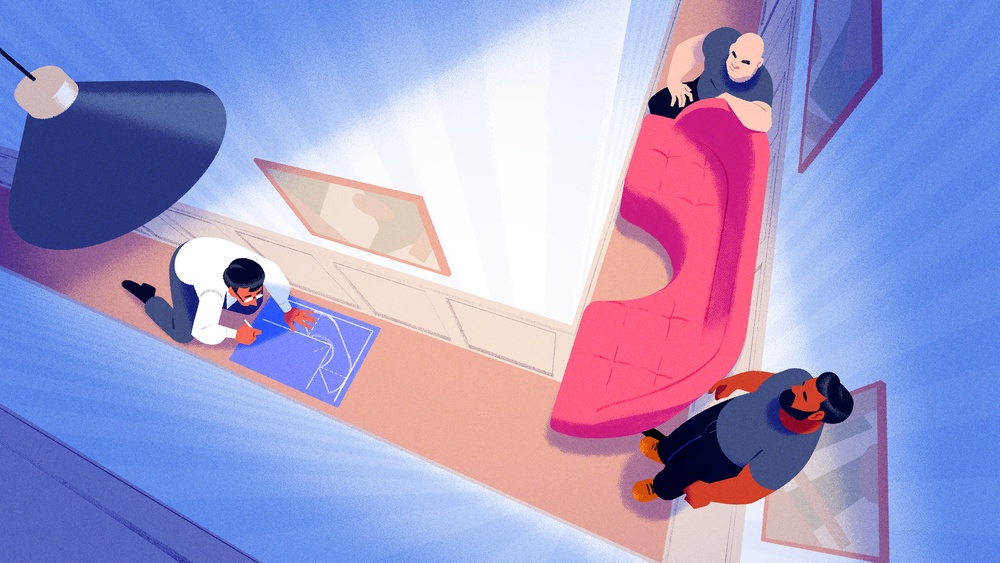
Have you ever struggled to move a bulky piece of furniture through a narrow hallway? You’re not alone.
One of the biggest challenges during a move is making tight turns without scratching walls or damaging your furniture. Understanding the maximum turn you can make in your hallway can save you time, stress, and costly repairs. You’ll discover simple tips and tricks to master those tricky turns and get your furniture safely where it belongs.
Keep reading to learn how to move smarter, not harder.

Credit: www.researchgate.net
Planning The Move
Planning the move is the first step to move furniture smoothly through a hallway. It saves time and stops damage to walls or furniture. Careful planning helps you know what to expect and prepare well.
Measuring The Hallway And Furniture
Start by measuring the hallway width and height. Use a tape measure for accuracy. Write down the numbers. Then measure the furniture’s length, width, and height. Compare these sizes to see if the furniture fits.
Pay close attention to the tallest and widest parts of the furniture. This helps avoid surprises during the move.
Assessing Doorways And Corners
Check all doorways along the path. Measure their width and height. Note any obstructions like doorknobs or frames. Corners are tricky too. Measure the space at each corner carefully.
Think about the furniture’s shape and how it will turn. This step helps find tight spots before moving.
Mapping The Path
Draw a simple map of the hallway, doors, and turns. Mark where measurements were taken. Plan the best route for the furniture. Consider where you need to tilt or rotate the piece.
Having a clear plan reduces stress and speeds up the move.
Preparing Furniture And Space
Preparing furniture and space is essential before moving large items through a hallway. It helps prevent damage and makes the process smoother. Taking time to prepare saves effort and stress later. Clearing the path and readying furniture is the first step to success.
Removing Doors And Obstacles
Remove doors from their frames to increase hallway space. Take off door handles if needed. Clear out small items like rugs, shoes, and decorations. This creates a wider path and avoids trips or damage. Check for low-hanging lights or fixtures and move them if possible.
Disassembling Large Items
Take apart big furniture like beds, tables, and shelves. Remove legs, cushions, or shelves to make pieces smaller. Use tools carefully and keep screws in labeled bags. Smaller parts are easier to carry and fit through tight turns. This reduces the risk of scratching walls or dropping items.
Protecting Walls And Floors
Cover walls with moving blankets or old sheets for protection. Use tape to hold covers in place without damage. Place cardboard or rugs on floors to prevent scratches. Protect corners with foam guards or folded towels. These steps keep your home safe during moves and save repair costs.
Techniques For Turning Furniture
Turning furniture in a narrow hallway can be tricky. Knowing the right techniques helps you move pieces safely and easily. Using smart methods reduces damage risk to walls and furniture. It also saves time and effort during moves. Here are some effective ways to turn furniture in tight spaces.
Using Angles To Your Advantage
Angles can help fit furniture through tight spots. Start by measuring the hallway and furniture size. Plan the best angle to slide or turn the item. Often, turning the furniture diagonally creates more space. Try small angle changes to find the smoothest path. This method works well for long or wide pieces.
Tilting And Rotating Strategies
Tilt furniture to reduce its width or height temporarily. Leaning a couch or table on its side can help it fit through narrow doors. Rotate pieces slowly and carefully to avoid bumps. Combine tilting with gentle turns for tricky corners. Keep control and move steadily to prevent damage.
Leveraging Helpers And Tools
Helpers make moving heavy furniture safer and easier. Two or more people can guide and balance large items. Use tools like furniture sliders or moving straps to reduce friction. Sliders protect floors and allow smooth gliding. Straps give better grip and control during turns. These aids lower the risk of injury and accidents.
Tools To Simplify The Move
Moving large furniture through a narrow hallway can be tough. The right tools make the job easier and safer. These tools help protect both your furniture and walls. They also reduce the effort needed to move heavy items. Below are some common tools that simplify moving maximum turns in hallways.
Furniture Sliders And Dollies
Furniture sliders reduce friction between the floor and furniture. They let you slide heavy pieces smoothly. Dollies have wheels and carry heavy loads easily. Using a dolly helps you push or pull items without lifting. Both tools save your energy and protect floors from scratches.
Straps And Harnesses
Straps and harnesses secure furniture during the move. They give you a better grip on awkward shapes. These tools help keep furniture stable and balanced. Straps reduce the risk of dropping or damaging items. They make it safer to navigate tight corners and turns.
Protective Padding And Covers
Padding protects furniture from bumps and scratches. Covers shield surfaces from dirt and damage. Use blankets, foam, or bubble wrap for padding. Secure padding tightly with tape or straps. These materials help keep your furniture in good shape during the move.
Safety Tips During The Move
Moving heavy furniture through a hallway requires care and attention. Safety is the top priority for everyone involved. Taking the right steps reduces the risk of injury and damage. This section shares practical safety tips to follow during the move.
Lifting Techniques To Avoid Injury
Bend your knees, not your back, before lifting any item. Keep the load close to your body for better control. Use your leg muscles to lift, not your back. Avoid twisting your torso while carrying furniture. Take breaks if you feel tired to prevent strain. Use gloves for a better grip and hand protection.
Communicating With Movers
Clear communication helps avoid accidents and confusion. Use simple words and signals to coordinate movements. Agree on who leads and who follows during turns. Speak up if you need to stop or adjust. Listen carefully to instructions from others. Stay calm and patient throughout the move.
Handling Unexpected Challenges
Hallways can have tight corners or uneven floors. Stop and plan if you face a tough spot. Use sliders or dollies to ease heavy loads. Remove obstacles like rugs or furniture ahead of time. Ask for extra help if the furniture is too large. Keep a first aid kit nearby for minor injuries.

Credit: www.walmart.com
After The Move
After moving furniture through tight hallways, the work is not yet done. The next steps focus on restoring order and checking the condition of your items. Taking these actions ensures your space looks great and your furniture stays safe.
Reassembling Furniture
Start by putting back any parts you took apart. Use the right tools and follow assembly instructions. Double-check screws and bolts to keep everything sturdy. This helps your furniture stay strong and last longer.
Inspecting For Damage
Look carefully at every piece for scratches, dents, or cracks. Check corners and edges closely. Small damage can get worse if ignored. Fix minor issues quickly to avoid bigger repairs later.
Cleaning Up The Space
Clear away packing materials and dust left from the move. Sweep or vacuum the floor to remove dirt. Wipe down furniture surfaces to keep them fresh. A clean space feels welcoming and ready to enjoy.

Credit: www.amazon.com
Frequently Asked Questions
What Is The Maximum Turn Radius For Moving Furniture In Hallways?
The maximum turn radius depends on the hallway width and furniture size. Measure your hallway and furniture to ensure smooth turns. Use a template or tape to simulate the turn path. This helps avoid damage and makes moving easier.
How To Calculate Turning Space For Large Furniture?
Measure the longest furniture dimension and add clearance for turning. Typically, allow at least 3 feet of turning space. Consider hallway width and door sizes. Use geometry to map the turning arc for accuracy.
What Tools Help Measure Hallway Turns For Furniture?
Use tape measures, angle finders, and floor templates. Mark turning points with tape or chalk. Digital apps can simulate furniture movement in tight spaces. These tools ensure precise planning and reduce moving difficulties.
Can Furniture Be Disassembled To Ease Hallway Turns?
Yes, disassembling large furniture can reduce turning challenges. Remove legs, cushions, or detachable parts. This minimizes dimensions and fits tight corners. Always keep hardware organized for easy reassembly.
Conclusion
Moving large furniture through a narrow hallway can be tricky. Measure the hallway and furniture carefully before you start. Plan your path to avoid bumps and scratches. Use moving straps or sliders to ease the process. Take breaks and ask for help if needed.
Small changes in angle can make a big difference. Patience and careful moves protect both your walls and furniture. This simple approach saves time and stress during your move. Keep these tips in mind for a smooth furniture move in tight spaces.