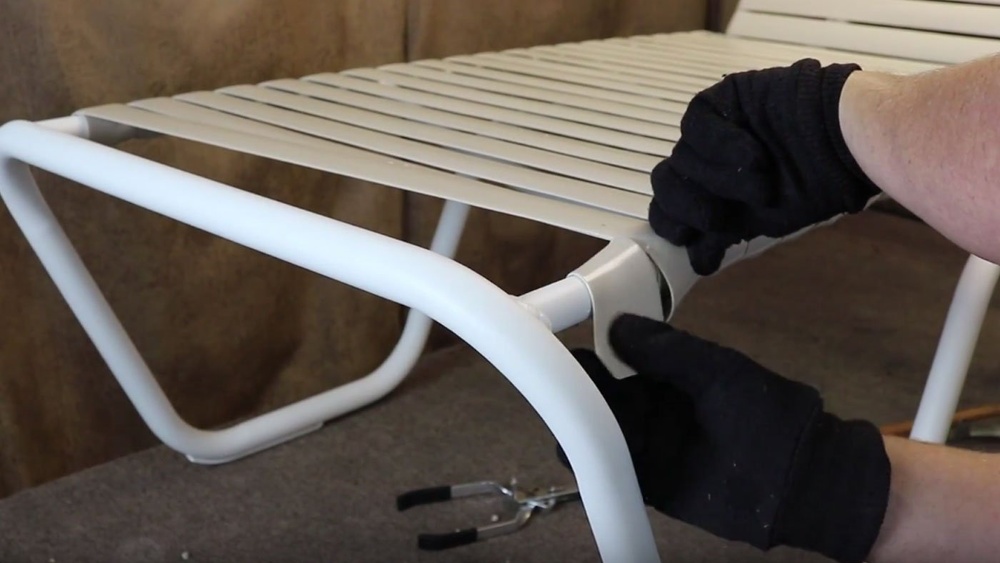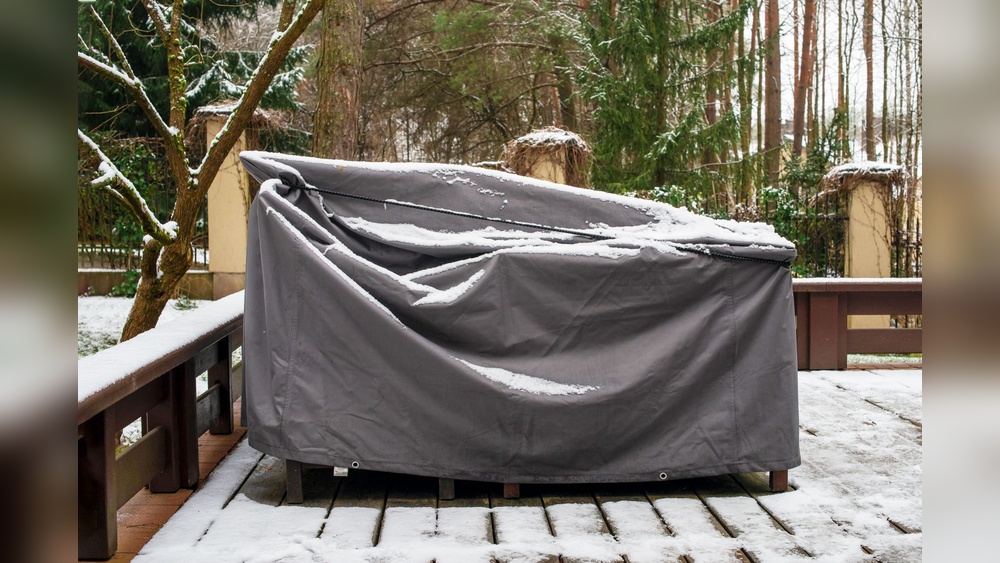
Winter is coming, and you might be wondering: Should I cover my outdoor furniture? Leaving it exposed could cause damage, but covering it might seem like extra work.
What’s the best choice for protecting your investment? You’ll discover simple, effective tips to keep your furniture safe and looking great all year round. Keep reading to find out how a little care now can save you time and money later.

Credit: www.alexander-francis.co.uk
Benefits Of Covering Outdoor Furniture
Covering outdoor furniture during winter offers many benefits. It helps keep your furniture safe and looking good. Simple covers can save you time and money on repairs and replacements. Protecting your furniture ensures it lasts longer and stays comfortable for use.
Protection From Harsh Weather
Winter weather can be tough on outdoor furniture. Snow, ice, and strong winds can damage wood, metal, and fabric. Covers act as a shield against these harsh elements. They stop scratches, dents, and other wear from rough weather. This protection helps your furniture stay sturdy and intact.
Preventing Fading And Discoloration
Sunlight can cause colors to fade over time. Even in winter, UV rays can harm your furniture’s finish. Covers block sunlight and keep colors bright. This helps maintain the original look of your furniture. No need to worry about dull or faded surfaces.
Avoiding Moisture Damage
Moisture from rain, snow, and ice can lead to mold and mildew. These cause stains and weaken the material. Covers keep moisture out and allow furniture to dry properly. This stops rotting and extends the life of your outdoor pieces.
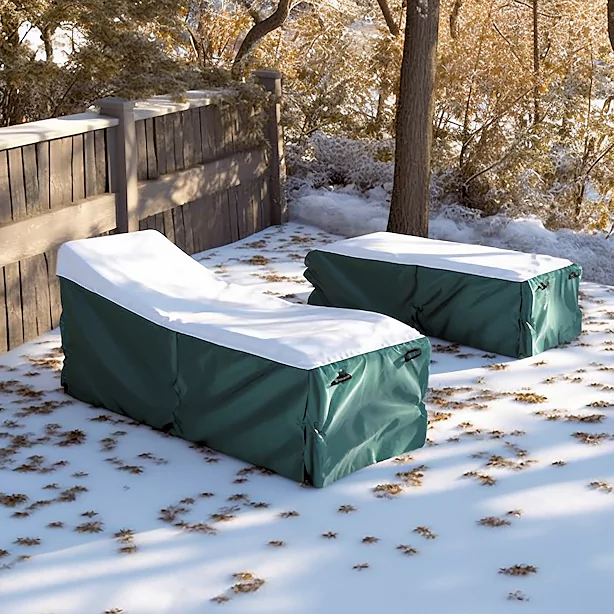
Credit: www.alcocovers.com
Types Of Outdoor Furniture Covers
Choosing the right cover for outdoor furniture is important for winter protection. Different covers offer various benefits. Some block water, some allow air flow, and others fit perfectly. Understanding types of covers helps you protect furniture well. Here is a look at common types of outdoor furniture covers.
Waterproof Covers
Waterproof covers keep rain, snow, and ice away. They are made from materials like vinyl or heavy plastic. These covers stop water from soaking into furniture. This prevents rust and mold growth. Waterproof covers are easy to clean. They work best for metal and wood furniture. They protect furniture during wet winter months.
Breathable Fabric Options
Breathable fabric covers let air pass through. They reduce moisture build-up under the cover. This lowers chances of mold and mildew. Materials include polyester or woven fabric with waterproof layers. These covers are soft and prevent scratching. They suit all types of furniture, especially wood. Breathable covers help keep furniture dry and fresh.
Custom Vs. Universal Covers
Custom covers are made to fit specific furniture pieces. They offer tight, secure protection with no gaps. Custom covers protect better from wind and rain. Universal covers fit many furniture types and sizes. They are more affordable and easy to find. Universal covers may have loose areas where water can enter. Choose based on your furniture shape and budget.
Materials That Need Covering
Outdoor furniture faces tough weather in winter. Covering protects it from snow, rain, and cold. Different materials need different care. Some must be covered to last longer. Others handle winter better without covers. Knowing what to cover helps save money and effort. Here are tips for common outdoor furniture materials.
Wooden Furniture Care
Wood soaks up moisture and can crack or warp. Cover wood pieces to keep them dry. Use breathable covers to avoid mold. Clean and dry wood before covering. A good sealant adds extra protection. Covering keeps wood looking fresh for years.
Metal Furniture Protection
Metal furniture can rust if left wet. Covering prevents water from causing rust spots. Use waterproof covers that fit well. Remove cushions before covering to avoid mildew. Check covers regularly for tears or holes. Proper protection keeps metal furniture strong and shiny.
Wicker And Rattan Considerations
Wicker and rattan are fragile in winter. Moisture can weaken fibers and cause breaks. Cover these materials tightly to block rain and snow. Use soft covers to avoid scratches. Ventilation under covers stops mold growth. Covering extends the life of wicker and rattan furniture.
Plastic And Resin Furniture Tips
Plastic and resin resist water but can crack in cold. Covers protect from snow and ice buildup. Choose covers that prevent fading from sun too. Clean furniture before covering to avoid stains. Covering keeps plastic and resin looking new longer.
Proper Covering Techniques
Proper covering techniques protect outdoor furniture during winter. They prevent damage from cold, moisture, and wind. Covering furniture the right way saves time and money on repairs. It also keeps your furniture looking good for longer.
Cleaning Before Covering
Clean furniture thoroughly before covering it. Remove dirt, dust, and debris using a soft brush or cloth. Use mild soap and water for stubborn spots. Let the furniture dry completely. Moisture trapped under covers causes mold and mildew.
Securing Covers Against Wind
Wind can lift and damage furniture covers. Use straps or ropes to hold covers tightly in place. Tie covers to furniture legs or heavy objects nearby. Make sure the cover fits well without loose areas. A secure cover protects furniture from wind and rain.
Ensuring Ventilation To Prevent Mold
Covering furniture tightly traps moisture and causes mold. Choose covers with vents or mesh panels. These allow air to flow under the cover. Proper ventilation keeps furniture dry and fresh. Avoid plastic sheets without airflow holes as they hold moisture.
Alternatives To Covers
Outdoor furniture needs care during winter to last long. Covers are common, but some prefer other options. These alternatives can protect your furniture effectively. They also keep it ready for use in spring.
Storing Furniture Indoors
Moving furniture inside is a good way to protect it. A garage, basement, or spare room works well. This prevents damage from snow, rain, and cold. Indoor storage keeps furniture dry and safe.
Remove cushions and store them separately to avoid mold. Clean the furniture before storing to prevent dirt buildup. This method extends the life of your outdoor pieces.
Using Furniture Storage Sheds
Storage sheds offer a dedicated space for outdoor furniture. These sheds shield furniture from harsh weather. They also keep pests away. A shed is a simple, practical solution.
Choose a shed with good ventilation to avoid moisture. Lockable sheds add security during the off-season. This option saves indoor space while providing protection.
Applying Protective Sealants
Sealants create a waterproof layer on furniture surfaces. They protect wood, metal, and wicker from winter damage. Regular application helps prevent cracking and rust.
Use sealants made for outdoor furniture materials. Apply before winter for the best results. Sealants reduce the need for covers and storage.

Credit: fj-outdoors.com
Common Mistakes To Avoid
Protecting outdoor furniture in winter takes care and attention. Many people make mistakes that damage their furniture instead of protecting it. Avoiding these common errors helps keep your furniture in good shape for years.
Simple steps can prevent costly repairs or replacements later. Understanding what not to do is as important as knowing what to do.
Covering Wet Furniture
Never cover furniture when it is wet. Moisture trapped under the cover causes mold and mildew. It also speeds up rust on metal parts. Always dry your furniture before putting a cover on it. This keeps air flowing and stops damage.
Using Non-breathable Covers
Using plastic or vinyl covers that do not breathe harms your furniture. These covers trap moisture and heat. This creates a damp environment that damages wood and fabric. Choose covers made of breathable materials like canvas or polyester. These allow air circulation and keep furniture dry.
Ignoring Regular Maintenance
Covering furniture does not mean you can forget it. Check your furniture often during winter. Remove leaves, dirt, and snow from covers and furniture. Tighten loose screws and apply protective oils or sealants as needed. Regular care extends the life of your outdoor furniture.
Cost And Longevity Considerations
Deciding whether to cover outdoor furniture in winter involves thinking about costs and how long your furniture will last. Winter weather can cause damage, making repairs or replacement costly. Covering your furniture might seem like an extra expense. Yet, it can protect your investment and extend its life. Balancing these factors helps you make the best choice for your furniture and budget.
Investing In Quality Covers
Quality covers cost more but offer better protection. They keep out rain, snow, and dirt effectively. Cheaper covers may tear or let moisture in. Strong materials like heavy-duty polyester or vinyl last longer. Good covers fit snugly to block cold air and moisture. This prevents damage from freezing and thawing cycles. Spending a bit more upfront saves money on repairs later.
Balancing Cost And Protection
Choosing covers means weighing price against durability. A low-cost cover might protect short term. It could wear out before winter ends. Replacing covers often adds up. A well-made cover can protect through several winters. Think about how often you use your furniture. Frequent use may need better protection. Less use might allow for simpler covers. Match the cover type to your furniture’s needs and your budget.
Extending Furniture Lifespan
Covering furniture can keep it looking new longer. Protection stops wood from cracking and metal from rusting. Fabric cushions stay dry and clean under covers. Less exposure to sun and wind prevents fading. This reduces the need to buy new pieces. Covering helps maintain value if you sell or move. It is a smart way to get more years from your outdoor furniture.
Frequently Asked Questions
Should I Cover Outdoor Furniture During Winter?
Yes, covering outdoor furniture protects it from snow, rain, and frost damage. Covers prevent moisture buildup and prolong furniture life.
What Materials Are Best For Winter Furniture Covers?
Choose waterproof, breathable fabrics like polyester or vinyl. These materials repel water and allow moisture to escape, preventing mold and mildew growth.
Can I Leave Outdoor Furniture Uncovered In Winter?
Leaving furniture uncovered exposes it to harsh weather, leading to fading, rust, and cracking. Covering is recommended to maintain quality.
How Do I Properly Cover Outdoor Furniture For Winter?
Clean furniture thoroughly before covering. Use fitted, secure covers to prevent wind damage. Ensure covers are breathable to avoid moisture buildup.
Conclusion
Covering outdoor furniture in winter helps protect it from snow and rain. It stops rust, mold, and fading from sun damage. Covers keep furniture clean and dry, making spring setup easier. Choose breathable covers to avoid moisture build-up. Remember to check covers regularly for tears or water pools.
Taking a few simple steps can save money on repairs. Winter protection keeps your furniture looking good longer. So, think about covering your outdoor furniture this winter. It’s a small effort with big benefits.