
Are you wondering if you should use a sealant on your stained outdoor furniture? You want your furniture to look great and last for years, but the idea of applying a sealant might seem confusing or unnecessary.
The truth is, choosing the right protection can make a huge difference in keeping your furniture safe from weather, fading, and wear. You’ll discover exactly when and why sealants matter, so you can make the best decision for your outdoor space.
Keep reading to find out how to protect your investment and enjoy your beautiful furniture longer.
Benefits Of Sealant On Outdoor Furniture
Using a sealant on outdoor furniture stained wood brings many benefits. It helps keep the wood safe and looking good for years. Sealants create a protective layer that guards the wood from damage. This layer stops water, dirt, and sunlight from harming the furniture. Sealants also make cleaning easier. They help maintain the wood’s natural beauty and color over time.
Protection Against Weather
Sealants shield outdoor furniture from rain and moisture. Water can cause wood to swell, crack, or rot. A good sealant stops water from soaking into the wood. It also blocks harmful UV rays from the sun. These rays can fade and dry out wood. Sealants prevent damage caused by changing weather conditions.
Enhancing Furniture Longevity
Applying sealant extends the life of outdoor furniture. It reduces wear and tear caused by the elements. Wood stays strong and less likely to crack or split. Sealants prevent mold and mildew growth. This keeps the furniture safe and durable for many seasons. It saves money by reducing the need for repairs or replacement.
Improving Appearance And Color
Sealants enhance the natural look of stained wood. They add a slight shine that makes wood look fresh. Sealants keep colors rich and prevent fading. The wood looks smooth and polished. This keeps outdoor furniture attractive and inviting. Sealants also help hide minor scratches and marks.
Types Of Sealants For Stained Wood
Choosing the right sealant for stained outdoor wood is key to protecting your furniture. Sealants keep moisture, dirt, and sun damage away. They also help maintain the color and beauty of the wood. Various types of sealants work well with stained wood. Each type offers different protection and finish. Understanding these options helps you pick the best one for your furniture.
Oil-based Sealants
Oil-based sealants soak deep into the wood. They form a strong barrier against water and weather. These sealants bring out the wood’s natural color and grain. They last longer but take more time to dry. Oil-based sealants work great for rough or old wood. They may have a strong smell and need good ventilation during application.
Water-based Sealants
Water-based sealants dry fast and have low odor. They create a clear, flexible coat on the wood surface. These sealants resist cracking and peeling better over time. They keep the wood color true without darkening it. Water-based options are easy to clean up with soap and water. They are good for furniture exposed to mild weather.
Polyurethane And Varnishes
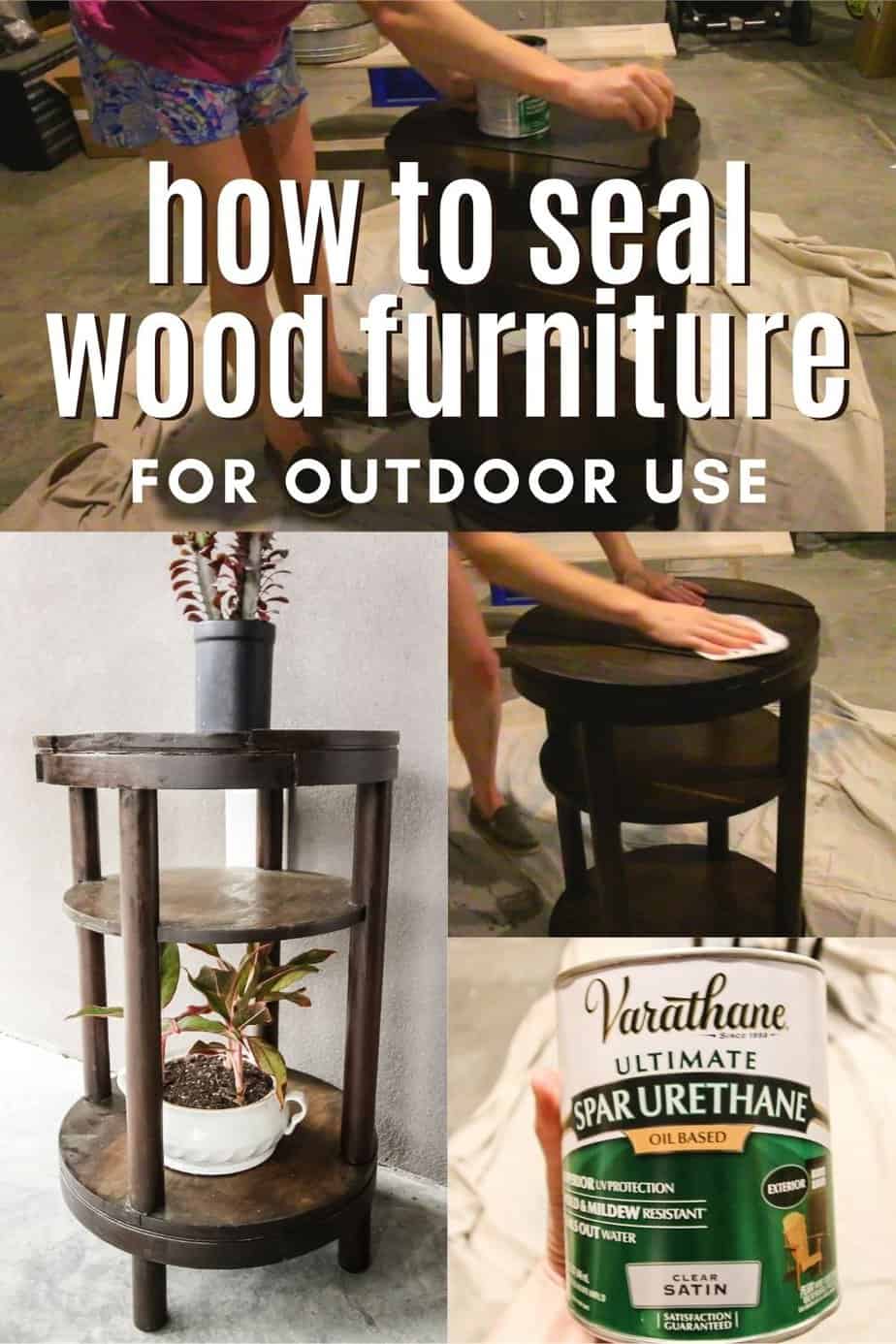
Polyurethane and varnishes form a hard, protective layer. They guard against scratches and heavy wear. These sealants come in glossy, satin, or matte finishes. They enhance the look of stained wood with a smooth shine. Polyurethane is durable but may yellow over time. Varnishes are flexible and resist UV damage well. Both are ideal for furniture needing strong protection.
When To Apply Sealant
Knowing when to apply sealant on stained outdoor furniture helps protect it from weather damage. Proper timing keeps the wood looking fresh and extends its life. Sealants block moisture, dirt, and sun damage, preserving the stain color and wood texture. Timing depends on the furniture’s age, weather changes, and wear level.
New Vs. Old Furniture
New stained furniture needs sealant soon after staining. This locks in color and stops water from soaking in. Wait until the stain dries fully, usually 24 to 48 hours. Old furniture may need sealant if the finish looks dull or water soaks into the wood. Test by sprinkling water; if it darkens the wood, apply sealant.
Seasonal Considerations
Apply sealant in dry weather with mild temperatures. Spring and early fall are best times. Avoid very hot or freezing days because sealant may not dry well. Seal before heavy rain or snow to protect wood from moisture. Seasonal changes can cause wood to expand and contract, so sealant helps reduce damage.
Frequency Of Reapplication
Sealant usually needs reapplying every one to two years. Check furniture each season for signs of wear. Look for fading, peeling, or water absorption. Reapply more often if furniture faces harsh sun or rain. Regular maintenance keeps your furniture protected and looking good longer.
Credit: www.reddit.com
Application Tips For Best Results
Applying sealant on stained outdoor furniture needs care for lasting protection. Proper application helps the sealant stick well and keep the wood safe from weather. Follow these tips for the best results.
Surface Preparation
Start by cleaning the furniture surface. Remove dirt, dust, and old finish with a soft brush or cloth. Sand the wood lightly to smooth rough spots. Wipe away sanding dust with a damp cloth. Make sure the wood is dry before sealing.
Tools And Techniques
Use a quality brush or foam applicator for even coverage. Apply the sealant in thin, smooth layers. Work along the wood grain to avoid streaks. Avoid overloading the brush to prevent drips. Apply multiple coats for better protection, allowing drying time in between.
Drying And Curing Time
Let the sealant dry fully before using the furniture. Follow the product instructions for drying time, usually several hours. For best results, allow the sealant to cure for a few days. Avoid placing furniture in direct sunlight or rain during this time.
Common Mistakes To Avoid
Applying a sealant on stained outdoor furniture can protect it and extend its life. Many people make mistakes that reduce the sealant’s effectiveness. Avoiding these common errors helps keep your furniture looking great.
Applying On Wet Or Dirty Surfaces
Sealant will not stick well to wet or dirty wood. Dirt, dust, or moisture blocks the sealant from soaking in. Always clean the furniture and let it dry completely before applying sealant. This step ensures strong protection.
Using The Wrong Sealant Type
Not all sealants work with stained wood. Some sealants create a film that can peel or crack on stained surfaces. Use a sealant made for stained outdoor furniture. Check product labels to avoid damage and get the best results.
Skipping Maintenance
Sealant wears down over time from sun and rain. Ignoring maintenance causes wood to fade and crack. Inspect your furniture yearly and apply a fresh coat of sealant when needed. Regular care keeps your furniture safe and beautiful.
Credit: www.reddit.com
Alternatives To Sealants
Sealants are a popular choice to protect stained outdoor furniture. Yet, some prefer other ways to keep their wood safe and beautiful. These alternatives can work well to maintain furniture without sealants. They offer different benefits and suit various needs.
Natural Oils And Waxes
Natural oils like teak or linseed oil nourish wood deeply. They soak into the wood and help stop drying and cracking. Waxes create a thin, protective layer on the surface. Both keep furniture looking fresh and add a soft shine. These options need reapplying every few months for best results.
Protective Covers
Using covers shields furniture from rain, sun, and dust. Covers are easy to use and remove. They prevent water damage and fading caused by sunlight. Choose covers made from breathable fabric to avoid moisture build-up. Covers extend the life of furniture without changing its look.
Regular Cleaning And Care
Cleaning dirt and debris regularly keeps furniture healthy. Use mild soap and water with a soft brush or cloth. Avoid harsh chemicals that can damage wood or stain. After cleaning, let furniture dry fully in the sun. Regular care prevents buildup that can cause stains or mold.
Credit: www.charlestoncrafted.com
Frequently Asked Questions
What Are The Benefits Of Using Sealant On Stained Outdoor Furniture?
Using sealant protects stained furniture from moisture, UV rays, and wear. It extends furniture life and maintains its appearance. Sealant also prevents peeling and fading, keeping wood vibrant and durable outdoors.
How Often Should I Apply Sealant On Outdoor Stained Furniture?
Apply sealant every 1-2 years, depending on weather exposure. Check for signs of wear, such as dullness or water absorption. Reapplying sealant regularly ensures continuous protection and preserves the furniture’s finish.
Can I Use Sealant Directly Over Stain On Outdoor Furniture?
Yes, you can apply sealant directly over a fully dried stain. Ensure the stain is completely dry and clean before sealing. This combination enhances protection and keeps the wood looking fresh longer.
Does Sealant Change The Color Of Stained Outdoor Furniture?
Sealant may slightly deepen the stain color but usually does not alter it significantly. Choose a clear or tinted sealant based on your desired finish. Testing on a small area is recommended before full application.
Conclusion
Using a sealant on stained outdoor furniture protects it from sun and rain. It helps keep the color fresh and stops the wood from cracking. Sealants also make cleaning easier and extend furniture life. Choose a sealant that fits your wood type and outdoor conditions.
Regular care and sealing keep your furniture looking good longer. This small step saves money on repairs and replacements. Think of sealing as a simple way to keep your outdoor space nice. Worth the effort for lasting beauty and strength.


