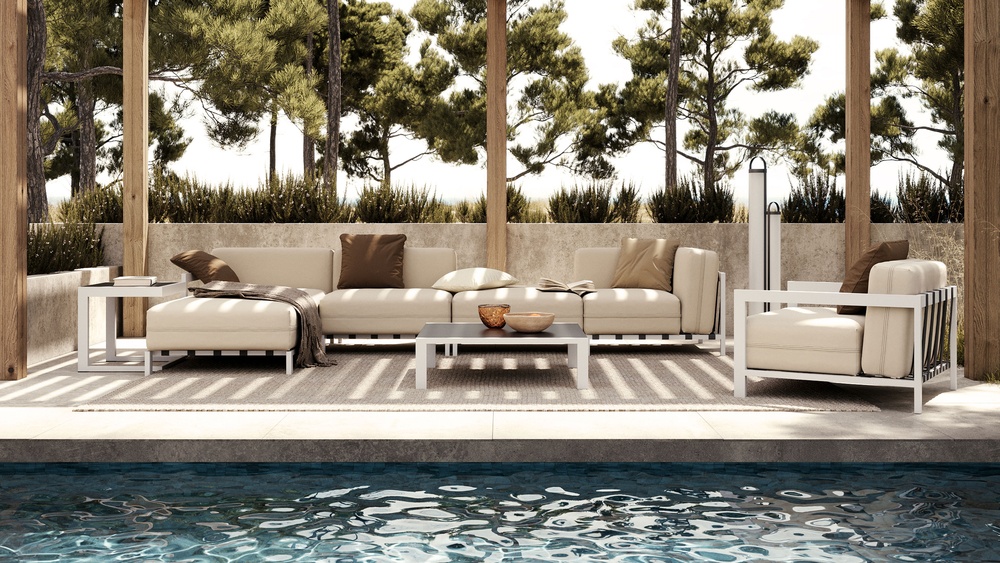
When choosing outdoor furniture, you want pieces that last through all seasons. But have you ever wondered if pressure treated wood is the right material for your patio or garden set?
You’re probably looking for something strong, durable, and safe for your family. Pressure treated wood promises protection against weather and pests, but is it truly the best choice for your outdoor space? Keep reading to discover the benefits and potential downsides, so you can make the smartest decision for your home and enjoy your outdoor moments worry-free.

Credit: www.homeroad.net
Benefits Of Pressure Treated Wood
Pressure treated wood offers many benefits for outdoor furniture. It lasts longer and handles tough weather well. This wood type resists damage from insects and rot. It also fits tight budgets. These benefits make it a smart choice.
Durability Against Elements
Pressure treated wood can stand rain, sun, and snow. It does not warp or crack easily. The treatment process helps it stay strong outdoors. Furniture made from this wood stays solid for years. This means less need for repairs or replacements.
Resistance To Insects And Rot
The chemicals used in pressure treated wood stop bugs and fungi. Termites and other insects avoid it. The wood does not rot or decay quickly. This keeps furniture safe and sturdy. It also prevents costly damage and maintenance.
Cost-effectiveness
Pressure treated wood is cheaper than many other outdoor materials. It offers great value for its durability. You spend less on fixing or replacing furniture. This wood gives long-lasting use without high costs. A wise choice for budget-friendly outdoor setups.
Drawbacks Of Pressure Treated Wood
Pressure treated wood is popular for outdoor furniture. It resists rot and insects. Still, it has some drawbacks. Knowing these helps you choose the right material.
Many people do not realize the downsides of pressure treated wood. These include chemical safety, upkeep needs, and environmental concerns.
Chemical Treatments And Safety
Pressure treated wood contains chemicals to prevent decay. These chemicals can be harmful to health. They may cause skin irritation or respiratory issues. It is unsafe to burn this wood. Chemicals can release toxic smoke. Care is needed when handling and cutting it.
Maintenance Requirements
This wood needs regular upkeep to last long. You must seal and stain it every year. Without maintenance, it can crack or warp. The surface may become rough and splintered. This can make furniture uncomfortable or unsafe to use.
Environmental Impact
Chemicals in pressure treated wood can leach into soil. This harms plants and animals nearby. Disposal is tricky and costly. Landfills may not accept it easily. Choosing other eco-friendly woods can reduce this impact.
Alternatives To Pressure Treated Wood
Pressure treated wood is popular for outdoor furniture. It resists rot and insects. Still, some prefer other materials. These alternatives offer beauty, durability, and eco-friendliness. They fit various styles and budgets. Explore natural hardwoods, composite materials, and recycled options below.
Natural Hardwood Options
Hardwoods like teak, cedar, and redwood resist decay naturally. They do not need chemicals to last long. Their rich colors and grains add charm to outdoor spaces. These woods handle weather well with simple care. A coat of oil can protect and enhance their look. Natural hardwoods age beautifully, developing a soft gray patina.
Composite Materials
Composite furniture blends wood fibers and plastic. This mix creates strong, low-maintenance pieces. It resists moisture, mold, and fading. Composite does not splinter or crack easily. Colors stay vibrant for years without painting. This material suits busy people who want easy upkeep. It often mimics the appearance of real wood.
Recycled And Sustainable Choices
Recycled plastic and reclaimed wood reduce waste. These options support eco-friendly living. Furniture made from recycled materials saves trees. It also cuts down landfill use. Sustainable pieces often last long and need little care. Choosing recycled products helps protect the planet. They combine style with a sense of responsibility.

Credit: www.reddit.com
Factors To Consider Before Choosing
Choosing the right material for outdoor furniture is important. Pressure treated wood is popular, but it is not always the best choice. Several key factors affect whether this wood fits your needs. Consider these points carefully to make a smart decision.
Climate And Weather Conditions
Wood reacts to weather. Pressure treated wood can resist moisture and insects well. It works best in humid or rainy areas. In dry, hot climates, it may crack or warp over time. Extreme cold can also cause damage. Think about your local weather before choosing the wood type.
Intended Use And Longevity
How long do you want your furniture to last? Pressure treated wood is strong and lasts longer than untreated wood. It suits furniture used daily or left outside all year. For short-term use or covered areas, other woods might be enough. Match the wood type with how you plan to use the furniture.
Budget Constraints
Pressure treated wood costs more than regular wood. It needs less maintenance, which can save money later. Cheaper woods may need more repairs or replacement. Decide how much you want to spend now and later. Balance cost with durability for the best value.
Tips For Caring Pressure Treated Outdoor Furniture
Pressure treated wood is a popular choice for outdoor furniture. It resists rot and insects. To keep it looking good, regular care is important. These tips help your furniture last longer and stay strong.
Sealing And Finishing
Start by applying a sealant to your furniture. Sealants protect wood from moisture and sun damage. Choose a product made for pressure treated wood. Apply it evenly with a brush or sprayer. Let the furniture dry completely before use. Reapply sealant every year for best results.
Cleaning Techniques
Clean your furniture regularly to remove dirt and stains. Use a soft brush or cloth with mild soap and water. Avoid harsh chemicals that can damage the wood. Rinse well with clean water after washing. Allow the furniture to dry fully in the sun.
Storage And Protection
Store your furniture in a dry place during harsh weather. Use furniture covers to protect from rain and snow. Keep the furniture off the ground to avoid moisture damage. Move pieces indoors during winter to extend their life.

Credit: www.reddit.com
Frequently Asked Questions
What Is Pressure Treated Wood For Outdoor Furniture?
Pressure treated wood is wood infused with preservatives to resist rot, insects, and decay. It’s ideal for outdoor furniture exposed to moisture and weather conditions.
Is Pressure Treated Wood Safe For Outdoor Use?
Yes, pressure treated wood is safe for outdoor use. It is chemically treated to withstand moisture and pests, making it durable for outdoor furniture.
How Long Does Pressure Treated Wood Last Outside?
Pressure treated wood can last 15 to 40 years outdoors with proper maintenance. Its lifespan depends on climate, usage, and care.
Does Pressure Treated Wood Require Sealing Or Staining?
Yes, sealing or staining pressure treated wood protects it from moisture and UV damage. Regular treatment extends its life and maintains appearance.
Conclusion
Pressure treated wood offers strong protection against rot and insects. It lasts longer outdoors than untreated wood. The chemicals help wood resist weather damage. Still, some people worry about safety for kids and pets. Choosing furniture depends on your needs and preferences.
Think about cost, durability, and appearance before buying. Regular care can keep pressure treated furniture looking good. It’s a solid choice for many outdoor spaces. Simple maintenance makes it last even more. Consider all factors to pick the best wood for your outdoor furniture.