Is your outdoor furniture looking moldy and worn out? You might be wondering if it’s time to toss it or if you can save it.
Before you make a decision, there are important things you need to know. Mold not only affects the look of your furniture but can also impact your health and the lifespan of your pieces. Keep reading to discover simple ways to handle moldy outdoor furniture and find out when it’s better to throw it away.
Your backyard comfort and safety depend on it!

Credit: www.reddit.com
Identifying Mold On Outdoor Furniture
Mold on outdoor furniture can be a common problem. It grows in damp, shaded areas. Spotting mold early helps protect your furniture. It also prevents health risks. Knowing how to identify mold is important. This guide shows clear signs and types of mold.
Common Signs Of Mold Growth
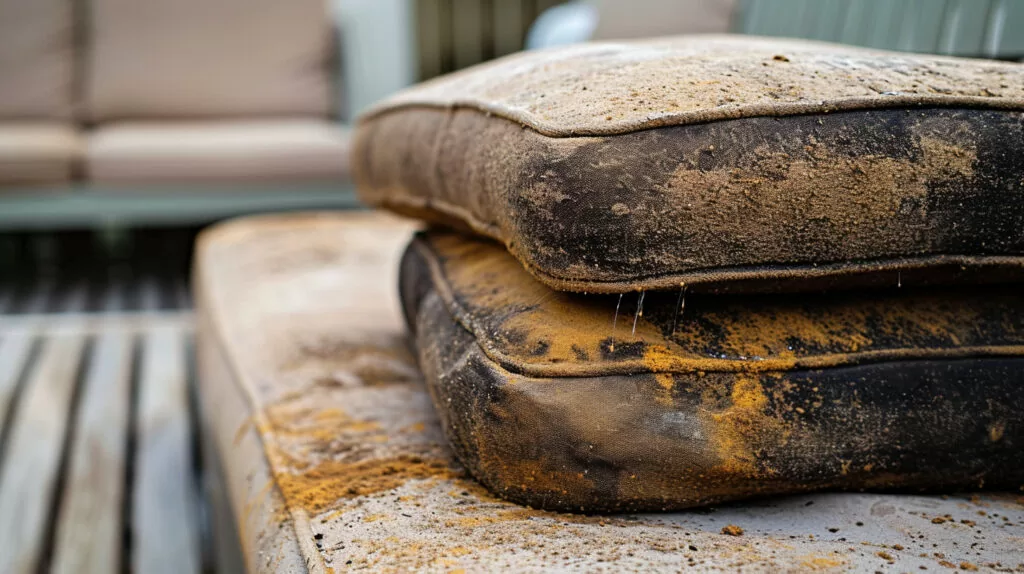
Mold looks like fuzzy or slimy patches. Colors include white, green, black, or gray. It often appears in corners or under cushions. A musty smell may come from the furniture. Surfaces may feel damp or sticky. Mold can cause paint or finish to peel. Look for spots that spread over time.
Types Of Mold Affecting Furniture
Black mold is the most harmful type. It can cause health problems. Green mold grows on wood and fabric. It is common in humid places. White mold appears powdery or fluffy. It often grows on plastic or metal. Pink mold shows as slimy, pink stains. It usually grows in very wet areas. Each type requires different cleaning methods.
Health Risks Linked To Mold Exposure
Mold on outdoor furniture is more than just an eyesore. It can cause serious health problems. Mold releases tiny spores into the air. These spores can enter your body through breathing. The health risks vary depending on how much mold you breathe in and your personal sensitivity.
Understanding these health risks is key to deciding if you should throw away moldy furniture. Mold exposure can trigger allergic reactions and respiratory issues. Some people are more vulnerable to these effects. Knowing who is at risk helps protect your family and guests.
Allergic Reactions And Respiratory Issues
Mold spores often cause allergic reactions. Sneezing, runny nose, and itchy eyes are common signs. Some people develop skin rashes or watery eyes. Breathing mold spores may also cause coughing and wheezing. For people with asthma, mold can worsen symptoms. Long-term exposure might lead to chronic breathing problems. Mold can irritate the lungs and throat. These effects can reduce your overall health and comfort.
Who Is Most Vulnerable?
Young children and older adults are more at risk. Their immune systems are weaker than healthy adults. People with asthma or allergies face higher risks. Those with lung diseases may suffer severe reactions. Immune-compromised individuals need to avoid mold exposure. Pregnant women should also be cautious. Mold can affect the health of both mother and baby. Knowing these risks helps you decide if you should keep or discard moldy outdoor furniture.
Assessing The Damage To Furniture
Assessing the damage to moldy outdoor furniture is the first step before deciding to throw it away. The extent of mold affects if the furniture can be saved or not. Mold can either stay on the surface or go deep into the structure. Knowing the difference helps you choose the right action.
Surface Vs. Structural Mold Damage
Surface mold appears as spots or patches on the furniture. It often looks fuzzy or discolored. This type of mold is easier to clean with proper tools and cleaners. Structural mold damage goes deeper. It affects the inside of the material. This damage weakens the furniture’s strength. Structural mold is harder to remove and may require replacement.
Material-specific Vulnerabilities
Different materials react differently to mold. Wood soaks up moisture and mold easily. Mold can cause wood to rot and break. Metal furniture resists mold but can rust if paint is damaged. Plastic and synthetic materials resist mold better. Still, mold can grow on dirt or grime on these surfaces. Knowing the material helps you decide if cleaning or replacing is best.
Effective Cleaning Methods
Removing mold from outdoor furniture is possible with the right cleaning methods. Choosing an effective approach saves money and extends furniture life. Cleaning also keeps your outdoor space safe and pleasant. Below are some simple and useful ways to clean mold from furniture.
Natural Remedies For Mold Removal
Vinegar is a popular natural cleaner. Spray white vinegar directly on moldy areas. Let it sit for one hour, then scrub with a brush. Baking soda also helps. Mix baking soda with water to form a paste. Apply it on mold spots and scrub gently. Rinse with water and let dry in the sun. Sunlight kills mold spores and dries moisture.
Commercial Cleaners And Their Use
Many commercial cleaners target mold effectively. Choose one made for outdoor furniture. Follow the instructions on the label carefully. Usually, you spray the cleaner and wait a few minutes. Then scrub the furniture with a brush. Rinse thoroughly with water to remove residues. Test the cleaner on a small spot first to avoid damage.
Safety Precautions During Cleaning
Wear gloves and a mask to protect your skin and lungs. Work in a well-ventilated area to avoid inhaling fumes. Avoid mixing different cleaning products as it can cause harmful reactions. Use soft brushes to prevent scratches on furniture surfaces. After cleaning, wash your hands and clothes thoroughly.
When To Consider Disposing Furniture
Deciding to throw away moldy outdoor furniture can be tough. Sometimes, cleaning works well. Other times, the damage is too bad. Knowing when to dispose of furniture helps keep your space safe and fresh.
Signs That Mold Is Beyond Repair
Look for deep stains that don’t come off. Smells that stay strong even after cleaning. Soft or crumbling wood or fabric. Mold growing inside cushions or hidden spots. These signs mean mold has spread too much. The furniture might be unsafe to use.
Environmental Considerations For Disposal
Throwing away furniture affects the environment. Choose disposal methods that reduce waste. Recycle parts like metal or plastic if possible. Check local rules for disposing large items. Avoid burning furniture because it harms air quality. Proper disposal protects nature and your community.
Credit: www.patioproductions.com
Preventing Mold On Outdoor Furniture
Preventing mold on outdoor furniture keeps it looking fresh and lasting longer. Mold grows fast in damp, shady spots. It can damage surfaces and cause health problems. Taking simple steps stops mold before it starts. Clean furniture often and keep it dry. Store it smartly during wet seasons. Use covers and protective treatments to block moisture. These actions save time and money on repairs.
Proper Maintenance And Storage Tips
Clean furniture regularly with mild soap and water. Rinse well and dry completely. Check for mold spots after rain or dew. Move furniture to sunny areas to dry faster. Store cushions and fabrics inside when not in use. Use a shed or garage during winter. Avoid placing furniture directly on damp ground. Elevate pieces with small blocks or mats. Air circulation helps keep surfaces dry and mold-free.
Protective Treatments And Covers
Apply mold-resistant sprays or sealants on wood and metal. These create barriers against moisture and spores. Reapply treatments every few months for best results. Use outdoor furniture covers made of waterproof materials. Ensure covers fit well and allow some air flow. Remove covers occasionally to prevent trapped moisture. Choose breathable fabrics that block rain but reduce condensation. Covers protect furniture during rain, snow, and dust.
Expert Recommendations And Tips
Experts suggest careful steps before deciding to throw away moldy outdoor furniture. Mold can damage furniture deeply. Some pieces might be saved with proper care. Knowing the right approach helps protect your health and your wallet. Below are key tips from professionals on handling moldy outdoor furniture safely and smartly.
Professional Mold Remediation Services
Professional mold removal is often the safest choice. Experts use tools and cleaners that remove mold without spreading spores. They check hidden areas where mold hides. This thorough cleaning stops mold from returning quickly. Professionals also assess if the furniture is too damaged to save. Their advice helps you avoid health risks linked to mold exposure.
Balancing Cost And Furniture Longevity
Consider repair costs versus buying new furniture. Some mold damage is easy to fix with cleaning products. Others need part replacement or repainting. If restoration costs near new furniture prices, replacement may be better. High-quality furniture often lasts longer after mold removal. Low-cost items might not be worth saving. Think about your budget and how long you want the furniture to last.

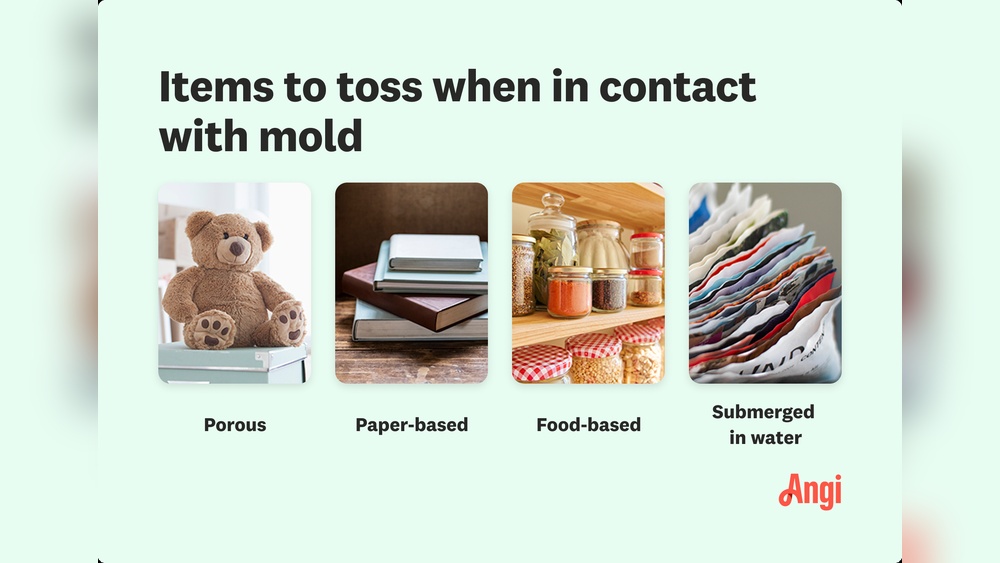
Credit: www.angi.com
Frequently Asked Questions
Can Moldy Outdoor Furniture Be Cleaned Effectively?
Yes, most mold on outdoor furniture can be cleaned using soap, water, and a scrub brush. For stubborn mold, use a mixture of vinegar or bleach diluted with water. Always wear protective gear and test a small area first to avoid damage.
Is Mold On Outdoor Furniture Harmful To Health?
Mold on outdoor furniture can cause allergic reactions and respiratory issues. Exposure to mold spores may trigger asthma or skin irritation. It’s best to clean mold promptly and avoid prolonged contact, especially for sensitive individuals.
When Should You Discard Moldy Outdoor Furniture?
Discard moldy furniture if the mold has deeply penetrated or caused structural damage. Also, if cleaning fails to remove mold or odors, replacement is safer. Severely damaged or porous materials like fabric or wood often require disposal.
How To Prevent Mold Growth On Outdoor Furniture?
Prevent mold by keeping furniture clean and dry. Store items in a covered area during rain or humidity. Use protective covers and apply mold-resistant sealants or paints to porous surfaces for added protection.
Conclusion
Moldy outdoor furniture can be cleaned or replaced. Check the damage carefully before deciding. Clean mold with simple solutions and brush gently. Some furniture may not be safe after mold growth. Wood often absorbs mold and may weaken. Plastic or metal furniture usually cleans well.
Always dry furniture completely to stop mold return. Keeping furniture clean helps it last longer. Choose safety and comfort when using outdoor pieces. Mold should not be ignored or left to spread. Your choice depends on cost, damage, and safety.