Are you wondering when your child is ready for a bunk bed? It’s a common question for many parents looking to save space and add a bit of fun to their kid’s room.
But safety comes first. Knowing the right age for a child to use a bunk bed can give you peace of mind and keep your little one safe. You’ll discover the key factors to consider before making the switch. Keep reading to find out exactly when your child can enjoy the excitement of a bunk bed without any worries.

Credit: www.customkidsfurniture.com
Recommended Age For Bunk Beds
Bunk beds are a popular choice for kids’ rooms. They save space and look fun. But safety is the top concern. Knowing the right age for a child to use a bunk bed helps avoid accidents. Parents should follow clear guidelines to keep their kids safe.
Many experts agree that age matters. It is not just about height or weight. The child’s ability to understand rules also plays a role. Let’s explore the recommended age and factors that influence it.
Minimum Age Guidelines
Most safety experts suggest children should be at least 6 years old. Younger kids may not have the coordination to climb safely. They also might not follow safety rules well. The top bunk is a risk for falls and injuries. The bottom bunk is safer for younger children. Some bunk beds come with guardrails, but these are not foolproof. Age 6 is a good general minimum for top bunk use.
Factors Influencing Age Suitability
Every child is different. Some may be ready earlier or later than age 6. Parents should watch for maturity and physical ability. Can the child climb up and down safely? Does the child understand not to jump or lean over rails? The bed’s design also matters. Sturdy ladders and strong guardrails improve safety. Room size and lighting affect safe access too. Careful supervision is needed until the child shows confidence.
Safety Risks Of Bunk Beds
Bunk beds save space and look fun. Still, they come with safety risks. Parents must know these risks before letting children use bunk beds. Understanding these dangers helps prevent accidents and injuries.
Common Injuries
Falls from the top bunk cause most injuries. Kids can hit their heads on the floor or bed frame. Cuts, bruises, and broken bones happen too. Climbing the ladder can lead to slips and falls. Sometimes, children get stuck or trapped between the bed rails.
Preventing Falls And Accidents
Use guardrails on both sides of the top bunk. Make sure the ladder is strong and easy to climb. Teach children to climb carefully and not jump from the bed. Place the bunk bed away from ceiling fans and windows. Keep the floor clear of toys and clutter. Regularly check the bed for loose screws or broken parts.
Choosing The Right Bunk Bed
Choosing the right bunk bed is important for your child’s safety and comfort. The right bunk bed makes bedtime fun and secure. It also fits well in your child’s room and lasts for years. Focus on strong materials and smart design. These factors keep your child safe while sleeping or playing.
Materials And Build Quality
Choose bunk beds made from solid wood or metal. Solid wood beds are sturdy and last long. Metal beds can be strong but check for sharp edges. Avoid beds with thin or weak parts. Look for smooth finishes to stop splinters and scratches. A well-built bed holds weight and stays stable.
Guardrails And Ladder Design
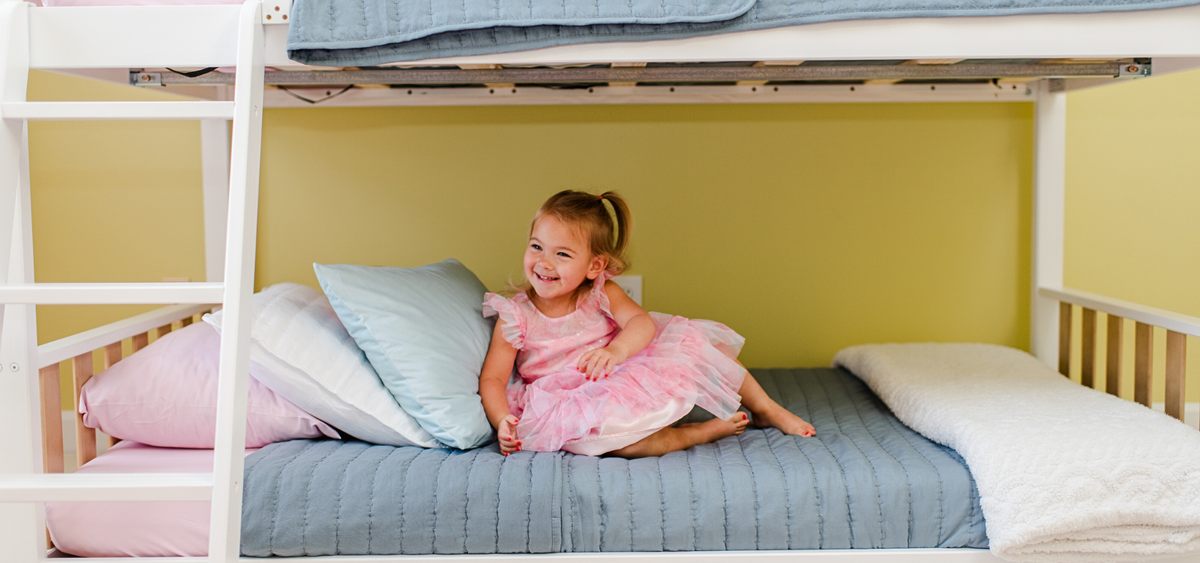
Guardrails keep your child safe from falls. The top bunk must have guardrails on all sides. The guardrails should be high enough to stop rolling over. Ladder design matters for easy climbing. Steps should be wide and non-slip. A ladder fixed firmly to the bed is best. Avoid ladders that wobble or feel loose.
Credit: maxandlily.com
Setting Up Bunk Beds Safely
Setting up bunk beds safely is important for your child’s security. Bunk beds save space but need careful preparation. Proper setup helps prevent accidents and injuries. This section covers key tips to make bunk beds safe and comfortable.
Proper Assembly Tips
Follow the manufacturer’s instructions closely. Use all screws and bolts provided. Tighten every connection securely. Check for sharp edges or loose parts. Place guardrails on the top bunk on all sides. Test the ladder for stability before use. Regularly inspect the bed for wear or damage. Replace any broken parts immediately.
Room Placement Considerations
Place the bunk bed away from windows to avoid falls. Keep it clear of ceiling fans and light fixtures. Leave enough space around the bed for easy movement. Avoid placing the bed near heaters or air vents. Ensure good lighting for safe climbing at night. Make sure the floor is level and sturdy under the bed.
Supervision And Rules For Kids
Supervision and clear rules keep children safe in bunk beds. Kids need guidance to use bunk beds properly. Parents play a key role in teaching safety habits. Setting boundaries helps prevent accidents and injuries.
Establishing Usage Guidelines
Set age limits for using the top bunk. Explain why younger children should avoid climbing up. Only allow kids who understand and follow rules to use bunk beds. Make bedtime routines consistent and safe. Limit rough play near the bed. Teach children to climb carefully and always use the ladder. Keep the area free of toys and clutter to avoid falls.
Monitoring And Teaching Safety
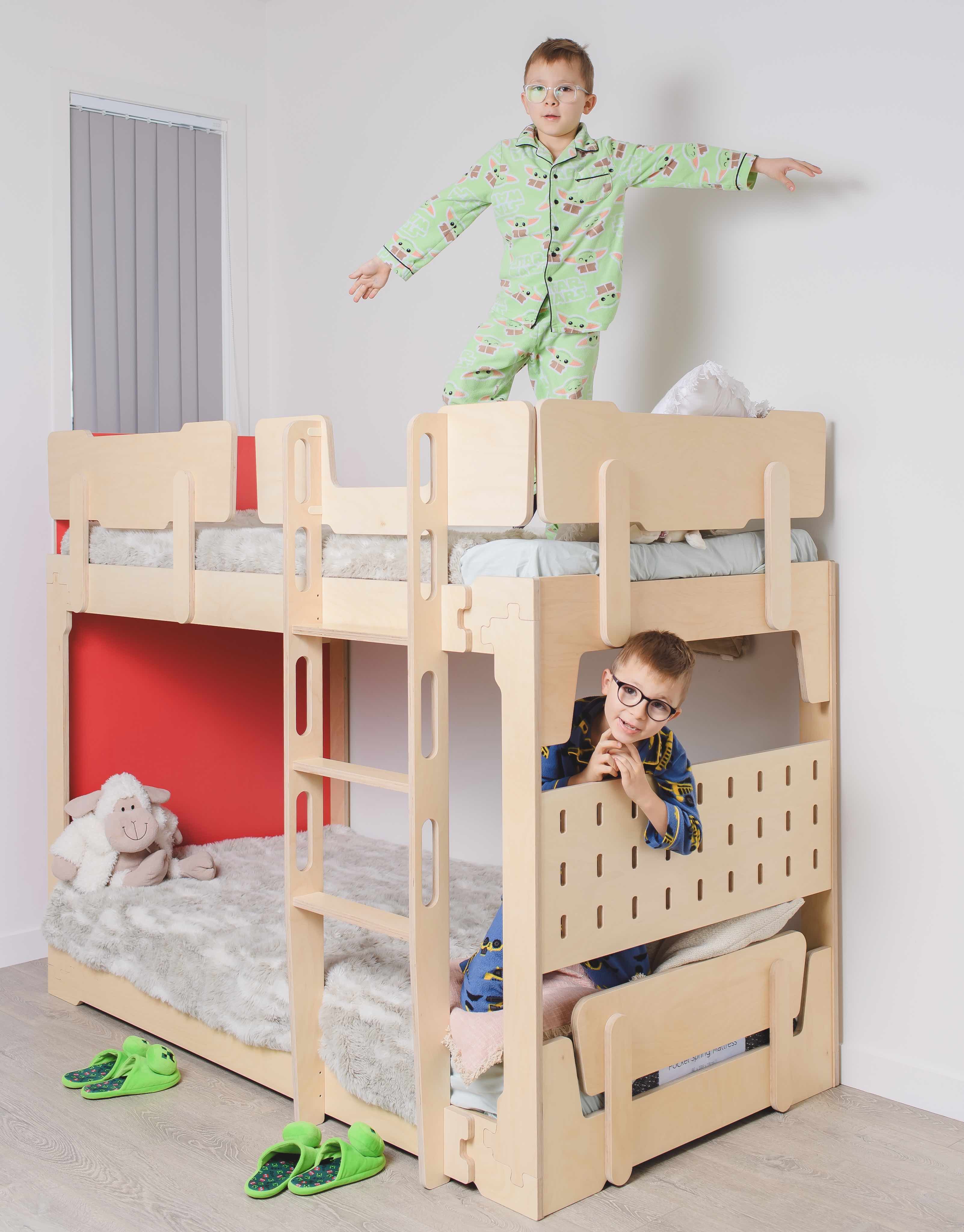
Watch children closely when they start using bunk beds. Remind them about safety rules often. Check the bed’s stability and guardrails regularly. Show kids how to climb up and down slowly. Encourage quiet behavior to prevent falls at night. Teach kids to alert adults if they feel unsafe or scared. Praise safe behavior to reinforce good habits.
Credit: kitsmart.co.nz
Alternatives To Bunk Beds
Not every child may be ready for a bunk bed. Parents seek safe and practical alternatives. These options save space and keep kids comfortable. Two popular choices are loft beds and trundle beds. Both provide fun and functional sleeping areas.
Loft Beds
Loft beds lift the mattress off the floor. This creates extra space underneath for play or storage. Kids enjoy having a special area below their bed. Loft beds suit older children who can climb safely. They help make small rooms feel bigger.
Trundle Beds
Trundle beds have a second mattress hidden under the main bed. Pull it out when guests or siblings visit. This option is great for sleepovers and tight spaces. Trundle beds are low to the ground, making them safe for younger kids. They combine comfort with smart design.
Frequently Asked Questions
At What Age Is A Bunk Bed Safe For Children?
Children are generally safe to use bunk beds from age 6 and above. Younger kids may risk falls. Always follow manufacturer guidelines and ensure guardrails are secure.
Why Are Bunk Beds Not Recommended For Toddlers?
Toddlers have poor balance and motor skills, increasing fall risks. They also struggle with climbing ladders safely, making bunk beds unsafe for under-6s.
How Can Parents Ensure Bunk Bed Safety?
Install guardrails on all sides of the top bunk. Use sturdy ladders and teach children safe climbing habits. Regularly check bed stability and hardware.
Are There Legal Age Restrictions For Bunk Bed Use?
There are no strict laws, but safety experts advise against use under age 6. Follow product instructions and safety standards for best practices.
Conclusion
Choosing the right age for a child to use a bunk bed keeps them safe and happy. Most experts suggest waiting until kids are at least six years old. Always check if your child feels comfortable climbing up and down.
Use guardrails to prevent falls during sleep. Regularly inspect the bunk bed for any loose parts or damage. Safety matters more than style or size. A safe bunk bed can become a fun and cozy space for your child. Keep these tips in mind to make the best decision.