Choosing the right mattress size for your bunk bed can be confusing. You want your mattress to fit perfectly, be comfortable, and safe.
If you pick the wrong size, it could cause problems like slipping or poor support. This guide will help you understand exactly what size mattress fits on a bunk bed. By the end, you’ll know how to make the best choice for your space and your sleep.
Keep reading to find the perfect mattress size that matches your bunk bed and meets your needs.
Credit: mattresstodoor.com
Common Bunk Bed Mattress Sizes
Bunk beds save space and add fun to any room. Choosing the right mattress size is key. Common sizes fit most bunk beds well. These sizes include twin, twin XL, and full mattresses. Each size offers different comfort and space levels.
Understanding these sizes helps pick the best mattress for your bunk bed. It also ensures safety and comfort for the sleeper. Let’s explore the most common bunk bed mattress sizes.
Twin Mattresses
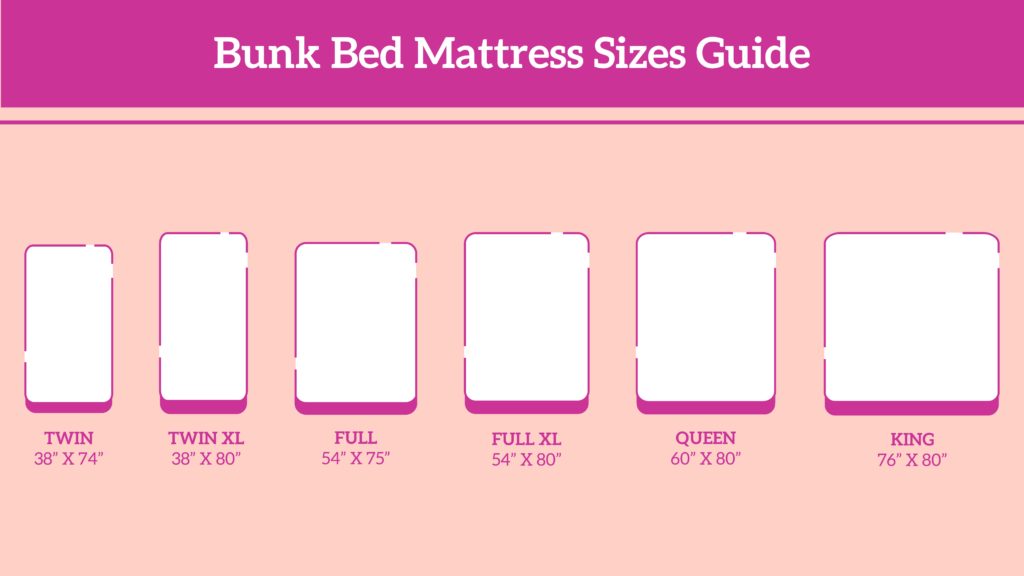
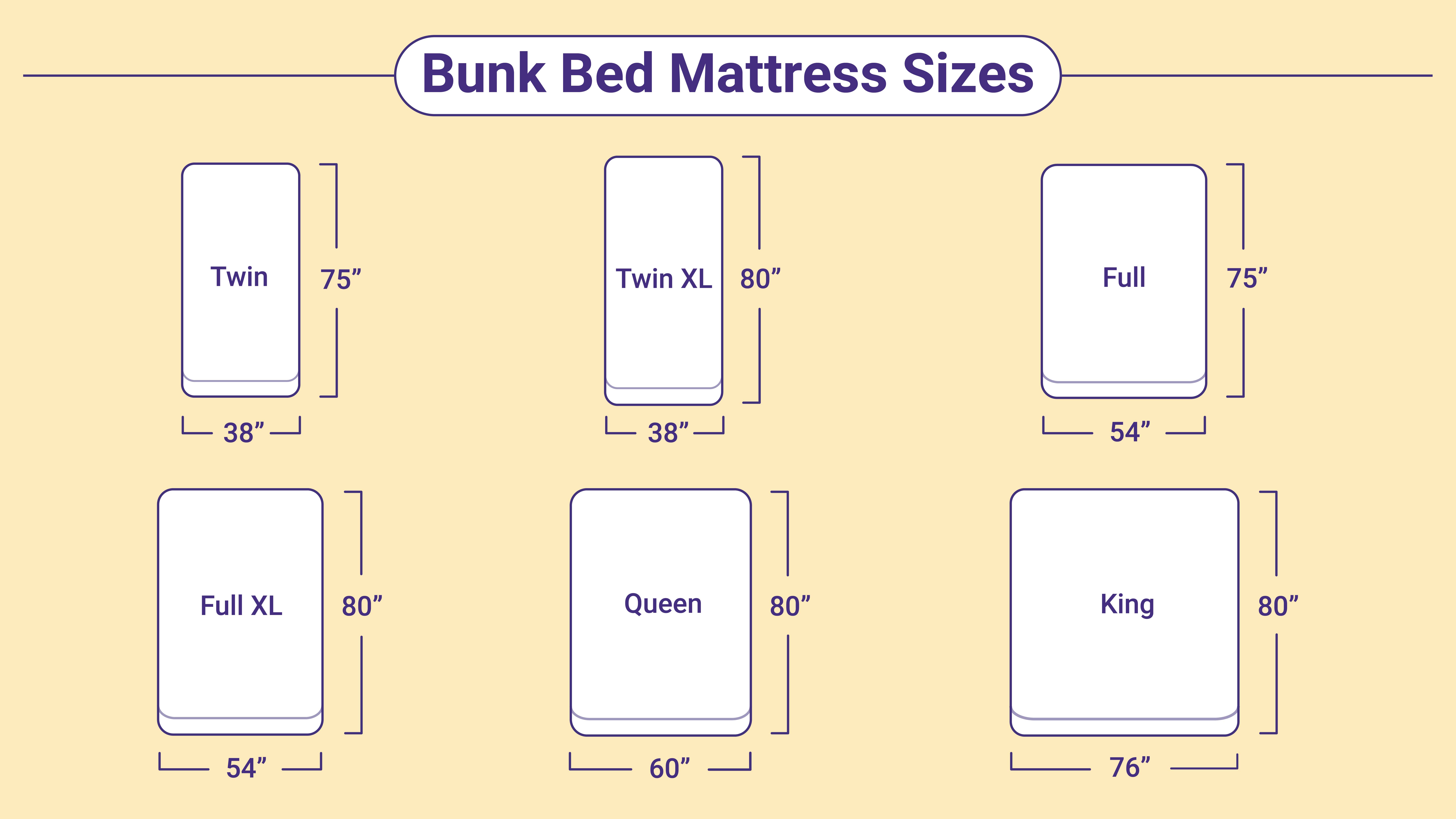
Twin mattresses are the most popular choice for bunk beds. They measure about 38 inches wide and 75 inches long. This size fits standard bunk bed frames perfectly. Twin mattresses are light and easy to move. They work well for children and teens. Many bunk beds use twin size for both top and bottom bunks.
Twin Xl Mattresses
Twin XL mattresses are slightly longer than twin mattresses. They measure 38 inches wide and 80 inches long. This size suits taller sleepers who need extra legroom. Twin XL mattresses fit some bunk beds designed for adults. They provide more comfort without using extra width. Twin XL is common in dorm rooms and shared spaces.
Full Mattresses
Full mattresses are wider than twin sizes. They measure 54 inches wide and 75 inches long. Full mattresses fit some bunk beds made for more space. They work well for adults or couples sharing a bunk. Full size offers more sleeping room but needs more floor space. These mattresses are heavier and may require stronger bed frames.
Credit: eachnight.com
Measuring Your Bunk Bed Frame
Measuring your bunk bed frame is the first step to find the right mattress size. Accurate measurements help avoid buying a mattress that does not fit. Take your time and measure carefully. This ensures a safe and comfortable fit for the mattress on the bunk bed.
Use a tape measure and write down each dimension. Check the frame from all sides. Focus on width, length, height, and mattress thickness limits. These details matter a lot.
Width And Length Measurements
Start by measuring the width inside the bed frame. Measure from one inner side to the other. This shows the mattress width that will fit. Then, measure the length inside the frame. Measure from the headboard to the footboard inside edges. These two numbers tell you the mattress size you need.
Standard bunk beds often fit twin mattresses. Twin size is about 39 inches wide and 75 inches long. But some frames need a different size. Always measure to be sure.
Height And Thickness Considerations
Next, measure the height of the bed frame. Check the space from the mattress base to the top guardrail. This space limits how thick the mattress can be. Too thick, and the mattress might touch the guardrails. This can be unsafe, especially on the top bunk.
Measure mattress thickness carefully. Many bunk beds fit mattresses 6 to 8 inches thick. Thicker mattresses can cause accidents or block ladders. Choose a mattress that fits well in height and thickness.
Choosing The Right Mattress Thickness
Choosing the right mattress thickness for a bunk bed is important. It affects safety and comfort. The mattress must fit well without causing risks. Thick mattresses may be soft but could be unsafe on the top bunk. Thin mattresses fit better but might feel hard. Finding the right balance is key to a good sleep.
Safety Standards For Top Bunk
The mattress on the top bunk should never be too thick. It must stay below the guardrails to prevent falls. Most experts recommend a mattress no thicker than 6 to 8 inches. This height keeps sleepers safe and secure. Always check the bunk bed’s manual for specific limits. Safety should always be the first priority.
Comfort Vs. Fit Balance
A mattress that fits well but feels uncomfortable is not ideal. Thin mattresses may protect safety but lack cushioning. Thicker mattresses offer comfort but might not fit safely. Choose a mattress that is firm yet soft enough for restful sleep. Memory foam or hybrid mattresses often provide a good balance. The goal is a safe and cozy sleep space for the user.
Material Options For Bunk Bed Mattresses
Choosing the right material for a bunk bed mattress matters a lot. It affects comfort, support, and sleep quality. Many materials suit bunk beds, each with unique benefits. This guide covers common mattress materials to help pick the best fit for your bunk bed.
Memory Foam Mattresses
Memory foam mattresses mold to the body shape. They relieve pressure points and reduce movement. These mattresses are quiet and do not squeak. Memory foam often works well in bunk beds for kids and adults. It also tends to be lightweight and easy to handle.
Innerspring Mattresses
Innerspring mattresses have coils inside for support. They offer firm and bouncy comfort. These mattresses provide good airflow, keeping sleepers cool. Innerspring mattresses are durable and budget-friendly. They fit many bunk bed frames, especially traditional ones.
Hybrid Mattresses
Hybrid mattresses combine foam and innerspring layers. They balance softness and support effectively. These mattresses suit those who want the best of both worlds. Hybrid options are often thicker but still fit bunk beds. They provide comfort for different sleeping styles.
Tips For Buying Bunk Bed Mattresses
Choosing the right mattress for a bunk bed needs care. The mattress must fit well and be safe. Comfort matters too. A good mattress helps kids sleep better. Here are some tips to guide your choice.
Budget Considerations
Set a clear budget before buying. Bunk bed mattresses vary in price. Some cost less but wear out fast. Others last longer but cost more. Think about how often you will use it. Spend wisely to get good value.
Durability And Maintenance
Durability is key for bunk bed mattresses. Kids jump and move a lot. Choose materials that resist wear and tear. Easy cleaning is a plus. Look for mattress covers that you can wash. This keeps the bed fresh and hygienic.
Allergy-friendly Choices
Allergies affect many children. Pick mattresses made from hypoallergenic materials. These reduce dust mites and allergens. Breathable fabrics help prevent mold and moisture. A mattress that supports health ensures better sleep.
Credit: www.sleepjunkie.com
Custom Mattress Solutions
Bunk beds often need mattresses that are not standard sizes. Many bunk beds have unique dimensions. This makes it hard to find a mattress that fits well and feels comfortable.
Custom mattress solutions solve this problem by making mattresses to fit exact measurements. These mattresses give better support and safety. They also help maximize the sleeping space on the bunk bed.
When Standard Sizes Don’t Fit
Standard mattresses come in limited sizes like twin or full. Bunk beds can be narrower or shorter than these sizes. A mattress that is too big or too small can be unsafe.
Custom mattresses match the bed frame perfectly. This prevents gaps where children could get stuck. Custom sizes also improve the look and feel of the bunk bed.
Working With Mattress Makers
Mattress makers can create custom sizes using your bed’s exact dimensions. They use materials that fit your comfort and budget needs. You can choose firmness, thickness, and fabric types.
It helps to measure your bunk bed carefully before ordering. Share these measurements with the mattress maker. They will guide you through options that work best for your bed.
Frequently Asked Questions
What Size Mattress Fits A Standard Bunk Bed?
A standard bunk bed typically uses a twin-size mattress. This mattress measures 38 inches wide by 75 inches long. It offers a comfortable fit and safety for most bunk bed frames. Always check the bed frame specifications before purchasing a mattress.
Can A Full-size Mattress Be Used On A Bunk Bed?
Full-size mattresses can fit some bunk beds but are less common. They measure 54 inches wide by 75 inches long. Ensure your bunk bed frame supports the wider mattress and weight before choosing this size for safety.
Are Twin Xl Mattresses Suitable For Bunk Beds?
Twin XL mattresses, measuring 38 by 80 inches, can fit certain bunk beds. They offer extra length for taller sleepers. Confirm the bunk bed frame’s compatibility with twin XL sizes to avoid fitting issues and ensure safety.
What Thickness Mattress Is Best For Bunk Beds?
Mattress thickness for bunk beds usually ranges between 6 to 8 inches. Thicker mattresses may reduce guardrail effectiveness and increase fall risk. Always follow the manufacturer’s mattress thickness recommendations for safety and comfort.
Conclusion
Choosing the right mattress size for a bunk bed matters a lot. Twin mattresses fit most bunk beds perfectly. Some bunk beds may use twin XL or full sizes. Always check the bed frame measurements before buying. A proper fit keeps the mattress safe and comfortable.
It also helps the bed last longer. Remember, safety and comfort come first. The right mattress makes sleeping better for kids or guests. Keep these tips in mind to pick the best mattress size for your bunk bed.