Are you thinking about getting a bunk bed for your child but wondering if they’re old enough? Choosing the right time to introduce a bunk bed is important for your child’s safety and comfort.
You want to make sure your little one can climb up and down safely without risking a fall. You’ll discover the ideal age for a child to start using a bunk bed, along with tips to keep them secure and happy.
Keep reading to make the best choice for your family’s needs.
Recommended Age For Bunk Beds
Choosing the right age for a child to start using a bunk bed is important for safety. Bunk beds can be fun and save space, but not every child is ready for them. Parents must consider several factors before making this choice.
Minimum Age Guidelines
Most experts suggest children should be at least six years old to use a bunk bed. Younger kids may not have the coordination or awareness to climb safely. The top bunk is especially risky for toddlers and preschoolers. Many manufacturers include age recommendations on their products. Following these guidelines helps reduce the risk of falls and injuries.
Developmental Considerations
Each child grows at a different pace. Some kids may be ready for a bunk bed earlier than others. Consider your child’s ability to climb stairs or ladders safely. Also, assess if they understand the importance of staying seated on the top bunk. Children with restless sleep or fear of heights may not be suited for bunk beds. Watch your child’s physical skills and confidence before making this decision.
Safety Features To Look For
Choosing a bunk bed for a child requires careful attention to safety. Some features can prevent falls and injuries. Parents should check these features before buying. Safety makes bunk beds a smart choice for kids.
Safe design helps children enjoy their beds without risk. Understanding key safety elements can guide parents in selecting the right bunk bed.
Guardrails And Bed Height
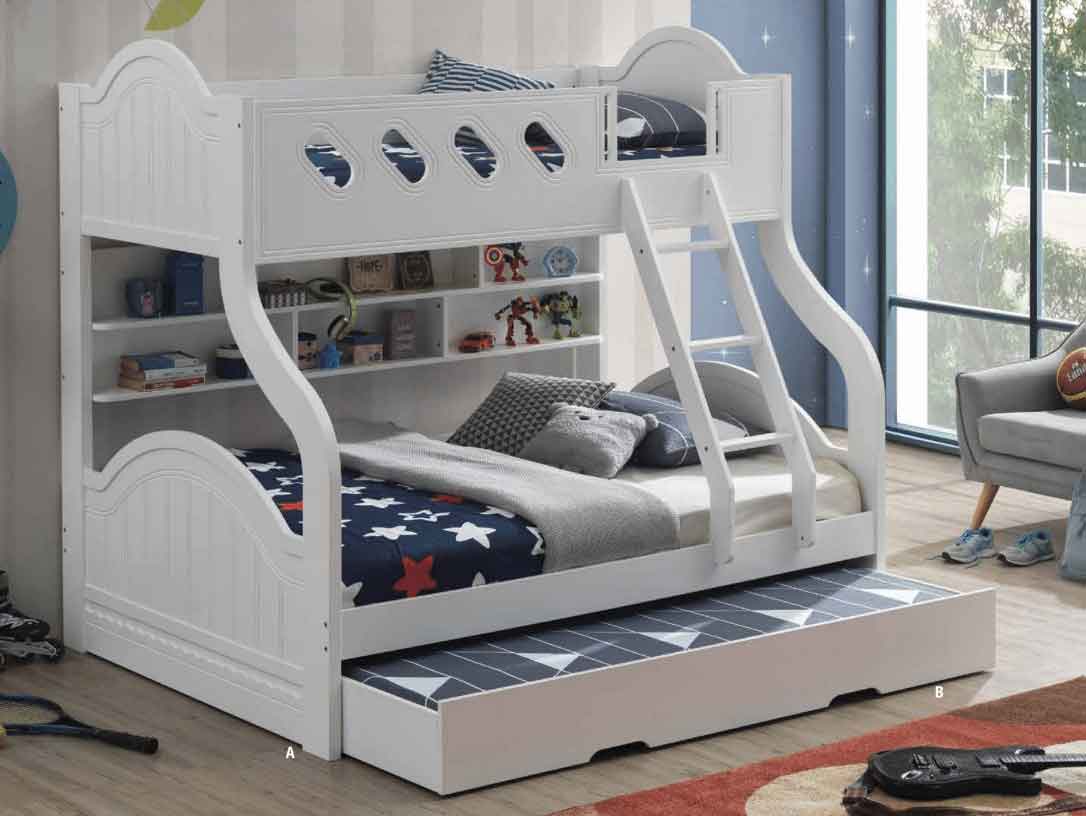
Guardrails stop children from rolling off the bed. Make sure guardrails cover the entire length of the bed. The height of the guardrails should be enough to keep kids safe.
The top bunk should not be too high. A lower bed height reduces the chance of serious injury. Check that the bed meets safety standards for height and guardrails.
Sturdy Ladder Design
The ladder must be strong and stable. It should have wide steps for easy climbing. Non-slip surfaces on the ladder steps add extra safety.
Secure attachment to the bed frame is important. Avoid ladders that wobble or move. A good ladder design helps children climb safely up and down the bunk bed.
Risks Associated With Early Use
Using a bunk bed too early can bring serious risks for young children. Their bodies and coordination are still developing. This makes some dangers more likely. Understanding these risks helps parents make safer choices.
Falls And Injuries
Falls from bunk beds are a common cause of injuries in children. Young kids may not have the balance or strength to climb safely. The top bunk can be especially risky. A fall can cause broken bones, cuts, or head injuries.
Guardrails help but do not eliminate all risks. Kids under six often do not use them correctly. They may try to climb over or lean too far. Parents need to consider these dangers before letting children use bunk beds.
Sleep Safety Concerns
Small children sometimes roll a lot in their sleep. This increases the chance they could fall off the bed. Bunk beds also have gaps where a child might get stuck. This could lead to breathing problems or panic.
Children under six should avoid bunk beds because their sleep habits are less controlled. Safe sleep means avoiding places where children can get trapped or hurt. Choosing the right age to start using a bunk bed helps keep children safe.
Credit: www.justbunkbeds.com
Expert Recommendations
Choosing the right age for a child to use a bunk bed is important for safety. Experts give clear advice on this topic. Their recommendations help parents decide when a bunk bed is safe for their child. These guidelines come from doctors and safety organizations. They focus on preventing injuries and ensuring children sleep safely.
Pediatrician Advice
Pediatricians suggest children should be at least six years old before using a top bunk. At this age, kids have better balance and coordination. They understand safety rules better than younger children. Pediatricians warn that younger kids may fall or get hurt. They recommend using guardrails on all sides of the top bunk. Parents should teach children not to jump or play on the bed.
Safety Organization Guidelines
Safety groups like the U.S. Consumer Product Safety Commission set rules for bunk beds. They advise the top bunk is only for children six years and older. Guardrails must be at least 5 inches above the mattress top. The ladder should be sturdy and easy to climb. These groups also recommend checking bunk beds regularly for loose parts. Following these guidelines lowers the risk of accidents and injuries.
Preparing Your Child For A Bunk Bed
Preparing your child for a bunk bed is important for their safety and comfort. Kids must learn how to use it properly before sleeping there. Teaching them safe habits helps prevent accidents and makes bedtime easier. Clear rules give children a sense of security and routine. Start these lessons early to build confidence and awareness.
Teaching Safe Climbing Habits
Show your child how to climb the ladder slowly and carefully. Remind them to hold the rails with both hands. Teach them to keep one foot on each step. Explain why jumping off the bunk bed is dangerous. Practice climbing together until they feel steady and sure. Praise their efforts to encourage safe behavior.
Establishing Bedtime Rules
Set clear rules about using the bunk bed at night. Tell your child not to play or jump on the bed. Make sure they understand the importance of staying in bed. Create a consistent bedtime routine to help them settle down. Use gentle reminders to reinforce the rules. This helps your child feel safe and calm before sleep.
Credit: maxandlily.com
Alternatives To Bunk Beds
Choosing the right bed for a child is important. Bunk beds suit some families, but others want different options. Alternatives to bunk beds offer safety and style. They fit various room sizes and child ages. Exploring these choices helps find the best fit.
Loft Beds And Low Beds
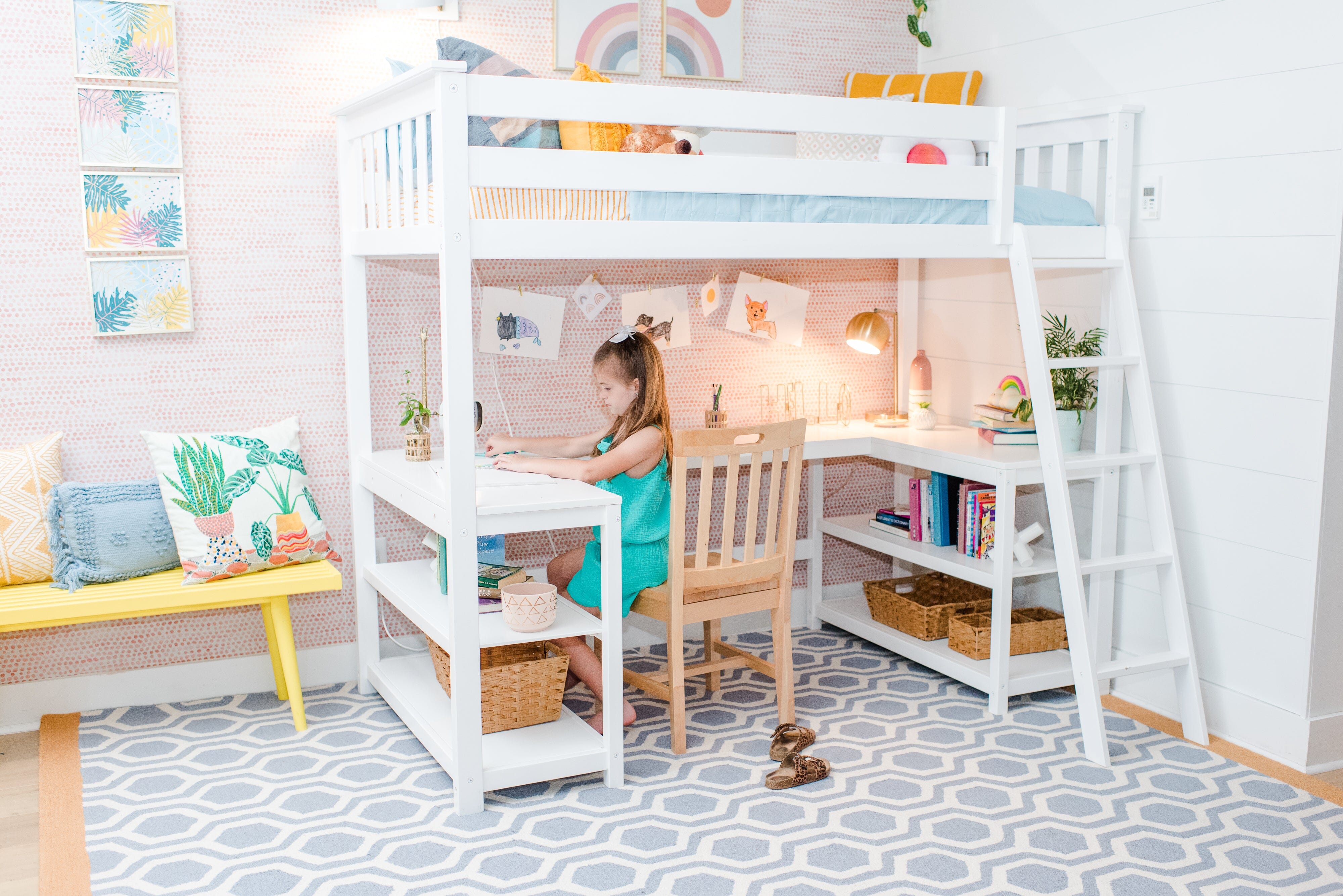
Loft beds lift the bed off the floor. This creates space underneath for play or storage. They are good for older kids who climb safely. Low beds sit close to the floor. They reduce the risk of falls for younger children. Both types save room and look fun.
Space-saving Furniture Options
Space-saving furniture helps small rooms feel bigger. Beds with drawers or shelves use space well. Fold-away beds tuck away when not used. These options keep rooms tidy and organized. They work well for growing children and tight spaces.

Credit: www.customkidsfurniture.com
Frequently Asked Questions
At What Age Is It Safe For A Child To Use A Bunk Bed?
Children aged 6 and older are generally safe to use bunk beds. Younger kids risk falls due to less developed motor skills. Always follow manufacturer guidelines and ensure safety features like guardrails are in place.
Why Are Bunk Beds Not Recommended For Children Under 6?
Children under 6 may lack balance and coordination, increasing fall risk. Their bones are still developing and injuries can be serious. Experts advise waiting until a child is at least 6 before using a bunk bed.
How Can I Make Bunk Beds Safer For Young Children?
Install sturdy guardrails and ensure a firm ladder. Place the bunk bed away from ceiling fans and windows. Use safety-approved mattresses and educate children on safe use to prevent accidents.
Can Toddlers Use The Bottom Bunk Safely?
Toddlers can use the bottom bunk if it’s close to the floor and has guardrails. However, supervision is essential. The top bunk should remain off-limits until the child is older.
Conclusion
Choosing the right age for a child to use a bunk bed matters. Safety always comes first. Most experts suggest children be at least six years old. At this age, kids are usually better at climbing and understanding risks. Make sure the bunk bed has guardrails and a sturdy ladder.
Always check the bed’s quality before use. Keep an eye on younger children around bunk beds. This helps prevent accidents and keeps playtime fun. A safe bunk bed can add space and joy to a child’s room. Think carefully, and choose wisely for your child’s comfort and safety.