Are you wondering when your little one is ready to move from a crib to a toddler bed? This change is a big step for both you and your child.
Getting the timing right can make bedtime smoother and safer. You’ll discover the key signs to watch for and the best age to make the switch. Keep reading to find out how to make this transition comfortable and exciting for your child—and stress-free for you.
Signs Your Child Is Ready
Knowing when your child is ready for a toddler bed is important for their safety and comfort. Watch for clear signs that show they are prepared to make the change. These signs help avoid accidents and make the transition smooth.
Climbing Out Of Crib
One of the first signs is climbing out of the crib. This can be dangerous and means your child may need more space. Climbing shows they are physically ready to get in and out of bed on their own.
Showing Interest In Big Bed
Your child may talk about a “big kid bed” or want to sleep where older siblings do. This interest shows they feel ready for a new sleeping space. It also means they want more freedom and independence.
Physical Development Factors
Good balance and coordination are key. Your child should be able to sit up, roll over, and move easily. These skills help them stay safe in a toddler bed. Weight and height also matter. The bed should fit your child well without risk of falling.
Ideal Age Range For Transition
Choosing the right time to move your child to a toddler bed is important. This change can affect their sleep and comfort. Knowing the ideal age helps make the transition smooth and safe. This section explains the typical age range and what to watch for.
Common Age Milestones
Most children switch to a toddler bed between 18 months and 3 years old. Many start closer to 2 years old. This is when they begin to outgrow their crib. They also start to show more independence. Around this age, children can climb out of cribs, which can be unsafe.
Variations Among Children
Every child grows at a different pace. Some may be ready earlier or later than others. Factors like size, development, and behavior matter. A child who climbs out early needs a toddler bed sooner. Others may feel secure in their crib longer. Watch your child’s comfort and safety signs.
Expert Recommendations
Experts suggest waiting until the child can climb out of the crib safely. This usually means they are ready for a toddler bed. They also recommend making the room safe from falls. Use guardrails on the bed for extra safety. Experts say the transition works best when the child feels ready.
Benefits Of Toddler Beds
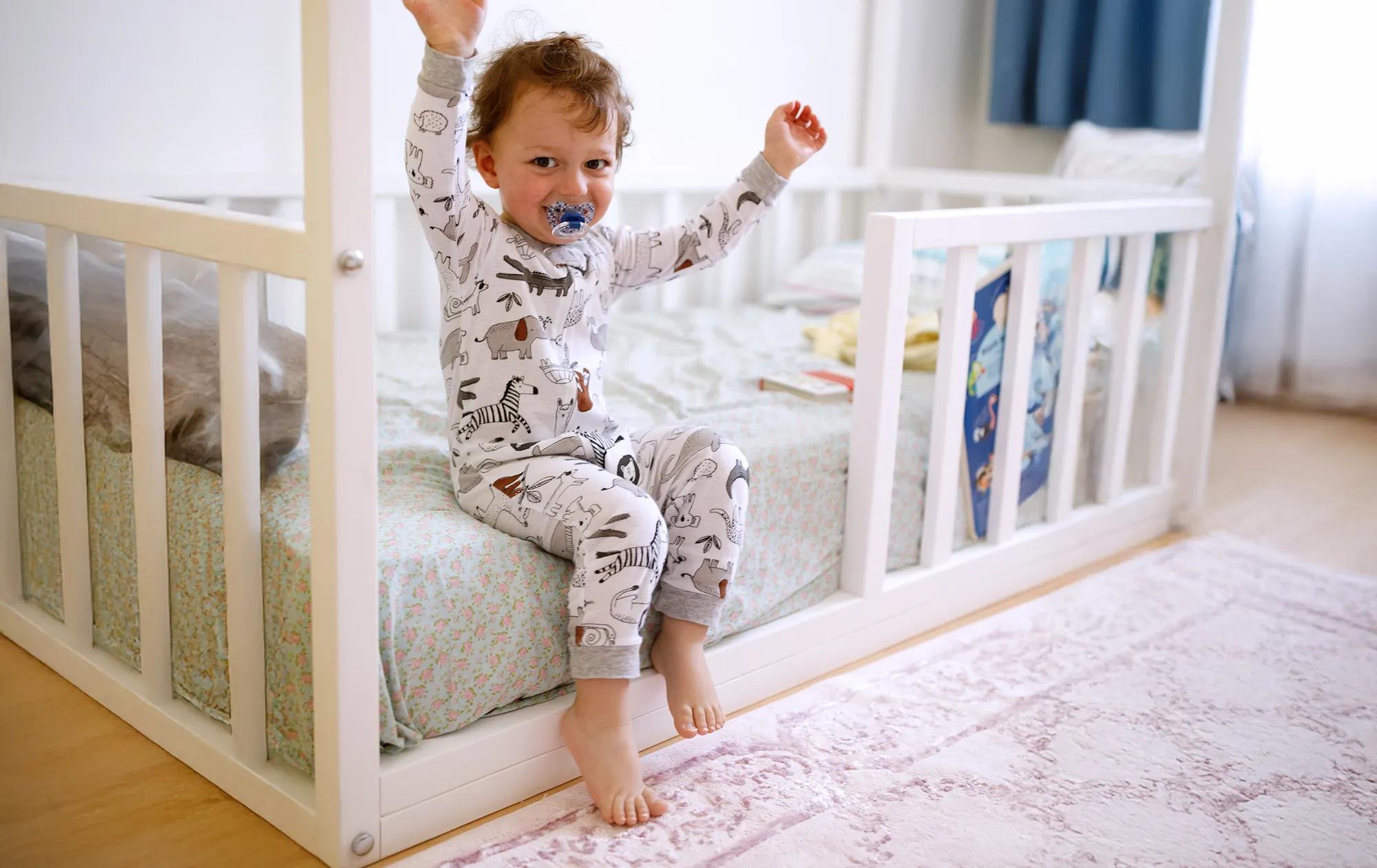
Toddler beds offer many benefits for young children and their parents. They provide a smooth transition from a crib to a regular bed. These beds help children feel more comfortable and secure at night. Parents can enjoy peace of mind knowing their child sleeps safely. Toddler beds also support children’s growth and independence.
Safety Advantages
Toddler beds are designed with child safety in mind. They are low to the ground, reducing fall risk. Guardrails keep children from rolling out during sleep. Many toddler beds use non-toxic materials and sturdy frames. These features make toddler beds safer than regular beds for young kids.
Promoting Independence
Toddler beds encourage kids to get in and out by themselves. This freedom helps children feel more grown-up. They can learn to manage their bedtime routines. This step builds confidence and self-reliance early on. Independence at bedtime often leads to better sleep habits.
Comfort And Security
Toddler beds offer a cozy space just for the child. They often use familiar bedding and favorite blankets. This setup helps kids feel safe and calm. A toddler bed becomes a special place for rest. Comfort and security help children relax and sleep well.

Credit: busytoddler.com
Choosing The Right Toddler Bed
Choosing the right toddler bed is a big step for your child and family. This bed is more than just a place to sleep. It helps your child feel safe and comfortable. It also makes the move from crib to bed easier. Picking a bed that fits your child’s needs is important. Consider size, safety, and budget. These factors help you find the best bed for your toddler.
Size And Design Options
Toddler beds come in many sizes. Choose one that fits your child’s height and room space. Some beds look like small twin beds. Others have fun shapes or themes. Pick a design your child will enjoy. A cozy bed makes bedtime more inviting. Make sure the bed fits your room well. It should not take too much space.
Safety Features To Look For
Safety is the top priority for any toddler bed. Look for beds with guardrails on both sides. This stops your child from falling out. Check that the bed is low to the floor. A low bed reduces injury risk if your child falls. Avoid beds with sharp edges or small parts. Make sure the materials are non-toxic and strong. Safety marks or certifications show the bed meets standards.
Budget Considerations
Toddler beds come in a wide price range. Set a budget before you shop. A higher price does not always mean better quality. Look for beds that last and meet safety rules. Think about how long you will use the bed. Some beds convert to twin beds and save money over time. Balance price with comfort and safety for the best choice.
Making The Transition Smooth
Making the transition to a toddler bed can be a big change for your child. It may bring excitement but also some fear or confusion. Helping your child feel ready and safe is very important. Small steps can make the switch easier and more fun. A calm approach helps your child accept the new bed and sleep better.
Preparing The Child Mentally
Talk about the new bed a few days before the move. Show pictures or let your child touch the bed. Explain how the toddler bed is a special place just for them. Use simple words and stay positive. Let your child share feelings and ask questions. This helps reduce fear and builds excitement.
Creating A Bedtime Routine
Keep bedtime calm and predictable. Do the same activities in the same order each night. Reading a story, brushing teeth, and saying goodnight can help. A routine tells your child it is time to sleep. It creates comfort and trust with the new bed. Avoid TV or loud noises before bedtime.
Dealing With Resistance
Some children may feel scared or want to stay in the crib. Stay patient and calm. Give hugs and gentle words. Offer a favorite toy or blanket for comfort. Praise your child for trying the new bed. If your child gets up, calmly return them to bed. Consistency helps your child learn the new habit.
Common Challenges And Solutions
Moving your child to a toddler bed is a big step. It can bring some challenges. Knowing these helps you handle them better. Here are common issues parents face and easy ways to solve them.
Nighttime Fears
Children may feel scared in a new bed. The room may seem bigger and darker. Night lights can help. A favorite toy or blanket offers comfort. Stay calm and reassure your child. Tell them the bed is safe and cozy.
Getting Out Of Bed
Some kids get up many times at night. They may want attention or feel unsure. Set clear rules about staying in bed. Use gentle but firm words. You can reward staying in bed with praise or small treats. Consistency is key for success.
Adjusting Sleep Schedule
Changing beds might disrupt sleep times. Your child may sleep too early or late. Stick to a bedtime routine. Read a story or sing a song before bed. Keep the room quiet and dark. This helps your child feel sleepy and ready to rest.
When To Delay The Move
Knowing when to move your child to a toddler bed is important. Some children may need more time in their crib before making the switch. Delaying the move can help your child feel safe and sleep better. Watch for signs that suggest your child is not ready yet. Consider other sleep options if needed. Talk to your pediatrician to get expert advice.
Signs Your Child Needs More Time
Your child may resist leaving the crib. They might cry or try to climb out often. Night waking or nightmares can increase. Your child may seem scared of the big bed. These signs show your child may need more time.
Alternative Sleep Arrangements
Using a crib tent can keep your child safe. A toddler bed with rails offers extra security. Some parents use co-sleeping for a short time. Let your child nap in the crib during the day. These options help ease the transition.
Consulting Pediatricians
Pediatricians can give personalized advice for your child. They check your child’s growth and sleep habits. Doctors can suggest the best time to change beds. Talking to a pediatrician reduces worries and confusion. Trusting their guidance supports your child’s comfort.
Credit: health.clevelandclinic.org

Credit: www.candokiddo.com
Frequently Asked Questions
At What Age Should My Child Switch To A Toddler Bed?
Most children transition to a toddler bed between 18 months and 3 years old. This varies based on your child’s readiness and safety needs. Signs include climbing out of a crib or showing interest in a bigger bed.
How Do I Know If My Child Is Ready For A Toddler Bed?
Look for signs like climbing out of the crib or expressing desire for a “big kid” bed. Safety and your child’s confidence are key factors to consider before making the switch.
What Safety Precautions Should I Take With A Toddler Bed?
Use guardrails to prevent falls and place the bed away from windows or sharp objects. Ensure the bedroom is childproofed to create a safe sleeping environment for your toddler.
Can My Child Use A Toddler Bed Before 18 Months?
It’s generally not recommended to switch before 18 months. Younger toddlers might lack the physical coordination and safety awareness needed for a toddler bed.
Conclusion
Choosing the right time for a toddler bed depends on your child’s needs. Most children switch between 18 months and 3 years old. Watch for signs like climbing out of the crib or needing more space. Safety comes first. A toddler bed helps your child feel independent and sleep comfortably.
Trust your instincts and your child’s readiness. Every child is different. Take your time and make the change when it feels right. This ensures a smooth transition and happy bedtime routines.