Deciding when your child should move into a toddler bed can feel overwhelming. You want to make sure your little one is safe, comfortable, and ready for this big step.
But how do you know the right age to make the switch? If you’ve been asking yourself, “What age should my child go into a toddler bed? ” you’re not alone. This decision affects your child’s sleep quality and your peace of mind.
Keep reading, and you’ll discover clear signs, expert tips, and simple advice to help you choose the perfect time for your child’s transition. Your child’s best sleep is just around the corner.
Signs Your Child Is Ready
Recognizing when your child is ready for a toddler bed can make the transition smooth. Watch for clear signs that show they can handle the change. These signs come from their body, behavior, and safety needs. Understanding these clues helps parents choose the right time.
Physical Milestones
Your child should be able to climb in and out of bed safely. They need to sit up and move around without help. Look for steady walking and balance skills. These physical skills reduce the risk of falls or injuries.
Behavioral Indicators
Notice if your child shows interest in a bigger bed. They might say they want to sleep like “big kids.” Staying in a crib may cause frustration or tantrums. Also, your child might try to climb out of the crib, signaling readiness.
Safety Concerns
Safety matters most. If your child climbs out of the crib, they risk falling. A toddler bed with guardrails can prevent falls. Check the room for hazards before the switch. Make sure the bed is low and secure for your child.

Credit: busytoddler.com
Ideal Age Range
Most children move to a toddler bed between 18 months and 3 years old. This age range helps them feel safe and comfortable while adjusting. Watch for signs like climbing out of the crib or showing interest in a bigger bed.
Common Age Brackets
Most children move to a toddler bed between 18 months and 3 years old. This range fits many kids as they grow out of cribs. Some start closer to 18 months, while others wait until age 3. Parents often watch their child’s size and behavior to decide the right time.
Variations By Child
Every child is unique. Some may feel ready earlier or later than others. Factors like mobility, comfort, and safety shape the timing. If a child climbs out of the crib, it may be time to switch. Children who stay calm in new settings adjust faster to toddler beds.
Pediatric Recommendations
Doctors suggest moving to a toddler bed once a child can climb out of the crib safely. This helps prevent falls and injuries. Pediatricians also advise ensuring the toddler bed has guardrails. This keeps the child secure during sleep. Safety should always guide the transition choice.
Choosing The Right Bed
Choosing the right toddler bed is important for your child’s comfort and safety. The bed should fit their size and needs. It should also help them feel secure and excited about bedtime. Picking the right bed makes the transition from crib to bed smooth.
Parents should think about space, style, and how easy the bed is to use. The bed should grow with your child for a few years. Choosing well saves money and effort later.
Types Of Toddler Beds
There are many types of toddler beds. Some look like mini versions of regular beds. Others come with fun themes, like cars or animals. Convertible beds can change from crib to toddler bed. Low-to-the-ground beds help children get in and out easily. Choose a bed that fits your child’s personality and room size.
Mattress And Bedding Tips
Use a firm mattress that fits the bed frame well. Soft mattresses can be unsafe for toddlers. Choose bedding made from natural fabrics like cotton. Avoid pillows and heavy blankets that can cause risks. Keep the bedding simple and easy to wash. Change sheets often to keep the bed clean and fresh.
Safety Features To Look For
Check for guardrails on both sides of the bed. Guardrails prevent your child from falling during sleep. Make sure the bed frame has no sharp edges or small parts. Look for beds that meet safety standards and certifications. Avoid beds with gaps where a child can get stuck. Safety is the top priority in choosing a toddler bed.
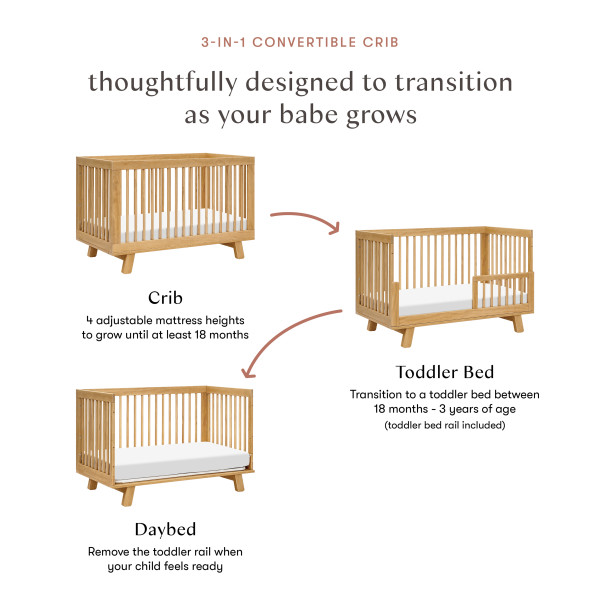
Credit: babyletto.com
Making The Transition Smooth
Moving your child from a crib to a toddler bed is a big step. A smooth transition helps your child feel safe and comfortable. Careful planning and patience make the change easier for everyone.
Preparing The Child
Talk to your child about the new bed ahead of time. Show the bed and explain how it works. Let your child help pick the bedding or stuffed animals. This makes the bed feel special and exciting. Read books about moving to a toddler bed. This helps your child understand what to expect.
Establishing A Bedtime Routine
Keep bedtime routines calm and steady. Use the same steps every night, like brushing teeth and reading a story. A consistent routine helps your child relax. Set a regular bedtime and wake-up time. Predictable routines build good sleep habits and comfort.
Handling Nighttime Resistance
Expect your child to test boundaries at night. Stay calm and firm but kind. Offer gentle reassurance if your child feels scared. Use a nightlight to ease fear of the dark. Avoid giving in to demands for extra attention. Consistency helps your child learn new limits and feel secure.
Common Challenges
Moving a child to a toddler bed can bring some challenges. Parents often face common issues that affect sleep quality and comfort. Understanding these challenges helps ease the transition. It also supports the child’s sense of security and independence.
Dealing With Fear Of Falling
Many toddlers worry about falling out of bed. This fear may cause sleepless nights or crying. Use bed rails or place pillows on the floor to soften any falls. Reassure your child that the bed is safe. Comfort and patience help reduce this fear over time.
Adjusting To New Sleep Space
New beds feel strange at first. Toddlers may resist sleeping there. Keep familiar blankets and toys nearby. Create a bedtime routine that stays the same. This helps your child feel calm and secure in the new space.
Managing Nighttime Wandering
Toddlers might get out of bed during the night. This can worry parents and disrupt sleep. Use a baby gate to block stairs or dangerous areas. Gently guide your child back to bed each time. Consistent rules and kindness help reduce wandering.
When To Wait Longer
Knowing when to wait longer before moving your child to a toddler bed is important. Some kids are not ready yet. They may feel unsafe or have trouble sleeping. Waiting can help your child feel more secure and sleep better. Watch your child closely to decide the right time to change their bed.
Signs To Delay Transition
Your child may show signs that they are not ready. They might climb out of their crib often. They may cry more at bedtime than usual. Night waking and fear of the dark can increase. These signs mean your child might need more time in the crib.
Alternative Sleep Solutions
Try other sleep options before switching beds. Use a sleep guard or crib tent for safety. Adding a night light can ease fear of darkness. Create a calming bedtime routine with books and songs. These ideas help your child feel safe and sleep well.
Consulting Healthcare Providers
Talk to your child’s doctor if unsure about the change. They can check if your child is physically ready. Doctors can offer advice for sleep problems. They may suggest waiting longer or trying other solutions. Professional guidance helps make the best choice for your child.

Credit: casakids.com
Frequently Asked Questions
At What Age Do Most Children Switch To Toddler Beds?
Most children transition to toddler beds between 18 months and 3 years. This varies based on their size, mobility, and readiness. Parents should consider safety and comfort when deciding the right age for the switch.
How To Know If My Child Is Ready For A Toddler Bed?
Signs include climbing out of a crib, showing interest in a bigger bed, and improved motor skills. Safety and your child’s confidence in moving independently are key indicators for readiness.
What Are The Safety Tips For Toddler Bed Transition?
Ensure the bed has guardrails, place it low to the ground, and remove sharp objects nearby. Teach your child to stay in bed and maintain a consistent bedtime routine for safety.
Can A Toddler Bed Prevent Night-time Falls?
Yes, toddler beds with guardrails help prevent falls. Their low height reduces injury risk if your child rolls out. Combining a safe bed with a secure sleep environment improves night-time safety.
Conclusion
Choosing the right time for a toddler bed matters a lot. Most children move between 18 months and 3 years old. Watch your child’s behavior and comfort closely. Safety and readiness should guide your decision. Every child grows and changes at their own pace.
Trust your instincts and keep your child’s needs first. A smooth transition helps them sleep better and feel safe. This step is important for their growth and independence. Take your time and enjoy this new stage together.