Are you wondering when the right time is to move your toddler from a crib to a bed? It’s a question many parents face, and getting it right can make a big difference in your child’s sleep and safety.
You might be worried about your little one climbing out or simply ready for a fresh start in a new bed. You’ll discover the signs to watch for, the best age to make the switch, and tips to help your toddler adjust smoothly.
Keep reading to find out how to make this important change easier for both you and your child.
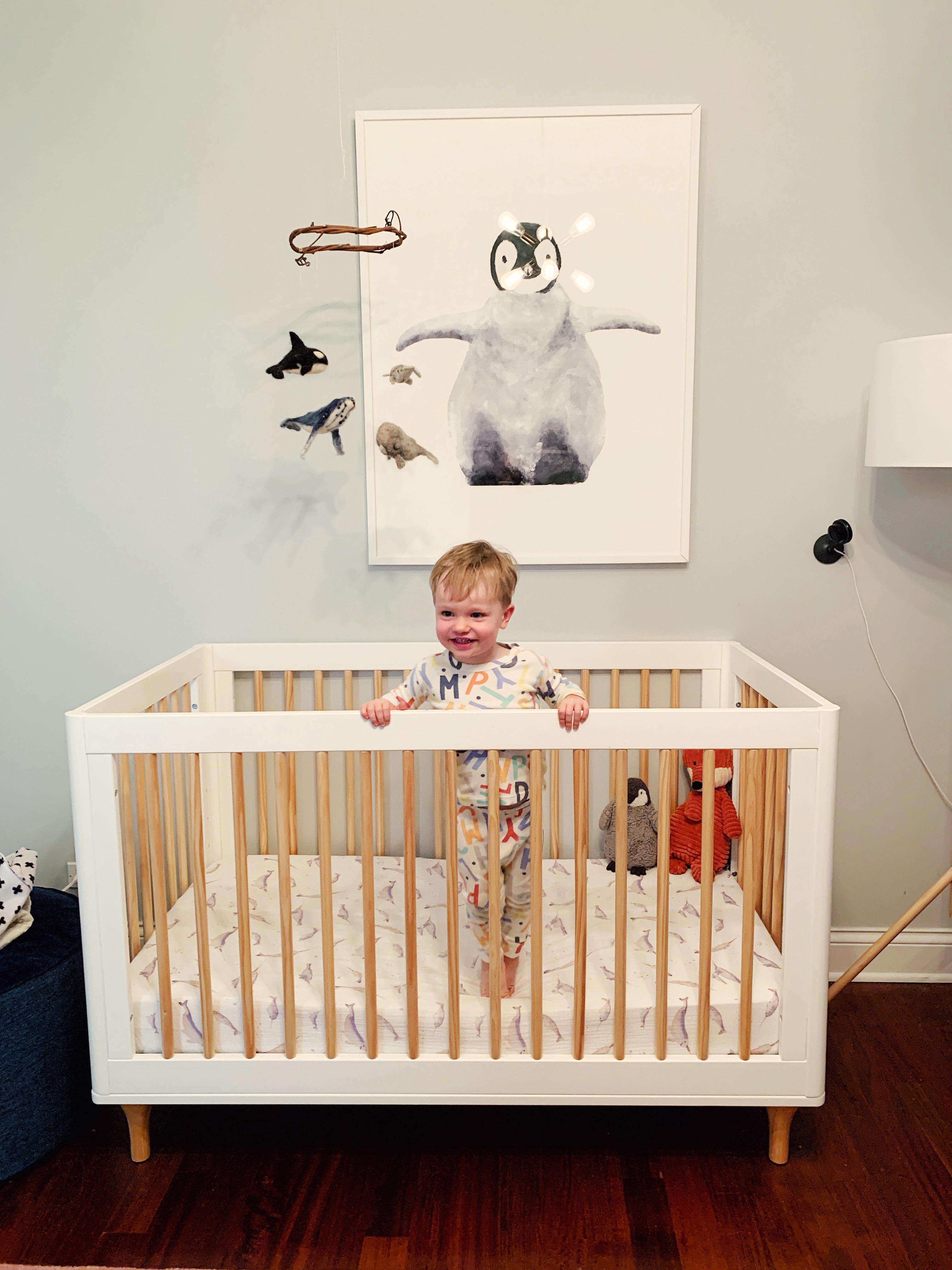
Credit: thefoxandshe.com
Signs Your Toddler Is Ready
Knowing when your toddler is ready to move to a bed helps make the transition smooth. Children show clear signs that tell parents the time is right. Watching for these signs makes bedtime easier for everyone.
Physical Development Milestones
Your toddler’s body changes as they grow. Climbing out of the crib is a big sign. It means they have more strength and mobility. Many toddlers start walking steadily and can climb stairs. These skills show they can handle a bed safely.
Behavioral Indicators
Watch how your toddler acts around their crib. If they resist naps or bedtime, it might mean they want more space. Some toddlers try to escape the crib. Others ask for a “big kid” bed. These behaviors show readiness for change.
Sleep Pattern Changes
Changes in sleep can signal readiness. Toddlers may wake up more often or refuse to stay in the crib. They might want to sleep longer during the day or night. These shifts mean a bed could help them sleep better.
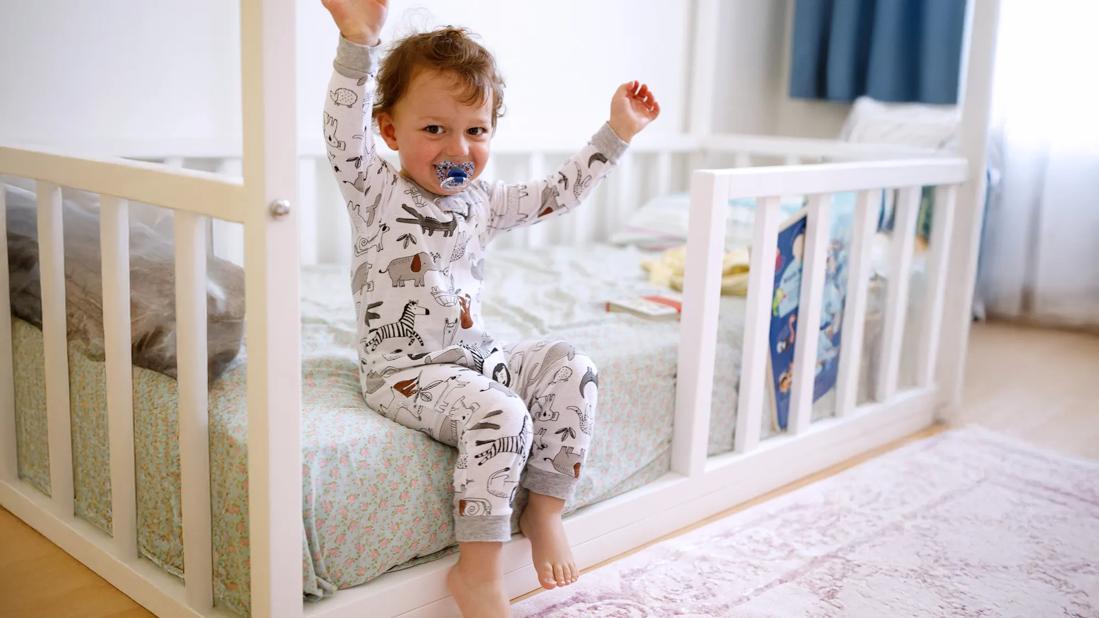
Credit: health.clevelandclinic.org
Choosing The Right Bed
Choosing the right bed for your toddler is an important step. It affects their safety, comfort, and sleep quality. The right bed helps your child feel secure and happy. It also makes the move from crib to bed easier for both of you.
Types Of Toddler Beds
Toddler beds come in many styles. Some look like small versions of adult beds. Others have fun shapes, like cars or animals. Low-to-the-ground beds reduce fall risk. Convertible beds change from crib to toddler bed. Choose a bed that fits your room and your child’s needs.
Safety Features To Consider
Safety is the top priority. Look for beds with guardrails on the sides. These prevent your toddler from rolling out. Check for smooth edges to avoid injuries. Avoid beds with small parts that can come loose. Make sure the mattress fits snugly in the frame.
Comfort And Design Tips
Comfort helps your toddler sleep well. Choose a mattress that is firm but soft enough. Use breathable bedding to keep your child cool. Pick colors and designs your toddler likes. This makes bedtime more inviting. Personal touches can make the bed feel special.
Timing The Transition
Timing the transition from a crib to a bed is important for your toddler’s comfort and safety. Choosing the right moment helps your child feel secure. It also makes the change easier for the whole family. This section explores the best age to move your toddler to a bed. It looks at how to balance readiness with safety. It also covers how to adjust the timing based on your child’s unique needs.
Ideal Age Range
Most toddlers move to a bed between 18 months and 3 years old. This range fits many children’s growth and development stages. By 18 months, some toddlers start climbing out of their cribs. This makes the crib unsafe. Moving to a bed can prevent falls and injuries. Waiting until around 3 years old is also common. At this age, toddlers understand rules better. They can stay in bed longer without getting up.
Balancing Readiness And Safety
Readiness means your toddler shows signs they can handle a bed. This includes staying in bed at night. It also means following simple instructions. Safety means the room is prepared to prevent accidents. Use guardrails on the bed. Remove sharp or dangerous items nearby. Make sure the bed is low to the ground. Balance both sides to make the switch smooth and safe.
Adjusting For Individual Needs
Every child is different. Some may be ready earlier or later than others. Consider your toddler’s personality and habits. If they are active or restless, wait until they can stay in bed. If they show fear or anxiety, wait until they feel secure. Talk to your pediatrician if unsure. Adjust timing to fit your child’s comfort and safety.
Credit: health.clevelandclinic.org
Making The Move Smooth
Moving your toddler from a crib to a bed is a big step. It can feel tricky at first. A smooth transition helps your child feel safe and happy. Careful planning makes this change easier for both of you. Here are ways to make the move smooth and stress-free.
Preparing Your Toddler Emotionally
Talk about the new bed before moving. Show pictures or let your child touch the bed. Use simple words to explain the change. Let your toddler help choose bedding or a special blanket. This gives them a sense of control and excitement. Praise your child for being brave and ready.
Establishing A New Bedtime Routine
Create a calm and consistent bedtime routine. Include quiet activities like reading or singing. Keep the same bedtime every night. Avoid screens or loud play before sleep. A steady routine signals the body to rest. This helps your toddler adjust to the new bed.
Dealing With Nighttime Resistance
Expect some resistance at first. Comfort your toddler with a soft voice and gentle touch. Stay patient and calm during night waking. Use a night light to ease fear of the dark. Avoid letting your child come back to your bed. Consistency helps them learn to stay in their bed.
Common Challenges
Moving your toddler from a crib to a bed can be tricky. Many parents face challenges during this transition. Understanding these issues helps you support your child better.
Each toddler is unique, so challenges may vary. Being aware of common problems prepares you to handle them calmly and patiently.
Fear Of Sleeping Alone
Toddlers often feel scared sleeping in a new bed. The open space and different setting can cause anxiety. Nighttime fears may increase, leading to tears and calls for comfort. Comfort objects like a favorite toy can help. Staying close until they settle provides reassurance.
Frequent Night Wakings
Many toddlers wake more often after switching beds. They may get out of bed or call for parents. This happens because the new bed feels less secure than a crib. Setting clear boundaries and consistent routines can reduce waking. Patience is key while toddlers adjust.
Returning To The Crib
Some toddlers want to go back to the crib. The crib feels familiar and safe for them. This can be frustrating for parents wanting to complete the transition. Gently encouraging the bed while respecting your child’s feelings works best. Gradual changes help toddlers feel more secure.
Expert Tips For Success
Moving your toddler to a bed is a big step for both of you. Success comes from careful planning and patience. Experts suggest simple strategies that make the change easier and smoother. These tips help your child feel safe and happy in the new bed.
Consistent Sleep Schedule
Keep your toddler’s bedtime and wake-up time the same every day. Consistency helps their body know when to sleep. It reduces fussiness and makes the transition smoother. Avoid late nights or naps that are too long. A regular schedule builds healthy sleep habits early on.
Positive Reinforcement
Praise your toddler for sleeping in the bed. Use kind words and small rewards. This encourages good behavior without pressure. Celebrate small wins like staying in bed all night. Positive feelings make your child want to try again. It creates a happy bedtime routine.
Involving Your Toddler In The Process
Let your toddler help pick the bed or choose their sheets. This gives them control and excitement. Talk about the new bed and what it means. Read bedtime stories together in the new bed. Feeling involved helps reduce fear and resistance. It builds trust and comfort.
Frequently Asked Questions
At What Age Should Toddlers Move To A Bed?
Toddlers typically transition to a bed between 18 months and 3 years. This varies based on their size, development, and readiness. Watch for signs like climbing out of the crib or showing interest in a bed.
How To Know When Toddler Is Ready For A Bed?
Signs include climbing out of the crib, expressing interest in a bed, and needing more space to sleep. Safety and comfort are key factors in deciding the right time to switch.
What Are The Benefits Of Moving Toddler To A Bed?
A bed offers more space and freedom, reducing risks from climbing out of cribs. It encourages independence and can improve sleep quality when toddlers feel comfortable and secure.
How To Make Toddler’s Bed Transition Smooth?
Introduce the bed gradually, use familiar bedding, and maintain bedtime routines. Positive reinforcement and patience help toddlers adjust without stress or fear, making the transition easier.
Conclusion
Choosing the right age to move your toddler to a bed is personal. Every child grows and changes at their own pace. Watch their signs and comfort level closely. Safety and readiness matter most in this big step. Remember, patience helps both you and your toddler adjust.
This change can bring new routines and excitement. Trust your instincts as a parent. Your toddler will feel more independent soon. The transition often leads to better sleep for everyone. Keep the experience positive and calm for best results.