Are you planning a trip to camp or setting up a cozy sleeping space for your kids? Knowing the exact size of a bunk bed at camp can save you a lot of hassle.
You might wonder if your sleeping bag will fit or if you need extra blankets. Getting this right means more comfort and less stress during your stay. You’ll discover the typical bunk bed sizes at camp, why it matters, and how to prepare your gear perfectly.
Keep reading to make your camp experience smooth and enjoyable!
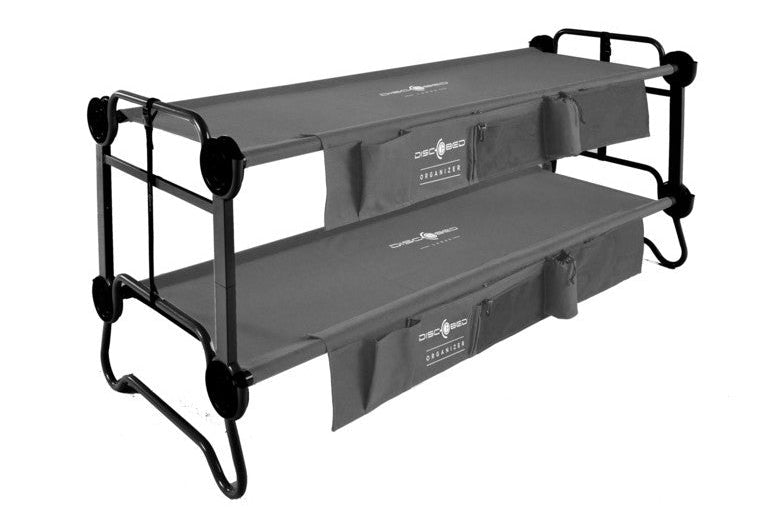
Credit: www.kidscampingstore.com
Camp Bunk Bed Sizes
Bunk beds are common in camps to save space and house many campers. Knowing the size of these beds helps plan sleeping arrangements. Camp bunk bed sizes vary but follow some typical standards. Understanding these sizes makes it easier to prepare bedding and organize camp rooms.
Standard Dimensions
Most camp bunk beds use twin-size mattresses. These mattresses usually measure 39 inches wide and 75 inches long. The bed frame adds a few inches more. The height between the lower and upper bunk often ranges from 30 to 36 inches. This height allows campers to sit up comfortably on the bottom bunk.
Variations By Camp Type
Different camps choose different bunk bed sizes. Some children’s camps prefer shorter beds for younger kids. These beds might be around 38 inches long. Adventure or teen camps sometimes use extra-long beds. These can be 80 inches long to fit taller campers. Military or scout camps may have sturdier frames with wider beds for extra comfort.
Custom Sizes
Many camps order custom bunk beds to meet specific needs. Custom sizes fit unique room layouts or special camper groups. Some beds have wider frames to hold thicker mattresses. Others are taller for extra storage below the bottom bunk. Custom designs often include safety features like guardrails and ladders tailored to camp rules.
Mattress Dimensions For Camp Beds
Choosing the right mattress size for camp bunk beds is important. Camp beds often have different dimensions than regular beds. Knowing these sizes helps you pick a mattress that fits well. It makes sleeping more comfortable and safe during camp stays.
Common Mattress Sizes
Camp bunk beds usually use twin-size mattresses. The standard twin mattress measures 38 inches wide and 75 inches long. Some camps use twin XL mattresses, which are 5 inches longer. This extra length is good for taller campers. Always check the bed frame size before buying a mattress.
Thickness And Comfort
Mattress thickness affects comfort and support. Camp mattresses are often thinner than home mattresses. They usually range from 4 to 6 inches thick. Thin mattresses are easy to carry and store. Choose a mattress thick enough to provide good support. Too thin may feel hard, while too thick might not fit the bed.
Material Considerations
Materials impact mattress comfort and durability. Foam mattresses are lightweight and easy to clean. Innerspring mattresses offer more support but are heavier. Some camp mattresses use memory foam for extra comfort. Waterproof or water-resistant covers protect mattresses from spills. Pick a material that suits your camp environment and sleeping needs.
Factors Influencing Bunk Bed Size
Choosing the right bunk bed size for a camp is important. Several factors affect the size decision. These factors help ensure comfort, safety, and efficient use of space. Understanding them makes the selection easier and smarter.
Age Group And User Height
Age affects the size of the bunk bed. Younger kids need smaller beds with lower height. Taller users require longer beds to sleep comfortably. Matching bed size with user height prevents discomfort and safety issues.
Space Constraints
Space in camp rooms is often limited. Bunk beds must fit without crowding the area. Smaller beds save space and allow for other furniture. Measure the room carefully before choosing bed size to avoid tight spaces.
Safety Regulations
Safety rules guide bunk bed design and size. There are standards for guardrails, ladder height, and bed dimensions. Following these rules protects users from falls and injuries. Camps must choose beds that meet these safety regulations.
Comparing Camp Bunk Beds To Home Bunk Beds
Camp bunk beds differ from home bunk beds in many ways. They serve different needs and environments. Camp beds are built for outdoor and group use. Home bunk beds focus on comfort and style. Understanding these differences helps choose the right bed for your space.
Design Differences
Camp bunk beds have simple, sturdy designs. They often use metal frames for easy cleaning. Home bunk beds come in many styles. Wood is common for warmth and beauty. Camp beds prioritize space-saving and quick setup. Home beds include drawers and desks for more use.
Size And Portability
Camp bunk beds are smaller and lighter. They fit tight camp cabins and can move easily. Home bunk beds are larger and heavier. They fit spacious bedrooms and stay in one place. Camp beds may fold or disassemble for travel. Home beds are built for long-term use.
Durability And Materials
Camp bunk beds use weather-resistant materials. Metal frames resist rust and damage. They can handle rough use by many campers. Home bunk beds use solid wood or engineered wood. They focus on comfort and aesthetics. Camp beds need strength and protection from elements.
Choosing The Right Bunk Bed For Camp
Choosing the right bunk bed for camp is important. It affects comfort, space, and safety. A good bunk bed fits the camp’s needs well. It should be sturdy and easy to handle. The bed size matters for campers’ comfort and room use. This section helps pick the best bunk bed for camp.
Assessing Camp Needs
First, check how many people will use the bed. Think about the age and size of campers. Small kids need lower beds for safety. Adults need bigger beds and strong frames. Consider the room size to avoid crowding. Also, think about the bed’s height and weight limits. A bed that fits the camp setup is best.
Budget Considerations
Set a clear budget before buying. Bunk beds come in many prices. Cheaper beds may save money but last less time. Higher-priced beds often offer better quality and safety. Balance cost with durability and comfort. Remember, a good bed is an investment for many camps. Avoid spending too little or too much.
Ease Of Assembly
Choose beds that are simple to put together. Camps often need quick setup and takedown. A bed with clear instructions saves time and stress. Lightweight parts help with moving and storage. Tools included with the bed make assembly easier. A bed that is easy to build fits camp life better.

Credit: americanbeddingmfg.com
Maintenance And Care Tips
Keeping a camp bunk bed in good shape is important for safety and comfort. Regular care helps the bed last longer and stay sturdy. Simple steps can prevent damage and keep the bed clean for all users.
Check the bed often for loose screws or broken parts. Clean the bed regularly to avoid dust and dirt buildup. Proper storage during off-season protects the wood or metal frame.
Cleaning Guidelines
Use a soft cloth or brush to remove dust. Wipe the frame with a damp cloth and mild soap. Avoid harsh chemicals that can damage the finish. Clean mattresses by vacuuming or airing them outside. Dry all parts completely to stop mold and rust.
Repair And Replacement
Tighten loose screws and bolts every few weeks. Replace worn or broken slats quickly to avoid accidents. Use parts that match the original design for safety. Check ladders and guardrails for stability. Fix small cracks or chips before they grow larger.
Storage Suggestions
Store the bunk bed in a dry, cool place. Cover it with a breathable cloth to protect from dust. Avoid stacking heavy items on the bed frame. Disassemble the bed if storing for a long time. Keep all hardware in a labeled bag for easy reassembly.

Credit: www.campgreystone.com
Frequently Asked Questions
What Are The Standard Bunk Bed Sizes At Camp?
Camp bunk beds typically measure twin size, about 38 inches wide and 75 inches long. This size fits most campers comfortably and maximizes space in shared cabins.
How Does Camp Bunk Bed Size Differ From Home Bunk Beds?
Camp bunk beds are usually smaller, focusing on space efficiency. Home bunk beds may come in twin, full, or queen sizes, offering more variety and comfort.
Are Camp Bunk Beds Suitable For Adults?
Most camp bunk beds are designed for children and teens. Some camps offer larger or reinforced beds to accommodate adults safely.
What Mattress Thickness Fits Camp Bunk Beds?
Camp bunk beds generally accommodate mattresses 6 to 8 inches thick. Thicker mattresses may not fit securely or affect safety rails.
Conclusion
Bunk beds at camp usually have standard sizes to fit most campers comfortably. The most common size is twin, which works well for children and teens. Knowing the bed size helps you pack the right bedding and gear. Camps design beds to save space and keep rooms neat.
Always check with the camp if you need exact measurements. This way, you avoid surprises and stay prepared. Understanding bunk bed sizes makes your camp stay easier and more fun. Simple and clear—it’s all about comfort and convenience.