Are you wondering when your little one is ready to make the big leap from a crib to a toddler bed? This transition can feel like a big step for both you and your child.
Knowing the right age to switch can help you avoid sleepless nights and keep your child safe and comfortable. You’ll discover the key signs to watch for and expert tips to make this change smooth and stress-free. Keep reading to find out exactly when your baby is ready to say goodbye to the crib and start sleeping in a toddler bed.
Credit: annainthehouse.com
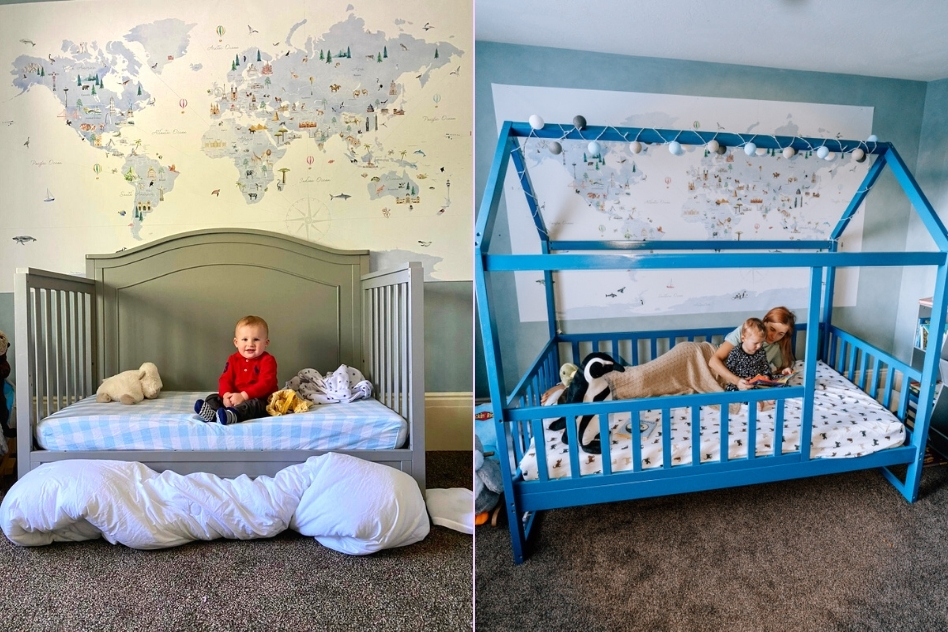
When To Transition
Knowing the right time to move your baby to a toddler bed can feel tricky. It depends on many things about your child’s growth and habits. Watching your baby closely helps you spot the right moment to switch. This change means more freedom for your child and a safer sleep space.
Signs Your Baby Is Ready
Your baby may climb out of the crib often. This shows they need a bigger space. They might ask to sleep in a “big kid” bed. Also, they may show fear or dislike of the crib. These signs mean your baby is ready for change.
Common Age Range
Most babies move to a toddler bed between 18 months and 3 years. This is the usual time for many families. Some children switch earlier or later. Age alone does not decide readiness. Watch your child’s behavior instead.
Individual Differences
Every child grows at their own pace. Some may feel ready at 15 months. Others might stay in a crib until 3 years old. Their physical skills and emotional needs matter most. Respect your baby’s unique timing for this step.
Choosing The Right Bed
Choosing the right bed for your toddler is an important step in their growth. The bed should be safe and comfy. It must fit their size and needs. Picking the right bed helps your child sleep well and feel secure. This guide covers types of toddler beds, safety features, and budget tips.
Types Of Toddler Beds
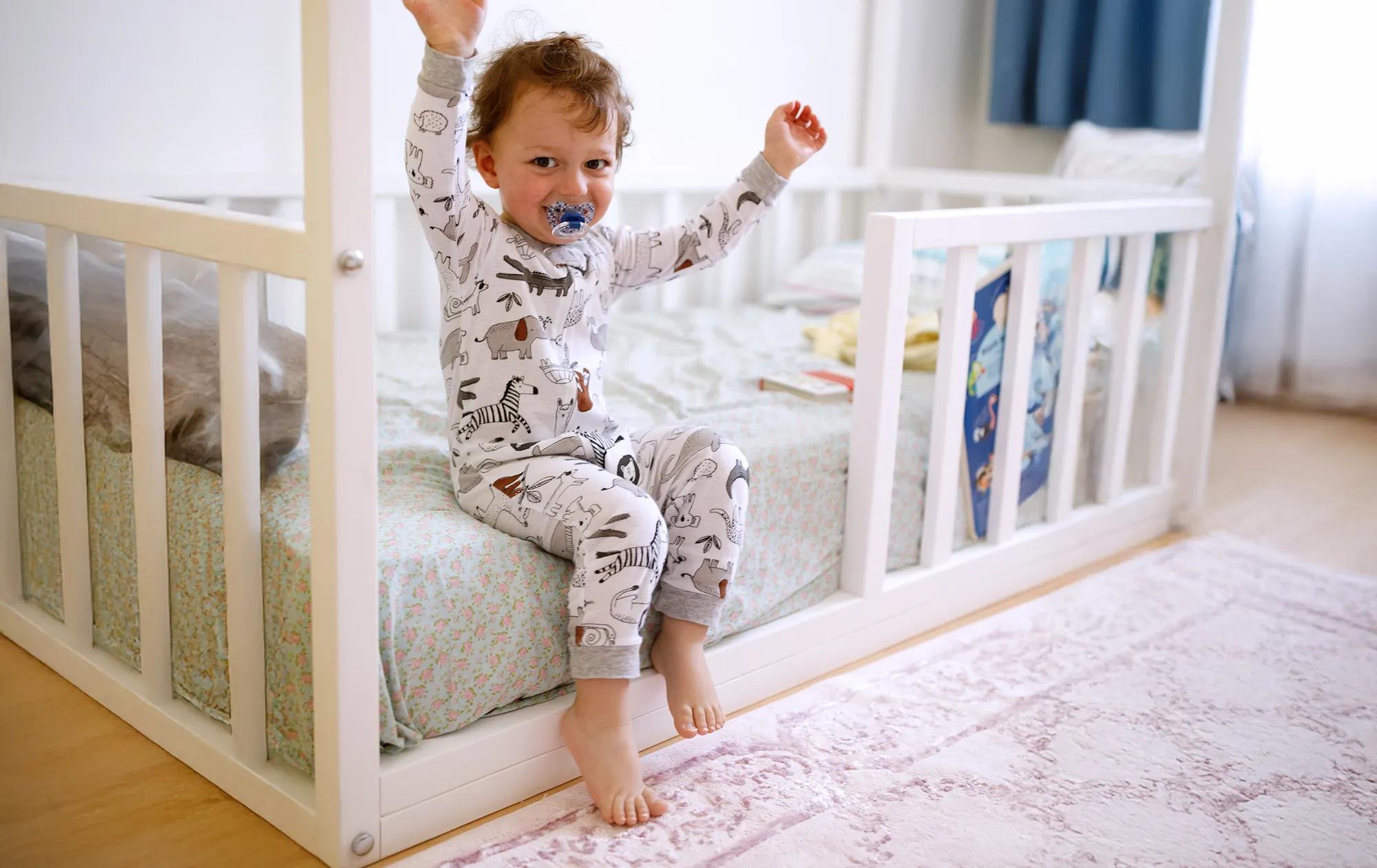
Toddler beds come in many styles. Some look like small versions of regular beds. Others have fun themes or shapes. Convertible beds change from crib to toddler bed. Low-to-the-ground beds make it easy for toddlers to get in and out. Choose a bed that suits your child’s personality and room space.
Safety Features To Look For
Safety is the top priority for toddler beds. Look for sturdy frames that will not tip over. Beds with guardrails prevent your child from falling out. Check for smooth edges and no small parts that can break off. The mattress should fit snugly to avoid gaps. Always pick beds that meet safety standards.
Budget Considerations
Toddler beds come in many price ranges. Decide how much you want to spend before buying. Some beds cost more because of designs or materials. Simple models can be affordable and safe. Think about how long you will use the bed. A good bed does not have to be expensive.
Preparing Your Child
Preparing your child to move into a toddler bed is a big step. It helps your child feel safe and happy about this new change. Start by making small adjustments over time. This makes the transition smooth and less scary. Pay attention to your child’s feelings and comfort. This shows care and builds trust.
Creating A Comfortable Sleep Environment
Choose a cozy, quiet room for your child’s new bed. Use soft blankets and familiar stuffed toys. Make sure the bed is the right size and safe. Keep the room temperature comfortable, not too hot or cold. A night light can help ease fear of the dark. These small touches make the space inviting.
Introducing The Bed Gradually
Let your child explore the toddler bed during the day. Sit with them and read books on the bed. Allow naps there before trying overnight sleep. This builds positive feelings about the new bed. Avoid rushing the change to prevent stress. Patience helps your child adjust at their own pace.
Establishing A Bedtime Routine
Set a clear and calm bedtime schedule. Use the same steps every night, like brushing teeth and reading. This routine signals it is time to sleep. Keep the routine short and simple to follow. Consistency helps your child feel safe and ready to rest. Soon, your child will look forward to bedtime.
Credit: health.clevelandclinic.org
Handling Challenges
Moving your baby into a toddler bed can bring many challenges. These changes affect your child’s sleep and behavior. Being ready for these challenges helps you handle them calmly and well. Here are some common issues and ways to manage them during this big transition.
Dealing With Resistance
Children may resist leaving their crib. The crib feels safe and familiar. Toddlers might want to stay in the crib longer. Offer comfort and explain the new bed is special. Use praise when your toddler stays in bed. Keep bedtime routines consistent for security. Patience helps ease the resistance slowly.
Managing Night Wakings
Night wakings often increase after the switch. Your toddler may feel unsure in the new bed. Respond calmly and avoid bringing them back to the crib. Reassure your child with quiet talks or soft touches. Gradually teach your toddler to fall back asleep alone. Consistent responses reduce wakings over time.
Ensuring Safety During Transition
Safety is key when switching to a toddler bed. Use guardrails to prevent falls during sleep. Remove sharp or hard objects near the bed. Check the room for hazards like cords or small toys. Place a nightlight to help your child see. Regularly inspect the bed and room for new risks.
Benefits Of Toddler Beds
Toddler beds offer many benefits for young children and their parents. They help children adjust from a crib to a bigger bed with ease. These beds create a sense of safety and comfort. Toddlers feel proud to sleep in their own bed. This step supports their growth in many ways.
Promoting Independence
Toddler beds give children control over their sleeping space. They can get in and out of bed by themselves. This freedom builds confidence and self-reliance. Toddlers learn to follow bedtime routines on their own. It also helps them feel more responsible.
Encouraging Better Sleep Habits
Toddler beds support a smooth sleep transition from crib to bed. They help children feel cozy and secure. This comfort reduces night wakings and fussiness. A consistent bedtime routine becomes easier to maintain. Toddlers settle down faster and sleep longer.
Supporting Physical Development
These beds are lower to the ground, making it safe for toddlers. Children can move freely and practice climbing in and out. This movement helps develop coordination and balance. It also strengthens muscles needed for walking and running. Toddler beds encourage healthy physical growth.

Credit: www.whattoexpect.com
Frequently Asked Questions
When Is The Best Age For A Toddler Bed Transition?
Most children transition to a toddler bed between 18 months and 3 years. This age range suits their growing independence and need for safety.
How Do I Know If My Baby Is Ready For A Toddler Bed?
Signs include climbing out of the crib, showing interest in a bed, or needing more space to move while sleeping.
What Are Safety Tips For Toddler Bed Use?
Use guardrails to prevent falls, place the bed low to the ground, and keep the room childproofed for safety.
Can Toddlers Sleep Better In A Toddler Bed?
Yes, toddler beds offer more space and freedom, which can improve comfort and sleep quality for some toddlers.
Conclusion
Babies usually move to a toddler bed between 18 months and 3 years. Each child is different, so watch for signs of readiness. Safety matters most during this change. Keep the new bed area cozy and secure. This helps your child feel safe and sleep well.
Transitioning takes time and patience, so stay calm. Your little one will adjust and enjoy their new bed soon.