Are you wondering when the right time is to move your little one to a toddler bed? It’s a big step for both you and your child, filled with excitement and a few questions.
You want to make sure your child feels safe and comfortable while also keeping their growing independence in mind. Knowing the perfect age to make this change can help you avoid bedtime battles and create a smooth transition. Keep reading to discover the signs to look for and the best age to switch to a toddler bed, so you and your child can enjoy peaceful nights ahead.
Signs Your Child Is Ready
Knowing when your child is ready to move to a toddler bed can be tricky. Watching for clear signs helps make this change smooth. These signs come from how your child grows, acts, and sleeps. Understanding these clues guides you to the right timing.
Physical Development
Your child should be able to climb in and out of bed safely. Stronger muscles and better balance show readiness. If your child can walk steadily and sit up well, they may be ready. Being able to get up without help is a big sign.
Behavioral Changes
Look for signs your child wants more independence. They may ask to sleep in a “big kid” bed. Some children resist cribs or try to climb out. Showing curiosity about toddler beds or big beds is a clear hint.
Sleep Patterns
Changes in sleep can signal readiness for a new bed. If your child wakes often or seems cramped in a crib, it might be time. Longer stretches of sleep and less fussiness help too. A child who sleeps well in a crib may not be ready yet.
Credit: annainthehouse.com
Ideal Age Range
Choosing the right time to move your child to a toddler bed is important. It affects their sleep and safety. Most children move from a crib to a toddler bed between ages 18 months and 3 years. This range fits most kids but is not strict.
Parents should watch for signs that their child is ready. These signs help make the transition smooth and safe. Understanding typical ages and individual differences helps parents decide.
Typical Transition Ages
Many children switch to a toddler bed around 2 years old. At this age, they often start climbing out of the crib. Parents move them to avoid falls and injuries. Some children may be ready as early as 18 months.
Others might stay in a crib until they are closer to 3 years old. This depends on their growth and behavior. The toddler bed offers more space and freedom for active kids.
Variations Among Children
Every child grows at their own pace. Some may feel comfortable in a toddler bed earlier. Others might need more time in a crib for security. Temperament and motor skills affect this timing.
Parents should consider the child’s readiness, not just age. Watching how the child acts in their crib is key. If they climb or seem restless, it may be time to switch beds.
Choosing The Right Bed
Choosing the right bed for your toddler is an important step. It affects their sleep quality and safety. The bed should match your child’s needs as they grow. Comfort and security help your toddler feel safe and sleep well. Picking the right bed means thinking about size, comfort, and safety features. It is also good to know the types of beds available.
Safety Features
Safety is the top priority for a toddler bed. Look for sturdy frames that do not tip over easily. Rounded edges prevent injuries from sharp corners. Guardrails on the sides stop your child from falling out. Check if the bed uses non-toxic paint and materials. These features keep your toddler safe during sleep and play.
Comfort And Size
The bed should fit your toddler’s size well. It should not feel too big or too small. A mattress that is soft but supportive works best. Make sure the bed allows room for movement. Comfort helps your child relax and sleep deeply. Choose a bed that can grow with your toddler for a few years.
Popular Toddler Bed Types
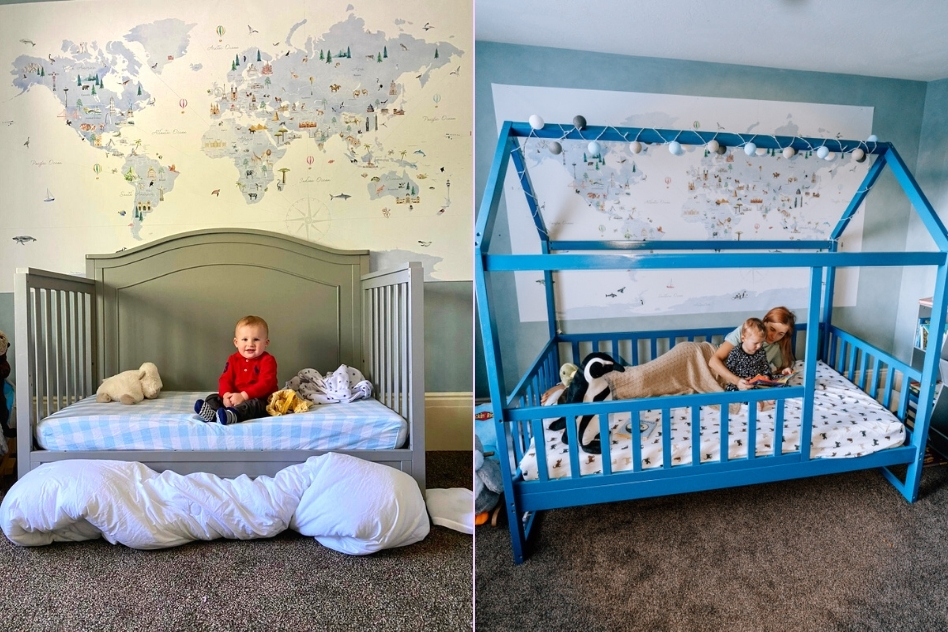
Several bed types suit toddlers. The classic toddler bed uses a small frame and guardrails. Convertible beds change from crib to toddler bed, saving money. Low platform beds make it easy for toddlers to get in and out. Some beds have fun designs, like cars or animals. Pick a style that fits your home and child’s taste.

Credit: busytoddler.com
Preparing Your Child
Preparing your child for the move to a toddler bed is an important step. It helps your child feel safe and comfortable. Changing beds can feel big and scary. Taking time to prepare makes the change easier and more exciting.
Start by making the new bed a fun and familiar place. Let your child be part of the process. This helps build confidence and trust. The goal is to create a smooth transition that feels natural.
Introducing The Bed
Show the toddler bed to your child early. Let them touch and explore it. Talk about how the bed is just for them. Place favorite toys or blankets on it. This makes the bed seem friendly and cozy. Try letting your child sit or lie on it during the day. It gets them used to the new space.
Establishing Bedtime Routine
Keep bedtime routines calm and consistent. Follow the same steps each night. This may include bath time, story time, and quiet songs. The routine helps your child know what to expect. It creates a feeling of safety. A steady routine makes falling asleep easier in the new bed.
Addressing Fears
Some children feel afraid of the new bed or room. Talk gently about their worries. Listen and show understanding. Use a night light if the room is too dark. Offer a special toy or blanket for comfort. Praise bravery and small steps. Help your child feel safe and brave.
Common Challenges
Moving your child to a toddler bed brings many changes. These changes can cause some challenges. Understanding these challenges helps parents prepare better. It makes the transition smoother for both child and parent.
Nighttime Wandering
Nighttime wandering is common after moving to a toddler bed. Kids feel more freedom and may leave their bed. This can cause safety concerns for parents. Setting clear boundaries helps reduce wandering. Using a baby gate or door alarm can be useful.
Resistance To Transition
Many toddlers resist leaving their crib. The crib feels safe and familiar to them. New beds can seem strange or scary at first. Toddlers may cry or refuse to sleep in the bed. Patience and gentle encouragement help ease this resistance.
Sleep Regression
Sleep regression often happens during this transition. Toddlers may wake up more during the night. They might have trouble falling asleep alone. Maintaining a consistent bedtime routine can help. Comfort items like a favorite toy can also soothe them.
Tips For A Smooth Transition
Moving your child to a toddler bed is a big step. It can bring excitement and worry. A smooth change helps your child feel safe and happy. Follow these tips to make bedtime easy and calm.
Consistency And Patience
Keep a regular bedtime routine. Stick to the same steps every night. This helps your child know what to expect. Be patient if your child resists or wakes at night. Change takes time. Stay calm and gentle during this phase.
Positive Reinforcement
Praise your child for sleeping in the new bed. Use kind words and small rewards. Celebrate every night your child stays in bed. This builds good habits and confidence. Avoid punishment if there are setbacks. Encourage with kindness and support.
Safe Sleep Environment
Make the new bed cozy and secure. Use familiar blankets and stuffed toys. Remove sharp objects or loose cords nearby. Keep the room dark but not scary. A safe space helps your child relax and sleep well.
When To Consult A Pediatrician
Deciding when to move your child to a toddler bed is important. Sometimes, questions arise that need expert advice. Consulting a pediatrician helps ensure your child’s sleep and development are on track. Knowing when to seek help can make the transition smoother for both parents and toddlers.
Sleep Issues
Sleep problems can signal the need for a pediatrician’s advice. If your child has trouble falling asleep or wakes often, mention this to the doctor. Frequent nightmares, night terrors, or restless nights can also require medical guidance. Pediatricians can suggest strategies to improve sleep quality and comfort.
Developmental Concerns
Delays in physical or emotional development may affect readiness for a toddler bed. If your child struggles with balance, walking, or coordination, talk to the pediatrician. Behavioral changes like increased anxiety or fear around bedtime also need attention. Early support ensures your child grows safely and confidently.
Credit: health.clevelandclinic.org
Frequently Asked Questions
At What Age Should Toddlers Switch To A Toddler Bed?
Most children move to a toddler bed between 18 months and 3 years old. The transition depends on their size, mobility, and readiness. It’s essential to consider safety and comfort when making this change.
How To Know If My Child Is Ready For A Toddler Bed?
Signs include climbing out of the crib, showing interest in a bigger bed, or expressing discomfort. When your child can safely get in and out, it’s usually time to transition.
What Are The Safety Tips For Toddler Bed Transition?
Use guardrails to prevent falls, place the bed low to the floor, and keep the room childproofed. Remove hazards and supervise your child during the initial transition period.
Can Moving Too Early To A Toddler Bed Cause Problems?
Yes, moving too early may lead to sleep disruptions or safety risks. Ensure your child’s physical and emotional readiness before making the switch to avoid issues.
Conclusion
Choosing the right age to move your child to a toddler bed depends on their growth and readiness. Most kids switch between 18 months and 3 years old. Watch for signs like climbing out of the crib or showing interest in a bigger bed.
Keep safety in mind during the transition. Each child is different, so trust your instincts. A smooth change helps your toddler feel secure and happy in their new bed. Take your time and enjoy this new stage together.