Are you wondering when your child is ready for a bunk bed? Choosing the right age is more important than you might think.
You want your child to feel excited about their new sleeping space, but safety must come first. You’ll discover the key factors that decide the perfect time to introduce a bunk bed. By the end, you’ll know exactly how to keep your child safe while giving them a fun and cozy place to sleep.
Keep reading to find out what age is best for your child to start using a bunk bed.
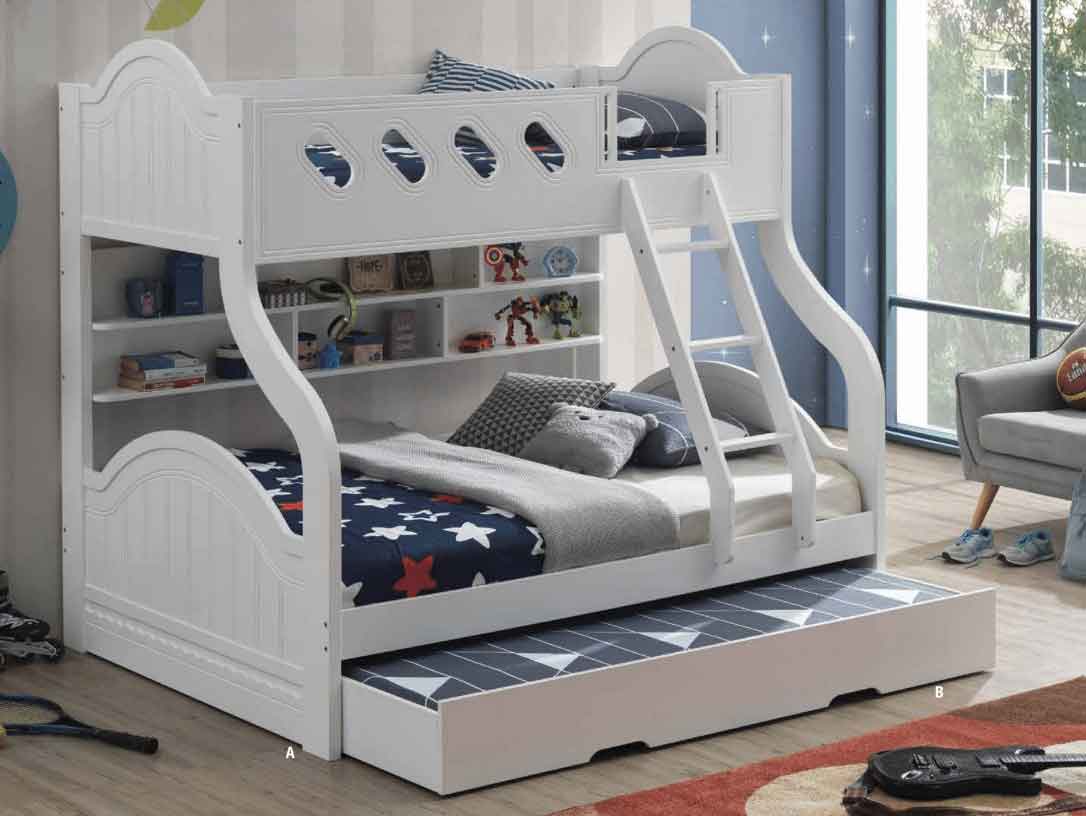
Credit: www.justbunkbeds.com
Recommended Age For Bunk Beds
Bunk beds save space and add fun to a child’s room. Choosing the right age for using a bunk bed is very important. Safety must come first to avoid accidents. Parents and caregivers should follow recommended age guidelines. These guidelines help ensure children use bunk beds safely and comfortably.
Minimum Age Guidelines
Most experts say children under six should not use the top bunk. Younger kids may fall while climbing or sleeping. The bottom bunk is safer for children under six years. Many manufacturers recommend a minimum age of six for the top bunk. Always check the bed’s instructions for age limits. Following these rules reduces the risk of injuries.
Developmental Considerations
Children develop at different speeds. Some kids may be ready before age six. They need good balance and strength to climb safely. Understanding your child’s abilities is key. Fear of heights or poor coordination means waiting longer. Teach your child how to climb and use the bed properly. Proper guidance helps build confidence and safety habits.

Credit: www.customkidsfurniture.com
Safety Risks With Young Children
Bunk beds can be fun and save space. But they are not always safe for young children. Parents should know the risks before buying one. Safety is the top concern for kids using bunk beds. Young children face several dangers while using these beds.
Falls And Injuries
Falls are the most common risk with bunk beds. Young kids may fall from the top bunk during sleep or play. Falling can cause bruises, cuts, or broken bones. Kids under six years old have less balance and control. They are more likely to fall. Guardrails help, but they do not stop all falls. Climbing up and down ladders is risky too. Slips and trips happen easily. Falling accidents can happen at night or during the day.
Entrapment Hazards
Entrapment means a child can get stuck in small spaces. Bunk beds have gaps between rails and frames. Kids can trap their head, arms, or legs there. This can cause panic or serious injury. Loose bedding or pillows can block breathing. Young children do not understand these dangers well. They may push or squeeze into tight spots. Proper bed design reduces these hazards. Still, constant adult supervision is important.
Choosing The Right Bunk Bed
Choosing the right bunk bed is important for your child’s safety and comfort. The bed should fit your child’s age and needs. It must be strong and stable. The design should protect your child from falls. Picking the correct bunk bed helps your child sleep well and stay safe.
Here are two main points to consider when choosing a bunk bed: the material and build quality, and the guardrails and ladder design.
Material And Build Quality
Choose a bunk bed made from strong materials like solid wood or metal. These materials last longer and hold weight well. Check if the bed has smooth surfaces and no sharp edges. This prevents injuries. The bed should not wobble or shake. Good build quality means your child stays safe during sleep and play.
Guardrails And Ladder Design
Guardrails are crucial for preventing falls. The top bunk must have guardrails on all sides. The rails should be tall enough to keep your child safe. The ladder should be easy to climb and steady. Wide steps and handrails help younger children use the ladder with ease. A well-designed ladder reduces the risk of accidents.
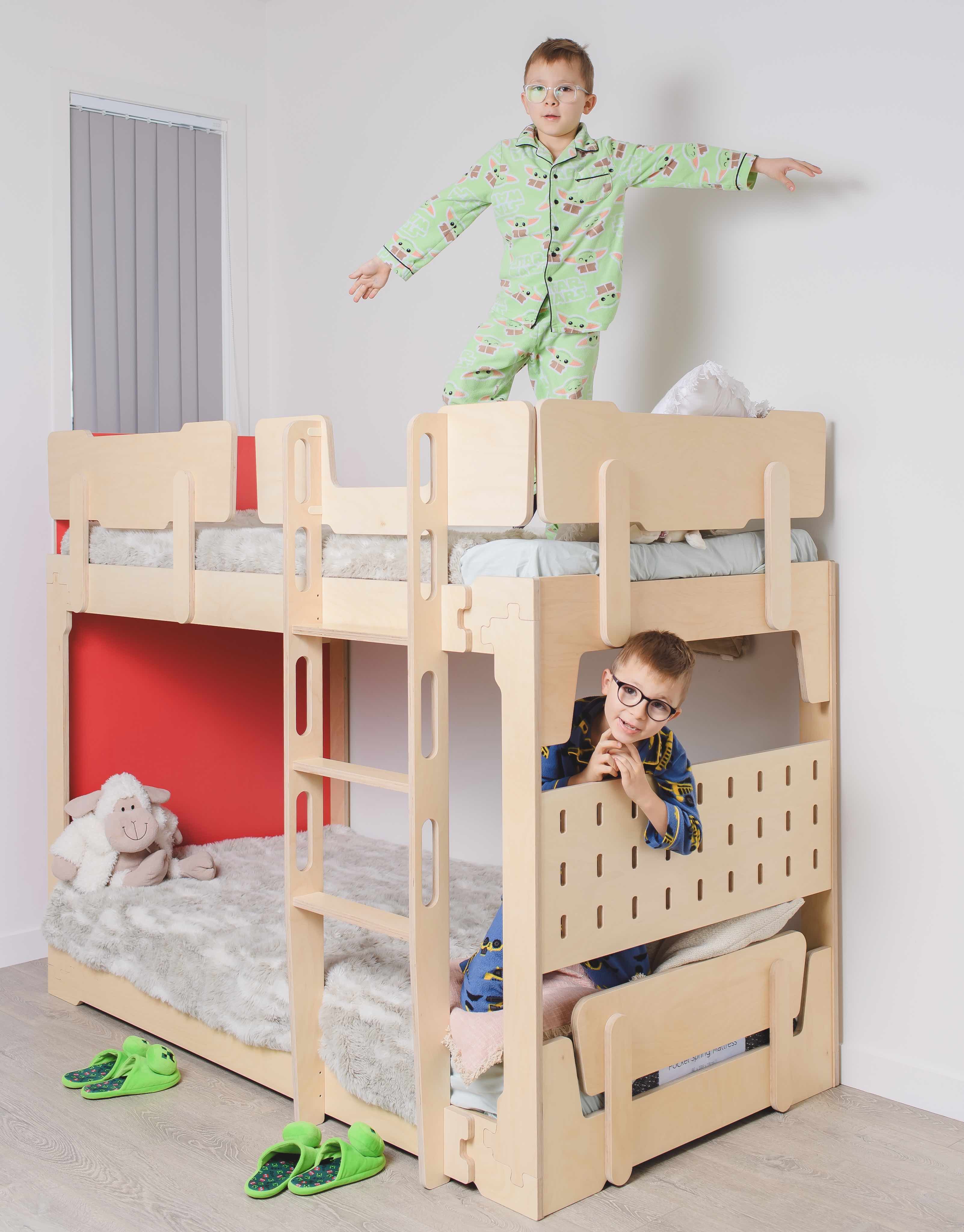
Credit: kitsmart.co.nz
Safe Usage Practices
Safe usage practices help keep children secure on bunk beds. Parents should follow clear steps to avoid accidents. Proper setup and clear rules make bunk beds safer for kids.
Proper Bed Setup
Place the bunk bed away from ceiling fans and windows. Use a sturdy ladder that is easy to climb. Check all screws and bolts regularly. Make sure guardrails are on both sides of the top bunk. The mattress should fit snugly without gaps. Use a mattress that meets safety standards. Avoid placing heavy items on the top bunk.
Supervision And Rules
Set clear rules for bunk bed use. No jumping or rough play on the bed. Only one child should sleep on the top bunk. Teach children to climb up and down safely. Check that younger siblings do not use the top bunk. Supervise children until they learn safe habits. Remind kids to use the ladder, not the sides.
Expert Recommendations
Choosing the right age for a child to use a bunk bed is important for safety. Experts give clear advice based on child development and risk factors. Parents should follow these expert recommendations to keep children safe.
Pediatrician Advice
Pediatricians suggest children under six years old should not use bunk beds. Young children have a higher risk of falling. Their motor skills and judgment are still developing. Doctors recommend waiting until a child is at least six. At this age, children can better understand safety rules. They can climb up and down safely. Pediatricians also stress the importance of guardrails on the top bunk.
Safety Organization Guidelines
Safety groups set rules to prevent bunk bed accidents. The U.S. Consumer Product Safety Commission (CPSC) advises against top bunk use for children under six. The CPSC requires guardrails on all sides of the top bunk. They recommend sturdy ladders and secure bed frames. These guidelines help reduce the risk of falls and injuries. Parents should check that bunk beds meet these safety standards before buying.
Alternative Sleeping Options
Choosing the right bed for a child can be tricky. Safety, comfort, and space matter a lot. Bunk beds suit older kids, but younger ones need other options. Alternative beds help children sleep well and stay safe. They also grow with the child’s needs.
Toddler Beds
Toddler beds are perfect for kids who outgrow cribs. They sit low to the ground, reducing fall risk. These beds are smaller and cozy for young children. Many have guardrails to keep kids from rolling off. Toddlers feel safe and comfortable in these beds. They help children learn to sleep independently. Parents find toddler beds an easy transition from a crib.
Loft Beds
Loft beds raise the mattress off the floor. This creates space below for play or storage. Loft beds suit kids older than bunk bed age. They need good climbing skills and awareness. Guardrails on loft beds add safety and prevent falls. These beds save space in small rooms. Kids enjoy the fun, elevated sleeping area. Loft beds fit well in shared or compact rooms.
Frequently Asked Questions
What Is The Recommended Age For Using A Bunk Bed?
Children should be at least 6 years old before using a bunk bed. This age reduces the risk of falls and injuries. Younger kids may lack the coordination and awareness needed for safe use. Always follow manufacturer guidelines for safety.
Why Are Bunk Beds Unsafe For Toddlers?
Toddlers have limited motor skills and balance, increasing fall risks. Their bones are still developing, making injuries more severe. Bunk beds have high edges and ladders that can be dangerous for young children. It’s best to wait until they are older.
How To Ensure Bunk Bed Safety For Children?
Use guardrails on the top bunk and secure ladders firmly. Choose beds that meet safety standards and inspect them regularly. Teach children safe climbing and sleeping habits. Avoid using bunk beds for children under the recommended age.
Can Younger Siblings Share A Bunk Bed Safely?
It’s generally unsafe for very young siblings to share a bunk bed. The younger child may climb unsafely or fall. If necessary, supervise closely and use safety rails. Consider separate beds until both children meet the age recommendation.
Conclusion
Children usually start using bunk beds safely around six years old. Safety matters most when choosing a bunk bed. Make sure the bed has guardrails and a sturdy ladder. Teach kids how to climb and use the bed carefully. Every child grows differently, so consider their size and habits.
A well-chosen bunk bed saves space and adds fun. Keep checking the bed regularly for any loose parts. This way, your child enjoys a safe and comfortable sleep space.