Are you wondering when your toddler is ready to make the big switch to their own toddler bed? It’s a big step for both you and your little one.
Choosing the right time can make bedtime smoother and help your child feel safe and comfortable. But how do you know if your toddler is ready? You’ll discover the signs to look for and the best age to make this important change.
Keep reading to find out how to make this transition easy and stress-free for your family.
Signs Your Toddler Is Ready
Choosing the right time for a toddler to move into their own bed is important. The ideal age range helps parents plan this change smoothly. It depends on the child’s growth, comfort, and readiness. Moving too early or too late can cause sleep problems. Understanding the typical age and variations helps make the transition easier.
Typical Age For Transition
Most toddlers switch to a toddler bed between 18 months and 3 years. This is when they start to outgrow their crib. Many children begin to climb out of the crib safely. A toddler bed offers more space and freedom to move. It also supports their need for independence.
Variations Among Toddlers
Every toddler is different. Some may be ready at 16 months, while others prefer the crib longer. Factors like personality, sleep habits, and physical growth affect timing. Some toddlers feel safer in their crib and resist change. Parents should watch for signs of readiness and comfort.
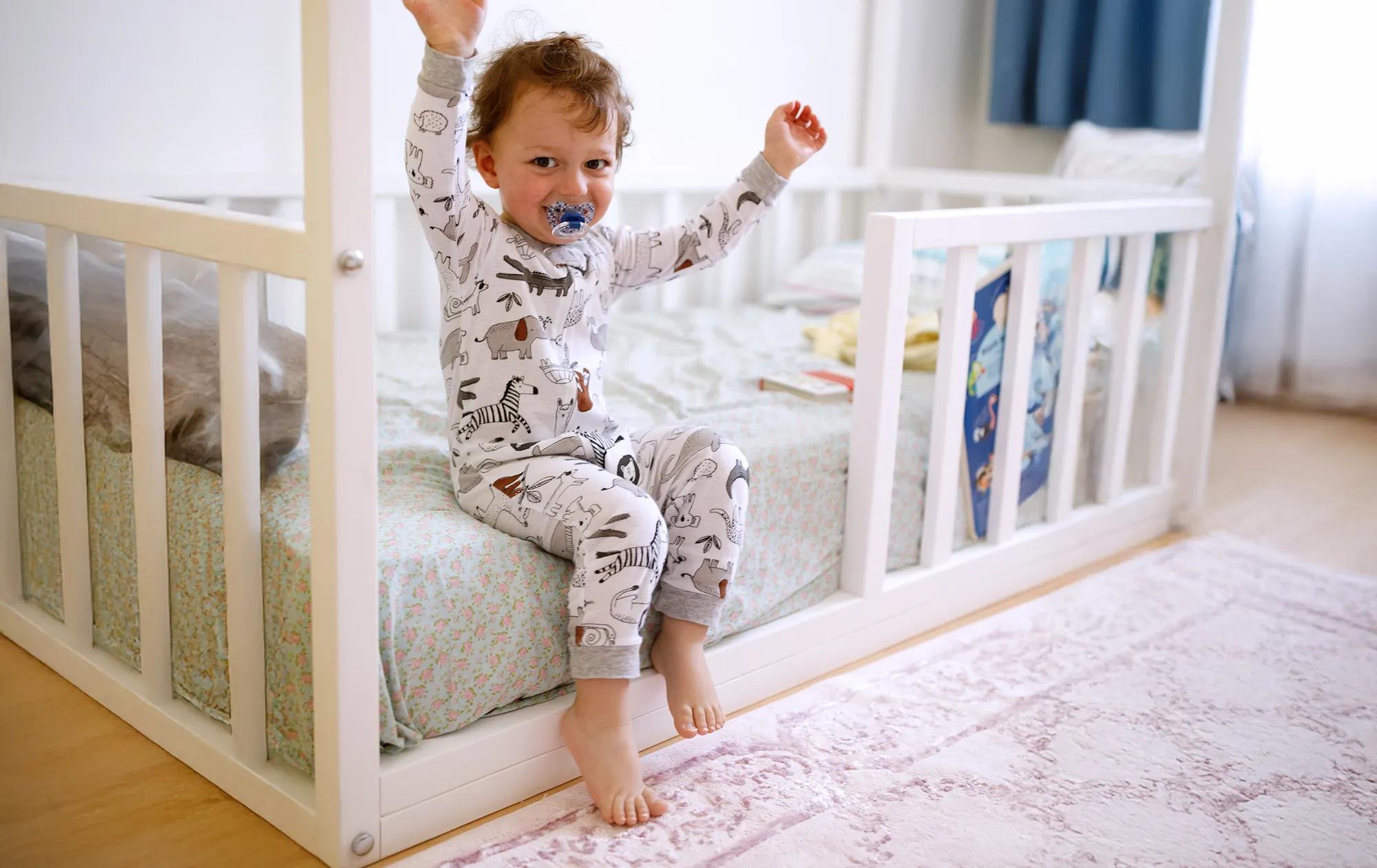
Credit: health.clevelandclinic.org
Ideal Age Range
Choosing the right bed for your toddler is important for comfort and safety. A good bed helps your child sleep well and feel secure. Toddlers need a bed that fits their size and growing needs. The right bed also makes the transition from a crib easier. Careful choice can make bedtime a happy time for both of you.
Types Of Toddler Beds
Toddler beds come in different styles. The most common is the low-to-the-ground bed. It helps toddlers climb in and out easily. Some beds have rails on the sides to keep your child safe. Convertible beds can change from a crib to a toddler bed. These grow with your child and save money. There are also fun beds shaped like cars or animals. These can make bedtime more exciting.
Safety Features To Look For
Safety is the top priority when choosing a toddler bed. Check for strong, sturdy frames that do not wobble. Look for smooth edges and corners to prevent injuries. Side rails help stop your child from falling out of bed. The bed should have a firm mattress that fits snugly. Avoid beds with small parts that can come loose. Make sure the bed meets safety standards for children’s furniture.
Choosing The Right Bed
Moving your toddler to their own bed is a big step. It can bring excitement and some worry. Making this change smooth helps your child feel safe and happy. A calm approach sets a good tone for bedtime. Here are ways to ease this transition.
Preparing Your Toddler
Talk about the new bed often before the move. Show pictures or read books about big kids’ beds. Let your toddler help pick their bedding or stuffed animals. This builds excitement and ownership. Visit the new sleep space together to explore. Answer questions and listen to any fears. Patience is key during this phase.
Creating A Comfortable Sleep Environment
Keep the room cozy and quiet. Use soft lighting like a night light to avoid darkness fears. Ensure the bed is safe with guardrails if needed. Remove distractions like toys or screens during sleep times. Keep the room cool and fresh. A familiar blanket or favorite toy can bring comfort. Make the bed inviting and special.
Establishing A Bedtime Routine
Set a clear, consistent bedtime schedule. Include calming activities like reading or gentle songs. Avoid active play just before bed. Use the same words or phrases each night to signal sleep time. Give hugs and kisses to reassure your toddler. Stick to the routine even on weekends. This predictability helps your toddler relax and sleep well.

Credit: www.akronchildrens.org
Making The Move Smooth
Moving a toddler to their own bed brings many joys. It also brings some common challenges. Parents often face issues that test their patience and consistency.
Understanding these challenges helps parents prepare better. It eases the transition for both toddlers and adults. Below are some frequent problems and ways to handle them.
Dealing With Nighttime Fears
Toddlers may feel scared in a new bed. Shadows and silence can seem big and strange. Nighttime fears often cause crying or calling parents.
Comforting your child with a night light or favorite toy helps. Speak softly and reassure them they are safe. Avoid making fears seem too real or scary.
Handling Bedtime Resistance
Many toddlers say no to bedtime in their new bed. They want to stay up or sleep with parents. This resistance can make bedtime longer and harder.
Set clear bedtime rules and stick to them. Use calm but firm tones. Praise your child for staying in bed and sleeping well.
Managing Nighttime Wandering
Some toddlers get out of bed during the night. They may wander around the room or come to parents. This can disrupt sleep for everyone.
Use a child safety gate or door alarm. Teach your toddler to stay in bed until morning. Consistent responses help reduce wandering over time.
Common Challenges
Deciding when to move your toddler to their own bed is important. Sometimes, waiting longer is the best choice for your child’s comfort and safety. Every toddler grows at their own pace. Watching for certain signs helps you know the right time to switch.
Signs Your Toddler Needs More Time
Some toddlers may not be ready for a big bed yet. They might get scared or confused at night. Frequent waking or crying shows they need more comfort. Climbing out of the crib safely also matters. If your child keeps trying to climb out, it might be time. But if they seem anxious or unsettled, waiting helps them feel secure. Nightmares and trouble falling asleep also suggest more time in the crib.
Alternative Sleep Solutions
Try other options before moving to a bed. A crib mattress on the floor can give more space. Toddler beds with guardrails offer extra safety. Using a sleep sack or familiar blanket helps children feel calm. A consistent bedtime routine supports better sleep. These steps create a smooth transition when your child is ready. Patience ensures your toddler sleeps well and feels safe.

Credit: magicalnest.com
Frequently Asked Questions
At What Age Do Toddlers Typically Transition To Their Own Bed?
Toddlers usually move to their own bed between 18 months and 3 years. This varies depending on the child’s readiness and safety factors.
How Can Parents Know If A Toddler Is Ready For Their Own Bed?
Signs include climbing out of the crib, showing independence, and understanding bedtime routines. Safety and comfort also play key roles.
What Safety Measures Are Needed For A Toddler’s First Bed?
Use guardrails, place the bed low to the ground, and remove sharp objects nearby. Ensure the room is toddler-proofed for added safety.
How Does Transitioning To A Bed Affect Toddler Sleep Patterns?
It may cause temporary sleep disruptions, but consistent routines help toddlers adapt quickly. Positive reinforcement encourages good sleep habits.
Conclusion
Choosing the right age for a toddler bed depends on your child’s readiness. Most toddlers move to their own bed between 18 months and 3 years. Watch for signs like climbing out of the crib or needing more space. Safety matters most, so pick a sturdy bed with guardrails.
A smooth transition helps your toddler feel secure and happy. Remember, each child grows at their own pace. Trust your instincts and enjoy this new stage together.
