Are you wondering when the right time is to move your toddler from their crib to a bed? It’s a big step for both you and your little one, and getting the timing right can make all the difference.
If you choose too early, your child might feel insecure or restless. Wait too long, and your toddler may start climbing out of the crib, which can be unsafe. You’ll discover clear signs to watch for and practical tips to help your child make a smooth, confident transition.
Keep reading to find out how to make this change easier for your whole family.
Signs Your Toddler Is Ready
Knowing when to move your toddler from a crib to a bed can be tricky. Watch for clear signs that your child is ready. These signs help keep your toddler safe and comfortable. They also make the transition easier for the whole family.
Climbing Out Of The Crib
One key sign is climbing out of the crib. Toddlers who try to climb may hurt themselves. This shows they need a safer sleeping space. Moving to a bed can stop these risky escapes. It gives your child freedom without danger.
Physical Growth Milestones
Toddlers grow fast. When they outgrow the crib size, it is time to change. If your child’s legs or body feel cramped, a bed is better. Bigger beds give more room to move and stretch. This supports healthy growth and comfort at night.
Sleep Pattern Changes
Changes in sleep patterns can signal readiness. Toddlers who wake often or resist naps may need a bed. They might feel trapped or restless in a crib. A bed offers more space and helps improve sleep quality. Watch your child’s habits closely for these clues.

Credit: www.whattoexpect.com
Ideal Age Range
Choosing the right age to move a toddler from a crib to a bed matters a lot. It affects their safety and comfort during sleep. Parents often wonder about the ideal age range for this change. This section explains common age benchmarks, individual differences, and advice from pediatricians.
Common Age Benchmarks
Most toddlers move from a crib to a bed between 18 months and 3 years. Some children change as early as 18 months. Others stay in a crib until they are 3 years old. This range fits most toddlers’ growth and development stages. Parents notice signs like climbing out of the crib or needing more space.
Individual Differences
Every child grows at a different pace. Some toddlers feel ready earlier than others. Factors like size, temperament, and sleep habits matter. A toddler who climbs out of the crib too often needs a bed sooner. Others who feel secure in the crib may stay longer. Watch your child’s behavior to decide the best time.
Pediatrician Recommendations
Doctors suggest moving toddlers to a bed when they start climbing out. This helps prevent falls and injuries. Pediatricians also advise considering the child’s readiness and safety. They recommend toddler beds with guardrails to keep children secure. Parents should discuss the transition during regular health checkups.
Choosing The Right Bed
Choosing the right bed for your toddler is an important step in their growth. It affects their comfort, safety, and sleep quality. The bed should fit your child’s size and needs. It should also help them feel secure and happy in their new sleeping space.
Parents often face a choice between toddler beds and twin beds. Each option has its benefits. Understanding these helps you pick the best fit for your child and home.
Toddler Beds Vs. Twin Beds
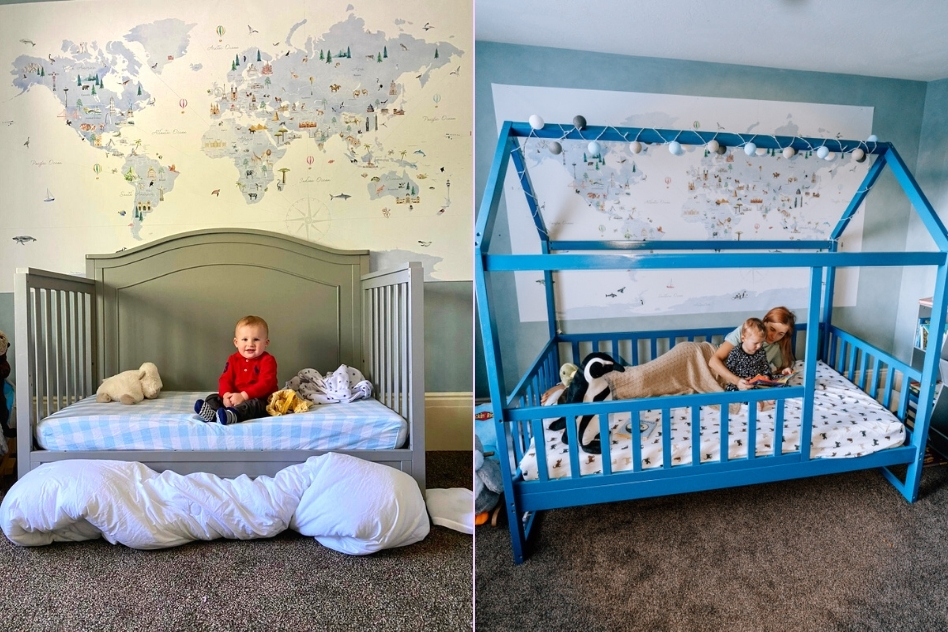
Toddler beds are smaller and lower to the ground. They often have rails to keep your child from falling out. These beds suit kids who just outgrew their cribs. Twin beds are larger and last longer. They fit older children and grow with them. Twin beds can feel big and scary for some toddlers. Toddler beds make the transition easier. You can add fun bedding to make the bed inviting.
Safety Features To Consider
Choose beds with sturdy frames and no sharp edges. Check that rails are secure and smooth. The bed should not wobble or move easily. Avoid beds with gaps where a child can get stuck. The mattress should fit tightly in the frame. Make sure the bed is low to the floor. This reduces injury if your child falls. Also, pick non-toxic paint or finish on the bed. Safety is key for peace of mind.
Mattress Selection Tips
Pick a mattress that fits the bed frame well. It should be firm to support your toddler’s growing body. Avoid mattresses that are too soft or too thick. Choose a waterproof mattress cover for easy cleaning. Breathable materials help your child sleep comfortably. Look for hypoallergenic options to reduce allergies. A good mattress improves sleep and health.
Credit: annainthehouse.com
Preparing Your Toddler
Preparing your toddler for the move from crib to bed takes time and care. Toddlers need to feel safe and comfortable. This helps them accept the new sleeping space. Start by making small changes. These ease the transition and reduce stress for both of you.
Creating A Comfortable Sleep Environment
Make the new bed cozy and inviting. Use soft sheets and a favorite blanket or stuffed animal. Keep the room dark but not too dark. A nightlight can help your toddler feel secure. Remove any toys or items that might distract from sleep. A calm space makes falling asleep easier.
Involving Your Child In The Transition
Let your toddler choose new bedding or a special pillow. Talk about the new bed in a positive way. Read books about big kids sleeping in beds. This builds excitement and reduces fear. Let them practice sitting or lying in the bed during the day. This helps them get used to it before bedtime.
Establishing A New Bedtime Routine
Keep a consistent bedtime routine to create comfort. Include calming activities like a warm bath or quiet storytime. Stick to the same bedtime each night. This signals to your toddler that it is time to sleep. A steady routine helps them feel secure in the new bed.
Managing Challenges
Moving a toddler from a crib to a bed can bring some challenges. It is a big change for your child. Patience and consistency are key during this transition. Understanding common issues helps you manage them better.
Dealing With Resistance
Toddlers may not want to leave their crib. The crib feels safe and familiar. Offer gentle reassurance and explain the change simply. Let your child choose new bedding or a special stuffed animal. This makes the new bed more exciting. Stay calm if your toddler says no. Give time for adjustment. Keep bedtime routines the same to create comfort.
Handling Nighttime Wandering
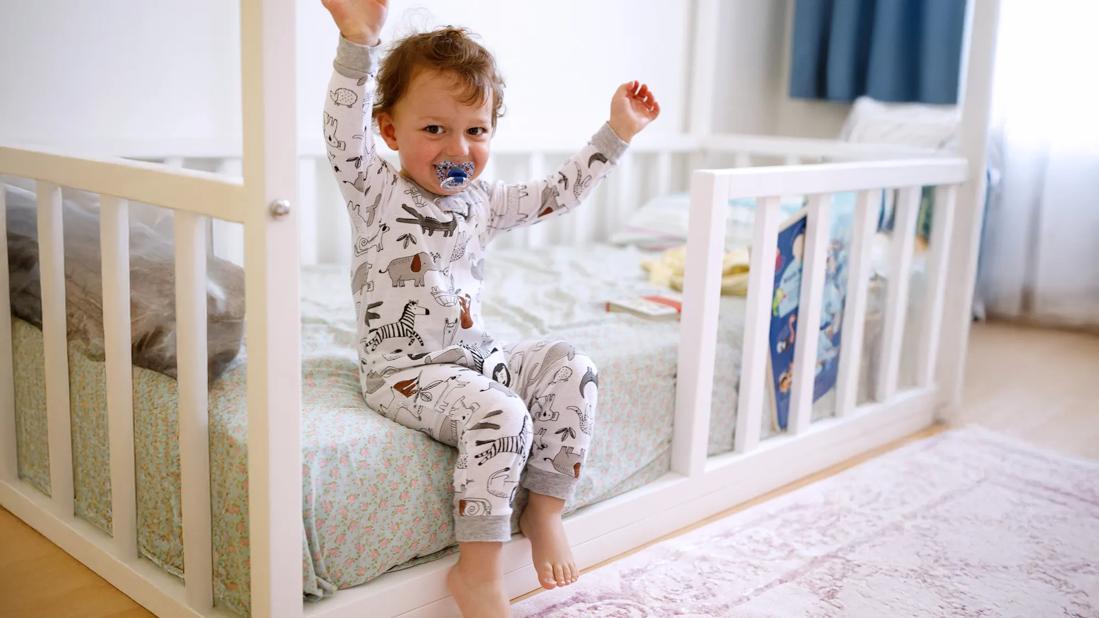
Some toddlers may get out of bed at night. They might explore or want company. Use a baby gate or door alarm for safety. Return your child to bed calmly and quietly. Avoid long talks or playtime at night. Consistency will teach them to stay in bed. Praise your child for staying in bed each morning.
Addressing Sleep Disruptions
Sleep problems may increase after the move. Toddlers might wake up more often. Keep the room dark and quiet. Use a nightlight if your child fears darkness. Stick to regular nap and sleep times. Comfort your child but avoid making new habits. Give time for your toddler to settle into the new bed. Sleep will improve with patience and routine.
Credit: health.clevelandclinic.org
Frequently Asked Questions
When Is The Best Age To Transition A Toddler To A Bed?
Most toddlers move from crib to bed between 18 months and 3 years. The ideal age depends on your child’s readiness and safety considerations. Look for signs like climbing out of the crib or showing interest in a bed.
How Can I Tell If My Toddler Is Ready To Switch?
Signs include climbing out of the crib, expressing interest in a bed, and staying dry overnight. Readiness also depends on your child’s physical and emotional development. Safety is key when making the transition.
What Are Safety Tips For Moving A Toddler To A Bed?
Use guardrails to prevent falls, place the bed low to the ground, and remove hazards from the room. Ensure the bedroom is toddler-proofed to keep your child safe during the transition.
Should I Expect Sleep Disruptions After Moving To A Bed?
Yes, some toddlers may experience sleep changes or resistance initially. Consistent bedtime routines and reassurance help ease the adjustment. Most children adapt within a few weeks.
Conclusion
Choosing the right time to move your toddler from crib to bed matters a lot. Every child grows at their own pace. Watch for signs like climbing out or needing more space. A smooth change helps your child feel safe and comfortable.
Keep routines steady to ease the transition. Remember, patience and care make this step easier. Your toddler will enjoy their new bed soon. Trust your instincts and support your child’s needs. This change marks a new chapter in their growth and independence.