Are you wondering when the right time is to move your little one from a crib to a toddler bed? It’s a big step for both you and your child, filled with excitement and a bit of uncertainty.
Knowing the perfect age to make this change can help your child feel safe and comfortable while giving you peace of mind. You’ll discover the key signs to watch for and expert tips to make the transition smooth and stress-free.
Keep reading to find out how to make this milestone a positive experience for your whole family.
Credit: health.clevelandclinic.org
Signs Your Child Is Ready
Knowing when to switch your child to a toddler bed can be tricky. Watching for clear signs helps make the change easier. Each child grows at their own pace. Some show readiness early, others take more time. Pay attention to physical growth, behavior, and sleep habits. These clues guide you to the right moment.
Physical Development Indicators
Your child needs to grow enough for the new bed. They should climb in and out without help. Look for steady walking and balance skills. These show they can safely use a toddler bed. Also, check if the crib feels too small or cramped. Physical readiness makes bedtime safer and more comfortable.
Behavioral Clues
Notice if your child tries to climb out of the crib. This can be a sign of frustration or curiosity. Some children ask to sleep in a “big kid” bed. Showing interest in new routines also helps. These behaviors suggest your child wants more freedom. Respecting these clues supports a smooth transition.
Sleep Pattern Changes
Watch for changes in how your child sleeps. Frequent waking or restlessness might mean the crib is no longer comfy. Your child may want to move around more at night. They could also resist naps or bedtime in the crib. These sleep changes often signal readiness for a toddler bed.

Credit: casakids.com
Ideal Age Range To Transition
Choosing the right time to move your child to a toddler bed matters a lot. It affects their sleep and safety. Parents often ask about the ideal age for this change. Knowing typical age milestones helps. Also, each child grows differently. This section explains the usual age range and how kids differ.
Typical Age Milestones
Most children switch to a toddler bed between 18 months and 3 years. At this stage, they start to climb out of cribs. They need more space to sleep comfortably. Many toddlers show interest in a big bed. This shows they are ready to transition. Sleep patterns also become more stable around this age.
Variations Among Children
Every child develops at their own pace. Some may be ready before 18 months. Others might stay in a crib until 3 years or more. Factors like physical growth and behavior matter. Safety is a key sign. If a child climbs out often, it is time to switch. Comfort and readiness should guide the decision.
Choosing The Right Toddler Bed
Choosing the right toddler bed is an important step for your child’s comfort and safety. This transition helps your toddler feel more independent and secure. Picking the best bed involves understanding safety, types of beds, and bedding options. This guide will help you make a smart choice.
Safety Features To Consider
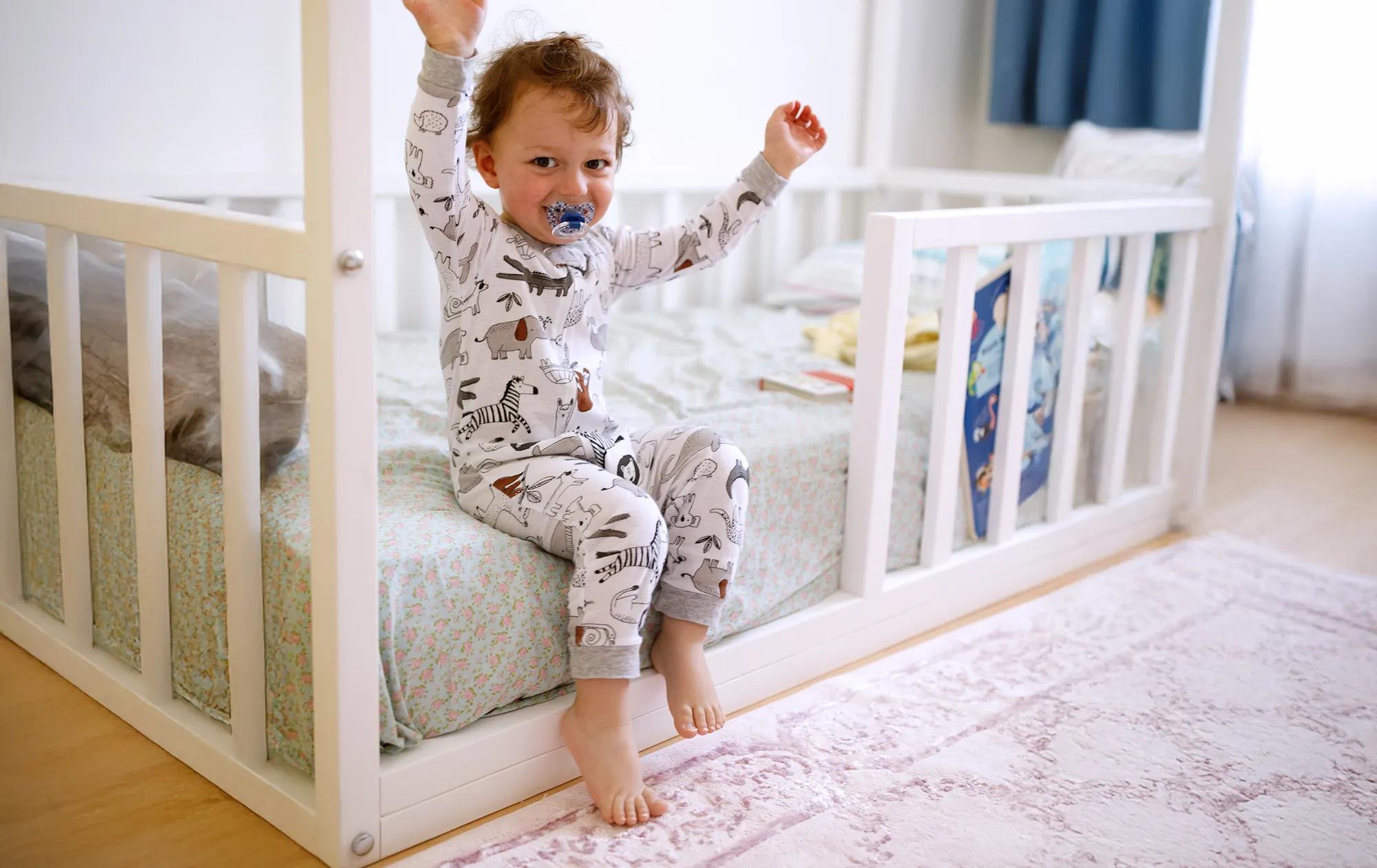
Look for beds with guardrails on both sides. These rails prevent your child from falling out. Check that the bed frame is sturdy and made of non-toxic materials. Avoid beds with sharp edges or small parts that can come loose. Make sure the bed height is low to the floor. This makes it easier and safer for your toddler to get in and out.
Types Of Toddler Beds
Standard toddler beds use a crib mattress but are smaller than regular beds. Convertible beds change from a crib to a toddler bed and sometimes to a full bed. Some toddler beds have fun shapes like cars or animals, which can excite your child. Pick a bed that fits your space and your child’s personality. Keep in mind how long you want to use the bed before moving to a bigger one.
Mattress And Bedding Tips
Choose a firm mattress that fits the bed frame snugly. A mattress that is too soft can be unsafe. Use fitted sheets made of breathable materials like cotton. Avoid heavy blankets or pillows that can cause suffocation. Consider bedding with fun colors or patterns to make bedtime inviting. Always check the bedding for any loose threads or small parts.

Credit: busytoddler.com
Preparing Your Child For The Move
Preparing your child for the move to a toddler bed is a big step. It needs patience and care. Making the change smooth helps your child feel safe and happy. Start by getting your child used to the idea. Talk about the new bed and what to expect. Help your child feel ready and excited for the change.
Creating A Comfortable Environment
Make the toddler bed cozy and inviting. Use soft bedding with your child’s favorite colors or characters. Keep the room tidy and quiet. Add a night light if your child feels scared of the dark. A calm space helps your child sleep better and feel safe.
Establishing A Bedtime Routine
Keep a simple routine every night. Bath time, storytime, and cuddles can help. Follow the same steps at the same time daily. This tells your child it is time to sleep soon. A routine brings comfort and makes the move easier.
Involving Your Child In The Process
Let your child help choose the bed or bedding. Talk about how the new bed is special. Encourage your child to place their toys or books near the bed. Being part of the process gives your child control and pride. It makes the transition feel like a fun adventure.
Common Challenges And Solutions
Transitioning your child to a toddler bed can bring many challenges. These are normal and can be managed with patience. Understanding common problems helps parents act wisely. This section covers main issues and easy solutions.
Dealing With Nighttime Fears
Children may feel scared in a new bed. Shadows or silence can seem scary at night. Comfort your child by using a night light. A favorite toy or blanket can also bring comfort. Talk calmly about fears and listen carefully. Reassure your child often that they are safe.
Preventing Bedtime Resistance
Some toddlers resist going to bed in a new bed. Keep a consistent bedtime routine to help. Reading a short story or singing a song relaxes them. Avoid screen time before bed to reduce restlessness. Praise your child for staying in bed. Be firm but gentle when guiding them back.
Handling Nighttime Wandering
Nighttime wandering is common after switching beds. Use a baby gate to keep your child safe. Check the child’s room for hazards or temptations. Keep the bedroom door slightly open for easy access. Guide your child back to bed quietly and calmly. Consistency helps stop wandering over time.
Expert Tips For A Smooth Transition
Transitioning your child to a toddler bed can be a big change for both of you. Experts suggest some key steps to make this move easier and less stressful. These tips help your child feel safe and happy in their new bed. Following these simple ideas can create a smooth and positive experience.
Consistency And Patience
Keep a regular bedtime routine. Same time, same steps every night. This helps your child know what to expect. Be patient if your child resists the new bed. Some children take time to adjust. Stay calm and gentle. Consistency builds trust and comfort.
Positive Reinforcement Strategies
Praise your child when they use their toddler bed. Use kind words and small rewards. This encourages good behavior. Avoid punishment for mistakes or fears. Positive support helps your child feel proud. Celebrate small wins to boost confidence.
When To Seek Professional Advice
Notice if your child has strong fears or sleep problems. Talk to a pediatrician or sleep expert. They can offer guidance and support. Seek help if bedtime becomes very stressful. Early advice can prevent bigger issues later.
Frequently Asked Questions
When Is The Best Age To Switch To A Toddler Bed?
Most children transition between 18 months and 3 years old. This depends on their size, safety, and readiness. Watch for signs like climbing out of the crib or showing interest in a bigger bed.
How Do I Know My Toddler Is Ready For The Bed?
Look for signs such as climbing out of the crib or asking for a bigger bed. Your child should also be able to understand simple safety rules and stay in bed.
What Safety Measures Are Needed For Toddler Beds?
Ensure the bed has guardrails to prevent falls. Place the bed away from windows and sharp objects. Use a firm mattress and keep the floor clear of toys to avoid tripping.
Can Transitioning Too Early Affect My Toddler’s Sleep?
Yes, switching too early may cause sleep disruptions or anxiety. It’s best to wait until your child shows readiness signs for a smoother transition and better sleep quality.
Conclusion
Choosing the right age to switch to a toddler bed depends on your child’s needs. Watch for signs like climbing out of the crib or asking for a bigger bed. Every child grows at their own pace. Safety and comfort matter most during this change.
A smooth transition helps your child feel safe and happy. Take your time and trust your instincts as a parent. This step is just one part of your child’s growth journey. Keep patience and support throughout the process.