Choosing the right time to switch your little one to a toddler bed can feel confusing. You want your child to be comfortable and safe, but how do you know when the change is just right?
If you’ve been wondering, “What age to use a toddler bed? ” you’re not alone. Understanding the signs and the best age to make this move can make bedtime easier for both you and your child. Keep reading, and you’ll discover simple, practical advice to help you decide the perfect moment to introduce a toddler bed in your home.
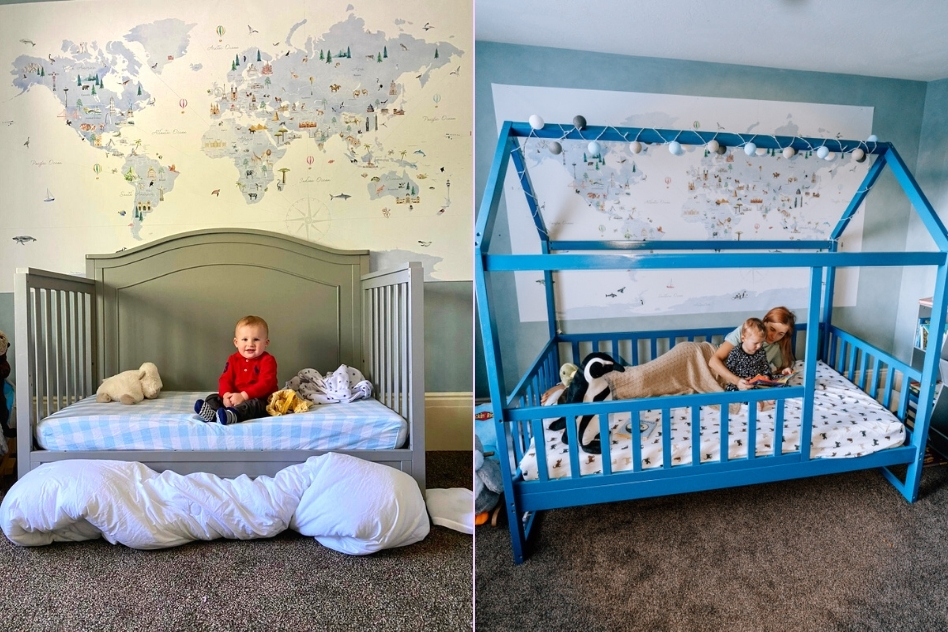
Credit: annainthehouse.com
Signs Your Child Is Ready
Knowing when to switch your child to a toddler bed is important. This change can affect their sleep and safety. Watching for signs helps you decide the right time. Children grow at different rates, so look for clear signals. These signs fall into three main areas: physical growth, behavior, and safety needs.
Physical Growth Indicators
Your child’s size matters. If they start to outgrow the crib, it is time to move. Check if their legs hang over the crib edge. Also, see if they try to climb out. Climbing means the crib no longer feels safe. Toddlers between 18 months and 3 years often show these signs.
Behavioral Cues
Watch your child’s actions closely. Do they ask to sleep in a “big kid” bed? Are they curious about the beds of older siblings? Some children resist naps in the crib. They may want more freedom at night. These behaviors show readiness for a toddler bed.
Safety Considerations
Safety is a top priority. If your child climbs out of the crib, risk of injury grows. Toddler beds sit lower to the floor and have guardrails. These features reduce falling risks. Make sure the room is child-proofed before the switch. Remove sharp objects and secure furniture to walls.
Choosing The Right Toddler Bed
Choosing the right toddler bed is important for your child’s comfort and safety. A good bed helps your toddler sleep well and feel secure. It also makes the transition from a crib easier. Parents should think about the bed’s style, materials, and size. These factors can affect your child’s sleep quality and safety.
Understanding different types of toddler beds and their features can help you make the best choice. Focus on beds that offer strong support and fit your child’s needs. Comfort and safety go hand in hand. A well-chosen bed supports your toddler’s growth and independence.
Types Of Toddler Beds
Toddler beds come in many styles. Some look like small beds with low sides. Others have fun shapes, like cars or animals. Convertible beds change from a crib to a toddler bed. They save money and space. Choose a bed that matches your child’s personality and room style. Simple designs often work best for safety and comfort.
Materials And Safety Features
Wood is a popular material for toddler beds. It is strong and lasts long. Some beds use plastic or metal parts for extra support. Check for smooth edges and non-toxic paint. Guardrails protect your child from falling out. Make sure the bed meets safety standards. A sturdy frame and secure parts keep your toddler safe during sleep.
Size And Comfort
Toddler beds are smaller than regular beds but bigger than cribs. The mattress should fit snugly inside the bed frame. A good mattress is firm but soft enough to be comfortable. Choose bedding that feels soft and is easy to clean. The bed should be low to the ground. This helps your toddler get in and out safely. Comfort and size affect how well your child will sleep.
Preparing The Bedroom
Preparing your toddler’s bedroom is an important step before moving them into a toddler bed. It helps your child feel safe and comfortable in their new sleeping space. The room should be inviting and free from dangers. Careful planning creates a smooth transition from crib to bed.
Creating A Safe Sleep Environment
Place the toddler bed away from windows and cords. Use a firm mattress that fits the bed frame well. Keep the room at a comfortable temperature for sleeping. Use night lights to ease fears in the dark. Make sure the bed has guardrails to prevent falls.
Personalizing The Space
Let your child choose bedding with their favorite colors or characters. Add soft toys or a small blanket they love. Hang simple artwork or decals on the walls. Personal touches make the room feel welcoming and cozy. This helps your toddler feel more excited about their bed.
Removing Hazards
Check the room for small objects that can cause choking. Secure furniture to the wall to prevent tipping. Cover electrical outlets with safety plugs. Remove any sharp or breakable items nearby. Clear the floor of toys and clutter to avoid trips and falls.
Making The Transition Smooth
Moving your child to a toddler bed can feel like a big step. It’s important to make this change easy and calm. A smooth transition helps your child feel safe and excited about the new bed. Small actions create comfort and build good sleep habits.
Establishing A Bedtime Routine
Start with a clear bedtime routine. Do the same things each night at the same time. This might include a bath, story, and quiet talk. A routine signals to your child that sleep time is near. It brings calm and helps them relax before bed.
Introducing The New Bed Gradually
Let your child get used to the bed slowly. Allow playtime in the bed during the day. Sit with your child on the bed and read stories. This makes the bed a fun, safe place. Avoid rushing the first night in the new bed.
Handling Nighttime Fears
Night fears are common at this age. Listen to your child’s worries and comfort them. Use a night light to keep the room soft and cozy. Reassure your child you are close by. Stay calm and patient to ease their fears.
Common Challenges And Solutions
Moving a child to a toddler bed can bring some challenges. These are normal and can be managed with patience. Knowing common issues helps parents prepare better.
Below are some typical problems and easy solutions to make the transition smoother.
Resistance To Change
Children often feel safe in their crib and resist change. They may cry or refuse to stay in the new bed. To ease this, involve your child in choosing the bed or bedding. Keep a bedtime routine consistent. Give lots of praise when they use the toddler bed. Patience is key during this phase.
Nighttime Wandering
Some toddlers get out of bed at night and wander. This can be unsafe and stressful. Use a baby gate to block stairs or dangerous rooms. Nightlights help children feel secure and see their way. Gently guide them back to bed without making a fuss. Over time, they learn to stay in bed all night.
Accidents And Cleanups
Bedwetting or accidents may happen during the switch. Use waterproof mattress covers to protect the bed. Keep cleaning supplies handy for quick cleanup. Reassure your child that accidents are okay and normal. Consistent bathroom routines before bed reduce accidents. Patience and support help your child adjust easily.

Credit: busytoddler.com
When To Consider A Bigger Bed
Choosing the right bed for your toddler is important for their comfort and safety. A toddler bed fits well for a while, but children grow quickly. At some point, you need to think about moving to a bigger bed. This change helps your child sleep better and feel more secure. Knowing the right time to upgrade can make the transition smooth and easy.
Signs Your Toddler Bed Is Too Small
Watch for signs that the bed is getting too small. If your child’s feet hang over the edge, it may be time to change. When your toddler looks cramped or uncomfortable, the bed no longer fits well. If your child starts climbing out often, they might feel restricted. These hints show the need for a bigger sleeping space.
Transitioning To A Twin Bed
A twin bed offers more room for growing children. It gives extra space to stretch and move at night. This bed size can last many years, saving money in the long run. Choose a sturdy frame with safety rails if needed. A twin bed can boost your child’s confidence and comfort during sleep.
Timing For The Next Move
The best time to move depends on your child’s growth and habits. Most toddlers switch beds between 2 and 4 years old. Plan the change when your child feels ready and curious. Avoid sudden changes during stressful times like potty training. A calm and happy moment helps your child accept the new bed.
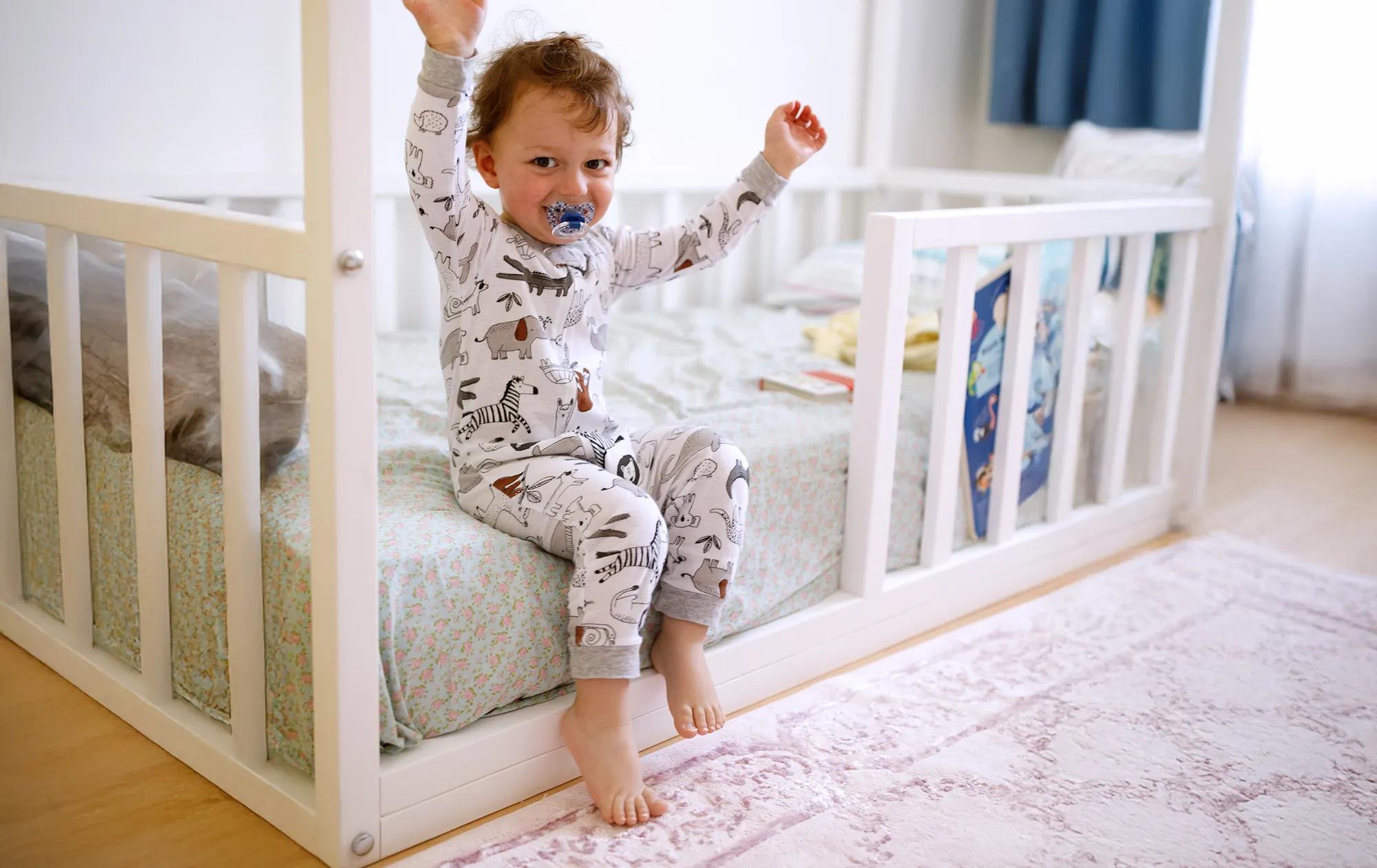
Credit: health.clevelandclinic.org
Frequently Asked Questions
When Is The Right Age To Start Using A Toddler Bed?
Most children transition to a toddler bed between 18 months and 3 years. This depends on their size, mobility, and readiness to leave a crib.
How Do I Know If My Toddler Is Ready For A Toddler Bed?
Signs include climbing out of the crib, showing interest in a bigger bed, or having better motor skills and independence.
What Are The Safety Features Of A Toddler Bed?
Toddler beds have low frames, guardrails, and sturdy construction to prevent falls and provide a secure sleeping environment for young children.
Can A Toddler Bed Help With Better Sleep Habits?
Yes, toddler beds offer comfort and independence, which can improve sleep routines and reduce anxiety related to crib transitions.
Conclusion
Choosing the right age for a toddler bed helps your child feel safe. Most kids switch between 18 months and 3 years old. Watch your child’s behavior and comfort to decide the best time. Toddlers need space to move but also protection from falls.
A toddler bed offers a good balance. Keep your child’s needs first and trust your instincts. This change is a big step for both of you. It supports independence and better sleep routines. Remember, every child grows at their own pace.