Are you wondering what time you should put your toddler to bed? Finding the right bedtime can feel like a daily puzzle.
Too early, and your little one might resist; too late, and they could be cranky the next day. But getting this just right can transform your evenings and boost your toddler’s mood, growth, and sleep quality. Keep reading, and you’ll discover simple, practical tips to set the perfect bedtime that works for your family—and finally enjoy peaceful nights and brighter days.
Ideal Sleep Duration For Toddlers
Toddlers need enough sleep for healthy growth and good mood. The right amount of sleep helps their brain and body develop well. Too little sleep can cause problems like crankiness and poor attention. Understanding the ideal sleep duration helps parents set a good bedtime.
Recommended Hours By Age
Toddlers aged 1 to 2 years usually need 11 to 14 hours of sleep every day. This total includes naps and nighttime sleep. Children aged 3 to 5 years need about 10 to 13 hours daily. These hours support their active days and learning skills.
Signs Of Sleep Deprivation
Watch for signs that your toddler is not getting enough sleep. They may be more irritable or cry easily. Trouble focusing or staying awake during the day can also happen. Some toddlers become hyperactive or show unusual behavior. Catching these signs early helps adjust their sleep schedule.
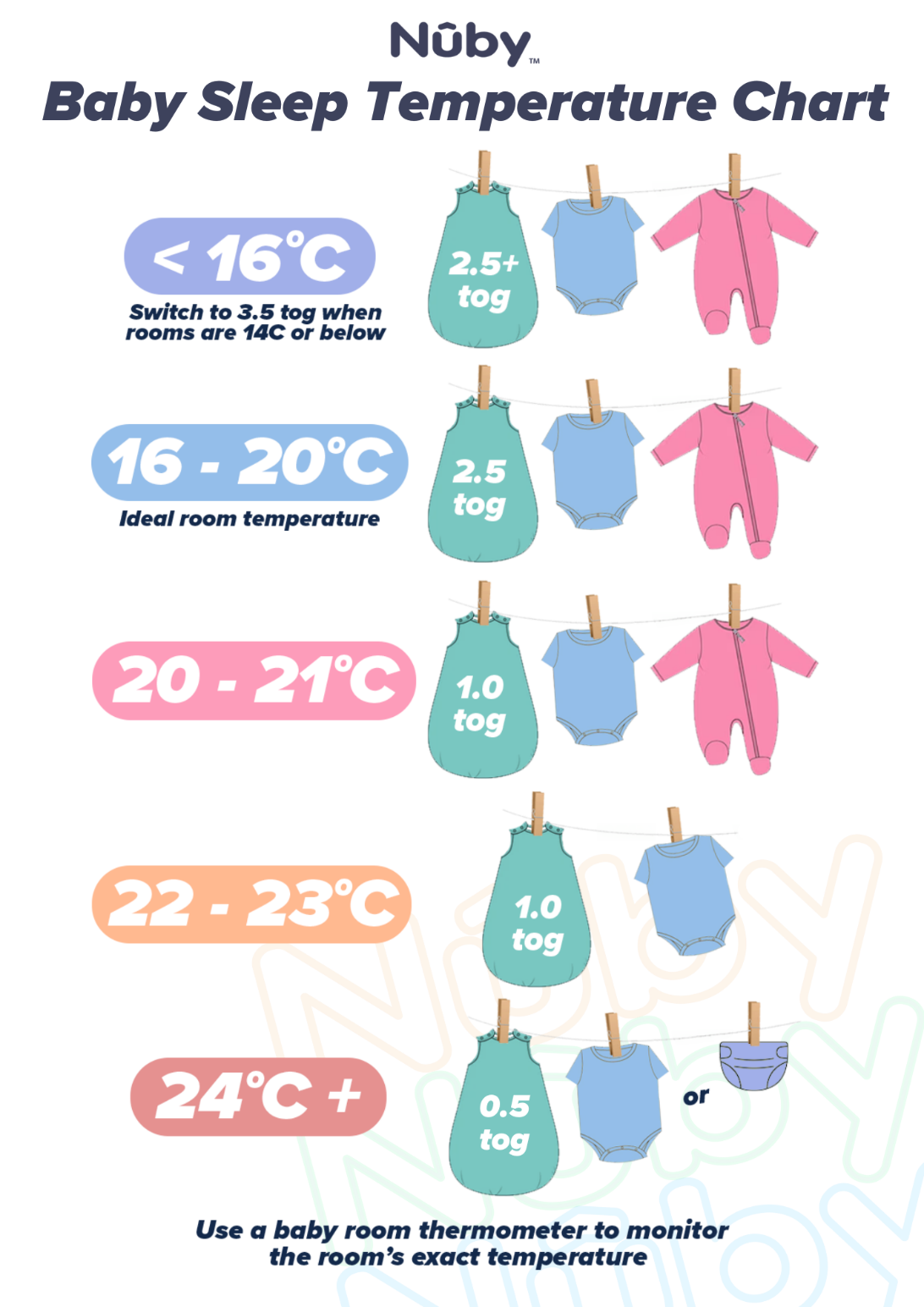
Credit: uk.nuby.com
Factors Influencing Bedtime
Choosing the right bedtime for your toddler depends on many factors. These factors affect how well your child sleeps. Understanding them helps create a healthy sleep schedule. Toddlers need enough rest to grow and stay active. Here are key elements that influence bedtime.
Daily Routine And Activities
A toddler’s daily routine shapes their sleep needs. Active play helps use energy and promotes tiredness. Quiet time before bed calms the mind and body. Consistent routines signal it is time to sleep. Changes in routine can delay or disrupt bedtime.
Napping Patterns
Naps impact how sleepy your toddler feels at night. Long or late naps may push bedtime later. Short, early naps help maintain early sleep times. Watch how naps affect your child’s mood and rest. Adjust naps to support a smooth bedtime routine.
Meal And Snack Timing
When your toddler eats can change their sleep timing. Heavy meals close to bedtime can cause discomfort. Light snacks before bed can prevent hunger during the night. Balanced meal timing helps toddlers fall asleep easily. Avoid sugary snacks near bedtime to promote calmness.
Benefits Of Early Bedtime
Setting an early bedtime for toddlers brings many benefits. It helps their body and mind stay healthy. Early sleep creates a strong foundation for daily activities. Parents often see positive changes in their children’s behavior and learning.
Choosing the right bedtime supports growth and development. It also prepares toddlers for better days ahead. Let’s explore the key benefits of early bedtime.
Improved Behavior And Mood
Toddlers who sleep early tend to be calmer. They handle emotions better and have fewer tantrums. Good rest helps them stay patient and happy. Sleep affects how children control their feelings. Early bedtime reduces irritability and boosts mood.
Better Physical Growth
Sleep supports the body’s growth and repair. Toddlers grow faster during deep sleep stages. Early bedtime allows longer, uninterrupted sleep. This gives their body time to build strong bones and muscles. Healthy sleep habits lead to better overall health.
Enhanced Cognitive Development
Early bedtime improves memory and learning. Sleep helps the brain process new information. Toddlers who rest well focus better during the day. Their problem-solving and language skills improve. Sleep supports brain growth and sharp thinking.

Credit: www.kathrynstimpson.com
Creating A Consistent Sleep Schedule
Creating a consistent sleep schedule helps your toddler feel safe and calm. It supports healthy growth and better mood. Toddlers thrive when their day follows a clear pattern. Sleep becomes easier with regular timing and familiar habits. Here are key steps to build a steady bedtime routine.
Setting A Fixed Bedtime
Choose a bedtime that fits your toddler’s age and needs. Keep it the same every night, even on weekends. A fixed bedtime helps the body’s internal clock stay steady. It makes falling asleep faster and waking up easier. Consistency is the key to better sleep for toddlers.
Establishing A Relaxing Routine
Create a calm routine before bed to help your toddler wind down. Simple activities like reading a book, taking a warm bath, or singing softly work well. Avoid screens or loud play before sleep time. This signals the brain to prepare for rest. A relaxing routine makes bedtime smooth and stress-free.
Handling Bedtime Resistance
Toddlers often test limits and resist going to bed. Stay calm and patient during these moments. Gently remind your child about bedtime rules. Offer comfort, but avoid giving in to demands. Consistent responses teach toddlers that bedtime is non-negotiable. Over time, resistance will lessen and sleep will improve.
Adjusting Bedtime For Special Circumstances
Sometimes, toddlers need a different bedtime than usual. Special situations can change their sleep needs. Parents should be ready to adjust bedtime gently. This helps toddlers feel comfortable and sleep well.
Changes can make toddlers tired or restless. A flexible bedtime helps their body rest properly. Understanding these special moments can improve your toddler’s sleep quality and mood.
Travel And Time Zone Changes
Traveling can confuse toddlers’ internal clocks. Time zone changes make it harder to sleep on schedule. Start shifting bedtime by 15 minutes each day before travel. After arriving, keep routines familiar to help adjustment. Be patient as toddlers adapt to new time zones.
Illness And Growth Spurts
Illness can make toddlers need more rest. They may wake up more often or nap longer. Growth spurts also increase sleep needs for recovery. Allow extra sleep and comfort during these times. Watch your toddler’s signals to adjust bedtime accordingly.
Family Events And Holidays
Special events can delay toddler bedtimes. Busy days and excitement make it hard to sleep early. Try to keep bedtime close to normal when possible. Use quiet time before bed to calm your toddler. After events, return to regular sleep routines quickly.
Expert Tips For Better Sleep
Getting your toddler to sleep well can be a challenge. Experts share simple tips to help improve your child’s sleep. These tips focus on creating the right environment, managing screen time, and encouraging physical activity. Each step helps your toddler fall asleep faster and stay asleep longer.
Optimizing Sleep Environment
A calm and quiet room helps toddlers sleep better. Keep the room cool and dark. Use a night light if your child feels scared. Soft bedding and comfortable pajamas make a big difference. Remove loud toys or bright objects that can distract your child. A consistent bedtime routine also signals it’s time to sleep.
Limiting Screen Time
Screens can make it hard for toddlers to sleep. Avoid TV, tablets, and phones at least one hour before bed. Blue light from screens tricks the brain into staying awake. Instead, choose quiet activities like reading or drawing. This helps your toddler relax and prepare for sleep.
Encouraging Physical Activity
Toddlers need plenty of playtime during the day. Active play helps use up energy and improves sleep quality. Outdoor activities like running or playing catch are great choices. Avoid intense exercise right before bedtime. A tired body falls asleep faster and wakes up less at night.

Credit: health.clevelandclinic.org
Frequently Asked Questions
What Is The Ideal Bedtime For Toddlers?
The ideal bedtime for toddlers is between 7:00 PM and 8:00 PM. This helps ensure they get 11 to 14 hours of sleep, including naps, which supports healthy growth and development.
How Does Toddler Bedtime Affect Their Behavior?
A consistent, early bedtime improves toddler mood and behavior. Adequate sleep reduces tantrums, increases attention span, and supports emotional regulation.
Should Bedtime Vary For Different Toddler Ages?
Yes, bedtime varies by age. Younger toddlers need earlier bedtimes, while older toddlers might stay up slightly later but still need 11-14 hours of total sleep.
How Can I Establish A Good Bedtime Routine?
Create a calming routine with activities like reading, bathing, and dim lighting. Consistency helps toddlers feel secure and signals it’s time to sleep.
Conclusion
Choosing the right bedtime helps your toddler feel happy and rested. A good schedule supports healthy growth and mood. Watch your child’s signs of sleepiness to find the best time. Consistency makes bedtime easier for both of you. Remember, every toddler is different, so stay patient and flexible.
Sweet dreams start with a calm and steady routine. Trust your instincts and enjoy these precious moments together.