Are you thinking about adding a bunk bed to your room but unsure about the right size? Knowing the dimensions of a bunk bed is key to making sure it fits perfectly in your space and meets your needs.
Whether you want to save room, create a cozy sleeping area, or accommodate more people, understanding these measurements will help you choose the best option. Keep reading, and you’ll discover everything you need to know about bunk bed sizes to make the smartest decision for your home.
Standard Bunk Bed Sizes
Bunk beds save space and add fun to any room. Choosing the right size is key for comfort and safety. Standard bunk bed sizes fit most rooms and mattresses. These sizes help you plan better and avoid mistakes.
Twin Over Twin
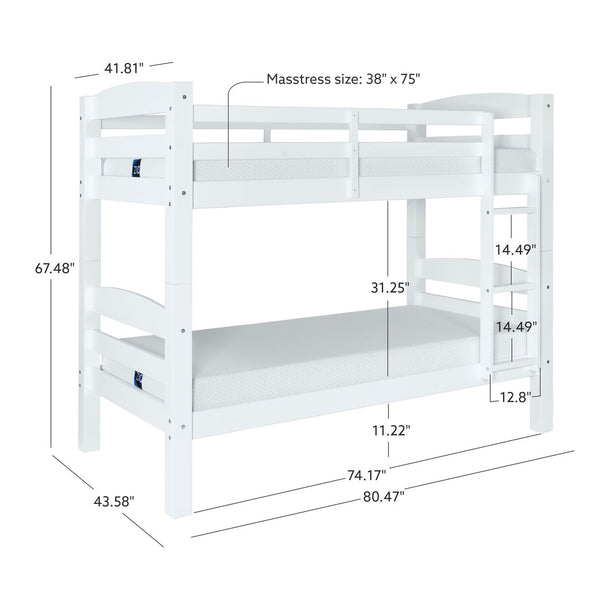
Twin over twin is the most common bunk bed size. Each bed usually measures 39 inches wide by 75 inches long. This size works well for children and small rooms. It fits standard twin mattresses easily. The bunk bed height is often around 65 to 70 inches. This size uses vertical space efficiently.
Twin Over Full
Twin over full bunk beds mix two mattress sizes. The top bed uses a twin mattress, 39 by 75 inches. The bottom bed fits a full mattress, 54 by 75 inches. This option offers more sleeping space below. It suits rooms needing more comfort for one person. The height is similar to twin over twin beds.
Full Over Full
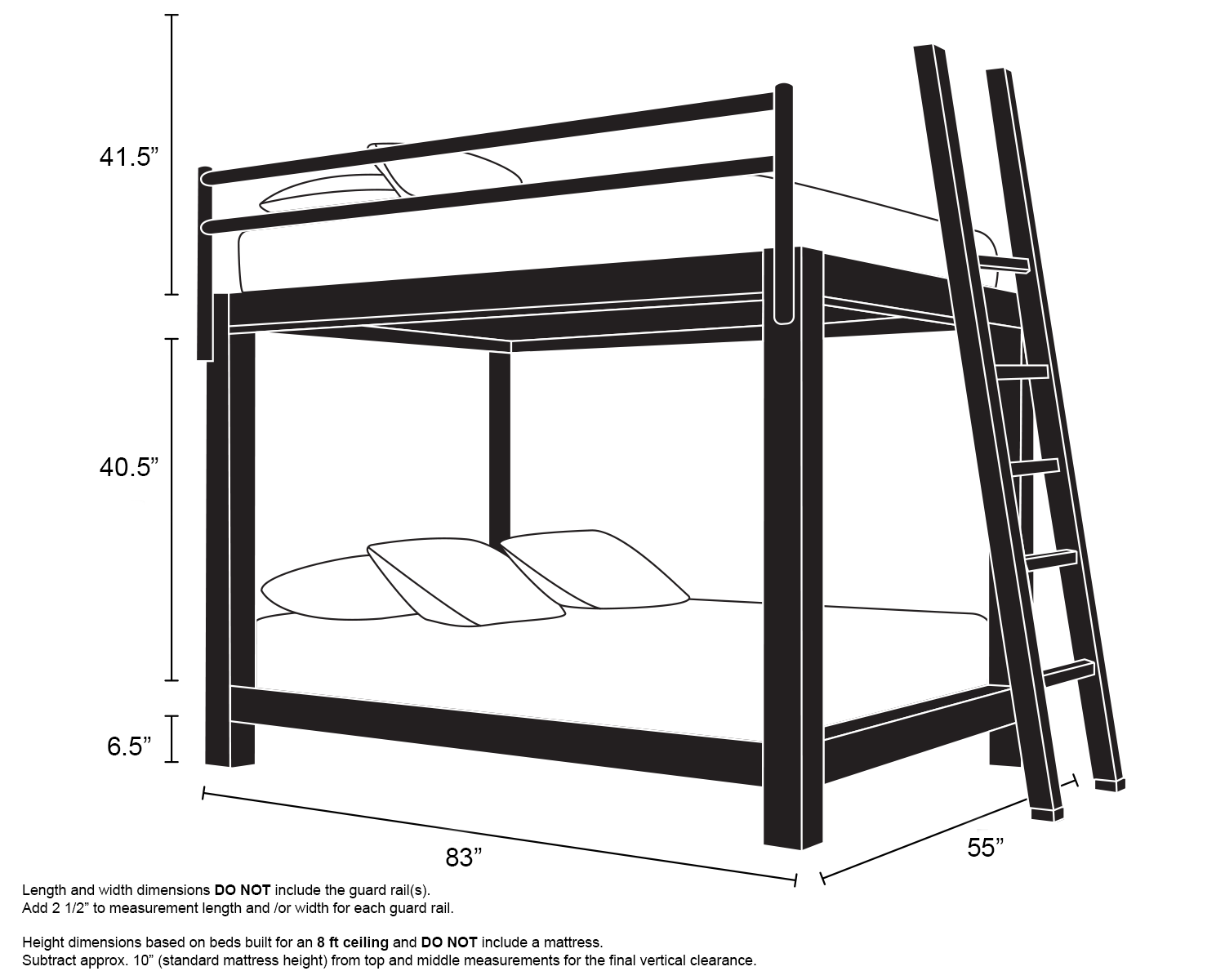
Full over full bunk beds have two full-size beds. Each mattress measures 54 inches wide and 75 inches long. This size is great for older kids or adults. It offers more room to sleep comfortably. The bunk is taller and needs more ceiling space. Full over full beds are perfect for guest rooms or shared spaces.
Height Measurements
Height is a key factor when choosing a bunk bed. It affects safety and comfort. Knowing the height helps plan room space well. This section explains typical height sizes and what to think about for ceiling space.
Average Height Range
Most bunk beds stand between 55 and 65 inches tall. Some models reach up to 70 inches. The height depends on mattress thickness and frame design. Taller beds offer more space underneath. Shorter beds fit rooms with low ceilings better.
Ceiling Clearance Considerations
Leave at least 30 inches of space between the top bunk and ceiling. This gap prevents bumping heads while sitting up. Measure your room height before buying a bunk bed. Rooms with low ceilings may need shorter beds. Proper clearance also helps air flow and light reach the bed.
Width And Length Variations
Bunk beds come in various widths and lengths to fit different spaces and needs. These size differences affect comfort and room layout. Understanding these dimensions helps choose the right bunk bed for your home. Width and length variations depend on mattress size and frame design. Each factor plays a key role in the final bed size.
Impact Of Mattress Size
The mattress size strongly affects bunk bed width and length. Common mattress sizes include twin, twin XL, full, and sometimes even queen. A twin mattress usually measures 38 inches wide and 75 inches long. Twin XL adds about 5 inches in length. Full-size mattresses are wider, around 54 inches, and longer in some cases.
Choosing a larger mattress means a wider and longer bunk bed. Extra mattress length affects top bunk safety rails. Width influences how much space the bunk bed takes in the room. It also affects comfort for the sleeper. Mattress size must fit both the sleeper and the room space.
Frame Design Differences
Bunk bed frames vary in style and size. Some frames add extra width for guardrails or storage drawers. Ladder placement can also add to the overall width. Metal frames might be slimmer than wooden ones. Wood frames often add bulk due to thicker posts and rails.
Frames designed for space-saving tend to be more compact. Others focus on durability and style, which can increase size. Some bunk beds include trundles or desks, making them longer or wider. Frame design impacts the final width and length beyond mattress size. Consider frame style along with mattress size when choosing a bunk bed.
Credit: mattresswarehouse.com
Specialty Bunk Bed Dimensions
Specialty bunk beds come in many styles. Each has unique dimensions. Knowing these sizes helps you pick the right fit for your space. These beds save room and add function. Below are common types and their typical sizes.
Loft Beds
Loft beds raise the sleeping area. This frees space underneath for desks or play areas. Standard loft beds measure about 80 inches long and 42 inches wide. Height can range from 60 to 72 inches. Measure room height carefully to avoid tight spaces.
Triple Bunk Beds
Triple bunk beds stack three beds vertically or in an L shape. They need more height and length than regular bunks. Typical dimensions are 80 inches long, 42 inches wide, and up to 75 inches tall. These beds fit well in tall rooms and large spaces.
Futon Bunk Beds
Futon bunk beds combine a sleeping area with a seating area. The bottom usually transforms into a couch or futon. Sizes vary but often match twin bed dimensions of 75 to 80 inches long and 39 to 42 inches wide. Height ranges from 50 to 65 inches. They suit small rooms needing extra seating.
Choosing The Right Size
Choosing the right size for a bunk bed is important. The bed must fit well in the room and suit the users. Picking the right dimensions makes the bed safe and comfortable. It also helps save space and meet daily needs.
Room Space Evaluation
Measure the room before buying a bunk bed. Check the floor space and ceiling height. Leave room for walking and other furniture. A cramped room feels uncomfortable and unsafe. A good fit keeps the room open and easy to use.
User Age And Size
Think about who will sleep in the bunk bed. Kids need smaller beds, while teens or adults need bigger ones. Taller or larger users need longer and wider beds. Matching the bed size to the user prevents discomfort and accidents.
Purpose And Function
Decide how the bunk bed will be used. Some beds are for sleep only, while others have desks or storage. A bunk bed with added functions needs more space. Choose a size that fits the room and meets these extra needs.

Credit: adultbunkbeds.com
Safety And Space Tips
Safety and space are key when choosing a bunk bed. Proper design keeps children safe and rooms comfortable. Small changes make big differences in daily use.
Guardrails And Ladder Placement
Guardrails prevent falls from the top bunk. They should run along both sides. The height must be enough to stop rolling off.
Ladders need firm attachment to the bed frame. Place them where they are easy to climb. Avoid spots that block room walkways.
Adequate Headroom
Space above each bunk is important. It stops bumping heads when sitting up. Leave at least 33 inches between beds.
Good headroom helps air flow too. It keeps the sleeping area fresh and comfortable.
Spacing Between Beds
Distance between the top and bottom bunk matters. Too little space feels cramped and unsafe. Aim for at least 30 inches of space.
Also, check space around the bed. Enough room makes getting in and out easy and safe. Leave clear paths for movement.
Credit: adultbunkbeds.com
Frequently Asked Questions
What Are Standard Bunk Bed Dimensions?
Standard bunk beds typically measure 80 inches long and 42 to 45 inches wide. Heights vary, usually between 60 and 72 inches, depending on design and safety features.
How Much Space Is Needed For A Bunk Bed?
Allow at least 3 feet of clearance above the top bunk for comfortable sitting. Additionally, leave 2 to 3 feet around the bed for ease of movement.
What Are Twin Over Twin Bunk Bed Sizes?
Twin over twin bunk beds usually have two mattresses measuring 39 by 75 inches each. The overall bed frame width is about 42 to 45 inches.
Are Full Over Full Bunk Beds Bigger?
Yes, full over full bunk beds accommodate larger mattresses, typically 54 by 75 inches each. They require more room, both in width and length.
Conclusion
Knowing bunk bed dimensions helps you pick the right fit. It saves space and keeps the room comfortable. Different styles offer various sizes for every need. Measure your room before buying to avoid problems. Choose a bunk bed that suits both space and use.
This simple step makes your room safe and cozy. Now, you can find the perfect bunk bed easily.