Are you thinking about getting a bunk bed but unsure what size mattress fits perfectly? Choosing the right mattress is key to making your bunk bed safe and comfortable.
Picking the wrong size can lead to restless nights or even safety risks. You’ll discover exactly what mattress sizes work for different bunk beds and how to make the best choice for your space and needs. Keep reading to find the perfect fit for your bunk bed and enjoy better sleep starting tonight!
Credit: eachnight.com
Common Bunk Bed Mattress Sizes
Bunk beds are a popular choice for saving space in bedrooms. Choosing the right mattress size is very important. The mattress must fit the bunk bed frame perfectly. There are a few common mattress sizes used for bunk beds. These sizes ensure safety and comfort for sleepers. Understanding these sizes helps in making the right purchase.
Twin Mattresses
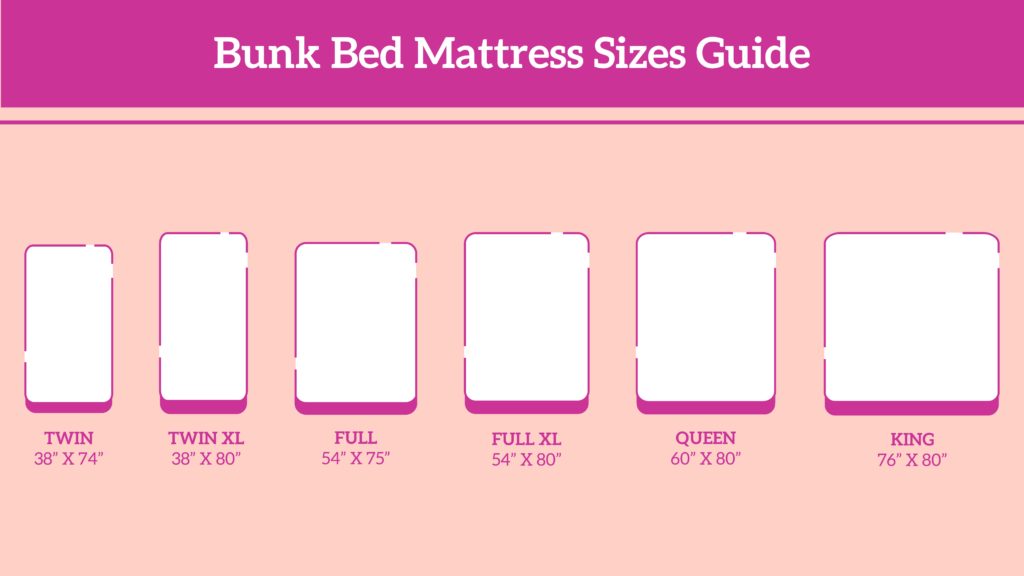
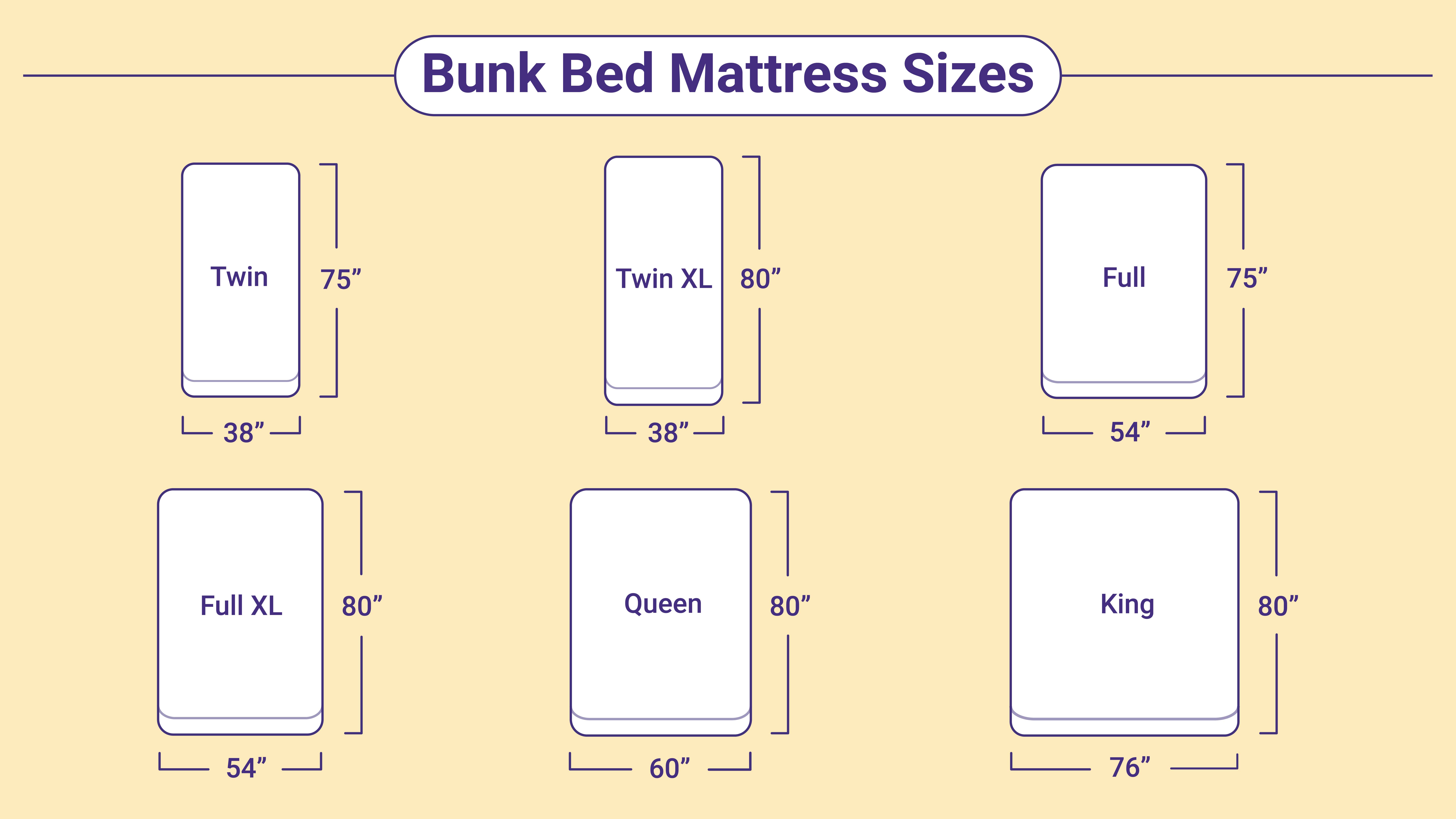
Twin mattresses are the most common size for bunk beds. They measure 38 inches wide and 75 inches long. This size fits most standard bunk bed frames. Twin mattresses work well for children and teenagers. They are easy to find and usually affordable. Twin mattresses provide enough space for a single sleeper.
Twin Xl Mattresses
Twin XL mattresses are slightly longer than twin mattresses. They measure 38 inches wide and 80 inches long. This size suits taller sleepers who need extra legroom. Twin XL mattresses fit many bunk beds designed for adults. They offer more comfort without taking up extra width. Twin XL is a good choice for growing teens.
Full Mattresses
Full mattresses are wider than twin sizes. They measure 54 inches wide and 75 inches long. Full mattresses offer more space for sleepers who want extra comfort. Some bunk beds are designed to hold full mattresses on the bottom bunk. Full size is good for older kids or adults sharing a bunk. This size requires a larger bunk bed frame.
Credit: mattresstodoor.com
Measuring Your Bunk Bed Frame
Measuring your bunk bed frame is important before buying a mattress. A proper fit ensures safety and comfort. Take accurate measurements of your bed frame. This step helps avoid buying the wrong mattress size. Focus on the width, length, height, and depth of the frame. Use a tape measure for precise numbers.
Width And Length
Start by measuring the width of the bunk bed frame. Measure from the inside edge of one side to the other. This tells you the mattress width the frame can hold. Next, measure the length from the head to the foot of the bed. Compare these measurements to mattress sizes. Standard bunk beds usually fit twin mattresses, about 38 inches wide and 75 inches long. Some frames fit twin XL or full-size mattresses. Double-check your frame before buying.
Height And Depth Considerations
Measure the height between the bottom and top bunk. This space determines mattress thickness and comfort. A mattress that is too thick can reduce headroom. Measure the overall height of the bunk bed too. Check if the mattress fits well without touching the bed frame. Depth is important for mattress thickness and support. A proper mattress depth prevents falling off the bed. Keep these measurements in mind for safety and comfort.
Choosing The Right Mattress Thickness
Choosing the right mattress thickness for a bunk bed is important. It affects safety and comfort. A mattress that is too thick can be dangerous. One that is too thin might not provide enough support. Finding the right balance helps ensure a good night’s sleep and keeps the sleeper safe.
Safety Guidelines
Mattress thickness on a bunk bed should not be too tall. It must fit under the guardrails to prevent falls. Most bunk beds recommend mattresses between 6 to 8 inches thick. This height keeps the mattress secure and lowers the risk of accidents. Always check the bunk bed manufacturer’s instructions for the best mattress size.
Comfort And Support
Thinner mattresses may lack proper support, causing discomfort. A mattress around 6 to 8 inches thick usually offers enough cushioning. It supports the body without being too soft or too hard. Good support helps reduce back pain and improves sleep quality. Choose a mattress that balances comfort with the bed’s safety limits.
Credit: www.sleepjunkie.com
Materials Suitable For Bunk Bed Mattresses
Choosing the right mattress material for a bunk bed is important. It affects comfort, safety, and durability. Bunk beds need mattresses that fit well and support the sleeper properly. Some materials work better than others for these beds. Understanding the options helps pick the best one.
Memory Foam
Memory foam molds to the body shape. It provides good support and comfort. This material is lightweight, which suits bunk beds. It also reduces pressure points for a better sleep. Memory foam mattresses are quiet and do not make noise when moving.
Innerspring
Innerspring mattresses use coils for support. They offer firm and bouncy comfort. These mattresses are usually cooler than foam ones. They can be heavier and thicker, so check the bunk bed frame size. Innerspring mattresses often last long and keep shape well.
Hybrid Options
Hybrid mattresses combine foam and innerspring layers. They provide both support and softness. These mattresses balance comfort and durability. Hybrids are good for kids and adults using bunk beds. They offer better airflow and reduce motion transfer.
Tips For A Perfect Mattress Fit
Finding the right mattress size for a bunk bed is key for comfort and safety. A mattress that fits well keeps sleepers cozy and avoids accidents. The right fit also helps the bed last longer. Use these tips to get the perfect mattress size for your bunk bed.
Avoiding Gaps And Overhangs
Gaps between the mattress and bed frame can cause discomfort. Small spaces may trap pillows or toys. They also pose a safety risk for children. Overhanging mattresses can fall off easily. Choose a mattress that matches the bed’s exact size. Measure the bed frame carefully before buying. A snug fit keeps the mattress stable and secure.
Custom Mattress Options
Standard mattress sizes may not fit all bunk beds. Some beds have unique dimensions or thicker frames. Custom mattresses can solve this problem. They are made to fit exact measurements. Custom options allow you to choose mattress thickness too. This ensures comfort without compromising safety. Talk to mattress makers about custom sizes. It is worth the extra effort for a perfect fit.
Maintenance And Care For Bunk Bed Mattresses
Proper maintenance and care extend the life of bunk bed mattresses. They keep the mattress clean and comfortable for years. Bunk beds often have smaller mattresses, which need special attention due to tight spaces and frequent use. Regular care prevents odors, stains, and wear. It also helps maintain good sleep quality for children or guests.
Cleaning Tips
Vacuum the mattress surface weekly to remove dust and dirt. Use a handheld vacuum or a vacuum with an upholstery attachment. Spot clean stains with mild soap and water. Avoid soaking the mattress to prevent mold. Let the mattress air dry completely before use. Use mattress protectors to guard against spills and stains. Wash protectors regularly to keep them fresh and clean.
Rotating And Flipping
Rotate the mattress 180 degrees every three months. This prevents uneven wear and sagging. Flipping the mattress helps maintain its shape and firmness. Some bunk bed mattresses are one-sided; check the label before flipping. Rotate the mattress even if it is one-sided to promote even use. These simple steps keep the mattress comfortable and supportive over time.
Frequently Asked Questions
What Size Mattress Fits A Standard Bunk Bed?
A standard bunk bed typically fits a twin mattress. Twin mattresses measure 38 inches wide by 75 inches long. Always check the bed frame specifications for exact mattress size recommendations to ensure a perfect fit and safety.
Can A Full Mattress Be Used On A Bunk Bed?
Full mattresses are rarely used on bunk beds due to size and safety concerns. Most bunk beds are designed for twin mattresses. Using a full mattress may cause instability and risk falling. Always follow the manufacturer’s size guidelines.
Are Twin Xl Mattresses Suitable For Bunk Beds?
Twin XL mattresses, measuring 38 by 80 inches, can fit some bunk beds. They provide extra length, ideal for taller sleepers. Confirm your bunk bed frame supports twin XL size before purchasing to ensure compatibility and safety.
What Mattress Thickness Is Best For Bunk Beds?
Mattress thickness on bunk beds should be between 6 to 8 inches. Thicker mattresses may cause safety rail issues. Choosing the right thickness ensures comfort and maintains the safety of the upper bunk.
Conclusion
Choosing the right mattress size for a bunk bed matters a lot. Most bunk beds fit twin or twin XL mattresses. Always check the bed frame’s measurements first. A good fit keeps the mattress safe and comfortable. Avoid mattresses that are too thick or too thin.
This helps keep sleepers secure and happy. Knowing mattress size makes buying easier and stress-free. Sleep well, feel good, and enjoy your bunk bed every night. Simple choices make a big difference.