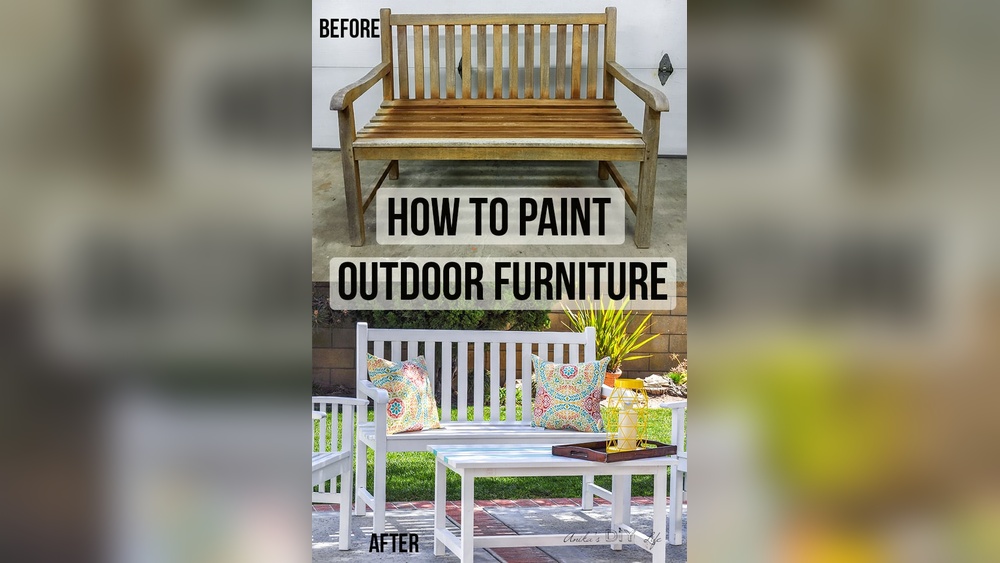
Have you ever noticed unsightly bubbles forming on the paint of your outdoor furniture? It’s frustrating to see your carefully painted chairs or tables start to peel and blister.
You might wonder why this happens and how to stop it from ruining your favorite pieces. Understanding what causes paint to bubble on your outdoor furniture is the first step to keeping it looking fresh and beautiful for years. Keep reading, and you’ll discover the simple reasons behind this common problem—and how you can fix it before it gets worse.
Credit: www.gardeningetc.com
Common Causes Of Paint Bubbling
Paint bubbling on outdoor furniture is a common problem. It spoils the look and damages the wood or metal underneath. Understanding why paint bubbles helps prevent it. Several factors cause paint to bubble and peel away from surfaces.
Moisture Trapped Under Paint
Moisture is a main reason for bubbling paint. Water can stay inside the wood or metal before painting. When the surface dries, the trapped moisture turns to steam. This steam pushes the paint up, causing bubbles. Painting on wet surfaces leads to poor results.
Poor Surface Preparation
Not cleaning or sanding the furniture properly causes paint to bubble. Dirt, dust, and old paint stop new paint from sticking well. Paint sticks best to smooth, clean surfaces. Skipping this step often leads to bubbling and peeling later.
Incompatible Paint Types
Using the wrong paint causes bubbling. Some paints do not stick well to certain materials. Mixing oil-based and water-based paints also causes problems. Paint layers need to match for strong adhesion and a smooth finish.
Exposure To Extreme Temperatures
Heat and cold affect painted surfaces. High heat makes paint expand and form bubbles. Cold weather can cause paint to crack and bubble as it contracts. Painting during very hot or cold days increases the risk of bubbling.
Applying Paint Too Thickly
Thick layers of paint trap air and moisture underneath. The paint dries unevenly, causing bubbles to form. Thin, even coats allow paint to dry properly. Applying too much paint at once leads to bubbling and peeling.
Effects Of Environmental Factors
Outdoor furniture faces many challenges from the environment. Paint bubbling is a common issue caused by several outdoor factors. These factors weaken the paint’s bond with the furniture surface. Understanding these causes helps protect your furniture better.
Humidity And Dew
High humidity traps moisture under the paint. This moisture expands as it heats, causing bubbles. Dew forms on furniture overnight, adding water under the paint. Over time, trapped moisture lifts the paint away from the surface.
Sunlight And Uv Exposure
Sunlight heats the furniture, causing paint to expand and contract. UV rays break down paint chemicals, making paint brittle. Cracks form, allowing moisture to enter and create bubbles. Constant sun weakens the paint’s protective layer quickly.
Rain And Water Damage
Rainwater seeps into small cracks in the paint. Water trapped under paint creates pressure that forms bubbles. Repeated wetting and drying cycles worsen this damage. Poor drainage or standing water speeds up paint bubbling.
Impact Of Furniture Material
The type of material used in outdoor furniture greatly affects how paint behaves on its surface. Different materials react differently to weather, moisture, and heat. These reactions can cause paint to bubble, peel, or crack over time. Understanding the material helps in choosing the right paint and preparation method.
Wood Characteristics
Wood expands and contracts with changes in humidity and temperature. This movement can push the paint layer, causing bubbles. Wood also absorbs moisture, which may get trapped under the paint. If the wood is not properly sealed, paint bubbles appear faster. Rough or untreated wood surfaces also reduce paint adhesion.
Metal Surfaces
Metal furniture faces rust and corrosion risks. Moisture trapped between metal and paint causes bubbling. Heat can make metal expand, stressing the paint layer. Poor surface cleaning before painting leads to weak paint bonds. Metal needs special primers to avoid bubbling and peeling.
Plastic And Synthetic Materials
Plastic and synthetic materials are less porous than wood. Paint may not stick well, leading to bubbles and cracks. These materials can warp under heat, pushing paint off. Oils and chemicals in plastic can prevent paint from bonding. Proper surface treatment is vital for durable paint on plastic furniture.
Credit: www.homedepot.com
Preventing Paint Bubbles
Preventing paint bubbles on outdoor furniture keeps it looking fresh and lasts longer. Bubbles form when paint does not stick well or dries unevenly. Taking the right steps before and during painting helps avoid this problem. Small efforts make a big difference in a smooth finish.
Proper Surface Cleaning
Clean the furniture surface thoroughly before painting. Dirt, dust, and grease stop paint from sticking well. Use soap and water, then rinse and dry completely. Sand rough spots lightly to create a smooth base. A clean surface helps paint spread evenly and hold better.
Choosing The Right Paint
Select paint made for outdoor use and the furniture material. Outdoor paints resist weather and moisture, preventing bubbles. Avoid indoor paints, which can peel or bubble outside. Check the label for water resistance and durability. Right paint keeps the furniture protected and looks great.
Ideal Painting Conditions
Paint outdoors on dry days with mild temperatures. Avoid painting in direct sunlight or high humidity. Sun heats the paint too fast, causing bubbles. Humidity traps moisture under the paint layer. Early morning or late afternoon often works best for smooth drying.
Using Primers And Sealers
Apply primer before painting to create a strong base. Primers improve paint adhesion and block moisture. Use a sealer after painting to protect the finish. Sealers keep water and air from causing bubbles. These layers extend the life of your outdoor furniture paint.
Fixing Bubbling Paint On Outdoor Furniture
Fixing bubbling paint on outdoor furniture helps restore its beauty and protect the surface. Bubbling happens when moisture or heat gets trapped under the paint. This causes the paint to lift and form bubbles. Repairing these bubbles stops further damage and keeps your furniture looking fresh.
Removing Affected Paint
Start by scraping off the bubbling paint using a putty knife or paint scraper. Remove all loose and peeling paint. Clean the area well to get rid of dust and debris. This step ensures the new paint sticks properly.
Sanding And Smoothing
Use sandpaper to smooth the surface after scraping. Sand around the edges of the bare spots to blend with the old paint. A smooth surface helps the paint layer stay even and strong. Wipe away dust with a damp cloth before painting.
Repainting Tips
Choose paint designed for outdoor use and wood or metal, depending on your furniture. Apply a primer first to seal the surface. Paint in thin, even coats to avoid drips and bubbles. Let each coat dry fully before adding the next. This method creates a clean, durable finish.
Credit: www.homedepot.com
Frequently Asked Questions
Why Does Paint Bubble On Outdoor Furniture?
Paint bubbles on outdoor furniture due to moisture trapped under the paint. Heat causes the moisture to expand, forming bubbles. Poor surface preparation or applying paint on a damp surface also leads to bubbling. Using incompatible paint types can worsen this issue.
How Does Humidity Affect Paint On Outdoor Furniture?
High humidity increases moisture on furniture surfaces. This moisture gets trapped under the paint layer, causing bubbles as it evaporates. Painting in humid conditions often results in poor adhesion and bubbling. Always paint in dry, low-humidity weather for best results.
Can Sunlight Cause Paint To Bubble On Furniture?
Yes, direct sunlight heats the furniture surface. This heat causes moisture beneath the paint to expand, creating bubbles. UV rays can also degrade paint quality, leading to bubbling and peeling over time. Use UV-resistant paints and shade furniture when possible.
How To Prevent Paint Bubbling On Outdoor Furniture?
Ensure the furniture is dry and clean before painting. Use suitable outdoor paint and apply thin, even coats. Avoid painting in high humidity or direct sunlight. Proper surface preparation and curing time also prevent bubbling.
Conclusion
Paint bubbling on outdoor furniture often comes from moisture or heat. Moisture gets trapped under the paint and causes bubbles. Heat can also make the paint expand and lift. Poor surface cleaning before painting makes bubbles more likely. Using the wrong type of paint for outdoor use can cause problems too.
Fixing these issues helps paint last longer and look better. Keep furniture dry, clean, and use proper paint to avoid bubbles. Simple care goes a long way in protecting your outdoor pieces.