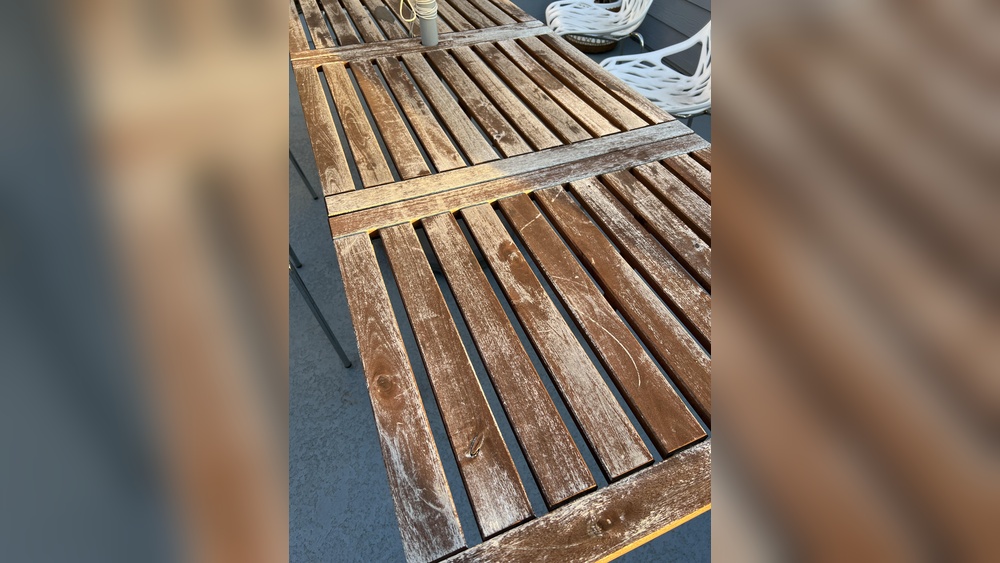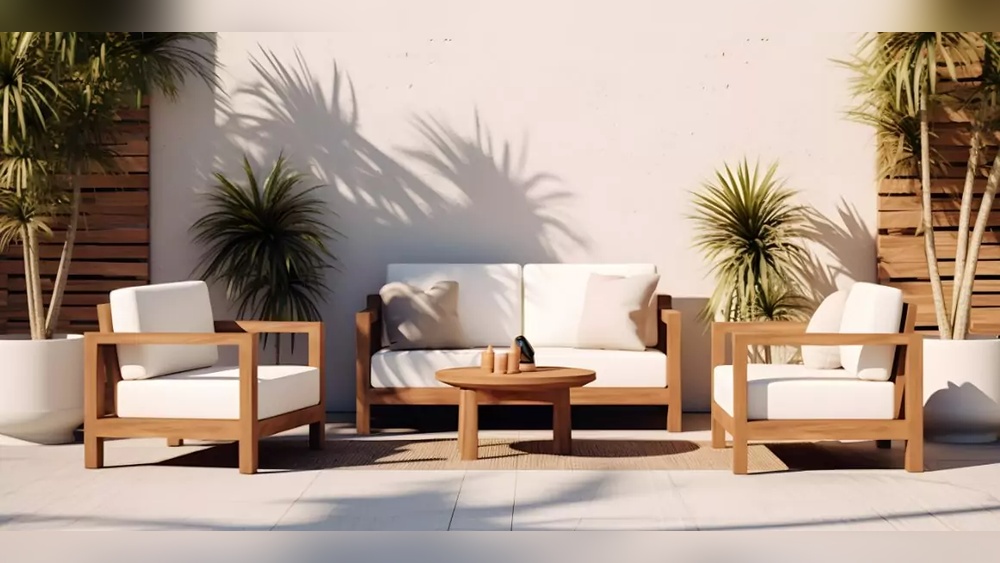
Choosing the right paint for your outdoor furniture can feel tricky. You want your chairs, tables, or benches to look great and stay protected through sun, rain, and changing seasons.
But with so many paint options out there, how do you know which one will work best for your pieces? If you want your outdoor furniture to last longer and maintain its beauty, this guide is made just for you.
Keep reading to discover the best types of paint that will keep your outdoor space looking fresh and inviting year after year.
Types Of Outdoor Paints
Choosing the right paint for outdoor furniture protects it from sun, rain, and wear. Different paints offer various benefits and finishes. Understanding the types helps pick the best option for your project. Here are the main types of outdoor paints commonly used.
Latex Paint
Latex paint is water-based and easy to clean. It dries quickly and resists cracking and fading. This paint works well on wood and metal furniture. It offers good flexibility, which helps with temperature changes. Latex paint is a popular choice for outdoor use.
Oil-based Paint
Oil-based paint creates a hard, durable surface. It sticks well to many materials, including metal and wood. This paint takes longer to dry but provides excellent protection. It resists moisture and wear better than some other paints. Oil-based paint needs strong thinner for cleanup.
Chalk Paint
Chalk paint gives furniture a matte, vintage look. It adheres well without much prep work. This paint is easy to distress for a shabby-chic style. Chalk paint usually requires a protective wax or sealer outside. It is great for decorative outdoor pieces.
Acrylic Paint
Acrylic paint is water-based like latex but more flexible. It resists fading from sunlight and handles moisture well. Acrylic paint is good for detailed or artistic outdoor furniture. It dries fast and cleans up easily with water. This paint type works on many surfaces.
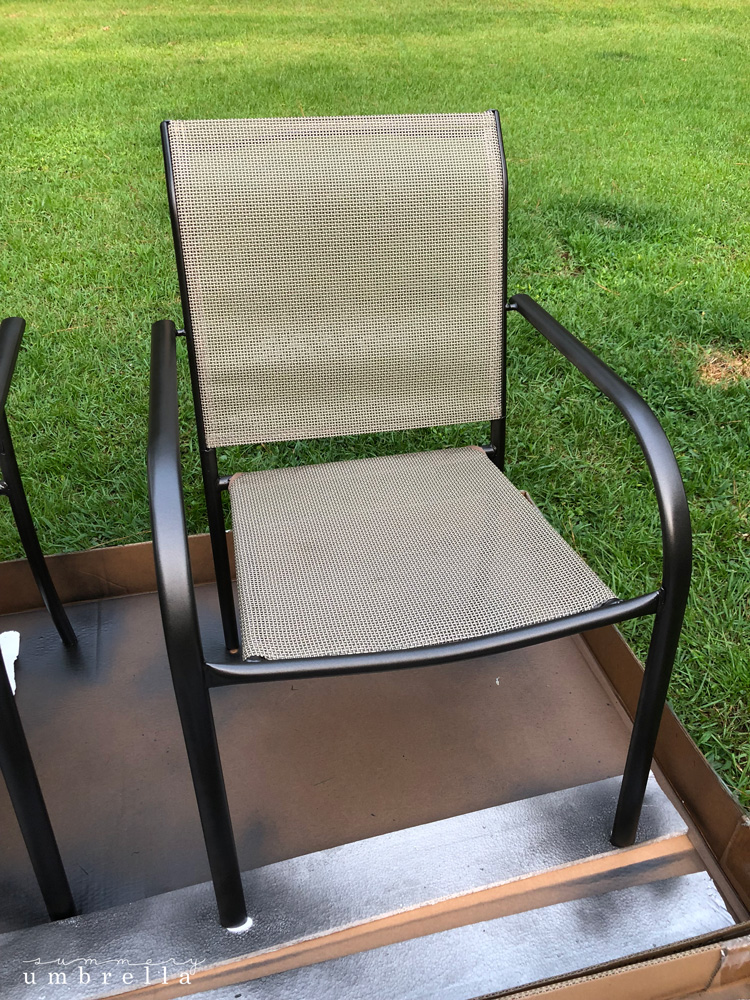
Credit: thesummeryumbrella.com
Factors To Consider
Choosing the right paint for outdoor furniture means thinking about several important factors. These factors ensure your furniture stays beautiful and lasts long. Each factor affects how well the paint performs in outdoor conditions.
Weather Resistance
Outdoor furniture faces rain, snow, and humidity. Paint must resist water and moisture to prevent peeling. Good weather resistance stops damage from changing seasons. It keeps the wood or metal safe and dry.
Durability
Furniture gets used a lot. Paint should resist scratches and chips. Durable paint stays strong despite daily wear. This saves time and money on repairs and repainting.
Drying Time
Fast drying paint helps finish projects quicker. It reduces dust and dirt sticking to wet paint. Short drying time means you can use furniture sooner. This is useful in busy or rainy areas.
Uv Protection
Sunlight can fade and damage paint. Paint with UV protection blocks harmful rays. This keeps colors bright and fresh for longer. UV protection also prevents cracking and peeling caused by sun exposure.
Surface Preparation Tips
Preparing outdoor furniture before painting is very important. Proper surface preparation helps the paint stick better. It also makes the finish last longer. Skipping this step can cause peeling and chipping. Follow these simple tips to prepare your furniture correctly.
Cleaning The Furniture
Start by removing dirt and dust from the surface. Use warm water and mild soap to wash the furniture. Scrub gently with a soft brush or cloth. Rinse well with clean water. Let the furniture dry completely before painting. Clean surfaces allow the paint to bond better.
Sanding Techniques
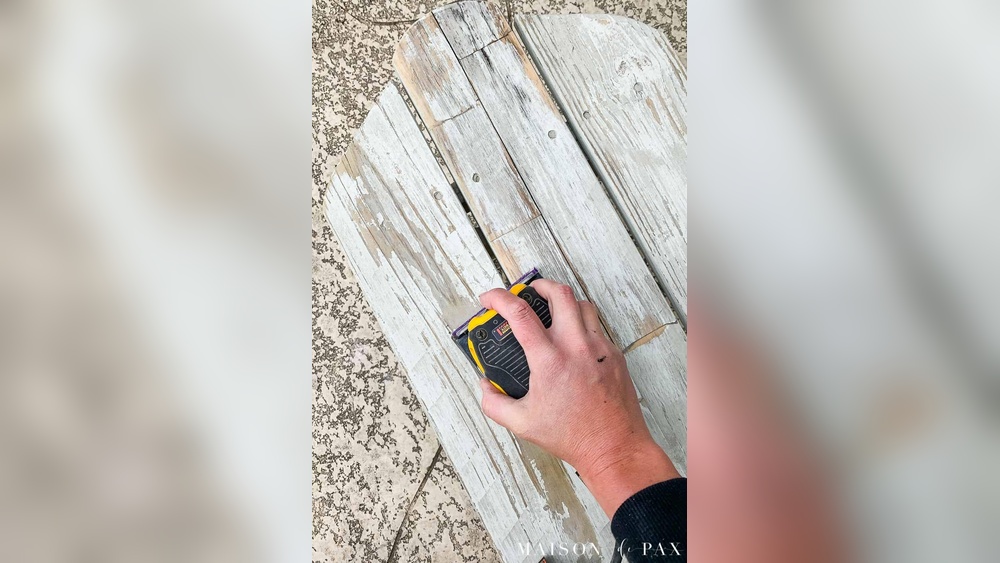
Sanding creates a smooth and even surface. Use medium-grit sandpaper to remove old paint and rough spots. Sand in the direction of the wood grain or material texture. Wipe off dust with a damp cloth after sanding. This step improves paint adhesion and finish quality.
Priming Options
Primer helps paint stick and protects the furniture. Choose a primer made for outdoor use. Apply a thin, even coat using a brush or spray. Let the primer dry fully before applying paint. Priming can prevent moisture damage and extend paint life.
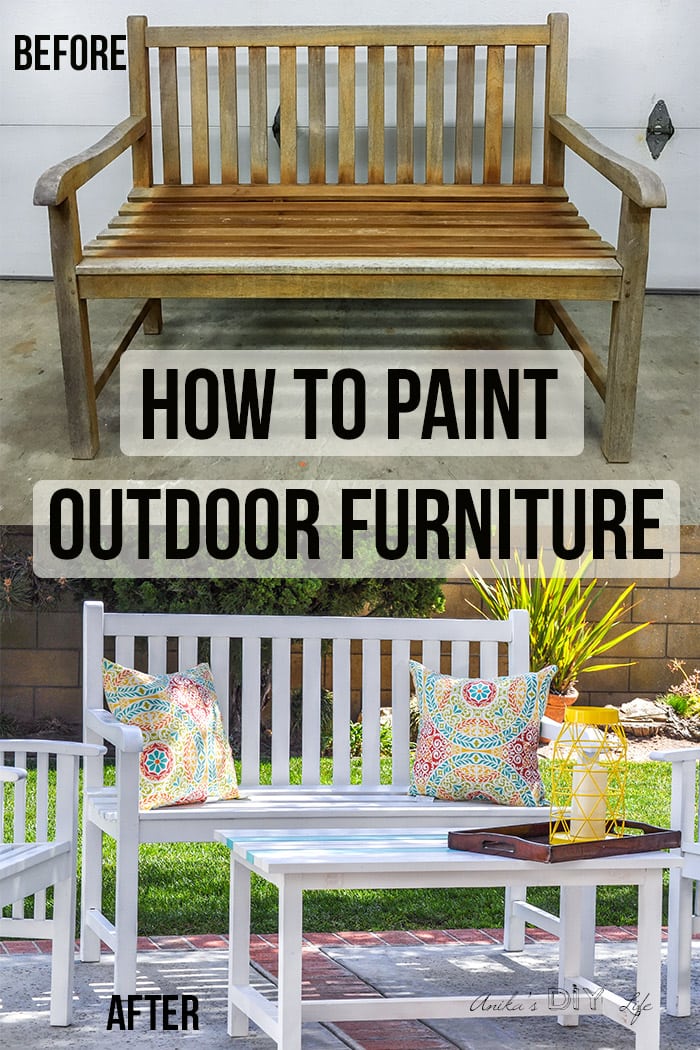
Credit: www.anikasdiylife.com
Painting Techniques For Outdoor Furniture
Painting outdoor furniture needs the right techniques for long-lasting results. Good methods protect the surface and keep colors bright. Using proper tools and steps helps paint stick well. It also stops peeling and fading from sun and rain. Follow these simple tips to paint furniture like a pro.
Brush Vs. Spray
Brushes give control for detailed areas. They work best on small or curved parts. Brushes also help spread thick paint evenly. Sprayers cover large surfaces fast and smoothly. They create a thin, even layer without brush marks. Sprayers need practice to avoid drips. Choose brush for precision. Pick spray for speed.
Applying Multiple Coats
One coat rarely lasts outside. Thin layers dry faster and stick better. Let each coat dry fully before next. Two or three coats give strong coverage. Sand lightly between coats for smooth finish. This step removes bumps and dust. Multiple coats protect wood or metal well. Paint stays fresh and resists weather.
Sealing And Finishing
Seal paint with a clear finish to protect it. Use a waterproof sealer or outdoor varnish. Sealing stops water from soaking into paint. It also guards against fading from sunlight. Apply sealers with a brush or spray. Let sealant dry completely before use. Finishing keeps furniture looking new longer. It adds shine and durability outdoors.
Common Mistakes To Avoid
Choosing the right paint is only part of the process. Many people make simple errors that hurt their outdoor furniture’s look and durability. Avoiding these mistakes saves time and keeps your furniture looking great for longer.
Skipping Primer
Primer helps paint stick better to the surface. It also protects the furniture from moisture and rust. Without primer, paint may peel or chip quickly. Always apply a coat of primer before painting.
Painting In Humid Conditions
High humidity slows paint drying. Paint may stay sticky or develop bubbles. This weakens the finish and causes damage over time. Choose dry, low-humidity days for painting outdoors. Check the weather forecast before starting.
Using Indoor Paint Outdoors
Indoor paint is not made for harsh outdoor weather. It lacks resistance to rain, sun, and temperature changes. Using indoor paint outside leads to fast fading and cracking. Always select paint made specifically for outdoor use.
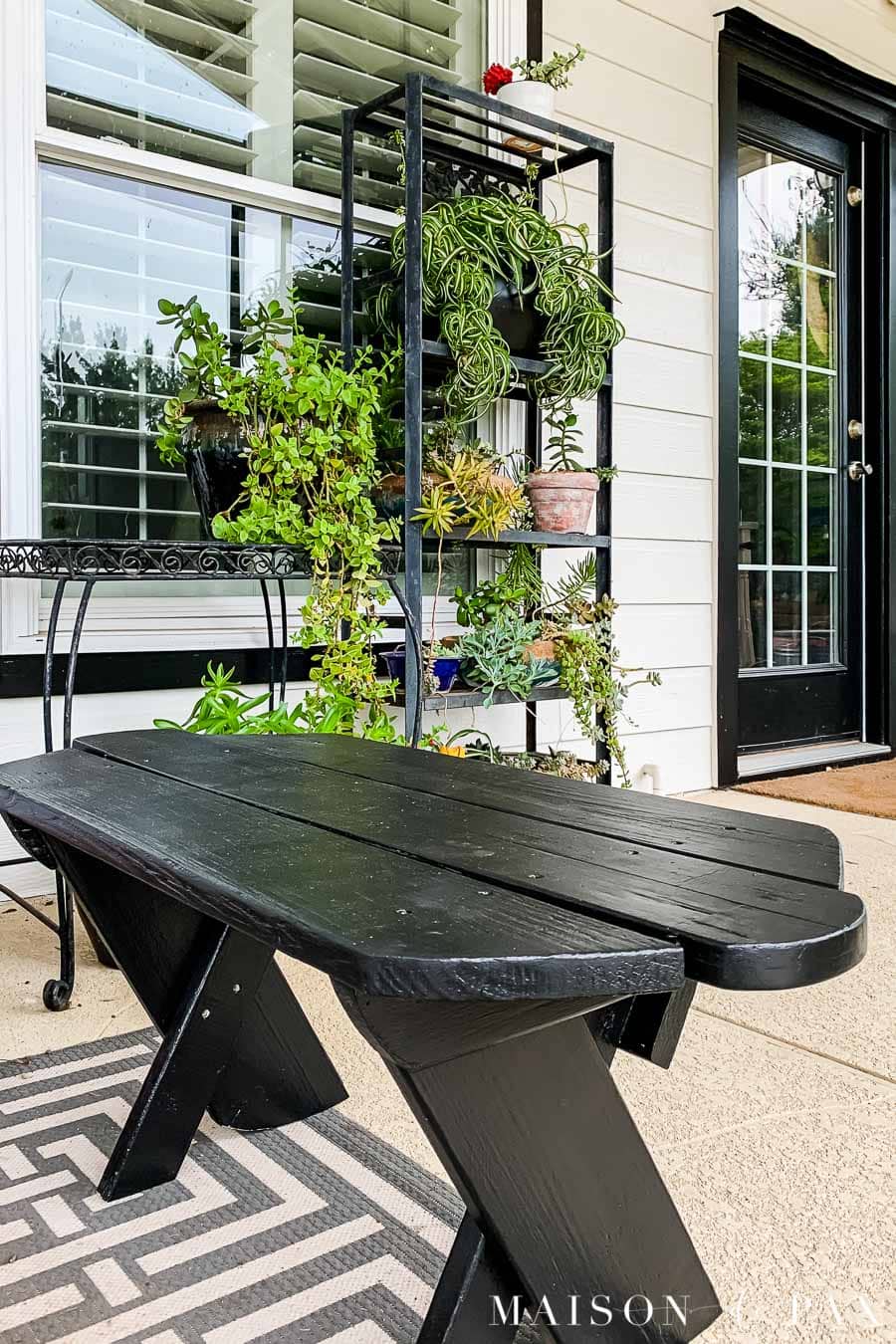
Credit: www.maisondepax.com
Maintenance Tips For Painted Furniture
Maintaining painted outdoor furniture keeps it looking fresh and new. Proper care helps protect the paint from weather damage. Simple steps can extend the life of your furniture.
Cleaning Painted Surfaces
Use a soft cloth or sponge with mild soap and water. Avoid harsh chemicals or abrasive scrubbers. Rinse well with clean water to remove soap. Dry the surface with a soft towel to prevent water spots.
Touching Up Chips And Scratches
Keep some paint for quick repairs. Clean the area before applying paint. Use a small brush to fill chips or scratches. Allow the paint to dry completely before using the furniture again.
Seasonal Care
Cover furniture or move it indoors during harsh weather. Store cushions separately to avoid moisture damage. Check for cracks or peeling paint before the season starts. Repaint or seal as needed to protect the wood or metal.
Eco-friendly Paint Options
Choosing paint for outdoor furniture affects both the environment and your health. Eco-friendly paint options reduce harmful chemicals and pollution. These paints protect your furniture and keep the air cleaner around you. They offer a safe choice for your home and nature.
Low-voc Paints
Low-VOC paints contain fewer volatile organic compounds. VOCs release fumes that can harm people and the environment. Using low-VOC paints lowers these dangerous emissions. They come in many colors and finishes for outdoor use. These paints dry quickly and resist weather damage. Low-VOC options keep your outdoor space safe and fresh.
Natural Paint Alternatives
Natural paints use ingredients from plants, minerals, and earth. They avoid synthetic chemicals and toxins. Common natural paints include clay, milk, and lime paints. These paints breathe well, preventing wood from rotting. They are biodegradable and safe for wildlife. Natural paints give a unique, rustic look to furniture. They are a healthy, eco-conscious choice for outdoor pieces.
Frequently Asked Questions
What Type Of Paint Is Best For Outdoor Furniture?
Acrylic latex paint is best for outdoor furniture. It resists weather, dries quickly, and adheres well to wood and metal surfaces. It provides long-lasting protection and vibrant color while being easy to clean and maintain.
Can I Use Spray Paint On Outdoor Furniture?
Yes, spray paint works well on outdoor furniture. It offers even coverage and dries fast. Choose spray paint designed for outdoor use with weather-resistant properties to ensure durability and prevent peeling or fading.
How Do I Prepare Outdoor Furniture For Painting?
Clean the furniture thoroughly to remove dirt and old paint. Sand the surface to smooth rough spots and improve paint adhesion. Apply a primer to enhance durability and protect the material before painting.
Should I Use Primer Before Painting Outdoor Furniture?
Yes, using a primer is essential. Primer seals the surface, improves paint adhesion, and increases durability. It also prevents peeling and rust on metal furniture, ensuring your paint job lasts longer in outdoor conditions.
Conclusion
Choosing the right paint protects your outdoor furniture well. Use paints made for outdoor use and weather resistance. Clean and dry surfaces help the paint last longer. Applying a primer can improve paint adhesion and coverage. Remember to follow safety tips while painting.
A good paint job keeps furniture looking fresh and new. Enjoy your outdoor space with furniture that stays bright and strong.