
Choosing the right colour for your bedroom furniture can completely change the feel of your space. You want a shade that makes you feel calm, cozy, and happy every time you step into the room.
But with so many options out there, how do you pick the perfect colour that matches your style and mood? You’ll discover simple tips and ideas to help you decide. By the end, you’ll know exactly what colour will bring your bedroom to life and make it truly yours.
Keep reading to find the perfect match for your furniture and transform your bedroom into a relaxing haven.
Credit: thesummeryumbrella.com
Choosing The Right Colour
Choosing the right colour for your bedroom furniture is important. It sets the mood and style of the room. The right colour can make the space feel calm or lively. It also helps the furniture fit well with other elements in the room. Think about your personal taste and how you want the room to feel.
Consider Your Room’s Style
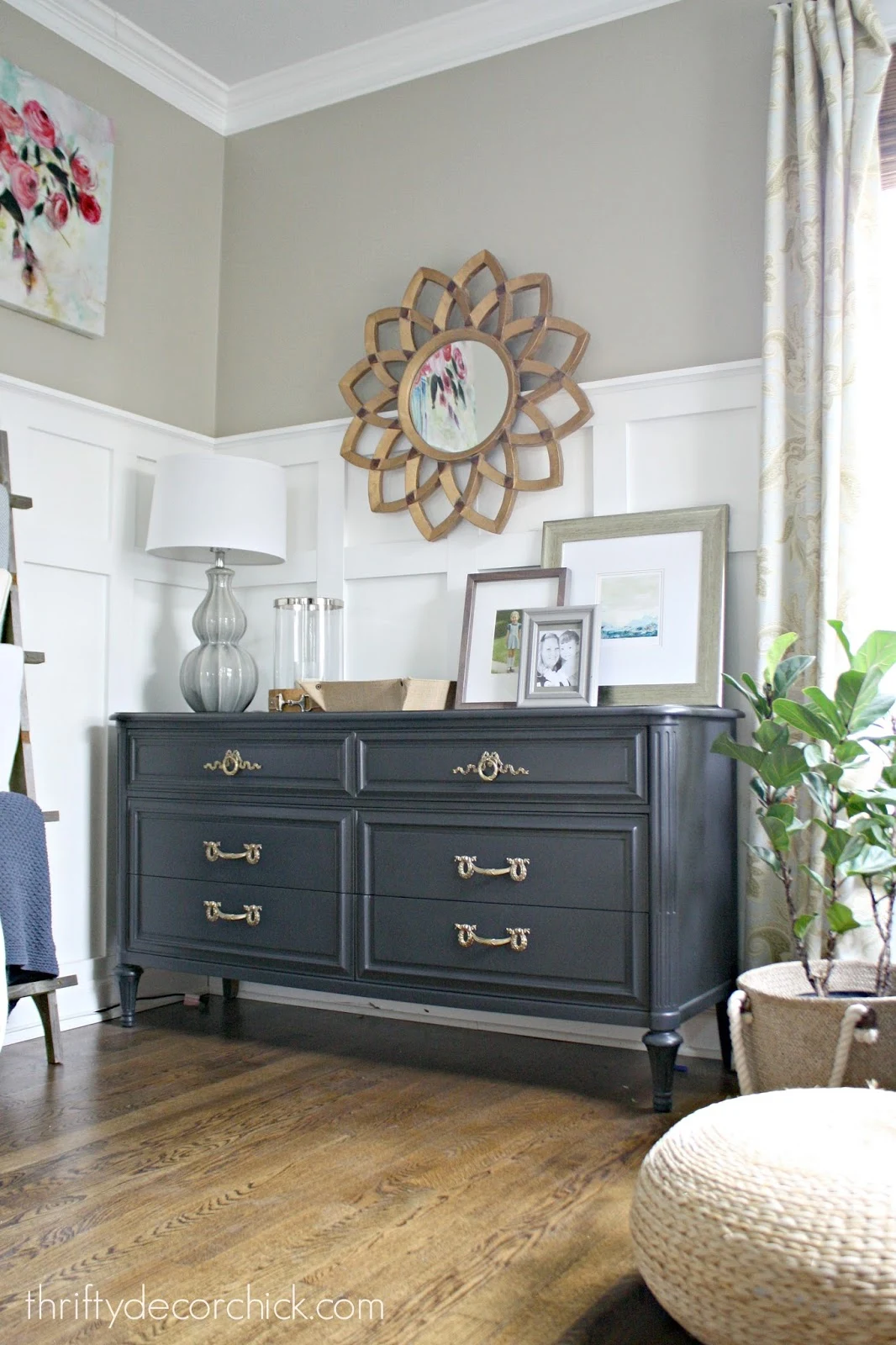
Start by thinking about your bedroom style. Is it modern, classic, or rustic? Each style suits different colours. For a modern look, try neutral shades like white or grey. Classic rooms look great with rich colours like deep blue or green. Rustic rooms go well with earthy tones like brown or beige. Choose a colour that matches your room’s personality.
Match With Wall Colours
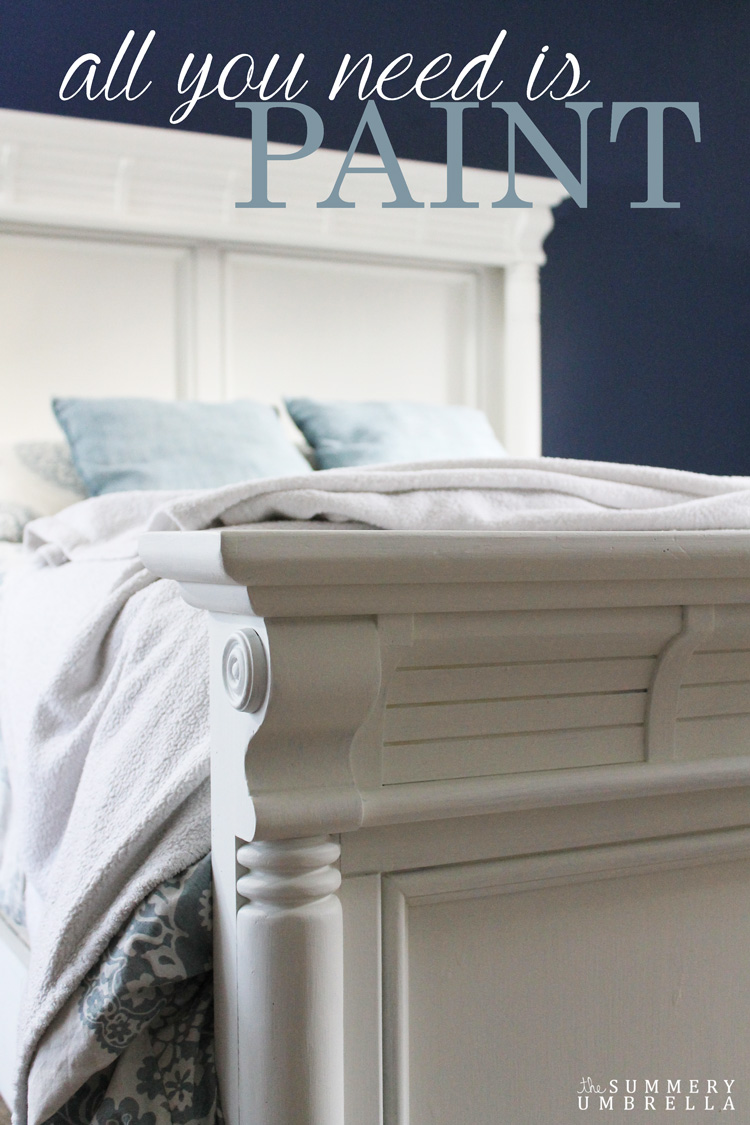
Look at your wall colours before picking furniture paint. The furniture colour should complement the walls. Light walls pair well with darker furniture for contrast. Dark walls need lighter furniture to brighten the space. You can also use similar shades for a soft, blended look. Keep balance in mind to avoid clashing colours.
Think About Lighting
Lighting changes how colours appear in a room. Natural light makes colours look brighter and truer. Artificial light can add warm or cool tones. Test paint samples under different light sources. Check how the colour looks in the morning and evening. Choose a colour that looks good all day long.
Popular Colour Options
Choosing the right colour for bedroom furniture can change the entire room’s mood. Popular colour options offer many choices. Each style creates a unique feel. Some colours bring calmness, while others add energy. Below are popular colour groups to consider.
Neutral Shades
Neutral colours like white, beige, and grey are timeless. They match almost any wall colour or decor style. These shades make the room feel calm and spacious. Neutral furniture can easily adapt to new colours or patterns later.
They also bring a clean and simple look. Perfect for those who want a peaceful bedroom. These colours work well in small or large rooms.
Bold And Vibrant Colours
Bright colours such as red, blue, or emerald green add energy. They make furniture stand out and become a room’s focus. These colours suit people who love lively and exciting spaces.
Bold colours can make the bedroom feel modern and unique. Use them on a single piece or mix with neutral shades for balance.
Pastel Tones
Pastel colours like soft pink, light blue, and mint green create a gentle atmosphere. They add a touch of colour without overwhelming the room. These tones make bedrooms feel cozy and inviting.
Pastels are perfect for a light, airy style. They pair well with white or natural wood furniture for a fresh look.
Creating Mood With Colour
Colour plays a big role in setting the mood of your bedroom. The right paint on furniture can change how you feel in the space. Choose colours that match the mood you want to create. Soft shades can help you relax. Bright tones can make you feel more awake and active. Mixing warm and cool tones can bring balance and calm.
Calming Colours For Relaxation
Soft blues and gentle greens help soothe the mind. These colours reduce stress and calm your thoughts. Light greys and pastels also create a peaceful vibe. Painting furniture in these shades makes your bedroom feel like a quiet retreat. Perfect for rest and sleep.
Energizing Hues For Activity
Bright colours like yellow and orange bring energy to a room. They make the space feel lively and cheerful. Red adds passion and warmth but use it in small amounts. Painting a dresser or a chair in these hues can boost your mood. Great for those who need a lively bedroom environment.
Balancing Warm And Cool Tones
Mixing warm colours with cool ones creates harmony. For example, pairing soft blue with warm beige balances calm and comfort. This mix makes the room inviting and cozy. Use this balance on larger furniture pieces to keep the space feeling fresh. It helps avoid the room feeling too cold or too hot.

Credit: www.thecreativityexchange.com
Mixing And Matching Furniture Colours
Mixing and matching furniture colours in your bedroom can create a fresh, unique look. It allows you to express your style while keeping the room balanced. Choosing the right colours helps tie the room together and makes it feel cozy. Planning how colours work together is key to a beautiful space.
Coordinating Different Pieces
Start by picking a main colour for larger pieces. Use this colour on your bed or dresser. Then, choose softer shades for smaller furniture. This keeps the room from feeling too busy. Use similar tones or shades that blend well. This creates a smooth, calm look in the room.
Using Accent Colours
Add one or two bright colours as accents. Use these on chairs, nightstands, or shelves. Accent colours make the room lively and interesting. Choose colours that match your main colour but stand out. This adds personality without overwhelming the space.
Avoiding Colour Clashes
Avoid colours that fight for attention. Bright red and bright green can clash and hurt the eyes. Use a colour wheel to find colours that work well together. Stay away from too many bold colours in one space. Balance strong colours with soft, neutral ones for harmony.
Painting Techniques And Finishes
Choosing the right painting technique and finish can change the look of your bedroom furniture completely. Different finishes create different moods and styles. The painting style can also highlight the furniture’s shape and design. This section helps you understand popular painting techniques and finishes. It guides you to pick the best one for your room.
Matte Vs Glossy Finishes
Matte finishes have no shine. They hide imperfections well and give a soft look. Matte paint feels smooth and calm. It fits well in cozy and relaxed bedrooms.
Glossy finishes shine bright and reflect light. They make furniture look clean and new. Glossy paint is easy to wipe and clean. It works great for modern and bold rooms.
Distressed And Vintage Looks
Distressed painting makes furniture look old and used. It adds character and charm. You can sand edges or use special tools to create this effect.
Vintage finishes give a timeless and classic feel. They often use soft colors with worn spots. This look fits well with rustic or country-style bedrooms.
Using Patterns And Stencils
Patterns and stencils add personality to plain furniture. You can create shapes, lines, or floral designs easily. This method lets you customize your pieces.
Stencils help keep designs neat and repeatable. Patterns can brighten a room or add subtle detail. Choose colors that match your bedroom theme for best results.
Practical Tips For Painting
Painting bedroom furniture can change the whole look of your space. It makes old pieces feel fresh and new. Knowing how to paint well helps you get a smooth, lasting finish. The right steps prevent problems like peeling or uneven color. Follow these practical tips to paint your furniture with confidence.
Preparing Furniture Surfaces
Start by cleaning the furniture well. Remove all dust, dirt, and grease. Use mild soap and water, then dry completely. Sand the surface lightly to help paint stick better. Fill any holes or cracks with wood filler. Let the filler dry and sand smooth. Remove sanding dust with a clean cloth before painting.
Choosing The Right Paint Type
Select paint made for furniture or wood. Acrylic latex paint is easy to use and cleans with water. It dries fast and lasts long. Chalk paint gives a matte, vintage look without much prep. Oil-based paint offers a tough finish but needs longer drying time. Use a primer first for better coverage and durability.
Maintenance And Touch-ups
Keep painted furniture clean with a soft, damp cloth. Avoid harsh chemicals that can damage paint. Fix chips or scratches quickly to prevent peeling. Lightly sand the damaged area before repainting. Store furniture away from direct sunlight and moisture. Regular care helps your paint job stay fresh and bright longer.
Credit: www.thriftydecorchick.com
Frequently Asked Questions
What Colour Suits Bedroom Furniture Best?
Neutral shades like white, beige, and gray suit most bedroom furniture. They create a calming and versatile backdrop. These colors also blend well with different styles and accessories, making your room timeless and inviting.
How To Choose Furniture Paint Colour For Small Bedrooms?
Light colours such as pastels or whites make small bedrooms appear larger. They reflect natural light and create an airy atmosphere. Avoid dark colours that can make the space feel cramped and heavy.
Can I Match Bedroom Furniture With Wall Colour?
Yes, matching furniture with wall colour creates harmony and balance. Use complementary or analogous shades for a cohesive look. Alternatively, contrast furniture colour with walls to add interest and depth.
What Paint Finish Is Best For Bedroom Furniture?
Satin or semi-gloss finishes are ideal for bedroom furniture. They offer durability and are easy to clean. These finishes also provide a subtle sheen that enhances the furniture’s appearance without being too shiny.
Conclusion
Choosing the right colour for bedroom furniture sets the room’s mood. Soft, light shades create calm and peace. Darker colours add warmth and depth. Think about your style and how you feel in the space. Match colours with your walls and bedding for balance.
Small changes can make a big difference. Take your time to pick what feels best. Your bedroom should be a place you enjoy every day. Simple choices bring comfort and beauty.


