Are you ready to enjoy rich, clear sound with bookshelf speakers but not sure where to start? Setting up your bookshelf speakers the right way can make all the difference in your listening experience.
Whether you want to boost your home theater, enhance your music, or create the perfect audio setup, knowing what you need is key. You’ll discover everything essential to get your bookshelf speakers up and running smoothly. Keep reading, and you’ll be amazed at how simple it can be to bring powerful sound into your space.
Choosing The Right Bookshelf Speakers
Selecting bookshelf speakers is a key step for great sound. The right speakers match your space and listening style. Focus on size, power, and design for the best fit. This guide helps you pick speakers that suit your needs and room.
Speaker Types And Sizes
Bookshelf speakers come in various sizes and types. Smaller speakers fit well in tight spaces. Larger ones offer fuller sound and deeper bass. Two-way speakers have a woofer and tweeter for clear sound. Three-way speakers add a midrange driver for better detail. Choose a size that matches your room and sound goals.
Power Handling And Sensitivity
Power handling shows how much amplifier power a speaker can take. Higher power handling means louder sound without damage. Sensitivity tells how well a speaker converts power into sound. Speakers with higher sensitivity need less power to be loud. Match speaker power and sensitivity with your amplifier for best results.
Design And Aesthetics
Bookshelf speakers come in many styles and finishes. Some have wood cabinets for a classic look. Others use modern materials like metal or plastic. Choose a design that fits your room decor. Good-looking speakers blend with your furniture and add style. Don’t forget speaker placement affects both sound and appearance.

Credit: www.klipsch.com
Selecting An Amplifier Or Receiver
Selecting the right amplifier or receiver is key to setting up bookshelf speakers. This device powers your speakers and controls sound quality. It connects your audio sources, like phones or TVs, to your speakers. Choosing the right one ensures clear, strong sound without damage to your speakers.
Matching Amplifier Power To Speakers
Check the power rating of your bookshelf speakers. Match the amplifier’s output wattage to the speaker’s recommended range. Too little power causes weak sound and distortion. Too much power risks damaging the speakers. Aim for an amplifier with a clean power output close to the speaker’s rating.
Connectivity Options
Look for an amplifier or receiver with inputs that fit your devices. Common connections include RCA, optical, and Bluetooth. More input types offer flexible connections to phones, computers, and TVs. Wireless options add convenience for streaming music. Ensure your amplifier supports the connections you need.
Features To Consider
Volume control, tone adjustment, and input switching are useful features. Some amplifiers include built-in equalizers to shape sound. A remote control adds ease of use. Look for energy-saving modes to reduce power use. Choose features that make listening comfortable and enjoyable for you.
Speaker Placement Tips
Proper speaker placement can make a big difference in sound quality. Small changes in position affect how clear and balanced the sound feels. Follow these tips to get the best audio experience from your bookshelf speakers.
Focus on height, distance from walls, and room acoustics to improve sound clarity and depth.
Ideal Height And Positioning
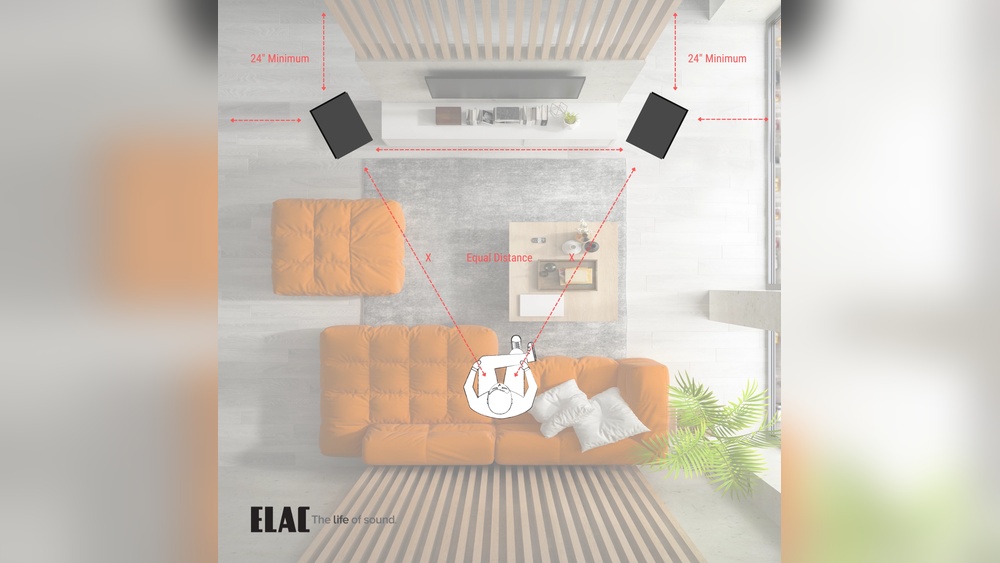
Place bookshelf speakers so the tweeters are at ear level. This ensures clear and direct sound to your ears. Angle the speakers slightly towards your listening spot. This helps create a more focused and natural soundstage.
Keep the speakers symmetrical on both sides of the room. Balanced placement gives a better stereo effect and improves overall sound quality.
Distance From Walls
Avoid placing speakers too close to walls or corners. This can cause bass to sound boomy or muddy. A good starting point is to keep speakers about 1 to 2 feet away from walls. Adjust this distance to find the best bass response for your room.
Leaving space behind the speakers lets the sound breathe and reduces unwanted reflections.
Room Acoustics Impact
Room size and furniture affect how sound travels. Soft materials like curtains and carpets absorb sound and reduce echoes. Hard surfaces reflect sound and can cause harshness.
Try adding rugs or cushions to improve sound quality. Experiment with speaker placement and listen carefully. Small changes can have a big impact on how your speakers perform.
Credit: www.kbaudio.co.uk
Necessary Cables And Connectors
Setting up bookshelf speakers requires the right cables and connectors to ensure clear sound. Choosing the correct wires and connectors helps avoid signal loss and damage. Proper cables also make the setup clean and safe.
Speaker Wire Types And Gauges
Speaker wires carry audio signals from the amplifier to the speakers. The most common type is copper wire. It offers good sound quality and durability.
Wire gauge means thickness. Lower gauge numbers mean thicker wires. Thicker wires carry signals better over long distances. For bookshelf speakers, 16 or 18 gauge wires usually work well. Use thicker wires for longer runs.
Connector Options
Connectors link speaker wires to the speaker and amplifier terminals. Banana plugs, spade connectors, and bare wire ends are popular choices.
Banana plugs make connecting easy and secure. Spade connectors fit under screws tightly. Bare wire ends are simple but need careful handling to avoid shorts.
Cable Management
Good cable management keeps your setup tidy and safe. Use cable clips or ties to bundle wires together. This prevents tripping and damage.
Hide cables behind furniture or along walls for a clean look. Label cables to identify them quickly during changes or troubleshooting.
Additional Setup Accessories
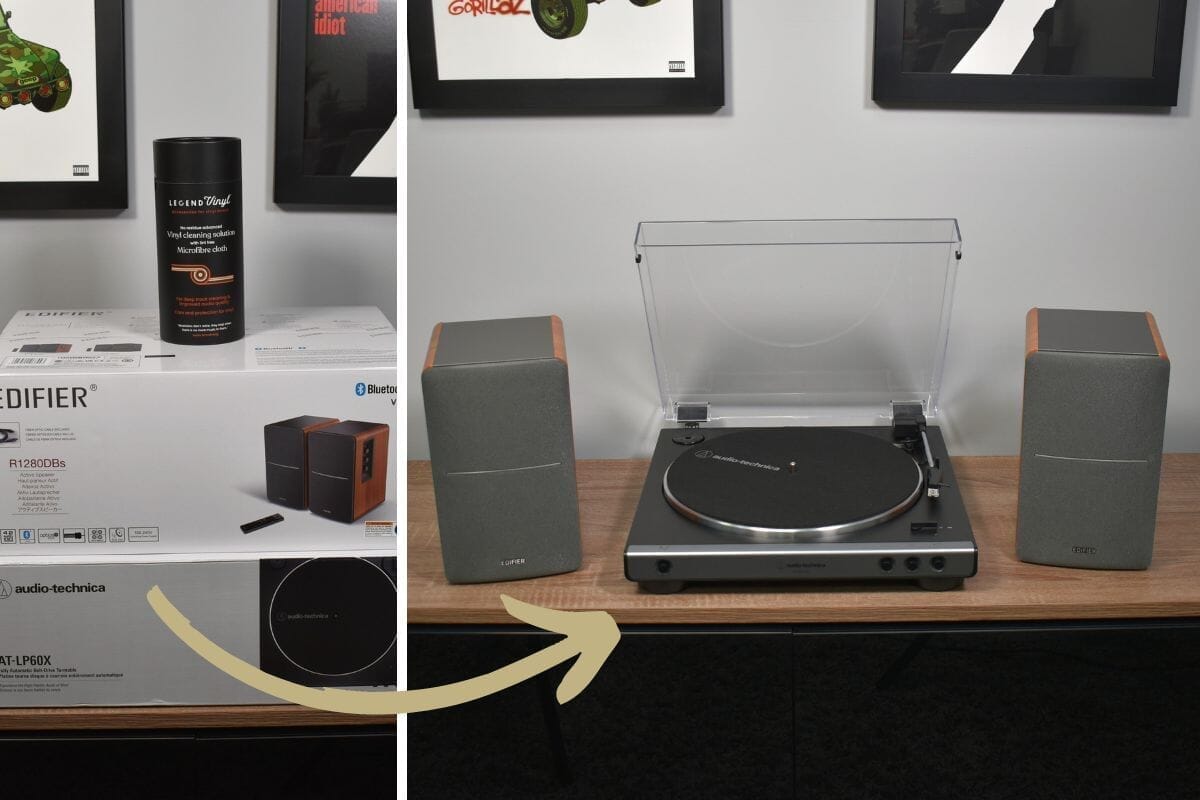
Setting up bookshelf speakers requires more than just the speakers and wires. Additional accessories improve sound quality and speaker placement. These small tools help your speakers perform their best in any room. They also protect your furniture and reduce unwanted noise.
Speaker Stands And Mounts
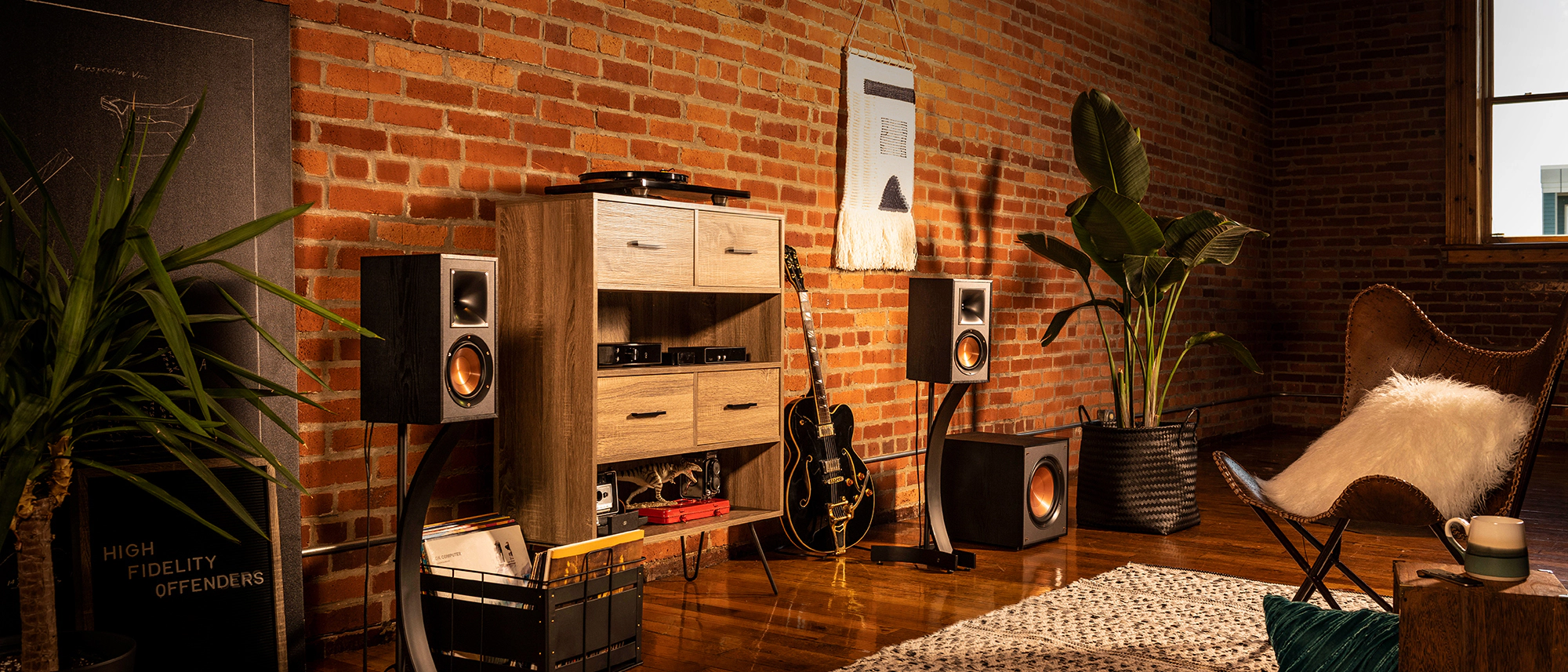
Speaker stands lift your speakers to ear level. This position improves sound clarity and imaging. Stands reduce vibrations that travel through furniture. Wall mounts save space and keep speakers stable. Both options help place your speakers in the perfect spot.
Isolation Pads
Isolation pads go under the speakers. They stop vibrations from reaching shelves or desks. This reduces sound distortion and improves bass response. Pads also protect surfaces from scratches and dents. They are small but make a big difference in sound quality.
Room Treatment Solutions
Room treatment controls sound reflections and echoes. Foam panels and bass traps absorb unwanted noise. Curtains and rugs soften hard surfaces for better acoustics. Proper treatment creates clearer, more natural sound. It helps your bookshelf speakers deliver their full potential.
Credit: www.klipsch.com
Basic Setup Steps
Setting up bookshelf speakers is simple with clear steps. Follow these basic setup steps to get great sound. Each step ensures your speakers work well and sound clear.
Connecting Speakers To Amplifier
Start by placing your bookshelf speakers near your listening area. Use quality speaker wires to connect each speaker to the amplifier. Match the positive and negative terminals correctly. Secure the connections tightly to avoid loose wires. This connection sends sound signals from the amplifier to the speakers.
Configuring Receiver Settings
Turn on your receiver or amplifier and access the settings menu. Choose the speaker type and size to match your bookshelf speakers. Set the crossover frequency to direct bass to the right speakers. Adjust volume levels for balance. These settings help your system deliver clear and balanced audio.
Testing And Calibration
Play different types of music or sound tracks to test the speakers. Listen carefully for clarity and balance between left and right speakers. Use a sound meter or calibration microphone if available. Adjust speaker placement and settings based on your room’s acoustics. Proper testing ensures the best listening experience.
Frequently Asked Questions
What Equipment Is Needed For Bookshelf Speaker Setup?
To set up bookshelf speakers, you need the speakers, an amplifier or receiver, speaker wires, and a power source. Proper placement on stands or shelves is essential for optimal sound quality.
How Do I Connect Bookshelf Speakers To An Amplifier?
Connect speaker wires from the amplifier’s output terminals to the speakers’ input terminals. Ensure correct polarity by matching positive and negative terminals on both ends.
Do Bookshelf Speakers Require Special Stands Or Shelves?
While not mandatory, stands or shelves help position speakers at ear level. This improves sound clarity and prevents vibrations for better audio performance.
What Space Considerations Affect Bookshelf Speaker Setup?
Place speakers away from walls and corners to reduce sound distortion. Allow enough space around them for sound to disperse evenly and avoid clutter.
Conclusion
Setting up bookshelf speakers needs a few simple things. You need good speakers, proper stands or shelves, and quality cables. A good amplifier or receiver helps them sound their best. Placement matters a lot. Keep speakers at ear level and space them well.
Avoid blocking the sound with furniture or walls. With these basics, your speakers will deliver clear, rich sound. Enjoy music, movies, or games with better audio. Simple steps lead to great sound at home. Now, you know what to prepare for your bookshelf speakers.
