Choosing the right height for your bookshelf speakers can make a huge difference in how your music or movies sound. You might have great speakers, but if they’re not placed correctly, you’re missing out on the best audio experience.
This guide will help you find the perfect height for your bookshelf speakers so you hear every detail clearly and enjoy your favorite sounds like never before. Keep reading, and you’ll discover simple tips that can transform your listening space instantly.
Credit: www.klipsch.com
Ideal Speaker Height
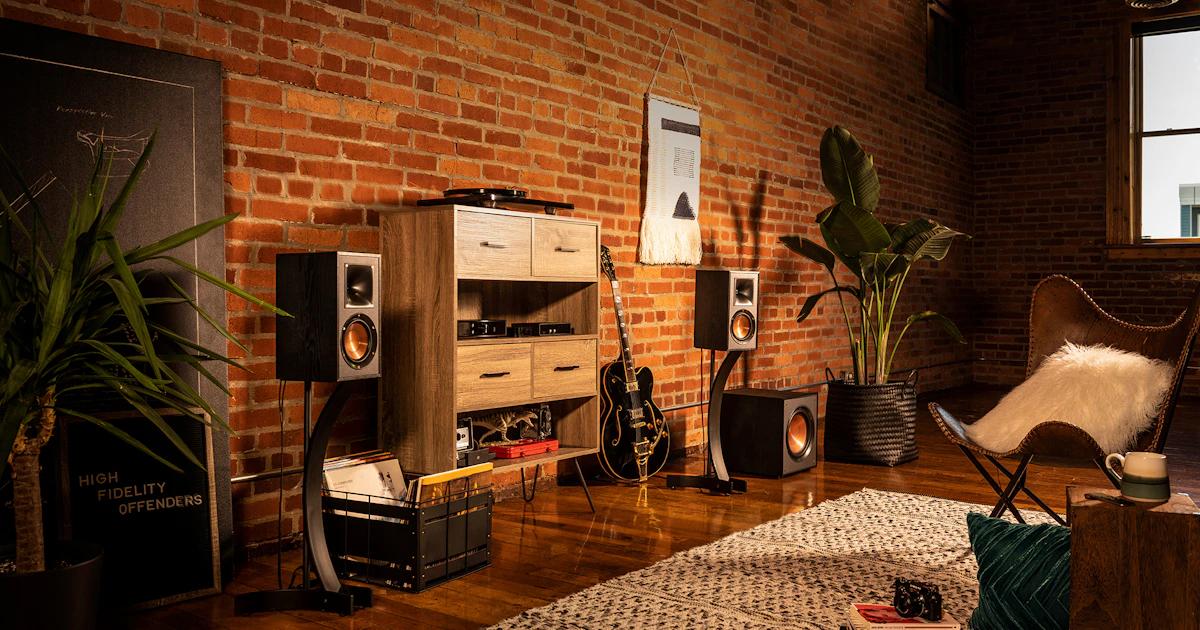
Choosing the right height for bookshelf speakers is key to good sound. The ideal speaker height helps the sound reach your ears clearly. This means better music, movies, and games. Setting the speakers too high or too low can make the sound unclear. It can also affect the bass and treble balance. The goal is to place speakers where they perform their best.
Ear Level Alignment
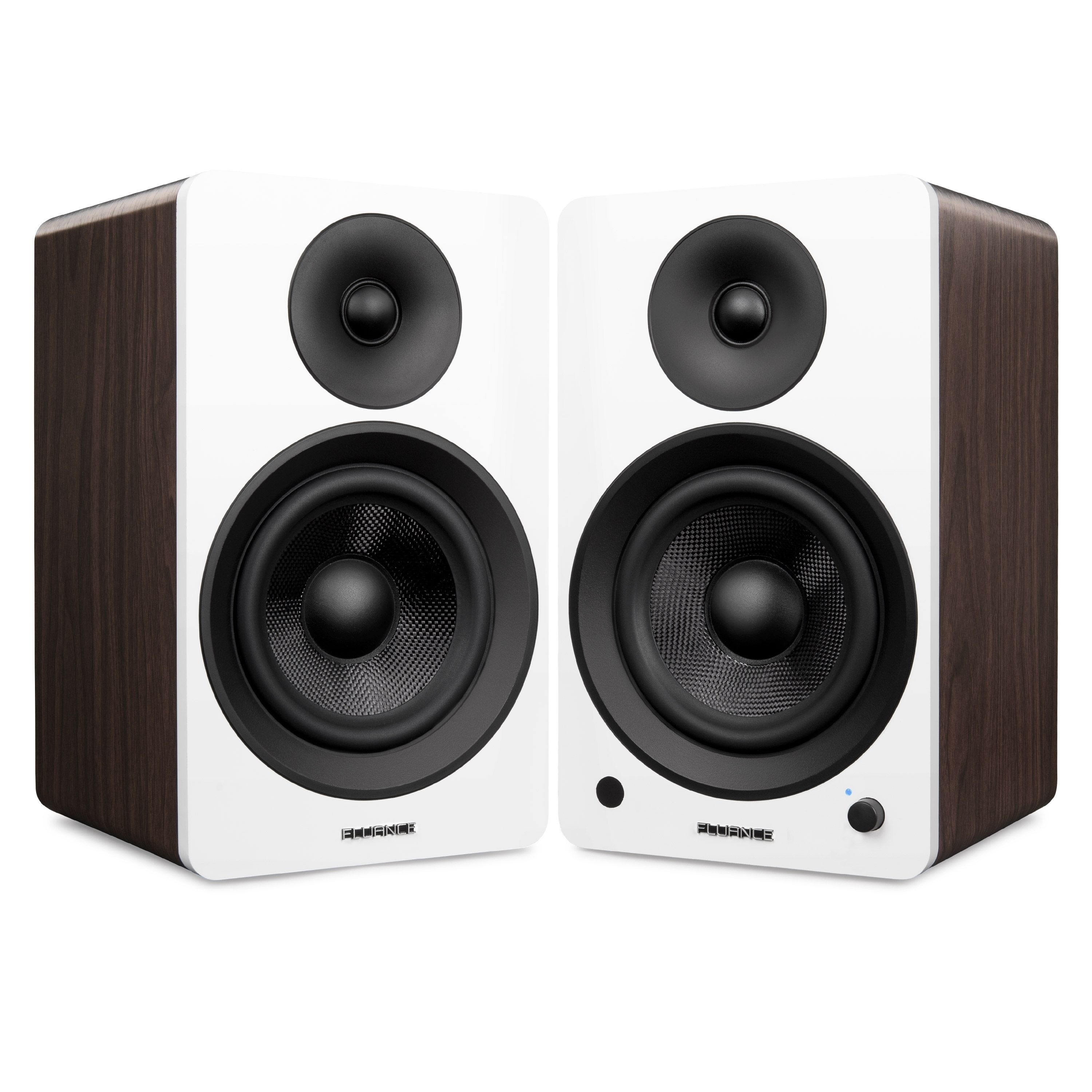
Speakers should be at the same height as your ears. This is called ear level alignment. It lets you hear the full range of sounds. Sound waves travel best when the tweeters point directly at your ears. If speakers are too high or low, you miss details in music and dialogue. Keep the speaker tweeters at ear height for clear, natural sound.
Seated Vs Standing Listening
Think about how you listen most. Are you sitting or standing? Most people listen while seated. In this case, place speakers so their tweeters match your seated ear height. Standing listeners need speakers a bit higher. Some rooms need a compromise if you do both. Adjust placement to find the best sound for your usual position.
Room Size Considerations
Room size affects speaker height and placement. Small rooms work well with speakers closer to ear level and walls. Large rooms may need speakers higher to fill space with sound. Avoid placing speakers too close to corners. Corners can cause bass to sound boomy. Measure your room and test different heights for best results.
Credit: www.fluance.com
Speaker Placement Tips
Speaker placement greatly affects sound quality from bookshelf speakers. Correct positioning helps you hear clear and balanced audio. Small changes can make a big difference in sound.
Distance From Walls
Keep speakers at least a few inches away from walls. Too close causes bass to sound boomy or muffled. Move speakers forward to improve clarity and reduce echoes. Experiment with distances to find the best sound.
Spacing Between Speakers
Place speakers about the same distance apart as from your listening spot. This creates a balanced stereo image. Too close or too wide affects how well sounds blend. Adjust spacing to hear clear left and right channels.
Angle And Tilt Adjustments
Angle speakers slightly toward your ears. This directs sound for better clarity and focus. Tilt speakers if needed to aim tweeters at ear level. Small changes improve detail and reduce harshness in sound.
Impact Of Furniture And Room Layout
The height of bookshelf speakers is not the only factor that affects sound quality. Furniture and room layout play a big role in how sound travels. The position of your speakers in the room can change the way you hear music or movies. Understanding this impact helps you get clearer and better sound.
Avoiding Obstructions
Speakers need a clear path to send sound waves. Objects like sofas, tables, or large decorations can block the sound. This makes the audio less sharp and reduces bass. Keep the area around your speakers open. Avoid placing them behind furniture or inside closed cabinets. Clear space lets sound move freely and improves listening.
Using Stands Vs Shelves
Speaker height affects sound direction. Stands place speakers at ear level for better clarity. Shelves may be too high or low, causing uneven sound. Stands also reduce vibrations from furniture. Shelves can cause sound to bounce and create echo. Choose stands if possible for a more direct audio experience. If shelves are used, place speakers away from walls and corners.
Reflective Surfaces Effects
Hard surfaces like glass, tiles, and bare walls reflect sound waves. This reflection causes echoes and muffled tones. Soft materials like curtains, carpets, and cushions absorb sound and reduce reflections. Position speakers away from large reflective surfaces. Add rugs or curtains to balance the room acoustics. This helps keep sound clear and natural.
Testing And Tuning
Testing and tuning bookshelf speakers is key to getting the best sound. This step ensures your speakers fit your room and your ears. Small changes can make a big difference in sound quality. Here is how to test and tune them properly.
Listening Tests
Start by playing different types of music. Choose songs with clear vocals and deep bass. Listen carefully to each track. Notice if the sound feels balanced or if some parts are too loud or soft. Move around the room to hear how the sound changes. This helps find the best spot for your speakers.
Adjusting For Bass And Treble
Use the speaker’s bass and treble controls to fine-tune the sound. Increase bass if the sound feels thin or lacks depth. Lower bass if the sound is too boomy or muddy. Raise treble to make vocals and instruments clearer. Reduce treble if the sound is too sharp or harsh. Make small changes and listen after each adjustment.
Using Measurement Tools
Measurement tools give precise feedback on speaker performance. Use a sound level meter or a smartphone app to check volume levels. Room correction software can analyze how sound waves behave in your space. These tools help identify weak spots and guide adjustments. They make tuning more accurate and faster.
Common Mistakes To Avoid
Choosing the right height for bookshelf speakers is important. Many people make simple mistakes that affect sound quality. Avoiding these errors helps speakers deliver clear and balanced audio. Here are common mistakes to watch out for.
Placing Speakers Too High Or Low
Speakers placed too high or too low can distort sound. The best height is usually at ear level when seated. Sound travels directly to your ears this way. Placing speakers above or below ear level reduces clarity and detail.
Ignoring Room Acoustics
Room shape and materials affect sound quality. Hard surfaces cause echoes and reflections. Soft surfaces absorb sound and reduce harshness. Ignoring room acoustics leads to poor speaker performance. Consider room setup when placing bookshelf speakers.
Overcrowding Speaker Area
Placing too many items near speakers blocks sound waves. Clutter around speakers muffles the sound. Keep the area around speakers clear for better sound flow. Space allows speakers to perform at their best.
Credit: soundtube.mseaudio.com
Frequently Asked Questions
What Is The Ideal Height For Bookshelf Speakers?
The ideal height places the tweeters at ear level when seated. This ensures clear, balanced sound and better audio imaging. Typically, this height ranges between 36 to 48 inches from the floor.
How Does Speaker Height Affect Sound Quality?
Speaker height impacts sound clarity and stereo imaging. Proper height aligns sound with your ears, reducing distortion and improving bass response. Incorrect height can cause muffled or uneven audio.
Can Bookshelf Speakers Be Placed Too High Or Low?
Yes, placing speakers too high or low distorts sound direction and clarity. Tweeters should align with ear level for optimal listening. Avoid placing speakers on the floor or too close to the ceiling.
Should Bookshelf Speakers Be On Stands Or Shelves?
Stands are preferred as they position speakers at the correct height and reduce vibrations. Shelves work if they place speakers at ear level and provide stability. Avoid placing speakers directly on furniture that vibrates.
Conclusion
Choosing the right height for bookshelf speakers matters a lot. It helps you hear sound clearly and enjoy music better. Place the speakers near ear level when you sit. This way, sound reaches you directly without distortion. Avoid putting them too high or too low.
Small changes make a big difference in sound quality. Try different spots to find what sounds best in your room. Good speaker placement brings your favorite songs to life. Keep it simple and listen carefully. Your ears will thank you.