When choosing a vanity cabinet for your bathroom, one key question likely pops up: what is the right depth? The depth of a vanity cabinet affects not only how much storage you get but also how comfortable and functional your space feels.
If your vanity is too deep, it might crowd your bathroom. Too shallow, and you could lose valuable storage. Understanding the ideal depth helps you make the best choice for your needs and space. Keep reading to discover what the depth of a vanity cabinet really means and how to pick the perfect size for your bathroom.
Vanity Cabinet Depth Basics
Understanding the depth of a vanity cabinet helps in choosing the right fit for your bathroom. Depth affects how much space the cabinet takes and how much storage it offers. It also impacts comfort and bathroom flow. Let’s explore the basics of vanity cabinet depth and common sizes.
Standard Depth Measurements
Most vanity cabinets have a depth between 18 and 21 inches. This size works well for typical bathrooms. It provides enough space for a sink and countertop. It also leaves room for movement in front of the vanity. Some deeper options reach 24 inches, offering extra storage but needing more floor space.
Common Vanity Sizes
Vanity cabinets come in many widths, like 24, 30, 36, or 48 inches. The depth usually stays within the standard range. Narrow vanities suit small bathrooms. Wider ones fit larger spaces and double sinks. Choosing the right size balances storage needs and available bathroom space.

Credit: www.amazon.com
Factors Influencing Depth Choice
Choosing the right depth for a vanity cabinet depends on several key factors. Each bathroom has its own needs and limits. These factors help find the perfect fit between style and function. Understanding them makes the decision easier and smarter.
Bathroom Space Constraints
Space size limits how deep a vanity cabinet can be. Small bathrooms need shallow cabinets to keep room open. Larger bathrooms allow deeper cabinets for extra storage. Measure the space carefully before picking the depth. Keep enough room for walking and opening doors.
Sink And Faucet Types
The type of sink affects the cabinet depth needed. Vessel sinks sit on top and need less depth. Undermount sinks require more space inside the cabinet. Faucets with long spouts may need extra room at the back. Match the cabinet depth to the sink and faucet style.
Storage Needs
Storage needs shape the depth choice strongly. More storage means a deeper cabinet. Think about what items must fit inside. Shallow cabinets work for basic toiletries. Deeper ones hold towels and cleaning supplies. Balance storage with available bathroom space.
Custom Vs. Pre-made Vanities
Choosing the right depth for a vanity cabinet affects both function and style. Vanities come in two main types: custom and pre-made. Each type has unique features that influence bathroom space and storage. Understanding the difference helps you pick the best option for your needs.
Advantages Of Custom Depths
Custom vanities offer flexibility in size. You can set the depth to fit your bathroom perfectly. This helps maximize space in small or oddly shaped rooms. Custom depths allow better storage options based on your needs. They also provide a unique look tailored to your design. You get more control over materials and finishes. Custom vanities match your style and practical requirements precisely.
Limitations Of Standard Cabinets
Pre-made vanities come in fixed depths, usually 18 to 21 inches. This can limit storage and workspace. Standard sizes may not fit well in small or unusual bathrooms. They offer fewer options for customization or unique designs. Pre-made cabinets might not optimize your bathroom layout. Limited depth options can reduce comfort and usability. These cabinets are easier to find and often cost less, but come with size restrictions.
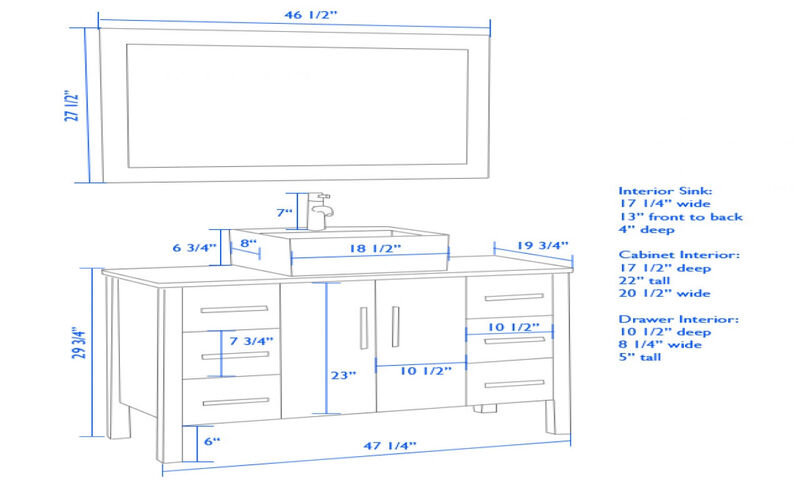
Credit: castacabinetry.com
Measuring For The Perfect Fit
Measuring for the perfect fit is key to choosing the right vanity cabinet depth. It ensures the cabinet fits well in your space and looks balanced. Accurate measurements help avoid buying a cabinet that is too big or too small. Take your time and measure carefully to get the best results.
Tools Required
Gather these tools before you start measuring. A tape measure is essential for precise length and depth checks. A pencil and paper help note down the numbers. A level is useful to check flat surfaces. Finally, a step stool or ladder may be needed for higher spots.
Step-by-step Measuring Tips
Start by measuring the available width of the space. Next, measure the depth from the wall to the front edge. Check for any pipes or obstructions behind the wall. Measure from the floor to the desired cabinet height. Write down each measurement clearly. Double-check all numbers to avoid mistakes. These steps ensure you pick a cabinet that fits perfectly.
Depth Impact On Bathroom Design
The depth of a vanity cabinet plays a key role in shaping bathroom design. It affects how the space feels and works. Choosing the right depth helps balance style and function. Small changes in depth can change the room’s flow and comfort. This section explores how vanity depth impacts visual balance and accessibility in bathrooms.
Visual Balance And Flow
Vanity depth influences the room’s visual balance. A deep vanity can make the bathroom feel crowded. It may block pathways and limit movement. A shallow vanity keeps the space open and airy. It creates a smooth flow from one area to another. Proper vanity depth helps the bathroom look neat and well-proportioned.
Accessibility Considerations
The depth of a vanity affects how easy it is to use. A very deep cabinet may make reaching the sink hard. It can be uncomfortable for children or people with mobility issues. A shallower vanity improves access to storage and fixtures. It allows better reach without straining. Thoughtful depth choices make the bathroom more user-friendly for everyone.
Common Depth Mistakes To Avoid
Choosing the right depth for your vanity cabinet is very important. Mistakes with depth can cause problems in your bathroom. It may make the space look awkward or create practical issues. Avoiding common depth mistakes helps make your bathroom both beautiful and functional.
Too Shallow Or Too Deep
Vanity cabinets that are too shallow do not offer enough storage. You might struggle to store everyday items. A shallow vanity also looks small and may not fit your sink properly. On the other hand, a vanity that is too deep can crowd your bathroom. It may block doors or make walking space tight. Choose a depth that balances storage and room space.
Ignoring Plumbing And Fixtures
Plumbing pipes and fixtures take up space inside the cabinet. Ignoring them when measuring depth causes big issues. Your vanity might not fit around pipes, or you may lose storage space. Check the plumbing layout before picking a depth. This helps avoid costly changes or repairs later.
Tips For Choosing Vanity Depth
Choosing the right depth for a vanity cabinet affects both style and function. A well-chosen depth can make your bathroom feel bigger and keep things easy to use. This guide helps you decide the best vanity depth for your space and needs.
Consider how the depth fits your bathroom size and future plans. These tips help you pick a vanity that works well now and later.
Matching Vanity To Bathroom Size
Small bathrooms need shallower vanities to save space. A deep vanity can make the room feel cramped. Measure your bathroom carefully before choosing. Leave enough walking space around the vanity for comfort. Large bathrooms allow for deeper vanities, adding storage and style.
Considering Future Renovations
Think about any bathroom changes you may make later. A vanity with standard depth fits most layouts and sinks. If you plan to add shelves or cabinets, allow space for them. Choose a vanity depth that can adapt to new designs easily.

Credit: www.amazon.com
Frequently Asked Questions
What Is The Standard Depth Of A Vanity Cabinet?
The standard depth of a vanity cabinet is typically 21 inches. This size balances storage capacity and bathroom space efficiently. It fits most sinks and allows enough countertop space for daily use. However, depths can range from 18 to 24 inches depending on design and bathroom size.
How Does Vanity Cabinet Depth Affect Bathroom Space?
Vanity cabinet depth directly impacts bathroom usability and comfort. A deeper vanity provides more storage but can crowd small bathrooms. Shallower vanities save space but offer less storage. Choosing the right depth ensures a balance between functionality and maintaining open floor space.
Can Vanity Cabinet Depth Vary By Bathroom Type?
Yes, vanity cabinet depth often varies by bathroom type. Smaller bathrooms or powder rooms typically use shallower vanities (18-20 inches). Master bathrooms may have deeper vanities (22-24 inches) for extra storage. Selecting the correct depth optimizes space and meets specific bathroom needs.
Why Is Vanity Cabinet Depth Important For Sink Installation?
Vanity depth determines the type and size of sink you can install. A standard 21-inch depth supports most vessel and undermount sinks. Insufficient depth may cause overhang or limit sink size. Proper depth ensures safe, functional sink installation and comfortable use.
Conclusion
Choosing the right depth for a vanity cabinet matters. It affects how much storage you get. It also changes the look and feel of your bathroom. Standard depths fit most spaces, but custom sizes work for unique rooms. Think about your needs and space before buying.
The right depth helps keep your bathroom neat and easy to use. Small changes make a big difference in comfort and style. Keep these points in mind for a better bathroom setup.

