Are you planning to add a bookshelf to your room but unsure about the right size? Knowing the standard height and depth of a bookshelf can save you time, money, and frustration.
Whether you want to store novels, display collectibles, or organize your workspace, the right dimensions make all the difference. You’ll discover the ideal measurements that fit most spaces and needs. Keep reading, and you’ll feel confident choosing or building the perfect bookshelf for your home.

Credit: shelfhelpnow.com
Bookshelf Height Basics
A bookshelf’s height is important for fitting your space and storing books well.
Choosing the right height helps keep books easy to reach and the room tidy.
Common Height Ranges
Bookshelves usually range from 3 to 7 feet tall.
Smaller shelves stand about 3 to 4 feet high.
Taller shelves can reach up to 7 feet or more for extra storage.
Factors Influencing Height
Room size affects how tall a bookshelf should be.
Bookshelf height depends on the type and size of items stored.
Safety matters; taller shelves need secure placement to avoid tipping.
Adjustable Vs Fixed Height
Adjustable shelves offer flexibility for different book sizes.
Fixed shelves have set heights, often for a cleaner look.
Choose based on how often you change what you store.
Bookshelf Depth Essentials
Bookshelf depth is a key factor in choosing the right shelf. It affects how books fit and how stable the shelf feels. Depth needs to match the size of your books and your space. Picking the right depth keeps your books safe and the shelf sturdy.
Understanding bookshelf depth helps you make a better choice for your room and books. It also ensures the shelf looks good and works well.
Standard Depth Measurements
Most bookshelves come with a depth between 10 and 12 inches. This size fits most books, from paperbacks to hardcovers. Deeper shelves, around 14 inches, suit large books or display items. Narrower shelves save space but hold fewer books.
Choosing Depth For Book Sizes
Small books like novels usually need 7 to 9 inches depth. Larger books, like textbooks, need 12 inches or more. Oversized books or photo albums might need shelves 14 inches deep. Measure your biggest books before picking shelf depth.
Impact Of Depth On Stability
Deeper shelves hold heavier books better. Shallow shelves can tip over with tall, heavy books. A wider base adds support and prevents wobbling. Balance shelf depth with height for a safe, strong unit.
Shelf Spacing And Layout
Understanding shelf spacing and layout is key to making the most of a bookshelf. It affects how items fit and how the space looks. Proper spacing keeps books and objects neat. It also helps prevent damage to fragile items.
Organizing shelves well makes the bookshelf more useful. You can arrange items by size or type. This makes finding things easier and keeps the shelf tidy.
Typical Shelf Spacing
Most bookshelves have shelves spaced about 10 to 12 inches apart. This size fits most standard books comfortably. For larger books, shelves may need to be higher, around 14 to 15 inches. Shelves for small items can be closer, about 8 to 9 inches.
Customizing For Different Items
Adjust shelf height for different items. Tall books or binders need more space. Small decorations or photo frames require less height. Some shelves can be made adjustable. This allows changing shelf spacing as needed.
Maximizing Storage Efficiency
Use vertical space wisely to store more items. Place heavier items on lower shelves for safety. Group similar items together to keep the shelf organized. Consider adding extra shelves if space allows. This helps to use every inch effectively.

Credit: www.reddit.com
Materials And Construction
The materials and construction of a bookshelf play a key role in its strength and appearance. Choosing the right material affects how much weight the shelves hold. It also changes the look and size of the bookshelf. Understanding these factors helps pick the best bookshelf for your space and needs.
Material Choices And Their Effect
Wood is a popular choice for bookshelves. It looks warm and classic. Solid wood is strong but can be heavy and costly. Engineered wood, like MDF or plywood, costs less. It is lighter but less durable. Metal shelves are tough and modern. They hold heavy books well but may look cold. Plastic shelves are light and cheap. They suit small, light collections.
Weight Capacity Considerations
Heavier materials support more weight. Solid wood shelves can hold many books without bending. Metal frames add extra strength. Engineered wood may sag if overloaded. Shelf thickness also matters. Thicker shelves hold more weight. Proper support brackets prevent sagging. Check weight limits before buying.
Design Styles And Dimensions
Material affects shelf size and style. Thick wood allows deep shelves for large books. Thin metal can create sleek, narrow designs. Engineered wood suits simple, boxy shapes. Shelf height and depth vary by style. Classic designs use taller shelves. Modern styles often have open, airy spaces. Match design to room size and book types.
Ergonomics And Accessibility
Ergonomics and accessibility play a big role in bookshelf design. They help make sure shelves are easy and safe to use. Choosing the right height and depth helps reduce strain and improve comfort. It also allows everyone to reach books without trouble. Thoughtful design keeps your space organized and user-friendly.
Optimal Height For Reach
The best bookshelf height fits the user’s natural reach. Shelves should be between 60 and 72 inches tall for most adults. The middle shelves are easiest to access and should hold frequently used items. Top shelves might need a step stool. Bottom shelves work well for heavy or less-used books.
Adjusting For User Needs
Adjust shelf heights based on who uses the bookshelf most. Kids need lower shelves for easy reach. People with limited mobility benefit from adjustable or pull-out shelves. Customizing shelf spacing prevents stretching or bending too much. This keeps the bookshelf practical and comfortable for all users.
Safety Tips For Tall Bookshelves
Tall bookshelves can tip over if not secured properly. Anchor them to the wall to prevent accidents. Avoid overloading top shelves with heavy items. Place heavier books on lower shelves for stability. These steps help keep your bookshelf safe and sturdy for everyone.
Specialty Bookshelves
Specialty bookshelves add style and function to any room. They fit unique spaces and hold specific items. Their design often changes the usual height and depth rules. These shelves balance look and use, making your space more interesting.
Built-in Vs Freestanding
Built-in bookshelves fit into walls and corners. They save floor space and look neat. Their height and depth match your room’s size. Freestanding shelves are movable and flexible. They come in many sizes and shapes. Choose based on your room and needs.
Corner And Narrow Shelves
Corner shelves use small spaces well. They are usually shorter and less deep. Narrow shelves fit tight spots like hallways. Their depth is often under 10 inches. These shelves hold small books or decor items. Perfect for adding storage without crowding.
Floating And Wall-mounted Options
Floating shelves attach directly to walls. They have no visible supports. Their depth is usually 6 to 12 inches. Wall-mounted shelves can be larger and stronger. Both types save floor space and look modern. Ideal for light books and decorations.
Measuring And Planning
Measuring and planning are the first steps to get the perfect bookshelf. These steps help to fit the shelf in your room and hold your books properly. Accurate measurement avoids problems later. Careful planning makes sure your bookshelf looks good and works well.
Tools For Accurate Measurement
Use a tape measure for length, height, and depth. A pencil and paper help to note down numbers. A level tool checks if the shelf will stand straight. A ruler or square helps measure small details. These tools ensure your measurements are exact and clear.
Planning For Room Space
Measure the wall space where the shelf will go. Check for doors, windows, and vents nearby. Think about walking space around the shelf. Consider the shelf’s height to avoid blocking lights or decorations. Plan space for future books or items too.
Combining Height And Depth Effectively
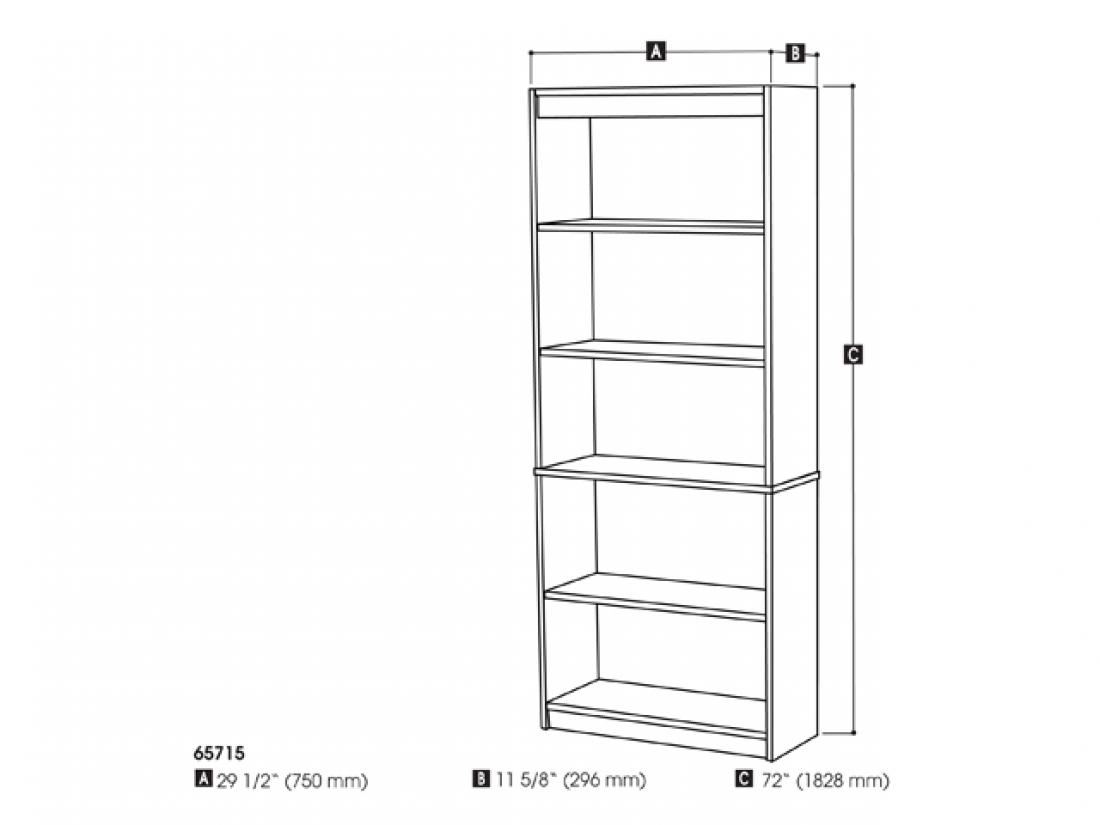
Height and depth must work well together. A tall shelf needs strong support to hold weight. Depth should fit your books without wasting space. Standard depth is usually 10-12 inches, ideal for most books. Choose a height that suits your room size and needs.
Credit: www.bestar.com
Frequently Asked Questions
What Is The Standard Height Of A Bookshelf?
The standard bookshelf height ranges from 60 to 72 inches. This height suits most room sizes and allows easy access to books. Adjustable shelves often enhance usability within this range.
What Is The Typical Depth Of A Bookshelf?
Bookshelves usually have a depth of 10 to 12 inches. This depth accommodates most book sizes while maintaining a slim profile. Deeper shelves are used for larger items or decorative pieces.
How Many Shelves Are Standard In A Bookshelf?
A typical bookshelf contains 5 to 7 shelves. This number balances storage capacity and structural stability. Shelf spacing usually varies from 10 to 12 inches to fit different book heights.
Can Bookshelf Dimensions Vary By Room Type?
Yes, bookshelf dimensions often vary depending on room size and purpose. Smaller rooms may require compact shelves, while living rooms can accommodate taller, wider units. Custom sizes optimize space and design needs.
Conclusion
Choosing the right bookshelf size matters for your space and needs. Standard heights range from 48 to 72 inches tall. Depth usually falls between 10 and 12 inches. These sizes fit most books and rooms well. Remember to measure your space before buying.
A well-sized bookshelf keeps your books neat and easy to reach. Simple and practical. This helps you enjoy your reading corner every day.
