Are you thinking about getting a bunk bed but aren’t sure what mattress size to choose? Picking the right mattress is key to making your bunk bed comfortable and safe.
If your mattress is too big or too small, it could cause problems like slipping or discomfort. You’ll discover the standard size of a bunk bed mattress and how to find the perfect fit for your space and needs. Keep reading to make sure your bunk bed feels just right every night.
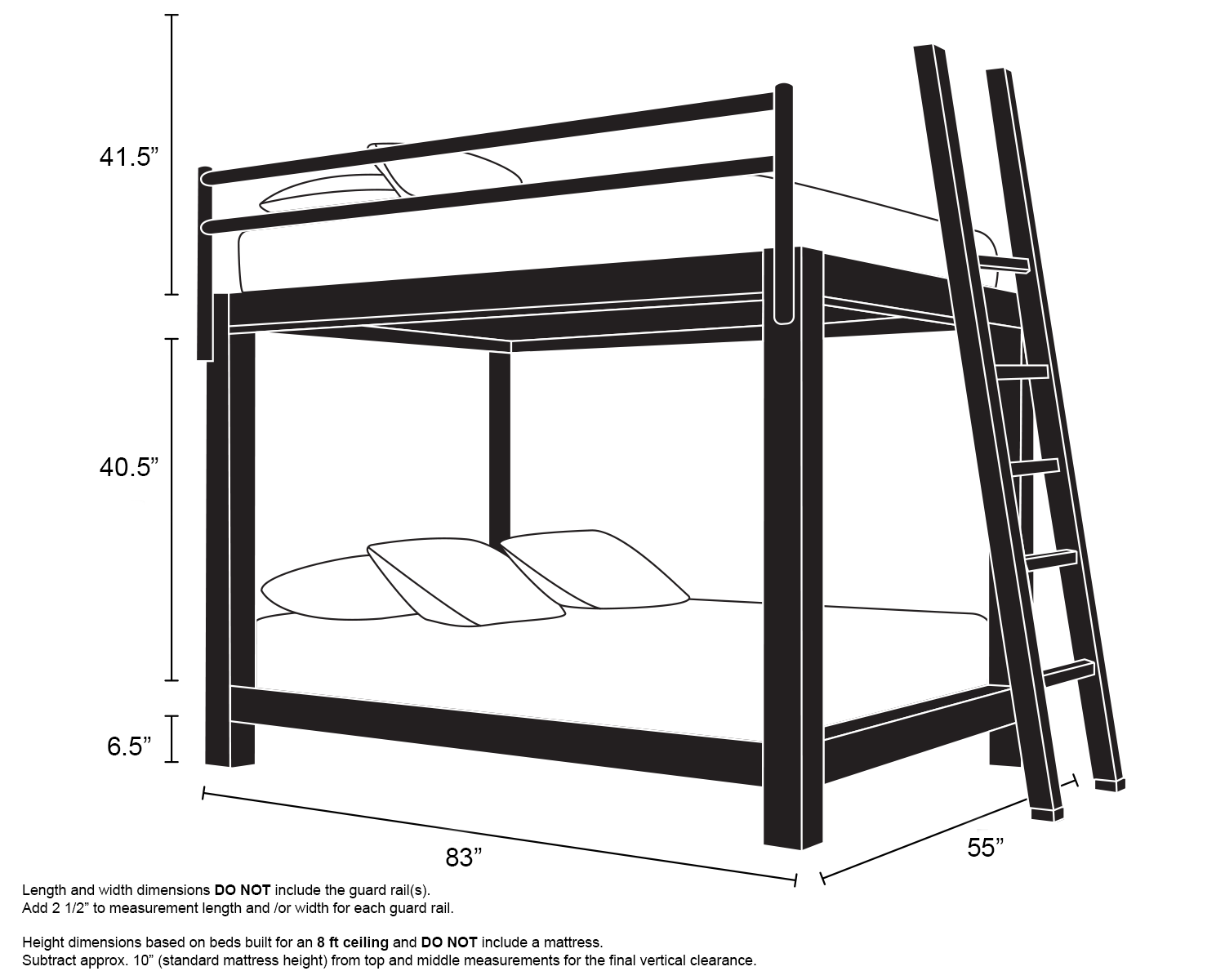
Credit: adultbunkbeds.com
Bunk Bed Mattress Dimensions
Bunk bed mattress dimensions are important to know before buying. The mattress must fit the bed frame perfectly. A mattress too big or small causes discomfort and safety issues. Understanding standard sizes helps choose the right mattress easily.
Each bunk bed has specific mattress size requirements. Most bunk beds use standard mattress sizes. Thickness also matters for comfort and safety. Let’s explore common mattress sizes and thickness levels for bunk beds.
Common Mattress Sizes
The most common bunk bed mattress size is twin. It measures 38 inches wide and 75 inches long. Twin XL mattresses are also used, adding 5 extra inches in length. This size is 38 inches by 80 inches. Some bunk beds use full-size mattresses, 54 inches by 75 inches.
Standard mattress sizes ensure compatibility with most bunk bed frames. Check the bed frame measurements before buying. This avoids mattress fitting problems later. Twin size is the safest and most popular choice.
Thickness And Comfort Levels
Mattress thickness affects comfort and safety on bunk beds. Standard bunk bed mattresses range from 6 to 8 inches thick. Thicker mattresses may cause safety hazards like reduced guardrail height. Thin mattresses might not provide enough comfort or support.
Choose a mattress thickness that balances comfort and safety. Memory foam and innerspring mattresses come in various thicknesses. Select one that fits the bunk bed frame and offers good support for sleeping.

Credit: mattresstodoor.com
Types Of Bunk Bed Mattresses
Bunk bed mattresses come in different types to fit various needs. Choosing the right mattress affects comfort and durability. It also impacts how well the mattress fits the bunk bed frame. Understanding each type helps pick the best option for sleep quality and support.
Foam Mattresses
Foam mattresses are light and easy to move. They offer good support by contouring to the body. Foam absorbs movement, which reduces noise and motion. These mattresses are often budget-friendly and resistant to dust mites. They work well in bunk beds used by kids or guests.
Innerspring Mattresses
Innerspring mattresses have metal coils inside for support. They provide firm and bouncy comfort. These mattresses allow better air circulation, keeping the bed cool. Innerspring options last long and handle weight well. They suit people who prefer a traditional mattress feel.
Hybrid Mattresses
Hybrid mattresses combine foam and innerspring layers. This mix gives both softness and support. Hybrids balance pressure relief and firmness. They often feel comfortable for many types of sleepers. These mattresses work well for those who want the best of both worlds.
Choosing The Right Mattress Size
Picking the correct mattress size for a bunk bed is very important. It helps to keep the bed safe and comfortable. A mattress that fits well makes sleeping better and keeps the bed frame strong. Knowing the right mattress size also avoids problems like mattress slipping or falling through the frame.
Many bunk beds use standard mattress sizes. But some frames may need special measurements. It is smart to measure the bed and think about who will use it. This way, the mattress matches the bed perfectly and supports the sleeper well.
Measuring Your Bunk Bed Frame
Start by measuring the inside length and width of the bunk bed frame. Use a tape measure and write down the numbers. Measure from side to side and from head to foot. Check if the frame has any railings or supports that reduce the mattress space.
Compare these measurements to standard mattress sizes. Most bunk beds fit a twin mattress, which is 38 inches wide and 75 inches long. Some bunk beds need a twin XL mattress, which is 5 inches longer. Always pick a mattress slightly smaller than the frame space.
Considering Age And Weight
Think about the age of the person who will sleep on the bunk bed. Children often need smaller mattresses that fit their size. Adults usually need a mattress that supports more weight and gives better comfort. Weight affects the mattress type and thickness you should choose.
Look for mattresses made for the sleeper’s weight. Firmer mattresses offer better support for heavier sleepers. Softer mattresses work well for lighter sleepers, especially kids. This choice helps to keep the mattress durable and comfortable over time.

Credit: www.bedinabox.com
Safety Considerations
Safety is very important when choosing a bunk bed mattress. The wrong mattress size or thickness can cause accidents. Children and adults need secure beds that prevent falls and injuries. This section explains key safety points to consider for bunk bed mattresses.
Proper Mattress Thickness
The mattress should not be too thick. Too thick a mattress can reduce the guardrail height. Guardrails protect sleepers from falling off the bed. A mattress thickness of 6 to 8 inches is ideal. It balances comfort with safety. Thin mattresses may not be comfortable, but thick ones can be unsafe.
Avoiding Overhang And Gaps
The mattress must fit snugly on the bed frame. Overhang can cause the mattress to slip or tip. Gaps between mattress and frame create spaces where children can get stuck. Measure the bed frame before buying a mattress. A tight fit helps keep the mattress stable. This reduces the risk of falls and injuries.
Tips For Mattress Maintenance
Maintaining your bunk bed mattress helps it last longer and stay comfortable. Proper care keeps the mattress clean and fresh. It also prevents damage and wear over time. Follow these simple tips to keep your mattress in good shape.
Cleaning And Care
Vacuum your mattress regularly to remove dust and dirt. Use a gentle vacuum setting and a clean brush attachment. Spot clean stains quickly with mild soap and water. Avoid soaking the mattress. Let it dry completely before using it again. Use a mattress protector to guard against spills and stains.
Rotating And Flipping
Rotate your mattress every three months to prevent uneven wear. Turn it 180 degrees so the head becomes the foot. Some mattresses can be flipped for even wear on both sides. Check the mattress label to see if flipping is recommended. Regular rotation helps keep the mattress firm and comfortable.
Where To Buy Bunk Bed Mattresses
Finding the right place to buy bunk bed mattresses makes the process easier. Choosing a good mattress ensures comfort and safety for sleepers. Different stores offer various options in size, material, and price. Understanding where to shop helps you save time and money.
Online Retailers
Online stores provide a wide range of bunk bed mattresses. You can compare prices and customer reviews quickly. Many websites offer free delivery and easy returns. Shopping online lets you browse without leaving home. Check product details carefully before buying to ensure the right size.
Local Mattress Stores
Local stores allow you to see mattresses in person. You can test firmness and comfort before purchasing. Store staff can answer questions and give advice. Local shops often have special deals and discounts. Visiting a store helps you find the perfect mattress size easily.
Frequently Asked Questions
What Is The Standard Bunk Bed Mattress Size?
The standard bunk bed mattress size is 39 inches wide by 75 inches long. This size matches a twin mattress. It fits most bunk beds perfectly and ensures safety and comfort for sleepers.
Can A Full-size Mattress Fit A Bunk Bed?
Typically, bunk beds are designed for twin mattresses. However, some models support full-size mattresses, measuring 54 by 75 inches. Always check the bunk bed frame specifications before using a full-size mattress.
Are Bunk Bed Mattresses Thinner Than Regular Mattresses?
Yes, bunk bed mattresses are usually thinner, around 6 to 8 inches thick. This helps maintain safety by keeping the sleeper below the guardrails. Thinner mattresses also suit the compact design of bunk beds.
Why Is Mattress Size Important For Bunk Beds?
Mattress size is crucial for safety and comfort. A mattress that’s too large can cause falls. A mattress too small leaves gaps, risking injury. Using the standard size ensures proper fit and secure sleeping space.
Conclusion
Choosing the right bunk bed mattress size matters for comfort and safety. Most bunk beds use twin or twin XL mattresses. Measuring your bed frame first helps avoid mistakes. A mattress that fits well keeps the bed sturdy. It also gives a good night’s sleep.
Now, you can pick the correct size with confidence. Simple steps lead to a better rest and happy dreams.