Choosing the right stain for your outdoor furniture can feel overwhelming. You want your pieces to look great, but also to last through sun, rain, and changing seasons.
The stain you pick plays a huge role in protecting your furniture and keeping it beautiful year after year. You’ll discover exactly what kind of stain works best for different materials, how to apply it, and tips to make your outdoor furniture stand out.
Keep reading to find the perfect stain that fits your style and needs.
Types Of Outdoor Furniture Stains
Choosing the right stain for outdoor furniture protects wood from weather damage. Different stains offer different levels of color and protection. Knowing the types helps you pick the best one for your furniture. This guide explains the main types of outdoor furniture stains and their features.
Transparent Stains
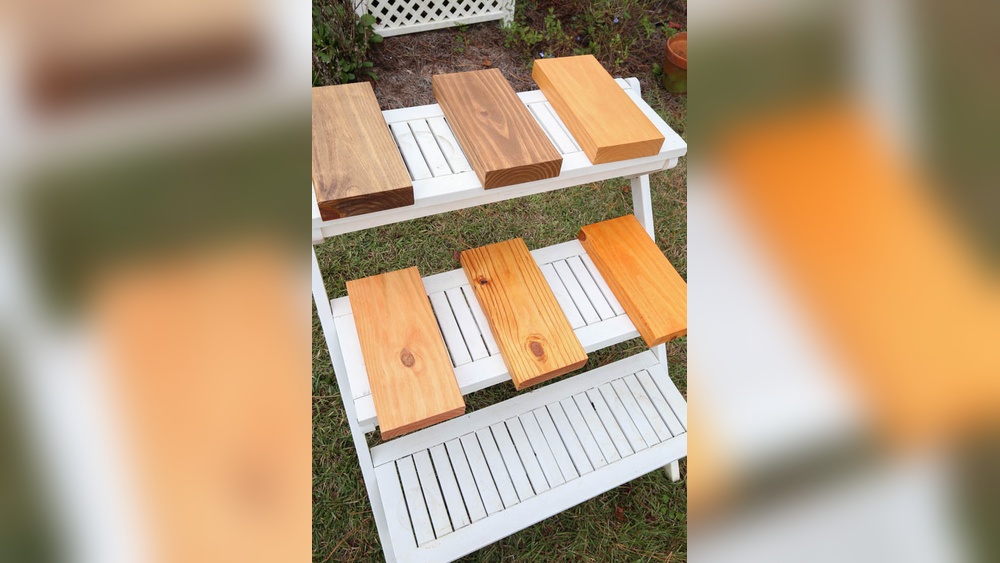
Transparent stains show the wood’s natural grain clearly. They add color but keep the wood’s texture visible. These stains offer light protection from sun and moisture. They need frequent reapplication to keep furniture safe and looking fresh.
Semi-transparent Stains
Semi-transparent stains add more color than transparent ones. They still let some wood grain show through. These stains provide better protection against UV rays and water. They last longer than transparent stains but may fade over time.
Solid Stains
Solid stains cover the wood completely with color. They hide the wood grain but protect the surface well. These stains work great on old or weathered furniture. They resist fading and water damage for a long time.
Oil-based Vs Water-based Stains
Oil-based stains soak deep into the wood. They offer strong protection and rich color. Oil stains take longer to dry and have a stronger smell. Water-based stains dry quickly and have less odor. They are easier to clean and more eco-friendly.
Factors To Consider When Choosing A Stain
Choosing the right stain for outdoor furniture needs careful thought. Several factors affect the final look and protection. Considering these will help the wood last longer and look better.
Wood Type And Condition
Different woods absorb stain in unique ways. Softwoods like pine need lighter stains to avoid blotchiness. Hardwoods like teak absorb deeply, showing rich colors. Old or weathered wood may require special prep or primer. Check if the wood is dry and smooth before staining.
Climate And Weather Exposure
Outdoor furniture faces sun, rain, and cold. A stain with UV protection helps prevent fading. Water-resistant stains stop moisture from damaging wood. In wet climates, choose stains with mold and mildew resistance. Consider stains that allow wood to breathe in humid areas.
Desired Appearance And Finish
Stains come in transparent, semi-transparent, and solid options. Transparent stains show natural wood grain. Semi-transparent adds color but keeps some texture visible. Solid stains cover wood completely, like paint, hiding imperfections. Choose a finish that fits the style you want.
Durability And Maintenance
Some stains last longer and need less upkeep. Oil-based stains usually protect better but take longer to dry. Water-based stains dry fast and clean easily but may need more reapplication. Check how often you must restain and if the product is easy to clean.
Popular Stain Brands And Products
Choosing the right stain for outdoor furniture protects wood from weather and wear. Popular stain brands offer various products to suit different needs. Some stains provide deep protection, while others enhance natural wood beauty. Understanding top options helps select the best stain for your furniture.
Top Oil-based Stains
Oil-based stains penetrate wood deeply. They offer strong protection against moisture and sun damage. Brands like Minwax and Cabot lead in this category. Minwax Wood Finish brings rich color and long-lasting durability. Cabot Australian Timber Oil is great for hardwoods. These stains keep wood looking fresh for many seasons.
Top Water-based Stains
Water-based stains dry quickly and clean up easily. They resist peeling and fading well. Brands such as Behr and Olympic are popular choices. Behr Premium Transparent Stain shows natural grain beautifully. Olympic Elite Woodland Oil Stain provides a soft finish. These stains are ideal for light-colored woods and quick projects.
Eco-friendly Stain Options
Eco-friendly stains use fewer chemicals and protect the environment. Brands like Vermont Natural Coatings and BioShield offer natural formulas. Vermont Natural Coatings Penofin Blue Label uses plant oils for protection. BioShield is water-based and free from harmful solvents. These options suit those who want safe, green outdoor furniture care.
Preparing Outdoor Furniture For Staining
Preparing outdoor furniture for staining is a key step. It helps the stain stick well and last longer. Skipping preparation can lead to uneven color and peeling. Taking time to clean, fix, and gather the right tools makes a big difference.
Cleaning And Sanding
Start by removing dirt and old finishes. Use a mild soap and water solution. Scrub gently with a soft brush. Let the furniture dry completely. Sand the surface lightly to smooth rough spots. Use fine-grit sandpaper for best results. This opens the wood pores for better stain absorption.
Repairing Damages
Check for cracks, splinters, or loose joints. Fill cracks with wood filler and let it dry. Sand the filled areas smooth to match the surface. Tighten screws or replace broken parts. Repairing makes the furniture safe and sturdy. It also improves the final look after staining.
Choosing The Right Tools
Select brushes or rags made for staining wood. Brushes with natural bristles work well on rough surfaces. Foam brushes give smooth, even coats on flat areas. Use gloves to protect your hands from stains. Have a clean cloth ready for wiping off excess stain. The right tools help you apply stain easily and neatly.
Application Tips For Best Results
Applying stain to outdoor furniture is a key step to protect and beautify the wood. Proper application ensures the stain lasts longer and looks great. Follow simple tips for smooth, even coverage and durable results. Taking time with each step prevents common mistakes and extends the life of your furniture.
How To Apply Stain Evenly
Start by cleaning the wood surface. Remove dirt and old finishes. Use a brush or cloth to apply the stain in long, smooth strokes. Work along the wood grain to avoid streaks. Avoid overloading your brush to prevent drips and blotches. Wipe off extra stain quickly with a clean cloth for even color.
Number Of Coats Needed
One coat may suit light stains, but two coats often give better protection. Check the stain instructions for recommendations. Let the first coat dry completely before adding the second. More coats deepen the color and help seal the wood. Avoid thick layers to prevent peeling and uneven drying.
Drying And Curing Time
Drying time varies by stain type and weather. Usually, stains dry to the touch in a few hours. Full curing can take several days. Keep furniture in a dry, shaded place during this time. Avoid heavy use or rain exposure until the stain fully cures. Patience leads to a stronger, longer-lasting finish.
Credit: www.reddit.com
Maintaining Stained Outdoor Furniture
Maintaining stained outdoor furniture keeps it looking fresh and lasting longer. Proper care protects the wood from damage caused by sun, rain, and dirt. Regular attention helps preserve the stain’s color and finish. Simple steps can make a big difference in your furniture’s life.
Regular Cleaning
Clean your outdoor furniture often to remove dirt and dust. Use a soft brush or cloth with mild soap and water. Avoid harsh chemicals that can strip the stain. Rinse well and let the furniture dry completely before use. Regular cleaning prevents mold and mildew buildup.
Reapplying Stain
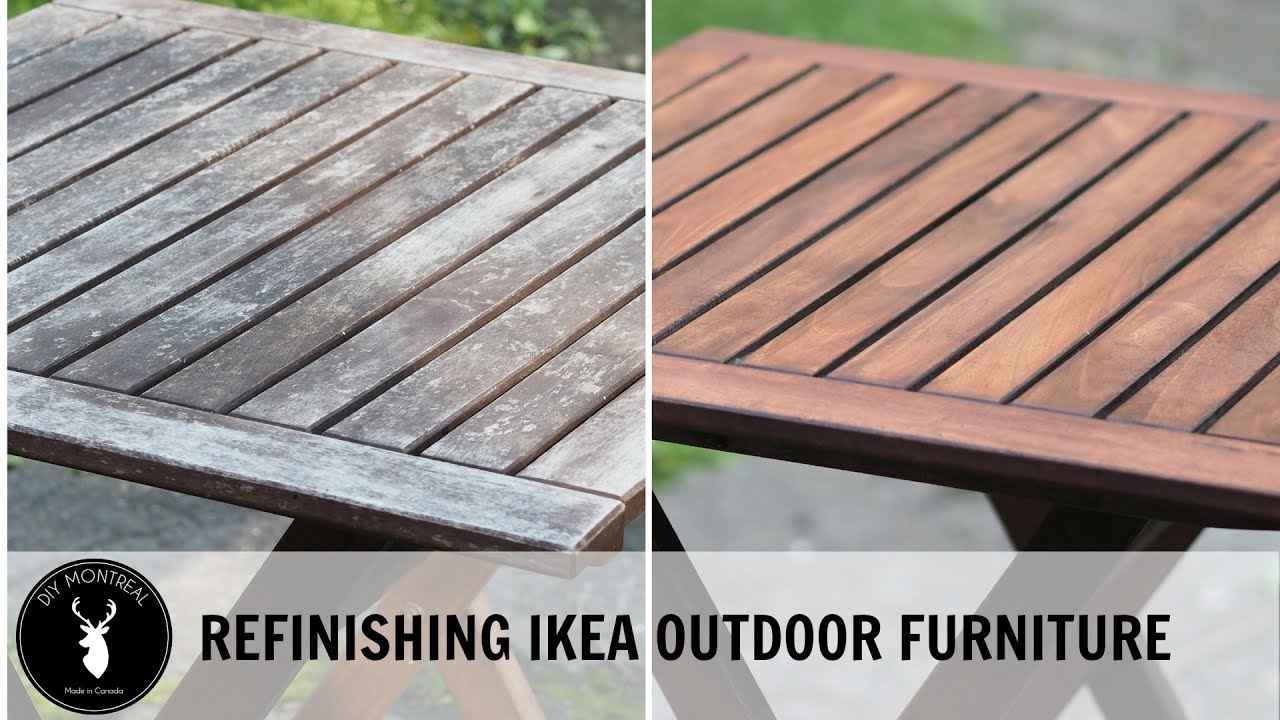
Check your furniture for fading or peeling stain. Reapply stain every one to two years to keep the wood protected. Lightly sand the surface before applying new stain for better grip. Choose the same type of stain to maintain color consistency. This step renews the wood’s look and shields it from weather damage.
Protecting Against Sun And Moisture
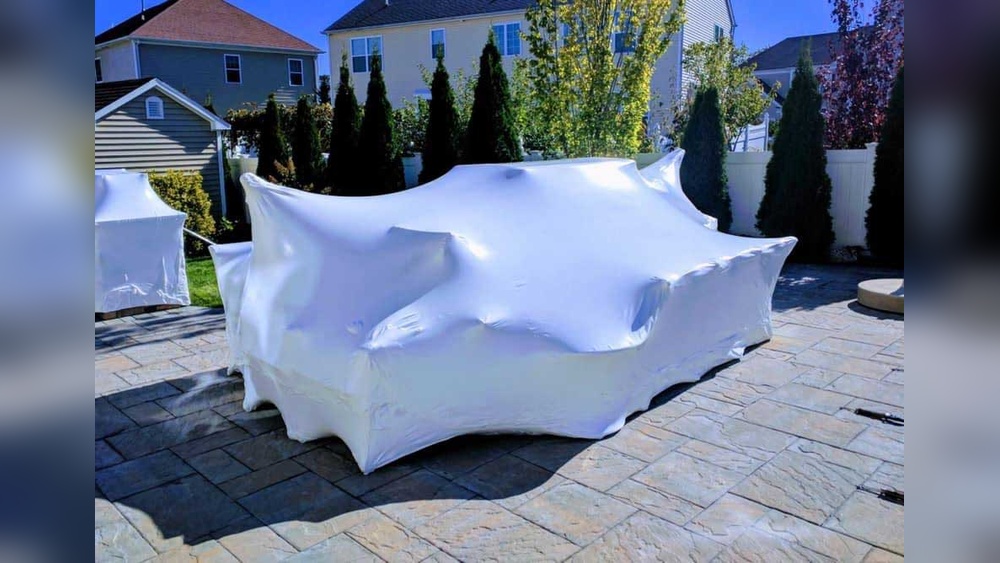
Place furniture in shaded areas when possible to limit sun exposure. Use covers during heavy rain or snow to prevent moisture damage. Good ventilation helps furniture dry faster after rain. Applying a clear sealant over the stain adds extra protection. These actions reduce cracking, warping, and fading over time.
Common Mistakes To Avoid
Choosing the right stain for outdoor furniture is important. Many people make simple mistakes that ruin their work. Avoiding these errors helps your furniture look great and last longer.
Applying Stain On Dirty Surfaces
Staining on dirty wood stops the stain from soaking in well. Dirt, dust, and old paint block the wood. Clean the surface with a brush and soap first. Let it dry completely before staining.
Using Wrong Stain Type
Not all stains work well outside. Some stains are for indoor use only. Outdoor furniture needs stains that resist water and sun damage. Use oil-based or specially made outdoor stains for best results.
Ignoring Weather Conditions
Weather affects how the stain dries and sticks. Staining in rain or high humidity can cause blotches. Too much sun can dry the stain too fast. Choose a dry, mild day with little wind for staining.
Credit: www.youtube.com
Credit: www.furnitureclinic.co.uk
Frequently Asked Questions
What Type Of Stain Is Best For Outdoor Furniture?
Oil-based stains are ideal for outdoor furniture. They penetrate wood deeply, offering better protection against moisture and UV rays. These stains enhance wood grain and provide long-lasting durability, making them perfect for outdoor use.
How Long Does Outdoor Furniture Stain Last?
Outdoor furniture stain typically lasts 2 to 3 years. Factors like weather exposure, wood type, and stain quality affect its lifespan. Regular maintenance and reapplication can extend its durability and keep your furniture looking fresh.
Can I Use Waterproof Stain On Outdoor Furniture?
Yes, waterproof stains are excellent for outdoor furniture. They prevent water damage and reduce wood swelling or cracking. Choose a breathable waterproof stain to allow moisture to escape, preventing mold and prolonging furniture life.
Should I Prep Wood Before Staining Outdoor Furniture?
Proper prep is essential before staining outdoor furniture. Clean the surface, sand it smooth, and remove old finishes. This ensures better stain absorption, a smooth finish, and longer-lasting protection for your furniture.
Conclusion
Choosing the right stain protects your outdoor furniture well. It helps wood resist sun, rain, and dirt. Oil-based stains last longer but need more care. Water-based stains dry fast and clean up easily. Pick a stain that matches your wood type and style.
Regular staining keeps furniture looking fresh and strong. A good stain saves money by preventing damage. Enjoy your outdoor space with furniture that stays beautiful. Simple steps make a big difference in maintenance. Staining right means your furniture lasts through many seasons.