Choosing the right wood for your outdoor furniture can feel overwhelming. You want something that looks great, lasts long, and stands up to the weather.
But how do you pick the best wood that matches your style and needs? You’ll discover the top wood options that combine beauty, strength, and durability. By the end, you’ll feel confident about making a choice that keeps your outdoor space inviting and comfortable for years to come.
Keep reading to find the perfect wood for your outdoor furniture!

Credit: www.reddit.com
Types Of Wood For Outdoor Furniture
Choosing the right wood for outdoor furniture matters. Wood type affects durability, appearance, and maintenance. Some woods resist weather and insects better than others. Knowing the types of wood helps pick the best option for your needs.
Hardwoods Vs Softwoods
Hardwoods come from broad-leaf trees. They are dense and strong. Hardwoods last longer outside. They resist decay and damage well.
Softwoods come from pine or fir trees. They grow faster and cost less. Softwoods are lighter but less durable. They need more care to last outdoors.
Popular Hardwood Choices
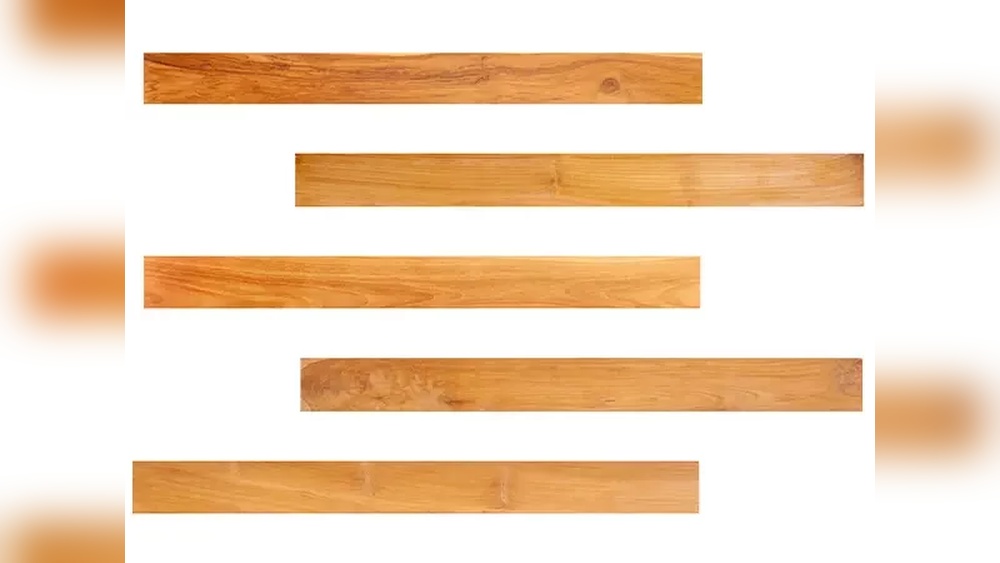
Teak is famous for outdoor use. It has natural oils that stop rot and bugs. It stays strong for years without much care.
Cedar smells good and repels insects. It resists moisture and warping. Cedar furniture looks great and lasts well.
Mahogany is rich in color and tough. It handles weather changes without cracking. It requires occasional sealing to keep its shine.
Common Softwood Options
Pine is affordable and easy to work with. It needs treatment to resist water and insects. Treated pine can last several seasons outside.
Redwood has natural resistance to decay. It is lighter than hardwood but still sturdy. Redwood furniture looks warm and inviting.
Spruce is less common but budget-friendly. It requires sealing and protection from moisture. Spruce works best in covered outdoor areas.
Durability And Weather Resistance
Choosing the right wood for outdoor furniture is key to making it last long. Durability and weather resistance are the top factors. Wood outdoors faces rain, sun, bugs, and changes in temperature. Not all woods can handle these challenges well. Understanding how wood resists moisture, insects, and sun damage helps pick the best type.
Moisture Resistance
Outdoor wood must handle water without warping or rotting. Some woods absorb less water, so they stay strong longer. Teak and cedar are good examples. These woods have natural oils that keep moisture out. This makes them perfect for rainy or humid places. Wood with low moisture resistance will crack and break fast.
Insect And Rot Resistance
Wood outside can attract bugs like termites. Some types have natural chemicals that repel insects. Redwood and cypress are known for this quality. They also resist rot caused by fungi. Choosing wood with these traits reduces damage and repair costs. Untreated wood often falls apart due to bugs and rot.
Uv Protection
The sun’s rays can fade and weaken wood over time. Woods like teak have natural oils that protect against UV damage. This keeps the wood looking good for years. Without UV protection, wood can dry out and crack. Finishes and stains also help block harmful sun rays.
Maintenance Requirements
Choosing the right wood for outdoor furniture is only part of the process. Understanding the maintenance requirements helps keep your furniture beautiful and strong. Different woods need different care to last long outdoors.
Oiling And Sealing
Oiling wood protects it from drying and cracking. Apply oil every few months to keep the wood hydrated. Use a brush or cloth to spread the oil evenly. Sealing creates a barrier against water and sun damage. Reapply sealant as needed to maintain protection. Regular oiling and sealing extend the wood’s life and keep it looking fresh.
Cleaning Tips
Clean outdoor wood furniture regularly to remove dirt and dust. Use a soft brush or cloth with mild soap and water. Avoid harsh chemicals that can damage the wood’s surface. Rinse well and let the furniture dry completely. Clean furniture stays attractive and prevents mold or mildew growth.
Longevity With Proper Care
Proper care can double the life of outdoor wood furniture. Regular oiling, sealing, and cleaning keep wood strong and healthy. Store furniture indoors or cover it during harsh weather. Small efforts in maintenance save money and time in the long run. Well-maintained wood furniture remains a beautiful part of your outdoor space for years.
Aesthetic Qualities
Choosing the right wood for outdoor furniture is more than strength and durability. The look of the wood plays a big role in the overall feel of your space. Wood’s natural beauty can bring warmth and style to your garden or patio. Understanding the wood’s aesthetic qualities helps you pick the best match for your outdoor area.
Grain Patterns And Colors
Wood grain patterns vary widely. Some woods have tight, straight grains. Others show swirls or knots. These patterns add character and uniqueness to each piece. Color also matters. Woods range from pale beige to deep red or dark brown. Some even have reddish or golden hues. Choose grain and color that fit your outdoor style.
Aging And Patina Effects
Outdoor wood changes over time. Sun and rain cause natural aging. Some woods turn silvery gray with age. Others darken or develop a rich patina. This aging adds charm and a rustic look. Think about how you want your furniture to look years later. Pick wood that ages in a way you like.
Matching Style Preferences
Wood type affects your furniture’s style. Smooth, light woods suit modern looks. Dark, richly grained woods fit classic or rustic designs. Consider your home’s exterior and garden. Match wood to complement your overall style. This creates a balanced, pleasing outdoor space.
Cost Considerations
Choosing the right wood for outdoor furniture involves thinking about cost. Wood prices vary widely depending on type and quality. Balancing price with durability is key to smart spending. This section breaks down cost factors to help you decide.
Initial Investment
Some woods cost more to buy at first. Teak and mahogany are examples of pricier options. These woods resist weather and last long. Cheaper woods like pine or cedar cost less upfront. They may need more care over time.
Long-term Value
Expensive woods often save money later. They need less repair and replacement. This lowers ongoing costs. Less durable woods may look good at first. But they can warp, crack, or fade faster. This means extra spending on maintenance or new furniture.
Budget-friendly Alternatives
Good woods exist for tight budgets too. Cedar resists insects and is affordable. Treated pine offers decent durability at a low price. Composite woods blend wood fibers and plastic. They cost less and resist weather well. These options balance price and performance nicely.
Credit: www.reddit.com
Sustainability And Environmental Impact
Choosing wood for outdoor furniture affects the environment. Sustainable choices help protect forests and reduce waste. Understanding the impact guides better decisions for your garden or patio.
Sourcing And Certifications
Wood from well-managed forests supports nature. Look for certifications like FSC or PEFC. These labels show wood is harvested responsibly. Certified wood helps keep forests healthy and diverse. It also ensures fair treatment of workers.
Eco-friendly Wood Choices
Some woods last longer outdoors without chemicals. Teak, cedar, and redwood resist decay naturally. These woods reduce the need for harmful treatments. Choosing durable wood lowers replacement frequency. This choice saves resources and cuts waste.
Reclaimed And Recycled Wood
Using reclaimed wood limits the demand for new timber. Old wood often has unique character and strength. Recycling wood reduces landfill waste and pollution. It also preserves trees and natural habitats. Reclaimed wood brings history and style to furniture.
Best Wood Types For Specific Climates
Choosing the right wood for outdoor furniture depends on the climate. Wood reacts differently to moisture, heat, and cold. Using wood suited for your climate helps furniture last longer. Below are the best wood types for specific climates.
Wet And Humid Areas
Wood in wet climates needs to resist moisture and decay. Teak is a top choice. It has natural oils that protect against water. Cedar also works well. It resists rot and insects. Redwood is another good option. It handles humidity without warping or cracking. Avoid softwoods that absorb water easily.
Dry And Hot Regions
Heat and dryness can make wood crack and fade. Ipe is a dense hardwood that handles sun and heat well. Eucalyptus is strong and resists splitting. Acacia is another choice that tolerates dry conditions. These woods need less maintenance under strong sun. Avoid woods that dry out and become brittle.
Temperate Zones
Temperate areas have moderate weather with some rain and sun. Cedar is popular here due to its durability. Teak also does well in mild climates. Pine can work if sealed and treated properly. These woods balance strength and beauty in changing weather. Regular care helps maintain their look and life.

Credit: www.reddit.com
Tips For Selecting Outdoor Wood Furniture
Selecting the right wood for outdoor furniture is important for durability and style. Good wood stands up to weather and looks great over time. This guide helps you pick wood that fits your needs and outdoor space.
Identifying Quality Wood
Choose wood that resists rot and insects. Teak, cedar, and redwood are strong choices. Look for tight grain and smooth texture. Avoid wood with cracks or knots. These can weaken the furniture.
Inspecting Construction
Check how the furniture is made. Joints should be tight and secure. Screws or bolts are better than nails. Look for even sanding and smooth edges. Solid construction means longer life.
Complementing Outdoor Spaces
Pick wood that matches your outdoor style. Light woods brighten small spaces. Dark woods add warmth to large areas. Consider wood color and finish with plants and décor. Harmony creates a welcoming outdoor area.
Frequently Asked Questions
What Wood Is Best For Outdoor Furniture Durability?
Teak wood is the best for outdoor furniture durability. It resists moisture, insects, and decay naturally. Teak requires minimal maintenance and ages beautifully, making it ideal for long-lasting outdoor use.
How Does Cedar Wood Perform Outdoors?
Cedar wood is naturally resistant to rot and insects. Its lightweight nature makes it easy to work with. Cedar also has a pleasant aroma and ages to a silver-gray patina, enhancing outdoor aesthetics.
Is Pressure-treated Wood Safe For Outdoor Furniture?
Yes, pressure-treated wood is safe and affordable for outdoor furniture. It resists rot and insect damage due to chemical treatments. However, sealing is recommended to protect it from weather and prolong its lifespan.
What Maintenance Does Outdoor Wood Furniture Require?
Outdoor wood furniture needs regular cleaning and sealing. Applying a protective finish yearly prevents moisture damage. Sanding and refinishing restore appearance and extend furniture life, ensuring it stays attractive and durable.
Conclusion
Choosing the right wood helps your outdoor furniture last longer. Hardwoods like teak and cedar resist weather well. Softwoods need extra care but can still work. Treat wood regularly to protect it from damage. Remember, good wood keeps your furniture strong and beautiful.
Enjoy your outdoor space with the best wood for your needs.