Choosing the right material for your outdoor patio furniture can feel overwhelming. You want pieces that look great and stand up to sun, rain, and wind without falling apart.
After all, your patio is your favorite spot to relax, entertain, and enjoy the fresh air. So, how do you make sure your furniture lasts for years to come? You’ll discover which materials truly stand the test of time outdoors.
By the end, you’ll know exactly what to look for to protect your investment and create a beautiful, durable patio space you’ll love every day. Keep reading to find out which outdoor furniture materials are built to last.
Credit: todayspatio.com
Top Durable Materials
Choosing the right material for outdoor patio furniture is key to lasting enjoyment. Durable materials resist weather and wear. They keep your furniture looking good for years. This section explains top materials known for their strength and longevity.
Each material offers unique benefits. Some handle rain and sun better. Others resist rust or cracking. Knowing these details helps pick furniture that stays strong outdoors.
Teak Wood Strength
Teak wood is famous for lasting decades outside. It contains natural oils that repel water and insects. This wood resists warping and cracking. Over time, teak develops a beautiful silver-gray patina. It needs little maintenance to stay strong. Teak furniture blends well with many outdoor styles.
Aluminum Benefits
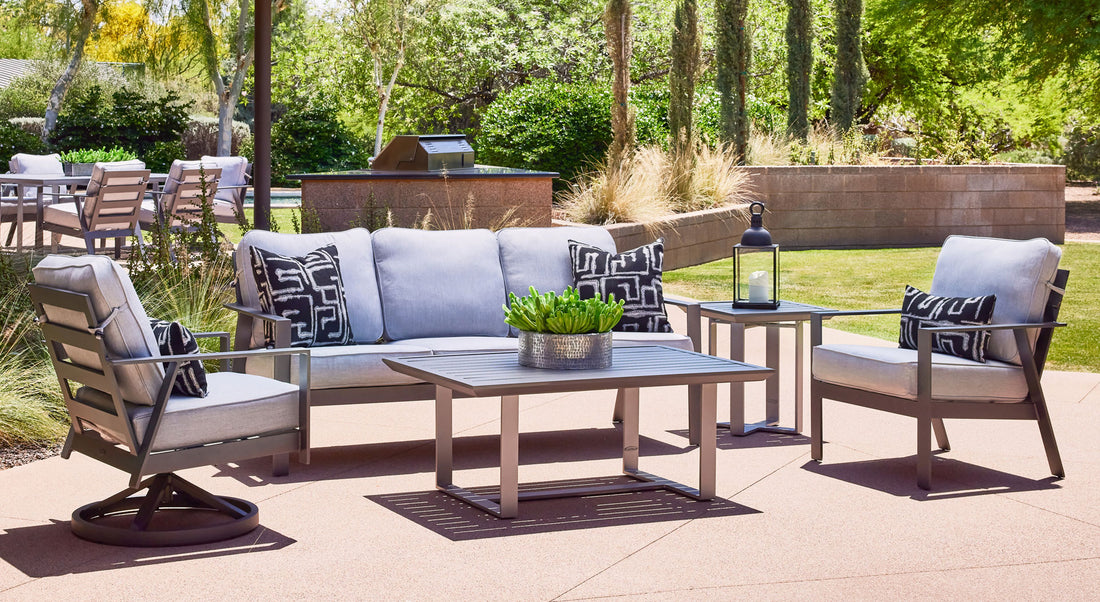
Aluminum furniture is lightweight and rust-resistant. It does not corrode in rain or snow. Aluminum frames stay strong without heavy care. The metal can be powder-coated for extra protection. This coating also adds color and style. Aluminum suits modern and classic patio looks.
Synthetic Rattan Resilience
Synthetic rattan looks like natural wicker but lasts longer. It is made from plastic fibers that resist fading and cracking. This material handles sun, rain, and humidity well. Synthetic rattan requires little upkeep. It is easy to clean and flexible in design. This makes it a popular choice for outdoor lounges.
Steel And Iron Durability
Steel and iron offer strong support for outdoor furniture. They hold heavy weight without bending. These metals can rust but protective coatings prevent this. Powder-coating adds color and shields metal from moisture. Iron and steel furniture often have classic, elegant designs. They work well in many outdoor spaces.
Plastic And Polypropylene Options
Plastic and polypropylene furniture are affordable and low-maintenance. They resist water and mold easily. These materials do not rust or rot. Plastic pieces are lightweight and easy to move. Polypropylene is strong and flexible, ideal for various styles. This furniture is great for casual outdoor settings.
Weather Resistance Factors
Outdoor patio furniture faces many weather challenges. Choosing the right material means understanding how weather affects durability. Weather resistance factors help you pick furniture that lasts longer. These factors include sunlight, rain, wind, and temperature changes.
Each element impacts furniture differently. Knowing these effects guides you to better choices. Here are key weather resistance factors to consider.
Sunlight And Uv Protection
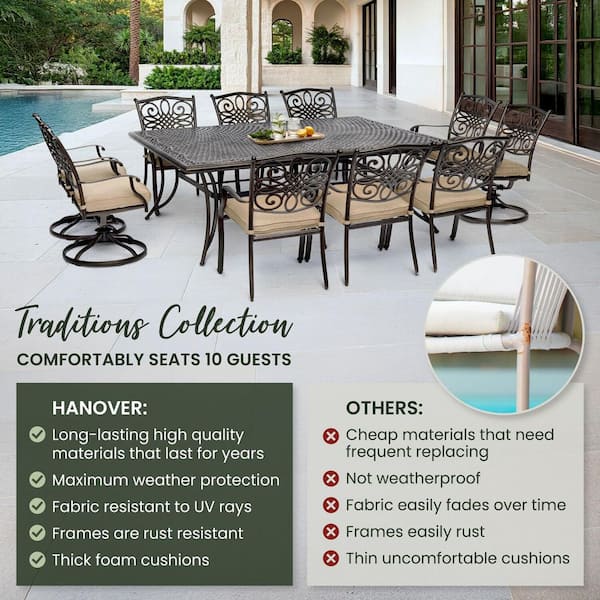
Sunlight can fade colors and weaken materials. UV rays break down plastics and fabrics over time. Furniture with UV-resistant coatings stays vibrant longer. Materials like teak and aluminum resist sun damage well. Look for fabrics labeled as UV-protected for cushions.
Rain And Moisture Impact
Rain causes rust, mold, and wood rot. Metals like aluminum and stainless steel resist rust better. Synthetic wicker and treated wood handle moisture well. Avoid untreated wood or iron outdoors without protection. Cushions should dry quickly to avoid mold growth.
Wind And Storm Durability
Strong winds can tip or damage light furniture. Heavy materials like cast aluminum offer better stability. Look for designs with low profiles to reduce wind impact. Secure cushions and lightweight pieces during storms to prevent loss.
Temperature Fluctuations
Hot and cold changes cause materials to expand and contract. This can lead to cracks or warping. Metals like aluminum handle temperature swings without damage. High-quality synthetic fibers resist cracking better than natural ones. Choose materials tested for outdoor temperature ranges.
Maintenance Tips For Longevity
Outdoor patio furniture faces sun, rain, wind, and dust every day. Taking good care of it helps keep it strong and looking nice. Simple steps can make your furniture last many years. This section shares easy maintenance tips to protect your investment and keep your patio inviting.
Cleaning Best Practices
Clean your furniture regularly to avoid dirt buildup. Use mild soap and warm water for most materials. Avoid harsh chemicals that can damage surfaces. A soft brush or cloth works best to remove grime. Rinse well with clean water and dry with a towel. Clean cushions separately and follow their care instructions.
Protective Coatings
Apply protective coatings to guard against weather damage. Use sealants for wood to prevent moisture absorption. Metal furniture benefits from rust-resistant sprays or paint. Plastic pieces need UV protectant sprays to reduce fading. Reapply coatings as recommended to maintain protection. These layers help furniture stay strong and look new longer.
Storage Solutions
Store furniture indoors during harsh weather or winter months. Use waterproof covers if indoor storage is not possible. Covers should fit well and allow air circulation to prevent mold. Keep furniture off the ground to avoid moisture damage. Proper storage reduces wear and extends the life of your pieces.
Repair And Upkeep
Check furniture regularly for loose screws or broken parts. Tighten screws and bolts to keep items sturdy. Replace damaged cushions or fabric promptly to avoid further wear. Sand and refinish wood surfaces to fix scratches and cracks. Small repairs prevent bigger problems and keep furniture safe to use.
Comfort And Style Considerations
Choosing outdoor patio furniture means balancing comfort and style. Durable materials are important. Yet, the look and feel matter too. Your outdoor space should invite relaxation and impress guests. Comfort and style go hand in hand for the best experience.
Material Aesthetics
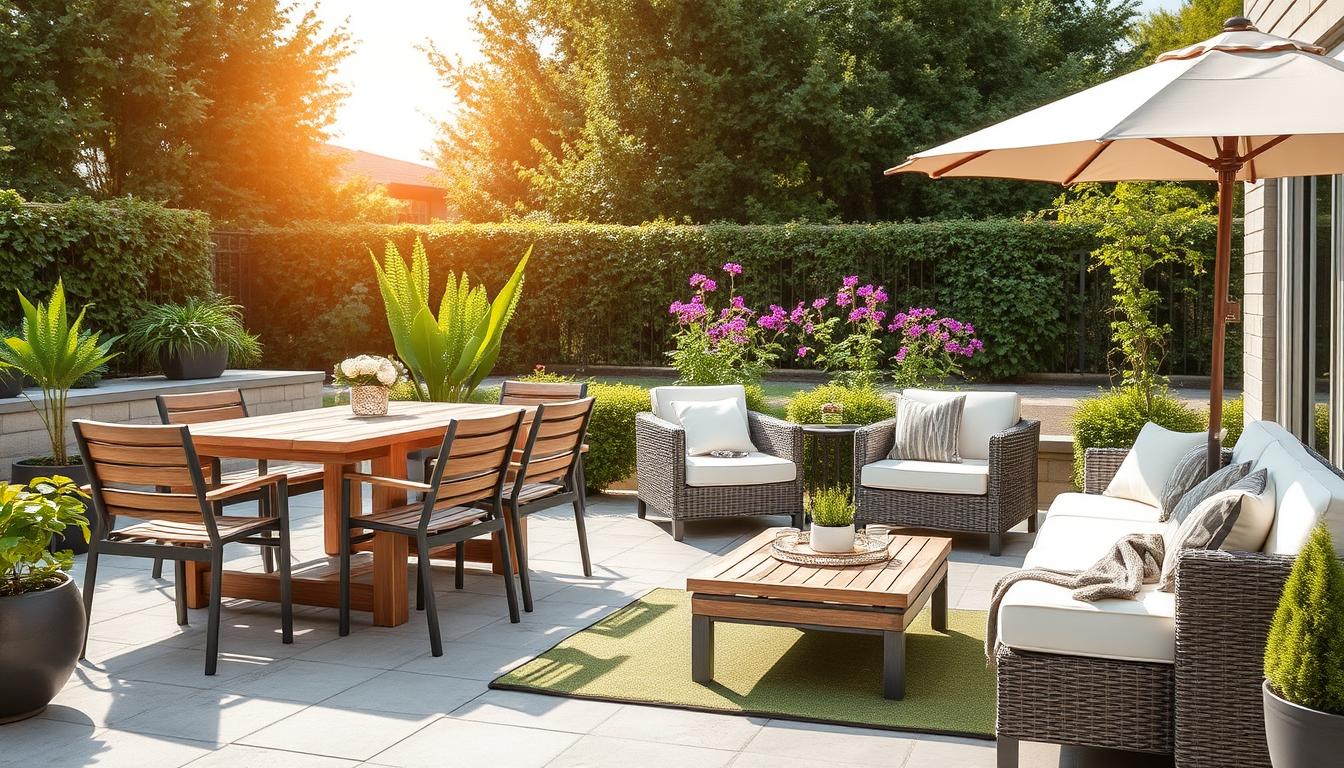
Materials shape the furniture’s look. Wood offers a classic, warm feel. Metal provides a modern, sleek style. Wicker adds a natural, cozy touch. Each material fits different outdoor themes. Pick one that matches your garden or porch vibe.
Cushion And Fabric Choices
Cushions boost comfort and add color. Fabrics must resist sun and rain. Look for water-resistant, fade-proof options. Soft cushions invite long, relaxing hours. Choose colors that complement your furniture and surroundings.
Design Trends
Simple, clean lines suit most outdoor spaces. Rounded edges feel welcoming and safe. Mixing materials creates unique styles. Popular trends include natural tones and earthy colors. Adapt designs to your taste and outdoor setting.
Cost Vs Longevity Comparison
Choosing outdoor patio furniture means thinking about cost and how long it will last. A cheap set might save money now but wear out fast. A costly set can last many years and feel better over time. This section compares these factors so you can decide what fits your budget and needs.
Initial Investment
Some materials cost more at the start. Teak and metal tend to be pricier than plastic or wicker. Higher price means better quality parts and stronger build. You pay more upfront, but the furniture may stay good longer.
Long-term Value
Long-lasting furniture saves money over time. Materials like aluminum resist rust and need little care. Wood like teak resists weather but needs oiling to stay strong. Cheap furniture may break or fade, costing more to replace or repair.
Warranty And Guarantees
Long warranties show confidence in the product. Many high-end pieces come with 5 to 10 years coverage. This protects your purchase against defects and damage. Shorter or no warranty often means lower quality and more risk.
Credit: homeflux.org
Credit: www.martinispa.com
Frequently Asked Questions
What Is The Most Durable Material For Outdoor Patio Furniture?
Teak wood is the most durable material for outdoor patio furniture. It resists rot, insects, and weather damage naturally. Its dense grain keeps it strong for years. Proper maintenance extends its lifespan significantly.
How Does Aluminum Furniture Hold Up Outdoors?
Aluminum patio furniture is lightweight and rust-resistant. It withstands moisture and harsh weather without corroding. This material requires minimal upkeep and stays durable for many seasons. It’s ideal for coastal or humid climates.
Is Synthetic Wicker Good For Outdoor Use?
Yes, synthetic wicker is excellent for outdoor use. Made from resin, it resists fading, cracking, and moisture damage. It mimics natural wicker but lasts much longer with less maintenance. Perfect for stylish and weatherproof furniture.
Can Plastic Patio Furniture Last Long Outside?
High-quality plastic furniture can last several years outdoors. It’s resistant to water, insects, and rust. However, prolonged sun exposure may cause fading or brittleness over time. UV-resistant plastics improve longevity significantly.
Conclusion
Choosing the right material ensures your patio furniture lasts many years. Metal, teak, and synthetic wicker resist weather well. Each has its own benefits and care needs. Think about your climate and how much maintenance you want. Durable furniture saves money and keeps your outdoor space beautiful.
A good choice means more time enjoying your patio, less time fixing it. Keep these points in mind for lasting comfort and style. Your outdoor area deserves furniture that stands strong season after season.

