Choosing the right material for your outdoor furniture can make all the difference between a cozy backyard retreat and a space that quickly wears out. You want something that not only looks great but can also handle sun, rain, and everything in between.
But with so many options available, how do you pick the best one for your needs? You’ll discover the top materials for outdoor furniture, their pros and cons, and how to make your space both stylish and durable. Keep reading to find out which material will transform your outdoor area into your favorite spot to relax.
Credit: vevano.com
Types Of Outdoor Furniture Materials
Choosing the right material for outdoor furniture affects its look, feel, and lifespan. Different materials offer unique benefits and challenges. Some resist weather well, while others provide great comfort. Understanding these options helps you pick furniture that suits your style and climate.
Wood Varieties
Wood is a classic choice for outdoor furniture. It offers natural beauty and warmth. Teak is very popular because it resists water and pests. Cedar and redwood also resist rot and insects. Pine is cheaper but needs regular sealing. Wood requires some care to stay strong and look good.
Metal Options
Metal furniture is sturdy and lasts long. Aluminum is lightweight and does not rust. Steel is strong but may need coatings to stop rust. Wrought iron looks elegant but is heavy and can rust without protection. Metal furniture often has a modern or classic style.
Synthetic Materials
Synthetic materials include plastic, resin, and synthetic wicker. These are easy to clean and resist weather damage. Resin furniture can mimic wood or wicker styles. Plastic is affordable but less durable. Synthetic wicker is flexible and looks natural but lasts longer outdoors.
Natural Fibers
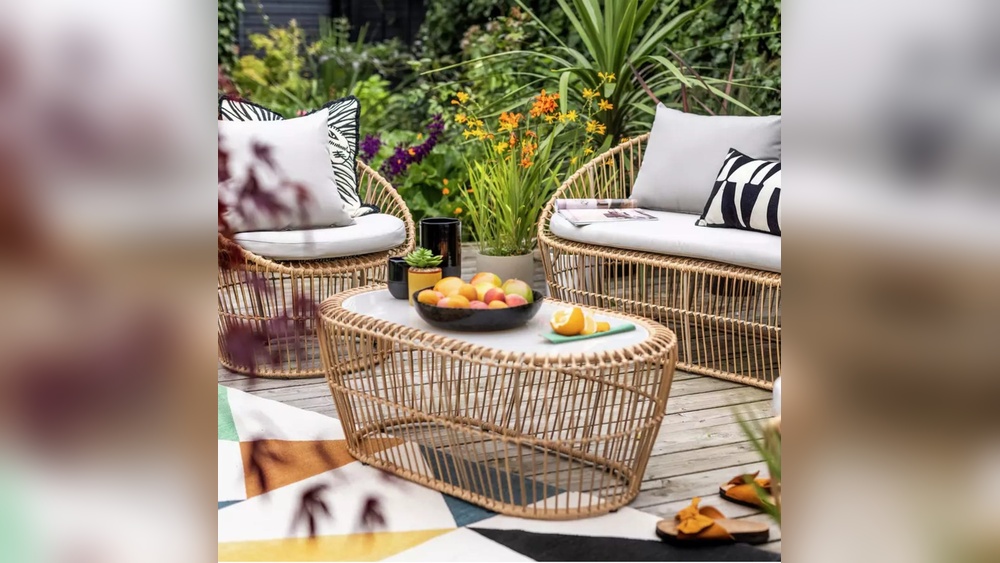
Natural fibers like rattan and bamboo offer a cozy, tropical feel. They are lightweight and eco-friendly. These materials need protection from rain and sun to last. Usually, natural fiber furniture is used in covered outdoor spaces. They bring warmth and texture to outdoor areas.
Credit: www.phifer.com
Durability Factors To Consider
Choosing the right material for outdoor furniture depends on several durability factors. These factors help your furniture last longer and stay attractive. Understanding these points saves you time and money on repairs and replacements.
Weather Resistance
Outdoor furniture faces sun, rain, wind, and sometimes snow. Materials like teak, aluminum, and synthetic wicker resist these elements well. Weather-resistant furniture does not fade, crack, or rust easily. This means your furniture stays strong through all seasons.
Maintenance Needs
Some materials need more care than others. Wood may require regular sealing or oiling to prevent damage. Metal can need rust protection and cleaning. Materials like plastic and resin need less upkeep. Choose something that fits your time and effort.
Longevity
Durable furniture lasts many years. Teak and metal often last longer than cheaper wood or plastic. High-quality materials hold up well to daily use and harsh weather. Investing in durable furniture avoids frequent replacements.
Comfort And Aesthetics
Comfort matters as much as durability. Some materials feel better to sit on, like wood or cushioned metal chairs. Look for materials that match your outdoor style and create a cozy space. Durable does not mean ugly or uncomfortable.
Popular Wood Choices
Wood is a classic choice for outdoor furniture. It offers natural beauty and strength. Different woods bring different benefits. Some woods resist weather well. Others have rich colors or unique grains. Choosing the right wood helps your furniture last longer and look great.
Here are some popular wood choices for outdoor furniture. Each type has special qualities that suit outdoor use.
Teak
Teak is famous for its durability and water resistance. It contains natural oils that protect it from rain and sun. Teak furniture can last for decades without warping. It has a warm, golden color that ages to a soft gray. Teak is low maintenance and very strong. It works well in all outdoor settings.
Cedar
Cedar is lightweight and easy to move. It naturally resists insects and decay. Cedar has a pleasant aroma that many enjoy. Its reddish color adds warmth to any space. Cedar wood can withstand moisture and temperature changes. It requires occasional sealing for best results.
Eucalyptus
Eucalyptus is a fast-growing wood that is eco-friendly. It is hard and dense, making it sturdy for furniture. Eucalyptus has a rich, reddish-brown tone. It resists rot and insects well. Regular oiling keeps eucalyptus furniture looking fresh. It is a good budget-friendly option for outdoor use.
Acacia
Acacia wood is strong and water-resistant. It has a deep, warm color with beautiful grain patterns. Acacia furniture is heavy and stable. It holds up well under rain and sun. This wood needs occasional oil treatment to stay smooth. Acacia combines beauty with durability for outdoor spaces.
Metal Furniture Materials
Metal furniture is popular for outdoor spaces. It offers strength and style that lasts. Metals resist weather well and add a modern or classic touch. This section explains common metal materials used for outdoor furniture. Each type has unique benefits for your patio or garden.
Aluminum
Aluminum is light and strong. It does not rust easily, making it perfect for outdoors. This metal stays cool in the sun. It requires little care. Aluminum furniture often has a smooth, sleek look. It is easy to move around the yard or deck.
Wrought Iron
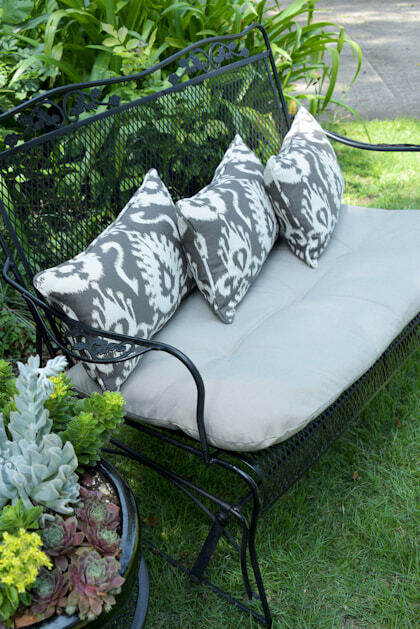
Wrought iron is heavy and very sturdy. It has a classic, elegant style. This metal can be shaped into detailed designs. It needs protection from rust with paint or sealant. Wrought iron adds a vintage charm to any outdoor setting.
Steel
Steel is strong and durable. It can hold up well in tough weather. Steel furniture is often coated to stop rust. It offers a modern, industrial look. This metal is heavier than aluminum but lighter than cast iron.
Cast Iron
Cast iron is the heaviest metal option. It is extremely durable and stable. This metal resists wind and stays in place. Cast iron furniture has a traditional, ornate style. It requires regular care to prevent rust and keep it looking good.
Synthetic And Composite Options
Synthetic and composite materials offer strong, low-maintenance options for outdoor furniture. These materials resist weather damage better than traditional wood. They last longer and keep their look with little effort. Many types mimic natural materials but avoid common problems like rot or fading.
Resin Wicker
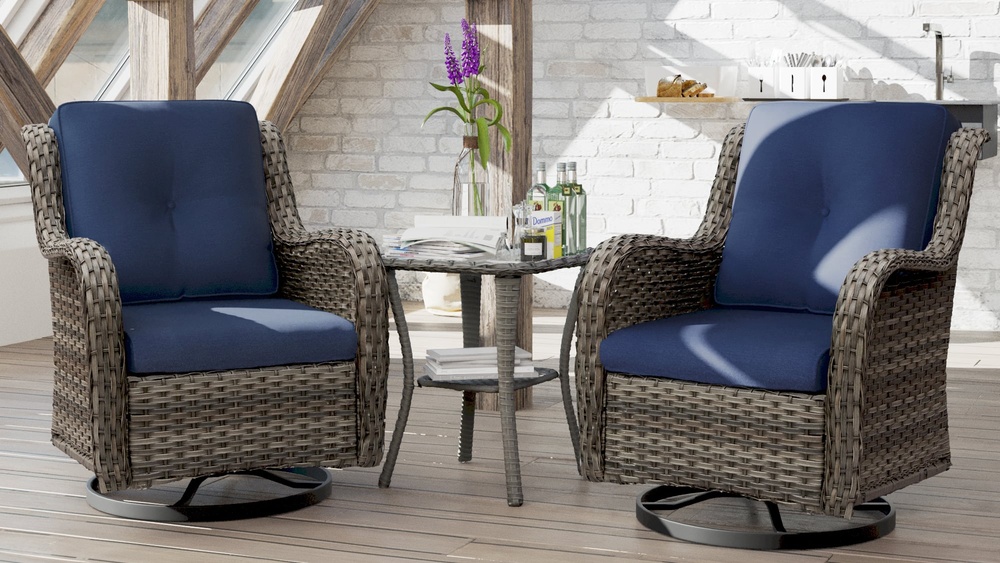
Resin wicker looks like traditional wicker but is made from synthetic fibers. It resists water, sun, and insects. This material does not crack or peel. It feels light and is easy to clean. Perfect for patio sets and lounge chairs.
Plastic
Plastic furniture is very affordable and lightweight. It does not rust or rot. Plastic can handle rain and sun without damage. It comes in many colors and shapes. Easy to move and store during bad weather.
Hdpe Lumber
HDPE lumber is made from recycled plastic. It looks like wood but needs no paint or stain. This material resists moisture and insects well. HDPE lumber is strong and does not splinter. A great choice for tables, benches, and decks.
Fiberglass
Fiberglass is a sturdy and lightweight material. It resists rust, rot, and fading from the sun. Fiberglass furniture often has a smooth, modern look. It holds up well in harsh weather. Simple to clean and very durable.
Natural Fibers For Outdoor Use
Natural fibers bring a warm and inviting feel to outdoor spaces. They offer a soft, organic look that blends well with nature. These materials are lightweight and often eco-friendly. Choosing natural fibers can create a cozy, relaxed atmosphere on patios or decks.
Rattan
Rattan is a popular choice for outdoor furniture. It comes from climbing palms found in tropical regions. Rattan is strong yet flexible, making it easy to weave into various shapes. It resists wear and can handle light rain and sun. Cover rattan furniture during heavy storms to keep it in good shape.
Bamboo
Bamboo grows quickly and is a renewable resource. It is sturdy and naturally resistant to moisture. Bamboo furniture adds a clean, modern look to outdoor areas. It needs occasional sealing to prevent cracking. With care, bamboo can last many seasons outside.
Seagrass
Seagrass is a tough, water-resistant fiber from coastal plants. It has a unique texture that adds character to furniture pieces. Seagrass works well for chairs, baskets, and small tables. It dries quickly after rain and holds up well in humid climates. Regular cleaning helps maintain its natural beauty.
Maintenance Tips For Each Material
Outdoor furniture needs care to stay nice and last longer. Different materials need different ways to clean and protect them. Proper maintenance helps keep furniture looking fresh and strong through all seasons. Follow simple tips for each material to save time and money.
Cleaning Techniques
Wood furniture needs gentle cleaning. Use a soft brush and mild soap with water. Rinse well and dry with a cloth. For metal, wipe with soapy water and a soft cloth. Avoid harsh chemicals that can damage the finish. Plastic furniture cleans easily with a sponge and soapy water. Rinse and dry to prevent stains. Wicker furniture requires careful dusting and vacuuming. Use a damp cloth for spots, and avoid soaking the material.
Protective Treatments
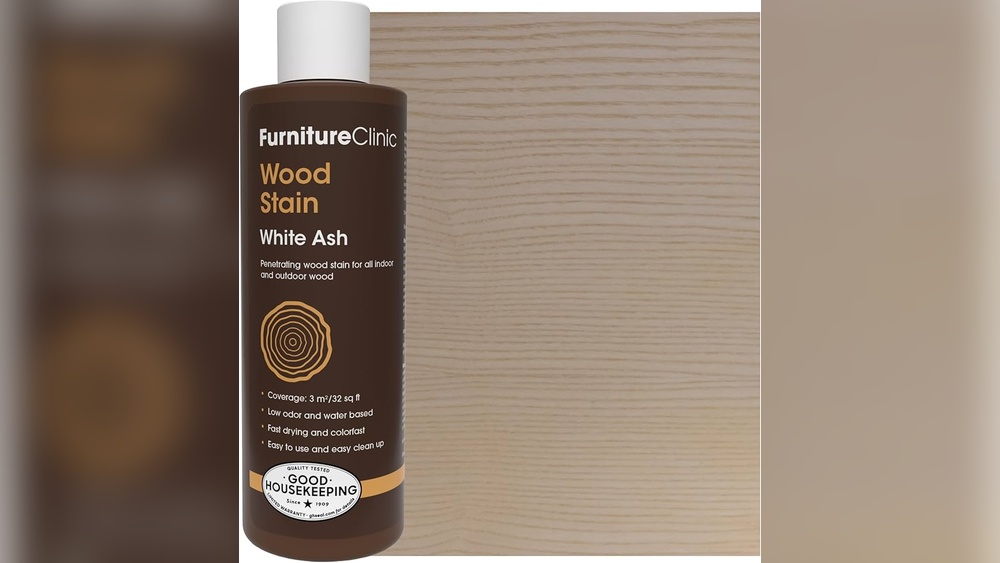
Wood benefits from oil or sealant to prevent drying and cracking. Apply treatments once or twice a year. Metal furniture needs rust protection; use a rust-resistant spray or paint. Plastic furniture may need UV protectant sprays to stop fading. Wicker should be treated with a clear coat to protect it from moisture and sun damage. Reapply protective treatments regularly to keep furniture safe.
Storage Advice
Store furniture in a dry, covered area during harsh weather. Use waterproof covers for extra protection. Wooden furniture should be stored off the ground to avoid moisture damage. Metal pieces need a dry place to prevent rust. Plastic furniture can stay outside but benefits from cover or shade. Wicker furniture must be kept indoors or in a dry shed to maintain shape and strength.
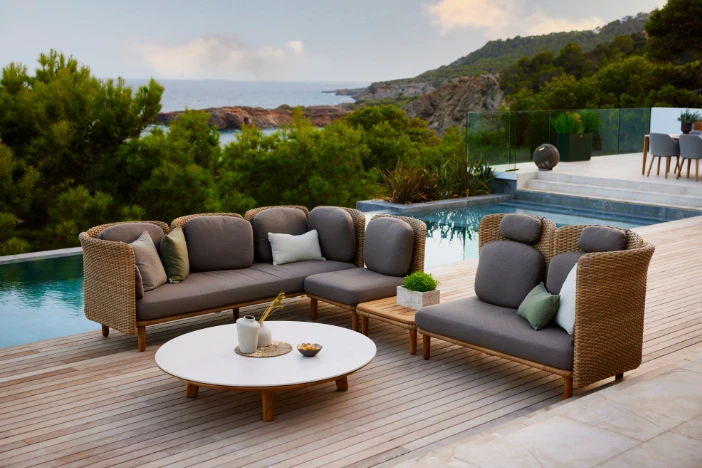
Credit: decoroutdoor.com
Choosing Material Based On Climate
Choosing the right material for outdoor furniture depends on the climate where you live. Different climates affect furniture in different ways. Picking the best material helps your furniture last longer and stay beautiful. Consider how moisture, heat, cold, and salt air impact your furniture before buying.
Humid Environments
In humid areas, moisture causes wood to swell and metal to rust. Look for materials that resist water damage and mold. Teak wood is a good choice because it naturally repels water. Synthetic wicker also works well as it does not absorb moisture. Avoid iron or untreated wood, which can quickly deteriorate.
Dry And Hot Climates
Hot sun can fade and crack some materials. Choose furniture that handles heat without warping. Aluminum is lightweight and heat-resistant. Plastic and resin furniture also stay cool under the sun. Dark wood may absorb too much heat and dry out, so lighter woods or metals work better.
Cold And Snowy Regions
Freezing temperatures can cause some materials to crack or become brittle. Metals like aluminum and stainless steel tolerate cold well. Look for furniture with protective coatings to prevent rust. Avoid porous woods that absorb water and freeze, as this leads to damage. Store cushions inside during winter to keep them dry.
Coastal Areas
Salt air near the coast speeds up rust and corrosion. Choose rust-resistant metals like aluminum or stainless steel. Teak and synthetic wicker also resist salty conditions. Avoid iron or untreated wood, which can degrade fast. Regular cleaning helps remove salt and keeps furniture in good shape.
Cost Vs. Durability Comparison
Choosing outdoor furniture means balancing cost and durability. This balance helps you get the best value for your money. Some materials cost less upfront but wear out quickly. Others need a bigger initial investment but last many years.
Understanding this balance helps make smart choices. It prevents spending too much on items that break fast. It also avoids buying cheap furniture that needs constant replacement.
Initial Investment
Outdoor furniture materials vary widely in price. Plastic and aluminum often have low initial costs. Wood and wrought iron usually cost more at the start. High-end materials like teak demand the highest upfront price. The initial cost reflects the quality and expected lifespan.
Long-term Value
Durability adds value over time. Strong materials like teak and metal resist weather and damage. They need less frequent replacement. Cheaper materials might degrade in months or years. Spending more now can save money later. Long-lasting furniture offers comfort and style without extra costs.
Repair And Replacement
Some materials are easier to repair than others. Wood can often be sanded and refinished. Metal may need rust treatment or repainting. Plastic is hard to fix and often replaced. Repair costs add to the total expense. Durable materials reduce repair frequency and replacement costs.
Eco-friendly Outdoor Furniture Options
Choosing eco-friendly outdoor furniture helps protect nature and reduce waste. It supports a cleaner environment and healthy living spaces. Such furniture often lasts long and uses fewer resources. It also adds a natural look to your outdoor area.
Sustainable Materials
Sustainable materials come from sources that renew quickly. Bamboo is one popular choice. It grows fast and needs little water. Teak wood is another option. It resists weather and insects without chemicals. Both materials create sturdy, stylish furniture.
Recycled Content
Furniture made from recycled materials reduces landfill waste. Plastic lumber made from recycled bottles is common. It looks like wood but needs less care. Metal furniture often uses recycled steel or aluminum. These options save energy and raw materials.
Biodegradable Choices
Biodegradable furniture breaks down naturally after use. It leaves no harmful residues in soil or water. Materials like natural rattan and cork fit this category. They are light, flexible, and eco-friendly. Choosing biodegradable furniture means less pollution long term.
Frequently Asked Questions
What Are The Best Materials For Outdoor Furniture?
The best materials include teak, aluminum, wicker, and stainless steel. These resist weather, last long, and require low maintenance. Choose based on style and climate for durability and comfort.
How Does Weather Affect Outdoor Furniture Materials?
Weather impacts material durability and appearance. Sun can fade colors, while rain causes rust or mold. Choosing weather-resistant materials like teak or aluminum ensures longer furniture life and less upkeep.
Is Teak Wood Ideal For Outdoor Furniture?
Yes, teak wood is highly durable and weather-resistant. It contains natural oils that repel water and insects. Teak ages beautifully, requiring minimal maintenance for lasting outdoor use.
Are Metal Outdoor Furniture Frames Rust-resistant?
Aluminum and stainless steel frames resist rust effectively. They withstand moisture and harsh weather without corroding. Proper coatings also enhance rust resistance and extend furniture lifespan.
Conclusion
Choosing the right material affects your outdoor furniture’s look and lifespan. Think about weather, comfort, and care needs. Wood offers warmth but needs regular upkeep. Metal is strong and lasts long but can heat up. Plastic is light and easy to clean.
Resin wicker blends style with durability. Match materials to your climate and style. This helps you enjoy your outdoor space for years. Simple choices make a big difference in comfort and durability.