Choosing the right paint finish for your outdoor furniture can feel overwhelming. You want your pieces to look great, but they also need to stand up to sun, rain, and wear.
The finish you pick will protect your furniture and keep it looking fresh for seasons to come. If you’re unsure which option fits your needs best, this guide will clear things up. By the end, you’ll know exactly what paint finish to use to make your outdoor space both beautiful and durable.
Keep reading to discover the secret to long-lasting outdoor furniture that turns heads.
Types Of Paint Finishes
Choosing the right paint finish for outdoor furniture affects both look and durability. Paint finishes vary in shine and texture. Each type offers unique benefits for outdoor use. Knowing these helps in making the best choice for your furniture.
Some finishes hide imperfections well. Others highlight colors and add shine. Weather resistance also changes with finish type. Pick a finish that suits your style and outdoor needs.
Matte Finish
Matte finish has no shine and looks flat. It hides scratches and dirt easily. This finish gives a natural and soft look. Matte is good for rustic or vintage styles. It resists fading but can be harder to clean.
Satin Finish
Satin finish has a smooth, soft sheen. It reflects a little light for a gentle glow. Satin is easy to clean and resists moisture well. It works great for most outdoor furniture types. Satin balances style and durability nicely.
Glossy Finish
Glossy finish shines brightly and reflects light. It shows colors vividly and looks fresh. This finish is very easy to clean and waterproof. Glossy paint can reveal surface flaws easily. Best for modern or sleek outdoor pieces.
Semi-gloss Finish
Semi-gloss is between satin and glossy finishes. It offers a moderate shine that is not too bright. This finish is durable and moisture resistant. It cleans well and hides minor imperfections. Semi-gloss suits many outdoor furniture styles.
Factors Affecting Durability
Choosing the right paint finish for outdoor furniture depends on how long it lasts outside. Durability means the paint can protect furniture from damage. Several factors affect this durability. Understanding these helps pick the best finish for your needs.
Weather Resistance
Outdoor furniture faces wind, rain, and temperature changes. Paint must stand strong against these elements. A weather-resistant finish prevents cracking and peeling. It keeps the furniture looking good through all seasons.
Uv Protection
Sunlight can fade colors and weaken paint. UV protection blocks harmful rays from breaking down paint. This keeps colors bright and the surface intact for years. Paint with good UV protection extends the life of outdoor furniture.
Moisture Resistance
Water can cause paint to bubble and wood to rot. Moisture-resistant paint stops water from seeping in. It helps prevent mold and damage from rain or dew. This type of paint keeps furniture safe in wet conditions.
Scratch And Impact Resistance
Outdoor furniture gets bumped and scratched often. Paint with scratch and impact resistance holds up against rough use. It prevents chips and marks from spoiling the look. This finish keeps furniture looking fresh and new longer.
Best Paints For Outdoor Furniture
Choosing the right paint for outdoor furniture protects it from weather and wear. The best paints offer durability and a nice finish. They resist fading, cracking, and peeling. Different paints suit different materials like wood, metal, or plastic.
Acrylic Paints
Acrylic paints dry fast and are water-based. They work well on wood and metal surfaces. These paints are flexible, so they resist cracking in changing weather. Acrylics also offer good color retention under sunlight. Clean up is easy with soap and water.
Oil-based Paints
Oil-based paints create a hard, durable coat. They resist moisture and damage better than many others. These paints take longer to dry but provide a smooth finish. They are ideal for wood furniture that faces heavy wear. Use proper ventilation during application.
Chalk Paints
Chalk paints have a matte finish and are easy to apply. They create a vintage or rustic look on furniture. Chalk paints stick well without much surface prep. They need a protective topcoat to last outdoors. These paints suit wood and metal pieces.
Enamel Paints
Enamel paints offer a glossy, tough finish. They resist scratches and stains well. These paints work on wood, metal, and plastic furniture. Enamels dry to a hard surface that stands up to weather. They require thinner for cleanup and smooth application.
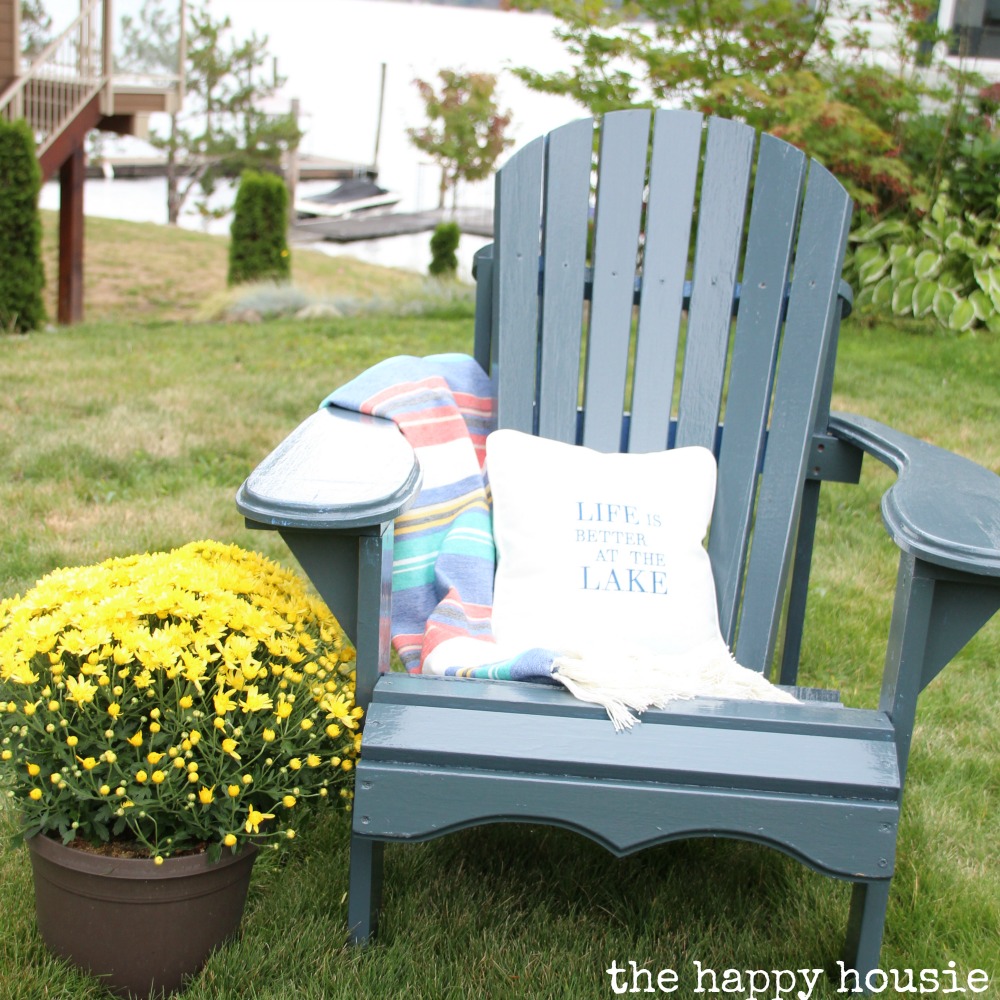
Credit: www.thehappyhousie.com
Preparation Tips For Outdoor Furniture
Preparing outdoor furniture before painting ensures a smooth finish and long-lasting results. Proper preparation helps the paint stick better and protects the furniture from weather damage. It takes time but improves the final look and durability.
Cleaning And Sanding
Start by cleaning the furniture to remove dirt, dust, and old paint chips. Use soap and water or a mild cleaner. Let it dry completely. Sand the surfaces with medium-grit sandpaper to create a smooth base. Sanding also helps paint stick better. Wipe away sanding dust with a clean cloth before painting.
Priming Surfaces
Apply a primer suitable for outdoor use. Primer seals the wood or metal and prevents peeling. It creates an even base for the paint color. Use a brush or spray for an even coat. Let the primer dry fully before adding paint. Skipping primer can cause the paint to peel quickly.
Choosing The Right Tools
Select brushes or rollers made for outdoor paint. Synthetic brushes work well for smooth finishes. Foam rollers cover large areas quickly. Use a small brush for tight spots and details. Clean tools after use to keep them in good condition for future projects.
Application Techniques
Applying paint to outdoor furniture requires the right techniques. Proper application ensures the paint lasts longer and looks smooth. Understanding different methods helps you choose what fits your project and skill level. This section explains key application techniques for outdoor furniture paint.
Brushing Vs Spraying
Brushing is the traditional way to paint furniture. It gives control and helps cover corners well. Brushes work best for small or detailed pieces. Spraying covers large areas fast and gives a smooth finish. Sprayers need skill to avoid drips and overspray. Choose brushing for precision and spraying for speed.
Number Of Coats
Applying multiple coats improves durability and color depth. One coat rarely covers well or protects fully. Two to three coats are ideal for outdoor furniture. Let each coat dry before adding the next. Thin, even layers work better than thick ones. More coats add stronger protection against weather.
Drying Times
Drying time depends on paint type and weather conditions. Oil-based paints take longer than water-based ones. Usually, wait 4 to 6 hours between coats. Avoid painting in high humidity or cold weather. Proper drying prevents peeling and ensures a lasting finish.

Credit: www.blesserhouse.com
Maintenance And Touch-ups
Maintaining outdoor furniture paint keeps it looking fresh and protects it from damage. Regular care helps prevent peeling, fading, and rust. Simple touch-ups can extend the life of your paint finish. This section guides you through easy steps to keep your furniture in top shape.
Regular Cleaning
Clean outdoor furniture often to remove dirt and dust. Use a soft brush or cloth with mild soap and water. Avoid harsh chemicals that can damage the paint. Rinse well and dry completely to stop mold or mildew. Regular cleaning keeps the paint finish strong and bright.
Spot Repairs
Check for chips or scratches on the paint surface. Small damages let moisture in, causing rust or rot. Use matching paint to cover spots quickly. Lightly sand rough edges before painting for better adhesion. Spot repairs stop damage from spreading and keep furniture looking neat.
Repainting Frequency
Outdoor furniture usually needs repainting every 2 to 4 years. This depends on weather exposure and paint quality. Inspect your furniture each season for signs of wear. Repaint sooner if the finish fades or peels. A fresh coat protects the wood or metal from harm.
Common Mistakes To Avoid
Choosing the right paint finish for outdoor furniture is important. Many people make simple mistakes that cause paint to peel or fade quickly. Avoiding these errors can save time and money. Here are common mistakes to avoid for a long-lasting finish.
Ignoring Weather Conditions
Outdoor furniture faces sun, rain, wind, and cold. Ignoring these conditions harms the paint. Paint may crack or wash away if weather is not considered. Choose paint designed for the climate. Apply paint on dry, mild days for best results.
Skipping Primer
Primer helps paint stick better to surfaces. Skipping this step can cause paint to peel fast. Primer also seals the furniture, protecting it from moisture. Always use a primer made for outdoor use before painting.
Using Inappropriate Paint Types
Not all paints work well outdoors. Indoor paints lack protection against weather damage. Use paint made for outdoor furniture. These paints resist fading, cracking, and water damage. Check labels to ensure paint fits your needs.
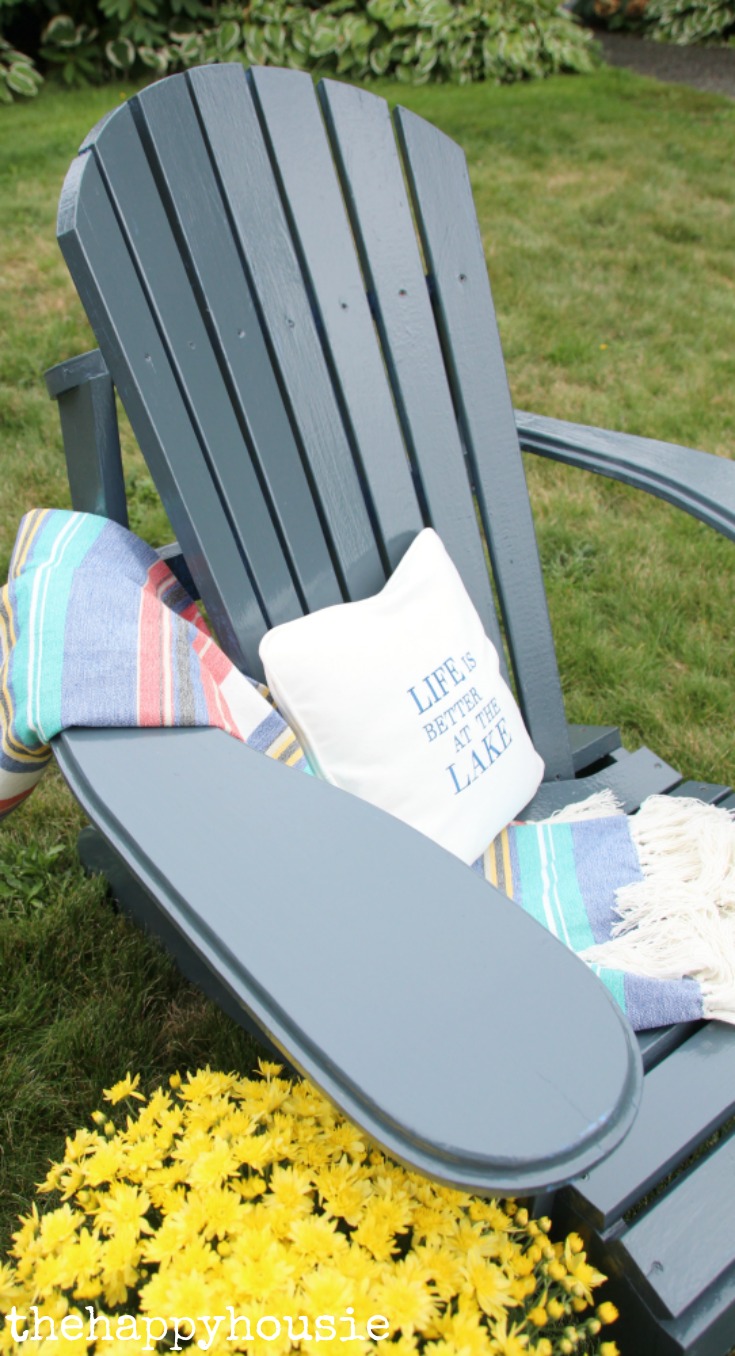
Credit: www.thehappyhousie.com
Frequently Asked Questions
What Is The Best Paint Finish For Outdoor Furniture?
The best paint finish for outdoor furniture is satin or semi-gloss. These finishes resist moisture, dirt, and fading. They offer durability and easy cleaning while enhancing the furniture’s appearance. Satin finishes provide a subtle sheen without being too shiny, ideal for outdoor conditions.
How Does Paint Finish Affect Outdoor Furniture Durability?
Paint finish affects durability by protecting furniture from weather damage. Glossy finishes resist water and stains better but may show scratches. Matte finishes hide imperfections but absorb moisture. Satin and semi-gloss finishes offer balanced protection and durability, making them ideal for outdoor use.
Can I Use Interior Paint For Outdoor Furniture?
Using interior paint on outdoor furniture is not recommended. Interior paints lack UV protection and weather resistance. They can peel, crack, or fade quickly when exposed to sun and rain. Always choose paint specifically formulated for outdoor use to ensure longevity and protection.
Should I Seal Outdoor Furniture After Painting?
Yes, sealing outdoor furniture after painting enhances protection. A clear sealant adds an extra waterproof barrier and prevents fading. It helps maintain the paint finish longer against sun, rain, and temperature changes. Use a compatible outdoor sealant for best results.
Conclusion
Choosing the right paint finish protects your outdoor furniture well. Glossy finishes resist dirt and water best. Satin offers a soft shine and good durability. Matte hides imperfections but may need more care. Think about weather and furniture type before deciding.
Good paint finish keeps furniture looking fresh longer. A little effort now saves time later. Enjoy your outdoor space with furniture that lasts. Simple steps lead to lasting beauty and protection.